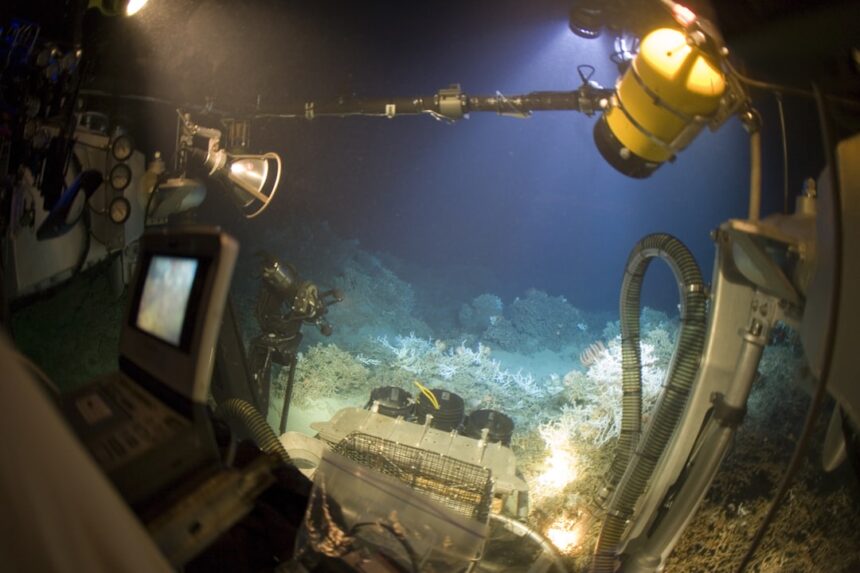
Your world runs on technology. From the smartphones buzzing in your pockets to the electric vehicles powering your commute, these innovations depend on a complex web of materials. Many of these critical minerals – cobalt, nickel, rare earth elements – are concentrated in specific geographical locations, creating vulnerabilities in your global supply chains. But what if a significant portion of these essential resources lies not on land, but beneath the waves? This is the emerging reality of deep-sea mining, and it brings with it a unique set of geopolitical chokepoints that will profoundly impact your supply security.
The Insatiable Appetite for Modern Technologies
You are witnessing an unprecedented surge in demand for minerals vital to the energy transition and digital revolution. Electric vehicles, for instance, require significantly more nickel and cobalt than conventional internal combustion engines. The proliferation of renewable energy infrastructure, from wind turbines to solar panels, also places a heavy burden on your mineral reserves. Then there’s the ever-expanding digital landscape: advanced electronics, high-speed communication networks, and artificial intelligence all rely on a sophisticated array of rare earth elements and other critical metals. This exponential growth in demand is not a future prediction; it is your present reality, and it is only accelerating.
The Strains on Traditional Mining
For decades, you have relied on terrestrial mining to meet your mineral needs. However, this source is facing increasing pressure. Many economically viable land-based deposits are being depleted, forcing exploration into more remote, environmentally sensitive, or politically unstable regions. The cost and complexity of extracting resources from these locations are escalating, often encountering significant social and environmental opposition. Furthermore, the concentration of many critical minerals in a limited number of countries poses inherent geopolitical risks. You are already grappling with the implications of this geographical concentration, and the challenges are only set to intensify as terrestrial reserves dwindle.
The Deep-Sea Frontier: A New Reservoir
In response to these terrestrial limitations, your attention is increasingly turning to the vast, largely unexplored depths of the ocean. The seabed, particularly in international waters, is known to contain significant deposits of polymetallic nodules, cobalt-rich ferromanganese crusts, and seafloor massive sulfides. These geological formations are rich in the same critical minerals that power your modern world. The potential to tap into these deep-sea resources represents a tantalizing prospect for diversifying your mineral supply and mitigating some of the risks associated with terrestrial dependency. However, this new frontier brings with it a distinct set of geopolitical considerations that you must carefully address.
Deep sea mining has emerged as a critical topic in discussions about geopolitical chokepoints and supply security, particularly as nations seek to secure access to valuable resources found in the ocean depths. An insightful article that delves into these issues is available at this link, where the implications of deep sea mining on global supply chains and international relations are explored. As countries navigate the complexities of resource extraction in international waters, understanding these dynamics becomes essential for policymakers and industry leaders alike.
The Unique Geopolitical Landscape of the Deep Sea
International Waters: A Commons Under Contention
The vast majority of the deep-sea mineral resources you are considering lie in areas beyond national jurisdiction, often referred to as the Area. This territory is managed by the International Seabed Authority (ISA), an intergovernmental organization established under the UN Convention on the Law of the Sea (UNCLOS). While the ISA provides a framework for the exploration and exploitation of these resources, the very nature of international waters creates a distinct geopolitical dynamic. Unlike your terrestrial supply chains, which are often dominated by national interests and bilateral agreements, the deep sea is a shared commons. This shared nature, while promoting cooperation, also introduces complexities in decision-making, resource allocation, and enforcement.
The Role of the International Seabed Authority (ISA)
The ISA plays a central role in regulating activities in the Area. It is responsible for granting exploration and exploitation licenses, setting environmental standards, and ensuring that the potential benefits of deep-sea mining are shared equitably for the benefit of humankind. However, the ISA is an organization where consensus-building can be a slow and arduous process. The diverse interests of member states, ranging from potential mining nations to those with strong environmental concerns, can lead to lengthy negotiations and potential stalemates. Your ability to secure future supplies through deep-sea mining will, in large part, depend on the ISA’s effectiveness in establishing a robust and predictable regulatory regime, and your capacity to influence its decisions.
The Rise of “Nations of Interest” in Seabed Resources
As the viability of deep-sea mining becomes more apparent, certain nations are emerging as key players. These “nations of interest” are typically those with advanced technological capabilities, significant financial investment, and a strategic interest in securing critical mineral supplies. This can include established mining powers, as well as nations heavily reliant on imported critical minerals and seeking to secure their own access. The actions and interests of these nations within the ISA framework, and their potential for unilateral or bloc-based approaches, will be a significant factor shaping the geopolitical landscape of deep-sea mining.
Potential Chokepoints in Deep-Sea Mining Operations
The ISA Licensing and Regulatory Framework
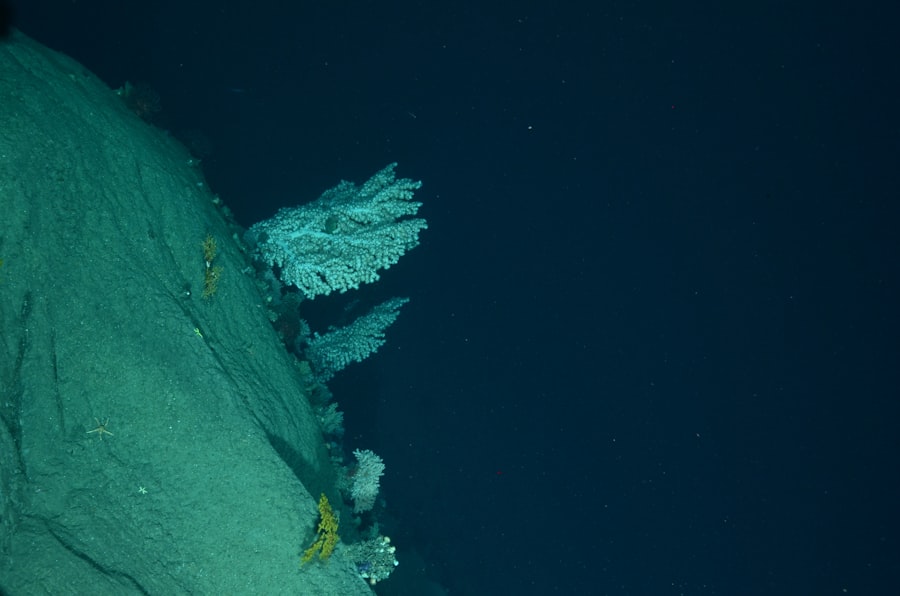
The ISA’s role in awarding exploration and exploitation contracts presents a fundamental chokepoint. The process, while designed for transparency and equity, can also be a bottleneck. The sheer volume of applications, the rigorous environmental impact assessments required, and the ongoing development of exploitation regulations mean that access to deep-sea mineral resources will not be immediate or guaranteed. Furthermore, any nation or consortium seeking to operate in the Area must navigate this complex regulatory environment. Delays in licensing, disputes over contract terms, or even politically motivated decisions by the ISA could significantly impede your access to these resources. Your ability to influence the ISA’s processes and ensure timely and fair licensing will be critical.
Technological Dependency and Control Over Extraction Equipment
Deep-sea mining is an incredibly technologically intensive endeavor. The specialized vessels, remotely operated vehicles (ROVs), and processing equipment required are not readily available and are often developed by a limited number of specialized companies and nations. This creates a significant chokepoint in your reliance on this advanced technology. If a few key nations or companies control the intellectual property and manufacturing capabilities for this critical equipment, they could wield considerable influence over who can and cannot engage in deep-sea mining. Your access to these resources could be indirectly controlled by your dependence on foreign-made technology, creating a new form of supply chain vulnerability.
Geopolitical Influence and the “Race for the seabed”
The potential for immense economic and strategic value in deep-sea minerals has already sparked a quiet “race for the seabed.” Nations are vying to secure exploration licenses in strategically advantageous areas and to influence the development of ISA regulations in their favor. This competition can manifest in subtle, and sometimes not-so-subtle, ways. Diplomatic maneuvering, lobbying efforts within international bodies, and even the strategic deployment of maritime assets can all play a role. Disagreements over maritime boundaries, interpretation of UNCLOS provisions, and the equitable distribution of potential revenues can escalate into significant geopolitical friction, potentially creating chokepoints by disrupting or delaying mining operations.
The Importance of Logistics and Infrastructure
Once mineral resources are extracted from the deep sea, they need to be transported to processing facilities and then to consumer markets. This involves complex logistical operations, including specialized ships, port facilities capable of handling extracted materials, and robust supply chain management. Nations that control key shipping lanes, have advanced port infrastructure, or possess the capacity to manage these complex maritime logistics will hold a significant advantage. Any disruption to these logistical pathways – whether due to conflict, natural disasters, or geopolitical maneuvering – could create serious chokepoints, impacting your ability to receive the processed minerals.
Strategic Implications for National Resource Security
Diversification of Supply: A Double-Edged Sword
The primary allure of deep-sea mining is its potential to diversify your mineral supplies, reducing reliance on a few terrestrial sources. However, this diversification itself can create new chokepoints. Instead of being beholden to a handful of land-based nations, you could become dependent on a new set of actors – controlling nations within the ISA, technology providers, or nations with dominant logistical capabilities in deep-sea resource extraction and transport. The strategic advantage lies not just in accessing new sources, but in ensuring unfettered and reliable access, which requires careful consideration of these new potential dependencies.
The Power of “First Mover” Advantages and Strategic Partnerships
In the nascent field of deep-sea mining, those who establish operations early and build strong partnerships are likely to gain significant advantages. This could involve securing prime exploration areas, developing proprietary extraction technologies, and forging alliances with other nations or corporations. The “first mover” advantage can create de facto monopolies or dominant market positions. Your strategy for securing deep-sea mineral supplies must therefore involve proactive engagement, forming strategic partnerships with nations and entities that possess the necessary expertise and resources, and advocating for policies that promote fair and open access.
The Role of International Law and Governance in Mitigating Risks
Your ability to navigate the geopolitical complexities of deep-sea mining hinges on the robust enforcement of international law and effective governance. UNCLOS provides the foundational framework, but its interpretation and implementation are crucial. The ISA must be empowered to effectively regulate the industry, ensuring both environmental protection and equitable resource access. Your active participation in and support for strong international governance structures are essential to mitigating the risks of geopolitical chokepoints. Without clear legal frameworks and effective oversight, the deep sea could become a new arena for resource competition and potential conflict.
The Development of a “Blue Economy” and its Geopolitical Ramifications
The pursuit of deep-sea mineral resources is intrinsically linked to the broader concept of a “blue economy”—an ocean-based economy that encompasses sustainable use of ocean resources. Nations that successfully develop capabilities in deep-sea exploration, extraction, and processing will gain significant economic and strategic leverage. This could lead to new geopolitical alliances and rivalries, as nations compete for dominance in this emerging sector. Your nation’s approach to the blue economy, including its investment in research and development, its regulatory policies, and its diplomatic engagement on ocean governance, will shape your position within this evolving geopolitical landscape.
Deep sea mining has emerged as a critical topic in discussions surrounding geopolitical chokepoints and supply security, particularly as nations vie for access to valuable resources found in the ocean depths. A recent article explores the implications of this emerging industry on global trade routes and national interests, highlighting the potential for conflict over underwater mineral deposits. For a deeper understanding of these dynamics, you can read more in this insightful piece on supply security. As countries invest in technology and infrastructure to exploit these resources, the balance of power in international relations may shift dramatically.
Confronting the Challenges: Your Path Forward
| Geopolitical Chokepoints | Supply Security Metrics |
|---|---|
| Strait of Malacca | Percentage of global rare earth elements sourced from deep sea mining |
| Panama Canal | Number of countries with deep sea mining exploration rights |
| Suez Canal | Estimated reserves of critical minerals in deep sea mining areas |
| Bab el-Mandeb | Dependency of key industries on deep sea mining resources |
Investing in Technological Independence and Innovation
To circumvent technological chokepoints, you must prioritize investment in research and development, fostering domestic innovation in deep-sea mining technologies. This includes supporting academic institutions, incentivizing private sector research, and developing national capacity in areas such as sensor technology, robotics, materials science, and underwater engineering. Your goal should be to reduce reliance on foreign suppliers for critical equipment and expertise, thereby increasing your autonomy and resilience in securing deep-sea mineral supplies.
Strengthening Diplomatic Engagement and Multilateral Cooperation
Your engagement within the ISA and other relevant international forums is paramount. You must actively participate in shaping the regulations, advocating for environmentally sound practices, and ensuring equitable benefit sharing. Building strong diplomatic relationships with nations that share your interests in secure mineral supplies and responsible ocean governance is crucial. Multilateral cooperation, rather than unilateral action, is the most effective way to address the complex geopolitical challenges and prevent the deep sea from becoming a source of interstate conflict.
Developing Robust Risk Assessment and Mitigation Strategies
You need to develop sophisticated risk assessment frameworks that identify and analyze potential chokepoints across the entire deep-sea mining value chain. This includes evaluating geopolitical stability in key regions, the reliability of technology providers, the resilience of logistical networks, and the potential for environmental disruptions. Based on these assessments, you must implement comprehensive mitigation strategies. This could involve stockpiling critical minerals, investing in alternative materials, developing contingency plans for supply chain disruptions, and fostering diverse sourcing strategies that encompass both terrestrial and deep-sea options.
Advocating for Transparency and Equitable Access
Your voice matters in advocating for transparency and equitable access to deep-sea mineral resources. This means supporting open licensing processes within the ISA, promoting the free flow of scientific data related to the deep sea, and ensuring that the potential benefits of this emerging industry are shared broadly. By championing these principles, you can help prevent the concentration of power and resources in the hands of a few, thereby mitigating the risk of geopolitical chokepoints and fostering a more stable and secure future for your mineral supply.
FAQs
What is deep sea mining?
Deep sea mining is the process of retrieving mineral deposits from the ocean floor. This can include valuable metals such as copper, nickel, cobalt, and rare earth elements.
What are geopolitical chokepoints in deep sea mining?
Geopolitical chokepoints in deep sea mining refer to areas where a small number of countries or companies have control over crucial resources or access to mining sites. This can create geopolitical tensions and impact global supply chains.
How does deep sea mining impact supply security?
Deep sea mining can impact supply security by potentially disrupting the global supply of critical minerals. If certain countries or companies control the majority of deep sea mining operations, it could lead to supply shortages and price fluctuations.
What are the potential environmental concerns of deep sea mining?
Potential environmental concerns of deep sea mining include habitat destruction, disturbance of deep sea ecosystems, and the release of sediment plumes that can impact marine life. There are also concerns about the long-term effects on ocean biodiversity.
What are the current regulations and international agreements regarding deep sea mining?
Currently, there are no specific international regulations governing deep sea mining. However, the International Seabed Authority (ISA) is working to develop a regulatory framework for deep sea mining activities in international waters. Some countries have also implemented their own regulations for deep sea mining within their exclusive economic zones.