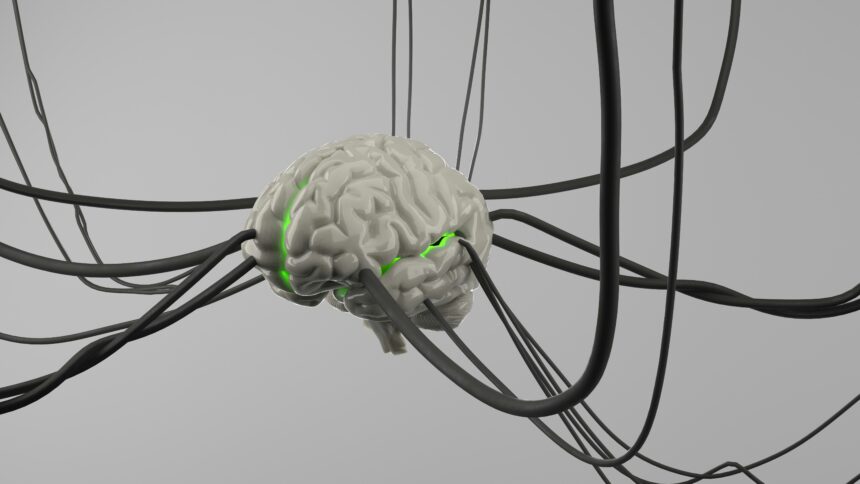
You want to maximize your productive days. This isn’t about achieving some mythical state of perpetual bliss or following trend-driven advice that promises instant transformation. Instead, it’s about understanding a fundamental aspect of your being: your nervous system. Your nervous system governs everything from your ability to focus and make decisions to your response to stress and your capacity for deep work. Optimizing it for productivity means cultivating a state where your brain and body are best equipped to handle the demands of your tasks, to learn effectively, and to maintain your well-being over the long term. This is a practical, grounded approach, focusing on creating the internal conditions that foster sustained and effective output.
Your nervous system is not a static entity; it’s a dynamic, adaptable network that constantly responds to your environment and internal states. For productive days, you’re not aiming to “hack” your brain, but rather to understand its natural rhythms and leverage them. Think of it as learning the operating manual for your own cognitive machinery. When your nervous system is functioning optimally, you experience clarity, resilience, and the ability to engage deeply with your work. When it’s dysregulated, you encounter distraction, fatigue, and a diminished capacity for complex thought.
The Autonomic Nervous System: The Unseen Driver
At the core of your nervous system’s influence on your daily functioning is the autonomic nervous system (ANS). The ANS operates largely below conscious awareness, managing essential life-sustaining functions. It has two primary branches: the sympathetic nervous system and the parasympathetic nervous system.
The Sympathetic Nervous System: Your “Fight or Flight” Response
The sympathetic nervous system is your body’s alarm system. When activated, it prepares you for action. This involves a cascade of physiological changes: increased heart rate, elevated blood pressure, redirection of blood flow to your muscles, and the release of adrenaline and cortisol. In short bursts, this can be incredibly beneficial, allowing you to tackle a sudden challenge or push through a demanding task. However, chronic activation of the sympathetic nervous system, often referred to as being in a state of “sympathetic overdrive,” is detrimental to sustained productivity. It leads to feelings of anxiety, restlessness, difficulty concentrating, and physical tension.
The Parasympathetic Nervous System: Your “Rest and Digest” State
The parasympathetic nervous system acts as a counterbalance to the sympathetic system. Its activation promotes relaxation, conservation of energy, and recovery. During parasympathetic dominance, your heart rate slows, digestion improves, and your body enters a state of repair and restoration. This state is crucial for cognitive functions such as learning, memory consolidation, and creative problem-solving. Productive days often rely on your ability to access and maintain this state, not as a passive disengagement, but as an active foundation for focused mental activity.
The Impact of Stress on Nervous System Regulation
Stress is a pervasive element in modern life, and its impact on your nervous system is profound. When you perceive a threat, whether it’s a looming deadline, a difficult conversation, or even just an overwhelming to-do list, your sympathetic nervous system kicks in. While designed for acute situations, modern life often subjects you to chronic, low-level stressors. This leads to persistent sympathetic activation, a state of chronic stress.
Chronic Sympathetic Activation and Cognitive Impairment
Prolonged exposure to stress hormones like cortisol can have a detrimental effect on your brain. It can impair prefrontal cortex function, which is responsible for executive functions like planning, decision-making, and impulse control. This means that when you’re chronically stressed, your ability to think clearly and make good decisions diminishes, directly hindering your productivity. You might find yourself procrastinating more, struggling with task initiation, or making impulsive, unproductive choices.
The Vicious Cycle of Dysregulation
It’s important to recognize that nervous system dysregulation can create a vicious cycle. If you’re constantly in a state of sympathetic activation, you become more sensitive to stressors, making it even easier for your sympathetic system to be triggered. This can lead to feelings of being overwhelmed, exhausted, and unable to cope, further perpetuating unproductive patterns. Breaking this cycle requires intentional strategies to downregulate your nervous system and build resilience.
Understanding the architecture of the nervous system can significantly enhance our productivity throughout the day. By exploring how our brain processes information and regulates our responses, we can implement strategies that align with our natural cognitive functions. For more insights on optimizing your daily productivity through an understanding of the nervous system, check out this related article on Productive Patty.
Cultivating a Calm and Focused State: Foundation for Productivity
Achieving a productive day isn’t about forcing yourself into a hyper-focused state through sheer willpower. It’s about creating the internal conditions that allow for sustained focus and effective cognitive processing. This begins with cultivating a sense of inner calm, which is primarily governed by the parasympathetic nervous system. When your nervous system is in a more regulated state, your brain is more receptive to learning, problem-solving, and deep work.
The Power of Breathing Techniques
Your breath is a direct and accessible pathway to influencing your autonomic nervous system. By consciously altering your breathing patterns, you can send signals to your brain that promote relaxation and shift you out of sympathetic arousal. This is not a mystical practice, but a physiological intervention.
Diaphragmatic Breathing for Parasympathetic Activation
Diaphragmatic breathing, or belly breathing, is particularly effective. This involves drawing air deep into your lungs, allowing your abdomen to expand. This type of breathing stimulates the vagus nerve, a key component of the parasympathetic nervous system. Regular practice of diaphragmatic breathing can lower your heart rate, reduce blood pressure, and induce a sense of calm. Incorporating a few minutes of deep breathing at the start of your workday, before a challenging task, or during moments of stress can significantly improve your focus and mental clarity.
Extended Exhalations: A Simple Yet Powerful Tool
Another effective breathing technique involves lengthening your exhalations relative to your inhalations. Simply exhaling for a longer duration than you inhale signals to your body that it is safe and can relax. You don’t need to employ complex breathing grids; a simple practice of counting your inhales and then extending your exhales by a count of two or more can be very effective. This is a readily available tool you can use anywhere, anytime, to quickly shift your nervous system towards a calmer, more productive state.
Mindfulness and Present Moment Awareness
Mindfulness is the practice of paying attention to the present moment without judgment. Its power in optimizing your nervous system for productivity lies in its ability to interrupt cycles of rumination and worry, which often trigger sympathetic responses. By anchoring yourself in the present, you reduce the mental energy spent on future anxieties or past regrets, freeing up cognitive resources for the task at hand.
Training Your Attention Muscle
Think of mindfulness as training your attention muscle. Just as you train your physical muscles through exercise, you can train your ability to focus and direct your attention through mindfulness practices. This involves noticing where your mind wanders (which it inevitably will) and gently guiding it back to your chosen anchor, whether it’s your breath, bodily sensations, or external stimuli. Regular practice strengthens your ability to resist distractions and maintain focus on your work.
Reducing the Impact of Internal Distractions
Many unproductive days are derailed by internal distractions – thoughts, worries, and self-doubt. Mindfulness helps you observe these thoughts without getting entangled in them. You learn to recognize them as mental events rather than absolute truths, diminishing their power to pull you away from your work. This cultivated detachment allows for greater mental spaciousness and improved concentration.
Enhancing Cognitive Function: Fueling Your Brain for Productivity

Beyond simply regulating your nervous system for a calm state, you also need to actively enhance your brain’s capacity for cognitive tasks. This involves providing it with the right conditions and stimuli to perform at its best. Productivity isn’t just about avoiding mistakes; it’s about enabling your brain to operate efficiently and effectively, fostering creativity and problem-solving.
The Importance of Sleep for Brain Health and Function
Sleep is not a luxury; it is a fundamental biological necessity for a well-functioning nervous system and cognitive performance. During sleep, your brain consolidates memories, clears out metabolic waste, and repairs itself. Insufficient or poor-quality sleep directly impairs your cognitive abilities, leading to reduced concentration, impaired judgment, and decreased productivity.
Sleep Cycles and Cognitive Restoration
Understanding sleep cycles, particularly the stages of REM and deep sleep, can highlight why consistent, quality sleep is so vital. REM sleep is crucial for learning, memory, and emotional regulation, while deep sleep is essential for physical restoration and energy replenishment. Disruptions to these cycles can leave you feeling groggy, unfocused, and less capable of handling complex tasks. Establishing a consistent sleep schedule, creating a conducive sleep environment, and practicing good sleep hygiene are paramount for optimizing your nervous system.
The Impact of Sleep Deprivation on Executive Functions
When you’re sleep-deprived, your executive functions – the higher-level cognitive processes that allow you to plan, organize, and make decisions – suffer significantly. This makes it harder to initiate tasks, manage your time effectively, and solve problems, all of which are core components of a productive day. Prioritizing sleep is a direct investment in your cognitive capacity and your ability to be productive.
Neurotransmitters and Mood Regulation for Focus
Neurotransmitters are chemical messengers in your brain that play a critical role in regulating mood, motivation, and focus. Imbalances in these neurotransmitters can significantly impact your ability to be productive. While you can’t directly inject yourself with dopamine or serotonin, you can create lifestyle conditions that support healthy neurotransmitter function.
Dopamine’s Role in Motivation and Reward
Dopamine is often associated with pleasure and reward, but it’s also crucial for motivation, attention, and goal-directed behavior. When your dopamine levels are balanced, you feel more driven to undertake tasks and experience satisfaction upon completion. Conversely, low dopamine can lead to lethargy, lack of motivation, and procrastination. Engaging in activities that provide a sense of accomplishment, even small ones, can help support healthy dopamine function.
Serotonin’s Influence on Mood and Well-being
Serotonin is a key neurotransmitter involved in mood regulation, sleep, and appetite. Adequate serotonin levels contribute to feelings of well-being and stability, which are necessary for sustained focus. When serotonin is low, you may experience increased anxiety, irritability, and difficulty concentrating. Lifestyle factors such as sunlight exposure, exercise, and a balanced diet can positively influence serotonin levels.
Managing External Stimuli: Creating a Productive Environment

Your nervous system is constantly bombarded with external stimuli. The way you manage these stimuli has a direct impact on your ability to focus and avoid cognitive overload. Creating an environment that minimizes unnecessary distractions and maximizes opportunities for focused work is a crucial aspect of optimizing your nervous system for productivity.
The Impact of Sensory Overload on Attention
The modern world is replete with sensory input – buzzing phones, open-plan offices, constant notifications. Excessive sensory stimulation can overwhelm your nervous system, making it difficult to filter out irrelevant information and focus on what matters. This can lead to a state of perpetual distraction, where you’re constantly switching between tasks without fully engaging in any of them.
Pruning Your Digital Environment
Your digital environment is a primary source of sensory overload. Unnecessary notifications, endless social media feeds, and cluttered email inboxes act as constant interruptions. Consciously curating your digital space – turning off non-essential notifications, unsubscribing from newsletters you don’t read, and organizing your digital files – can significantly reduce cognitive load. This creates a calmer, more focused digital workspace, allowing your nervous system to prioritize relevant information.
Designing Your Physical Workspace for Focus
Your physical surroundings also play a significant role. Consider factors such as noise levels, lighting, and visual clutter. A dedicated workspace, even a small one, can signal to your nervous system that it’s time to focus. Minimizing visual distractions, ensuring adequate and comfortable lighting, and using noise-canceling headphones can all contribute to a more productive environment. Experiment with what works best for you, as individual preferences can vary.
The Importance of Focused Work Blocks and Breaks
Our brains are not designed for continuous, intense focus for extended periods. Attempting to do so leads to burnout and diminished returns. Instead, structuring your work into focused blocks interspersed with restorative breaks allows your nervous system to recover and maintain optimal performance.
The Pomodoro Technique and Similar Approaches
Techniques like the Pomodoro Technique, which involves working in focused intervals (e.g., 25 minutes) followed by short breaks (e.g., 5 minutes), are effective because they align with natural cognitive rhythms. These structured intervals prevent mental fatigue and allow for periods of intense engagement followed by crucial recovery. The key is to commit to the work interval and then truly disengage during the break, allowing your nervous system to reset.
Strategic Breaks for Nervous System Resets
Breaks are not merely opportunities to procrastinate; they are essential for nervous system regulation and cognitive renewal. During breaks, engage in activities that allow your mind to wander or actively rest. This could involve a short walk, stretching, looking out a window, or engaging in a non-demanding activity. The goal is to shift your mental state and allow your brain to process information and recover from focused effort, ensuring that subsequent work intervals are more effective.
Understanding the architecture of the nervous system can significantly enhance our productivity throughout the day. By optimizing how we manage stress and focus, we can harness the full potential of our brain’s capabilities. For those interested in exploring this topic further, a related article can be found at Productive Patty, which delves into techniques that align our daily activities with our neurological functions, ultimately leading to a more efficient and fulfilling day.
Building Resilience: Navigating Challenges and Maintaining Productivity
| Aspect | Metric |
|---|---|
| Quality Sleep | 7-9 hours per night |
| Stress Management | Regular exercise, meditation |
| Nutrition | Healthy, balanced meals |
| Hydration | 8-10 glasses of water per day |
| Physical Activity | 30 minutes of exercise |
| Mental Stimulation | Engaging in challenging tasks |
Even with the best optimization strategies, productive days are not always smooth sailing. Challenges, setbacks, and unexpected demands are inevitable. Building resilience in your nervous system means developing the capacity to bounce back from these disruptions, adapt to change, and maintain your effectiveness over time without succumbing to chronic stress or burnout.
The Role of Physical Activity in Nervous System Regulation
Physical activity is a powerful tool for managing stress and improving nervous system regulation. Exercise has a profound impact on both the sympathetic and parasympathetic branches of your autonomic nervous system, promoting a balanced state.
Exercise as a Stress Reducer and Mood Enhancer
Regular aerobic exercise, in particular, can help “burn off” excess stress hormones like cortisol and adrenaline. It also stimulates the release of endorphins, which have mood-boosting effects. By engaging in physical activity, you can effectively downregulate your sympathetic nervous system and promote a sense of calm and well-being, making it easier to focus on your work.
Movement for Cognitive Stimulation and Energy
Beyond stress reduction, physical movement can also enhance cognitive function. Studies have shown that exercise can improve blood flow to the brain, promoting the growth of new neurons and improving the connections between them. Even short bursts of movement, like a brisk walk, can increase alertness and improve problem-solving abilities, contributing to more productive periods.
The Power of Social Connection and Support
While solitary focus is important for many productive tasks, social connection is also a vital component of nervous system health and overall resilience. Positive social interactions can buffer the effects of stress and foster a sense of security and belonging.
Social Support as a Buffer Against Stress
When you have a strong support network, you can draw upon it during challenging times. Sharing your concerns with trusted friends, family, or colleagues can provide perspective, emotional relief, and practical solutions, all of which can help mitigate the negative impact of stress on your nervous system. This support network acts as a built-in resilience booster.
The Importance of Meaningful Engagement
Beyond simply being around people, meaningful social engagement plays a crucial role. Participating in activities with others, contributing to a group effort, or simply sharing a genuine conversation can stimulate positive emotions and promote feelings of connection. These positive experiences can help counteract the effects of stress and contribute to a more balanced and resilient nervous system, ultimately supporting sustained productivity over the long term.
FAQs
What is the nervous system architecture?
The nervous system architecture refers to the organization and structure of the nervous system, which includes the brain, spinal cord, and network of nerves throughout the body. It is responsible for transmitting signals between different parts of the body and coordinating various bodily functions.
How does the nervous system architecture affect productivity?
The nervous system architecture plays a crucial role in regulating cognitive functions, such as attention, memory, and decision-making, which are essential for productivity. A well-functioning nervous system architecture can help maintain focus, mental clarity, and efficient information processing, leading to a more productive day.
What are some factors that can impact the nervous system architecture?
Factors such as stress, lack of sleep, poor nutrition, and sedentary lifestyle can negatively impact the nervous system architecture. Chronic stress, for example, can lead to the dysregulation of the stress response system, affecting cognitive function and overall productivity.
How can one optimize their nervous system architecture for a productive day?
Optimizing the nervous system architecture for a productive day involves adopting healthy lifestyle habits, such as getting regular exercise, practicing stress-reducing techniques, maintaining a balanced diet, and ensuring an adequate amount of sleep. Engaging in activities that stimulate the brain, such as puzzles or learning new skills, can also help optimize nervous system function.
Are there any specific strategies to support nervous system architecture for productivity?
Some specific strategies to support nervous system architecture for productivity include practicing mindfulness and meditation to reduce stress, incorporating regular physical activity to promote blood flow and oxygenation to the brain, and consuming foods rich in antioxidants and omega-3 fatty acids to support brain health. Additionally, establishing a consistent sleep schedule and taking regular breaks throughout the day can also support nervous system function for productivity.