
You’re likely reading this because the allure of deep work, that state of intense, undistracted focus on a cognitively demanding task, has captured your attention. You understand its potential to unlock productivity, mastery, and meaningful output. Yet, the reality often falls short. The digital deluge, the constant hum of notifications, and the ingrained habit of task-switching conspire against sustained concentration. This article isn’t about a magic bullet or a utopian vision. It’s about a practical, grounded approach to building and enhancing your concentration capacity, the very engine of deep work. You have the power to cultivate this vital skill.
Before you can build, you need to understand the terrain. Your ability to concentrate isn’t a fixed, immutable trait. It’s a muscle, and like any muscle, it can be strengthened through deliberate practice and strategic management. Recognizing the forces that erode your focus is the first step in reclaiming your attention.
The Erosion of Attention in the Modern World
You are bombarded daily with a relentless stream of stimuli. Social media feeds, email alerts, instant messages, the news cycle – each vying for a sliver of your cognitive bandwidth. This constant exposure to fractured information trains your brain to expect and even crave novelty and rapid shifts in attention. Think about your own habits. How often do you find yourself mindlessly scrolling or checking your phone, even when you have an important task at hand? This isn’t a fault; it’s a byproduct of your environment.
Identifying Your Personal Attention Killers
What specifically derails your concentration? Is it the ping of a new email interrupting your flow? The urge to quickly check a notification? The ambient noise in your workspace? Or perhaps internal distractions like a wandering mind or a persistent to-do list running in your head? Take an honest inventory. For a week, perhaps even a month, passively observe when your focus breaks. Note the trigger, the duration of the distraction, and how long it takes you to regain your deep work state. This detailed self-awareness will be the foundation of your strategy.
The Cognitive Cost of Constant Switching
Every time you switch tasks, even for a moment, there’s a cognitive cost. Your brain has to disengage from one task, reload the context for another, and then re-engage. This isn’t a seamless transition. This “attention residue” can linger, impacting your performance on the task you’ve returned to. Over time, frequent task-switching trains your brain for shallowness, making sustained focus feel increasingly difficult. You might feel busy, but are you truly productive? The answer often lies in the quality, not just the quantity, of your attention.
To enhance your ability to engage in deep work and improve concentration, you might find it helpful to explore the article on building capacity for focused tasks available at Productive Patty. This resource offers practical strategies and insights that can assist you in cultivating an environment conducive to sustained attention and productivity, ultimately helping you achieve your goals more effectively.
Implementing Structural Defenses Against Distraction
Your environment plays a crucial role in your ability to concentrate. Instead of passively reacting to distractions, you can proactively design your surroundings and your workflow to minimize their impact. This involves creating physical and digital buffers that protect your precious focus.
Optimizing Your Physical Workspace for Focus
Your workspace is more than just a desk and a chair; it’s a physical manifestation of your commitment to deep work. Consider the following:
Minimalism and Decluttering
A cluttered desk reflects a cluttered mind. Regularly declutter your workspace, not just of physical items but also of cognitive clutter. Have a dedicated place for everything, and return items to their place after use. This reduces the visual noise and the mental load of trying to find things, freeing up cognitive resources for your primary task.
Sensory Management: Sound and Sight
Are you sensitive to noise? Consider noise-canceling headphones. If you thrive in quiet, create a sanctuary. If you benefit from white noise or ambient music, experiment with different options. Similarly, consider your visual field. Minimize unnecessary movement or visual distractions. Position your workspace facing a wall or a relatively blank area if possible. Even small adjustments can create a more conducive environment for sustained attention.
Ergonomics and Comfort
You can’t concentrate if you’re physically uncomfortable. Invest in an ergonomic chair, ensure proper monitor height, and maintain good posture. Extended periods of physical discomfort will inevitably pull your attention away from your work.
Taming the Digital Wild West: Your Online Environment
The internet, while a powerful tool, is also a potent source of distraction. You need to establish firm boundaries and protocols for your digital interactions.
Strategic Notification Management
This is non-negotiable. Turn off all non-essential notifications. For email, schedule specific times to check it rather than having it constantly pinging. For instant messaging, use a “do not disturb” status during deep work sessions. If you’re worried about missing something critical, communicate your availability to key contacts. Most urgent matters can wait a few hours.
Browser Extensions and Apps for Focus
There’s a growing ecosystem of tools designed to aid concentration. Explore website blockers that temporarily prevent access to distracting sites. Consider apps that create a distraction-free writing environment or track your time to help you become more aware of how you’re spending it. Experiment to find what works best for your workflow.
Scheduled Digital Breaks
Paradoxically, taking deliberate breaks from digital immersion can enhance your focus when you return. Schedule short periods to check social media or browse news, but treat these as planned activities, not spontaneous interruptions. This prevents the habit of constant checking from creeping back into your deep work time.
Cultivating the Habit of Single-Tasking
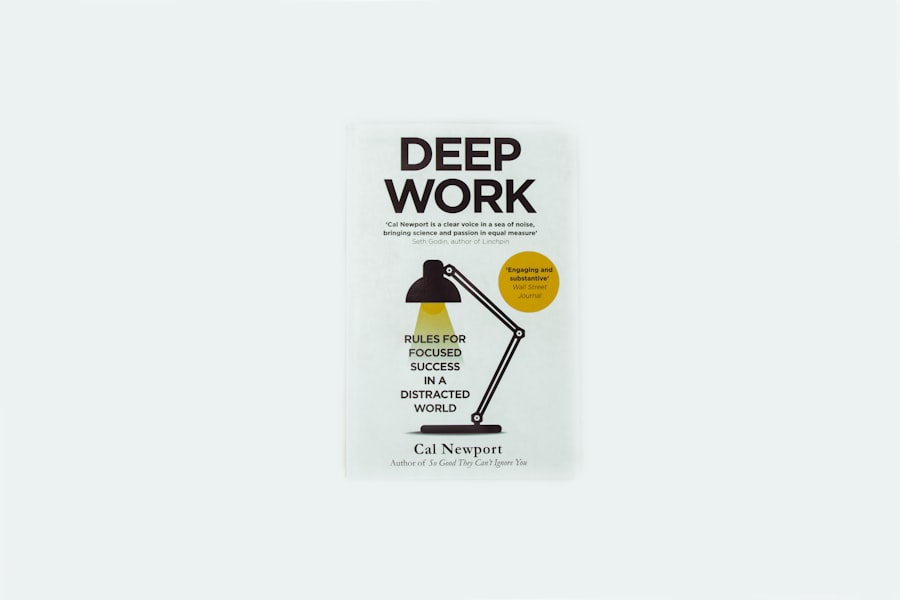
The pervasive culture of multitasking can be challenging to overcome, but a conscious shift towards single-tasking is fundamental to building concentration capacity. This is about retraining your brain to prioritize depth over breadth.
The Myth of Multitasking and Its Reality
You might feel productive when juggling multiple tasks, but research consistently shows that it leads to reduced efficiency, increased errors, and diminished quality of output. Your brain isn’t truly doing multiple things simultaneously; it’s rapidly switching between them, incurring the attention residue we discussed earlier. Embrace the understanding that “doing one thing well” is far more effective than “doing many things poorly.”
Deliberate Practice of Single-Tasking
Treat single-tasking as a skill to be practiced, much like learning a new language or a musical instrument.
Incremental Practice
Start small. Choose one task you want to focus on for a set period, say 25 minutes, without interruption. When your mind wanders, gently bring it back to the task. Gradually increase the duration of your single-tasking sessions as your concentration capacity grows.
“Timeboxing” Your Activities
This involves allocating a fixed, uninterrupted block of time to a specific task. During this time you commit to working on nothing else. At the end of the timebox, you can briefly review what you’ve accomplished and then transition to another task, or take a break. This provides structure and a clear endpoint, making it easier to resist distractions.
Deep Work Blocks: Scheduling Uninterrupted Time
The cornerstone of deep work is the dedicated block of time. You need to actively schedule these periods into your day or week.
Identifying Your Peak Productivity Times
When are you most alert and focused? For many, it’s the morning. For others, it might be later in the day. Observe your natural energy cycles and schedule your deepest work during these peak times. Protect these blocks fiercely.
Communicating Your Availability
Let colleagues, family, or housemates know when you are in a deep work session. Set clear expectations about when you will be available for interruptions. This reduces the likelihood of well-meaning but disruptive intrusions.
Strengthening Your Cognitive Toolkit for Concentration

Beyond environmental controls and scheduling, you can actively invest in strengthening the internal mechanisms that support your concentration. This involves mindfulness, cognitive training, and intentional rest.
Mindfulness and Meditation: Training Your Attention Muscle
Mindfulness practices are essentially exercises for your attention muscle. By consciously focusing on your breath or bodily sensations, you train your ability to notice when your mind wanders and to gently redirect it.
Simple Breath Awareness Exercises
Even a few minutes a day can make a difference. Find a quiet space, close your eyes, and focus on the sensation of your breath. Notice the inhale and the exhale. When your thoughts drift, acknowledge them without judgment and return your attention to your breath.
Body Scan Meditations
This practice involves systematically bringing your awareness to different parts of your body. It helps you cultivate present-moment awareness and can improve your ability to focus on internal sensations, which translates to better focus on external tasks.
Nutritional and Lifestyle Factors for Brain Health
Your brain’s ability to concentrate is deeply influenced by your overall health. You can’t expect peak cognitive performance if you’re not fueling your body and mind properly.
The Impact of Sleep on Concentration
Sleep deprivation is a direct assault on your cognitive functions, including concentration. Aim for 7-9 hours of quality sleep per night. Establish a consistent sleep schedule, create a relaxing bedtime routine, and optimize your sleep environment.
Hydration and Balanced Nutrition
Dehydration can lead to fatigue and impaired cognitive function. Ensure you’re drinking enough water throughout the day. A balanced diet rich in omega-3 fatty acids, antioxidants, and B vitamins supports optimal brain health and function. Limit processed foods and excessive sugar, which can lead to energy crashes.
Cognitive Training and Brain Exercises
While not a substitute for deep work, targeted cognitive exercises can help improve specific aspects of attention and working memory.
Working Memory Games and Puzzles
Puzzles, brain teasers, and memory games can challenge different areas of your brain. While the direct transfer to deep work might be debated, they can contribute to overall cognitive agility and resilience.
Focused Reading and Active Recall
Engaging in deep reading of complex texts and then actively recalling the information without referring back is a powerful way to train your sustained attention and information processing abilities.
To enhance your ability to engage in deep work and improve concentration, it’s essential to explore various strategies that can help build your capacity for focused tasks. One insightful resource that delves into this topic is an article that provides practical tips and techniques for cultivating a more productive mindset. By incorporating these methods into your daily routine, you can significantly boost your ability to concentrate for extended periods. For more information, you can read the full article here.
Embracing the Long Game: Sustainability and Resilience
| Strategies | Benefits |
|---|---|
| Minimize distractions | Improved focus and productivity |
| Set specific time for deep work | Enhanced concentration and creativity |
| Practice mindfulness and meditation | Reduced stress and increased mental clarity |
| Establish a conducive work environment | Optimized conditions for deep work |
| Take regular breaks | Prevention of burnout and sustained energy levels |
Building concentration capacity is not a sprint; it’s a marathon. You will encounter setbacks. The key is to develop a sustainable approach that fosters resilience and allows for continuous improvement.
The Importance of Rest and Recovery for Concentration
You cannot operate at peak cognitive performance indefinitely. Rest and recovery are not a sign of weakness; they are essential for sustained concentration.
Scheduled Downtime and “Unplugging”
Regularly schedule time away from work, and crucially, time away from digital devices. This allows your brain to recover and recharge. Engage in activities that you find genuinely restorative and enjoyable, whether it’s spending time in nature, pursuing a hobby, or simply relaxing.
The Power of Micro-Breaks
Even within a deep work session, short, intentional breaks can prevent burnout and maintain focus. A 5-minute walk, a quick stretch, or a glance out the window can be enough to refresh your mind before returning to your task.
Learning from Setbacks and Adjusting Your Strategy
There will be days when your concentration falters, no matter how well you plan. This is normal. The goal isn’t perfection; it’s progress.
Keeping a Focus Journal
When you experience a significant loss of focus, take a few minutes to record what happened. What was the trigger? What emotions were present? How did you respond? This journal can reveal patterns and help you refine your strategies.
Continuous Iteration and Experimentation
What works for one person may not work for another. Continuously experiment with different techniques, environments, and schedules. Be open to adapting your approach based on your experiences and evolving needs. What worked last month may need a tweak this month.
Celebrating Small Wins and Maintaining Motivation
The journey to enhanced concentration can feel arduous. Acknowledging and celebrating your progress, no matter how small, is vital for maintaining momentum and motivation.
Recognizing the Compound Effect
Understand that improvements in concentration are often the result of small, consistent efforts compounding over time. Don’t get discouraged by slow progress. Each focused session, each notification turned off, each mindful moment contributes to the larger goal.
Connecting Deep Work to Your Values and Goals
Remind yourself why you are pursuing deep work. What are the meaningful outcomes it will help you achieve? Connecting your focus to your personal and professional values can provide a powerful intrinsic motivation that transcends fleeting distractions. You are not just training your brain; you are equipping yourself to do the work that matters most to you.
FAQs
What is deep work and concentration?
Deep work refers to the ability to focus without distraction on a cognitively demanding task, while concentration is the mental effort required to maintain focus on a specific task or activity.
Why is building capacity for deep work and concentration important?
Building capacity for deep work and concentration is important because it allows individuals to produce high-quality work, solve complex problems, and achieve a state of flow, leading to increased productivity and creativity.
What are some strategies for building capacity for deep work and concentration?
Some strategies for building capacity for deep work and concentration include creating a distraction-free environment, setting specific time blocks for focused work, practicing mindfulness and meditation, and minimizing multitasking.
How can technology impact deep work and concentration?
Technology can both support and hinder deep work and concentration. While tools like productivity apps and noise-cancelling headphones can enhance focus, constant notifications and digital distractions can disrupt concentration.
What are the benefits of improving capacity for deep work and concentration?
Improving capacity for deep work and concentration can lead to increased productivity, better decision-making, enhanced creativity, and a greater sense of fulfillment and satisfaction in one’s work.