
You’re feeling it. That low-level hum of inefficiency, the brain fog that seems to thicken with each passing hour, the persistent sense of being stuck in a gear lower than you know you’re capable of. This isn’t just a matter of mild inconvenience; it’s a signal that your nervous system, the intricate network governing your every thought, feeling, and action, is not operating at its optimal capacity. You’re seeking a systemic fix, a way to move beyond temporary band-aids and implement lasting improvements. This article will guide you through understanding and enhancing your nervous system’s productivity.
Your nervous system is the central command center for everything you do. When it functions efficiently, you experience clarity, focus, and a readiness to engage with tasks. When it’s sluggish or overwhelmed, you encounter the very productivity challenges you’re looking to overcome. This isn’t about willpower alone; it’s about the underlying biological processes.
The Neuron: Your Brain’s Workhorse
At its core, your nervous system is composed of billions of neurons, specialized cells that transmit information through electrochemical signals. The efficiency of these transmissions is paramount to your cognitive performance.
Synaptic Plasticity and its Role
The connections between neurons, called synapses, are not static. They can strengthen or weaken through a process known as synaptic plasticity. This is how you learn and adapt. Enhanced synaptic plasticity means your brain can form and reinforce neural pathways more effectively, leading to quicker learning and improved memory.
Neurotransmitters: The Chemical Messengers
These are the chemical signals that allow neurons to communicate. Key neurotransmitters like dopamine, serotonin, norepinephrine, and acetylcholine play crucial roles in mood regulation, motivation, attention, and learning. An imbalance or deficiency in these can directly impact your ability to concentrate and perform.
The Influence of the Autonomic Nervous System
Beyond your conscious control, the autonomic nervous system (ANS) regulates vital functions like heart rate, digestion, and breathing. It’s divided into two branches: the sympathetic nervous system (SNS) and the parasympathetic nervous system (PNS).
Sympathetic Nervous System: The ‘Fight or Flight’ Response
The SNS is activated during times of stress or perceived danger. It prepares your body for action by increasing heart rate, blood pressure, and releasing adrenaline. While vital for survival, chronic activation of the SNS can lead to burnout and impaired cognitive function.
Parasympathetic Nervous System: The ‘Rest and Digest’ Response
The PNS is responsible for promoting relaxation, conserving energy, and aiding in recovery. A well-balanced nervous system can effectively switch between these two states, allowing for periods of high engagement followed by restorative rest.
If you’re looking to address systemic nervous system productivity issues, a great resource to explore is the article on the Productive Patty website. This article provides valuable insights and practical strategies to help you enhance your productivity by understanding the underlying factors affecting your nervous system. You can read more about it by visiting this link.
Strategies for Optimizing Neurotransmitter Balance
Achieving optimal neurochemical balance is a cornerstone of boosting your nervous system’s productivity. This isn’t about artificial stimulation, but rather about creating conditions that naturally foster the production and utilization of these crucial messengers.
Nourishing Your Brain with Micronutrients
The building blocks for neurotransmitters are derived from your diet. Deficiencies in certain vitamins and minerals can directly impair your brain’s ability to synthesize and regulate these chemicals.
The Importance of Omega-3 Fatty Acids
These essential fats are critical components of neuronal cell membranes, influencing their fluidity and the efficiency of receptor function. They also possess anti-inflammatory properties, which can protect brain health.
B Vitamins: Co-Factors in Neurochemistry
Vitamins B6, B12, and folate are vital co-factors in the synthesis of many neurotransmitters, including serotonin and dopamine. Ensuring adequate intake can support smoother chemical signaling.
Amino Acids: The Precursors to Neurotransmitters
Many neurotransmitters are synthesized from amino acids found in protein-rich foods. Tryptophan, for example, is a precursor to serotonin, while tyrosine is a precursor to dopamine and norepinephrine.
Lifestyle Factors Influencing Neurotransmitter Levels
Beyond diet, your daily habits have a profound impact on your neurochemical landscape.
Sleep Hygiene and its Neurochemical Reset
Adequate, quality sleep is not a luxury; it’s a fundamental requirement for brain health and neurotransmitter regulation. During sleep, your brain consolidates memories and clears metabolic waste, processes that are essential for optimal cognitive function.
Exercise: A Natural Neurotransmitter Booster
Regular physical activity has been shown to increase the production of endorphins, dopamine, and serotonin, contributing to improved mood, focus, and motivation. It also promotes neurogenesis, the creation of new neurons.
Stress Management Techniques and their Neurochemical Impact
Chronic stress floods your system with cortisol, which can disrupt neurotransmitter balance and impair cognitive function. Implementing stress-reduction techniques can help re-regulate these systems.
Enhancing Neural Connectivity and Plasticity
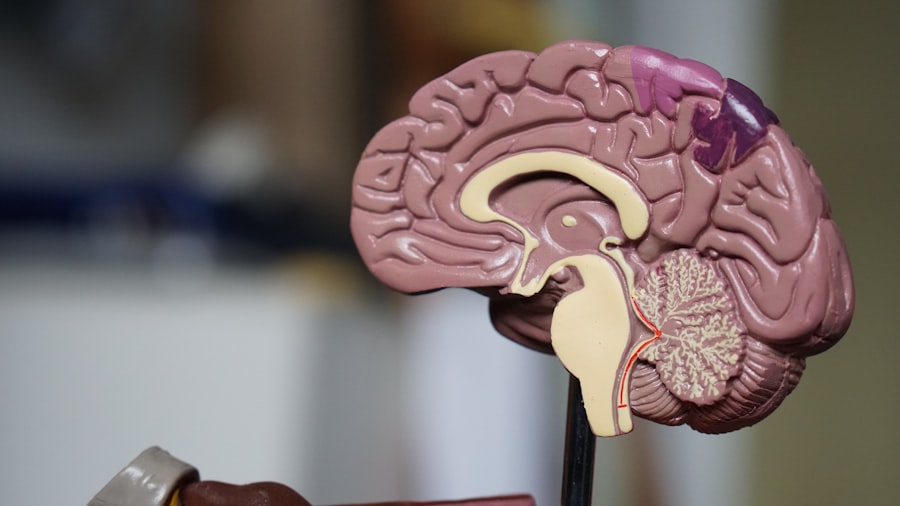
Boosting your nervous system’s productivity involves more than just healthy chemical signaling; it requires cultivating a brain that is adaptable and efficient in forming and utilizing neural pathways.
Cognitive Training and Mental Stimulation
Engaging your brain in novel and challenging activities strengthens existing neural connections and facilitates the formation of new ones.
The Benefits of Learning New Skills
From learning a new language to mastering a musical instrument, the process of acquiring new skills forces your brain to create new neural pathways and reinforces existing ones. This ongoing learning process is a powerful driver of plasticity.
Puzzles and Brain Games
Activities that require problem-solving, memory recall, and strategic thinking can provide a valuable workout for your brain, stimulating various cognitive functions.
Mindfulness and Meditation for Neural Rewiring
These practices have demonstrable effects on brain structure and function, promoting a more balanced and resilient nervous system.
Focused Attention Training
Mindfulness meditation often involves directing your attention to a specific object, such as your breath. This consistent practice strengthens the neural circuits associated with attention control.
Emotional Regulation and its Neural Correlates
By observing your thoughts and emotions without judgment, mindfulness can help you develop greater control over your emotional responses. This can lead to reduced activation of the amygdala, the brain’s fear center, and increased activity in the prefrontal cortex, associated with executive functions.
The Power of Novelty and Variety
Introducing novelty into your routines can act as a powerful stimulant for your nervous system, preventing stagnation and encouraging adaptation.
Exploring New Environments
Visiting new places, even for short periods, can expose your brain to new sensory input and challenges, promoting neural engagement.
Engaging in Diverse Hobbies and Interests
Pursuing a range of activities keeps your brain active and prevents it from becoming overly specialized in a narrow set of tasks.
Cultivating a Resilient Autonomic Nervous System

A key aspect of nervous system productivity is the ability to navigate the demands of modern life without succumbing to chronic stress. This involves developing a robust and adaptable autonomic nervous system.
The Vagus Nerve: Your Direct Line to Relaxation
The vagus nerve is a primary component of the parasympathetic nervous system. Its proper functioning is crucial for stress recovery and overall well-being.
Vagus Nerve Stimulation Techniques
Activities like deep breathing exercises, gargling, and singing can stimulate the vagus nerve, promoting a sense of calm.
The Gut-Brain Axis and Vagus Nerve Communication
Your gut microbiome communicates with your brain via the vagus nerve. Maintaining a healthy gut can therefore have a positive impact on your nervous system’s resilience.
Building Stress Tolerance: Beyond Just Coping
True resilience isn’t about avoiding stress, but about developing the capacity to bounce back from it effectively.
Gradual Exposure to Manageable Stressors
Exposing yourself to small, manageable challenges can help your nervous system adapt and build greater resilience to larger stressors. This is often referred to as hormesis.
The Role of Social Support in Stress Buffering
Strong social connections can significantly buffer the negative effects of stress on your physiological and psychological well-being.
Prioritizing Rest and Recovery as Productive Acts
Viewing rest not as idleness, but as an essential component of productivity is a fundamental shift in perspective.
Scheduled Downtime and Digital Detox
Intentionally scheduling periods of time away from screens and demanding tasks allows your nervous system to recharge.
Active Recovery and Physical Restoration
Engaging in gentle physical activity that promotes recovery, such as stretching or light walking, can be more beneficial than complete inactivity after intense exertion.
If you’re struggling with productivity due to a systemic nervous system issue, you might find it helpful to explore techniques that promote relaxation and focus. One insightful resource on this topic can be found in a related article that discusses various strategies to enhance your productivity by addressing underlying nervous system challenges. You can read more about these effective methods by visiting this article, which offers practical tips to help you regain control over your productivity levels.
Implementing a Systemic Approach to Nervous System Productivity
| Metrics | Data |
|---|---|
| Productivity Issue | Decreased output, lack of focus, fatigue |
| Causes | Stress, poor sleep, lack of exercise, poor nutrition |
| Solutions | Stress management, quality sleep, regular exercise, balanced diet |
| Measurable Goals | Increase in productivity, improved focus, reduced fatigue |
| Monitoring | Regular check-ins, tracking progress, feedback from colleagues |
Achieving lasting improvements in your nervous system’s productivity requires a holistic and consistent approach, integrating various strategies into your daily life.
The Importance of Self-Awareness and Monitoring
Understanding your own patterns of energy, focus, and stress is the first step towards making informed adjustments.
Tracking Your Energy Levels and Focus Throughout the Day
Keeping a journal or using productivity apps can help you identify your peak performance times and periods of decline.
Recognizing Early Signs of Overwhelm or Burnout
Learning to identify the subtle signals your body and mind send when they are becoming overloaded is crucial for preventative action.
Setting Realistic Goals and Expectations
Ambitious goals are important, but setting them without considering your nervous system’s capacity can lead to frustration and burnout.
Breaking Down Large Tasks into Smaller, Manageable Steps
This approach reduces cognitive load and provides a sense of accomplishment as you progress.
Celebrating Small Wins and Progress
Acknowledging your achievements, no matter how minor they may seem, reinforces positive behaviors and maintains motivation.
Consistency Over Intensity: The Power of Habit Formation
Sustainable productivity is built on consistent, well-established habits rather than sporadic bursts of intense effort.
Gradual Implementation of New Strategies
Introduce changes incrementally to avoid overwhelming your system and increase the likelihood of long-term adoption.
Building a Supportive Environment
Surround yourself with people and resources that reinforce your goals and encourage healthy habits.
By understanding the intricate workings of your nervous system and consciously implementing these strategies, you can move beyond the feeling of being stuck and unlock a more productive, focused, and resilient you. This is a journey of continuous optimization, where each step taken contributes to a stronger, more efficient internal operating system.
FAQs
1. What are the common signs of a systemic nervous system productivity issue?
Common signs of a systemic nervous system productivity issue include chronic fatigue, difficulty concentrating, memory problems, mood swings, and decreased motivation.
2. What are some lifestyle changes that can help improve nervous system productivity?
Lifestyle changes that can help improve nervous system productivity include getting regular exercise, practicing stress-reducing activities such as meditation or yoga, maintaining a healthy diet, getting enough sleep, and avoiding excessive alcohol and caffeine consumption.
3. How can medical treatment help with a systemic nervous system productivity issue?
Medical treatment for a systemic nervous system productivity issue may include prescription medications to manage symptoms such as anxiety or depression, physical therapy to improve mobility and reduce pain, and counseling or therapy to address any underlying psychological factors contributing to the issue.
4. What role does stress play in affecting nervous system productivity?
Chronic stress can have a significant impact on nervous system productivity, leading to increased levels of cortisol (the stress hormone) which can impair cognitive function, disrupt sleep patterns, and contribute to mood disturbances.
5. Are there any specific techniques or therapies that can help improve nervous system productivity?
Techniques and therapies that can help improve nervous system productivity include biofeedback, acupuncture, massage therapy, and cognitive behavioral therapy. These approaches can help reduce stress, improve mental clarity, and enhance overall well-being.