You exist within systems. This is not a philosophical musing but a tangible reality. Your home, your workplace, your digital footprint – these are all environments. The 2020s demand a proactive approach to optimizing these spaces, not through passive acceptance, but through deliberate design and intentional curation. This isn’t about aesthetic perfection; it’s about fostering functionality and minimizing friction.
Home as a Sanctuary and a Command Center
Your living space should serve a dual purpose. It’s a place of respite, a haven from the external world. It’s also a launching pad for your ambitions.
Decluttering: More Than Just Tidiness
The sheer volume of possessions can become a cognitive burden. Excess items create visual noise, consume mental bandwidth, and physically impede your movement and flow.
The Minimalist Mindset Shift
You don’t need to embrace radical minimalism overnight. The goal is to discern what adds genuine value to your life and what merely occupies space. Ask yourself: when was the last time I used this? Does it bring me joy or serve a practical purpose? If the answer is no to both, consider its departure.
Strategic Zones
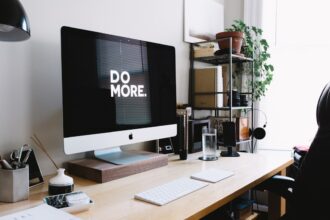
Designate specific zones within your home for particular activities. A dedicated workspace, even a small corner, can signal to your brain that it’s time for focus. A comfortable reading nook encourages relaxation. A well-organized kitchen facilitates meal preparation. These zones aren’t rigid boundaries, but guiding principles.
Integrating Technology Mindfully
Technology offers unparalleled convenience, but its unchecked presence can lead to distraction and overwhelm.
The Digital Detox Protocol
Schedule regular periods of disconnection. This isn’t about abandoning technology, but about controlling its influence. Turn off notifications, designate tech-free hours, and consider a digital detox weekend periodically. Your attention is a finite resource; guard it fiercely.
Smart Home, Smarter You
Embrace smart home technologies that genuinely enhance your life, not just automate trivialities. Smart lighting can adjust to your circadian rhythm, promoting better sleep. Smart thermostats optimize energy consumption and create a consistent comfort level. Automate mundane tasks that drain your energy.
To truly optimize your life for the 2020s, it’s essential to stay informed about the latest strategies and tools that can enhance your productivity and well-being. A great resource for this is the article available at Productive Patty, which offers insightful tips on time management, goal setting, and maintaining a healthy work-life balance. By incorporating these techniques into your daily routine, you can navigate the challenges of the modern world more effectively and achieve your personal and professional aspirations.
The Physical Machine: Fueling Your Endeavors
Your body is the vessel carrying you through life. Its performance directly impacts your ability to engage with your goals, manage stress, and maintain overall well-being. In the 2020s, this requires a nuanced understanding beyond simplistic health trends.
Nutrition as Strategic Fueling
Food is not just sustenance; it’s the chemical building blocks for your brain and body.
The Macronutrient Equation
Understand the role of carbohydrates, proteins, and fats in providing energy and supporting bodily functions. Prioritize whole, unprocessed foods that deliver sustained energy rather than sugar spikes and crashes.
Hydration: The Unsung Hero
Dehydration can manifest as fatigue, headaches, and impaired cognitive function. Make consistent, adequate water intake a non-negotiable habit. Carry a reusable water bottle and set reminders if necessary.
Movement: Beyond the Gym
Traditional exercise is important, but a broader approach to physical activity is more sustainable and integrated.
NEAT (Non-Exercise Activity Thermogenesis)
Increase your daily movement outside of structured workouts. Take the stairs, walk during phone calls, stand more often, and engage in active hobbies. These small bursts of activity accumulate significant health benefits.
Functional Strength and Mobility
Focus on movements that mimic everyday activities. Incorporate exercises that improve your core strength, flexibility, and balance. This isn’t about body-building; it’s about enabling you to move through life with ease and resilience.
Sleep: The Ultimate Optimizer
Sleep is not a luxury; it is a fundamental biological imperative. Its impact on cognitive function, emotional regulation, and physical recovery is profound.
Curating Your Sleep Environment
Optimize your bedroom for sleep. Ensure it’s dark, quiet, and cool. Invest in a comfortable mattress and pillows. Avoid screens for at least an hour before bed, and establish a consistent bedtime routine.
Sleep Hygiene Best Practices
This involves more than just closing your eyes. Understand your individual sleep needs. Avoid heavy meals and caffeine close to bedtime. If you struggle with sleep, consider techniques like mindfulness or journaling to quiet a racing mind.
The Digital Landscape: Navigating the Information Deluge
You are constantly bombarded with information. The discerning individual in the 2020s learns to filter, verify, and consume information strategically.
Curating Your Information Diet
Just as you curate your physical diet, you must curate your digital intake.
Source Credibility and Bias Awareness
Develop a critical eye for online information. Understand the potential biases of different sources. Prioritize reputable news outlets, academic research, and well-vetted experts. Be suspicious of sensational headlines and unsubstantiated claims.
Intentional Consumption
Don’t passively scroll. Approach your digital consumption with a purpose. Are you seeking to learn, to connect, or to be entertained? Allocate time for each and stick to your intention.
Managing Your Digital Identity
Your online presence is an extension of yourself. It’s crucial to manage it with intention and authenticity.
The Digital Footprint Audit
Periodically review your online profiles and accounts. What information is publicly accessible? Does it align with your desired image? Remove outdated or irrelevant information.
Online Etiquette and Constructive Engagement
Engage in online discussions with respect and a willingness to understand different perspectives. Avoid contributing to unproductive arguments or spreading misinformation. Your online interactions shape your digital reputation.
Cognitive Fortitude: Sharpening Your Mental Acuity
The ability to think clearly, solve problems, and adapt to new information is paramount in a rapidly evolving world. You must actively cultivate these mental skills.
Cultivating Focus and Deep Work
In an age of constant distraction, the ability to concentrate for extended periods is a superpower.
The Pomodoro Technique and Time Blocking
These methods can help you break down tasks into manageable intervals and dedicate focused blocks of time to essential work. Experiment with different durations to find what works best for you.
Minimizing Interruptions
Proactively identify and mitigate potential distractions. This might involve turning off email notifications during focused work sessions, using website blockers, or communicating your need for uninterrupted time to colleagues or family.
Lifelong Learning: The Adaptability Edge
The skills that are valuable today may be obsolete tomorrow. A commitment to continuous learning is no longer optional; it is essential for relevance and growth.
Identifying Learning Opportunities
Look for opportunities to acquire new knowledge and skills in both your professional and personal life. This could involve online courses, workshops, books, podcasts, or mentorship.
Practical Skill Acquisition vs. Theoretical Knowledge
While theoretical understanding is valuable, prioritize the acquisition of practical skills that you can immediately apply. This can provide a tangible sense of progress and build confidence.
In the quest to optimize your life for the 2020s, it’s essential to explore various strategies that can enhance your productivity and well-being. One insightful resource that delves into effective techniques is an article that provides practical tips and actionable advice. You can read more about these strategies in this informative piece, which can be found here. By implementing the suggestions outlined, you can create a more balanced and fulfilling lifestyle that aligns with the demands of the modern world.
Emotional Resilience: Navigating the Inevitable Ups and Downs
Life in the 2020s is characterized by volatility and uncertainty. Developing the capacity to manage your emotions and bounce back from adversity is crucial for sustained well-being.
Understanding and Managing Stress
Stress is an inherent part of life, but chronic, unmanaged stress can be detrimental.
Stress Identification and Triggers
Become attuned to the physical and emotional signals of stress. Identify the situations or thoughts that trigger your stress response. This self-awareness is the first step towards effective management.
Stress Reduction Techniques
Explore a range of techniques, from deep breathing exercises and meditation to physical activity and spending time in nature. Find what works best for you and incorporate it into your routine.
Cultivating a Growth Mindset
The belief that your abilities and intelligence can be developed through dedication and hard work is foundational to resilience.
Embracing Challenges as Opportunities
View setbacks not as failures, but as learning experiences. What can you take away from a difficult situation? How can it strengthen you for future challenges?
Seeking Feedback and Learning from Mistakes
Be open to constructive criticism. Instead of defensiveness, approach feedback with a desire to improve. View mistakes as data points that inform your future actions.
Building a Supportive Network
Human connection is a vital buffer against stress and a source of strength.
Nurturing Meaningful Relationships
Invest time and energy in your relationships with friends, family, and colleagues. Authentic connections provide emotional support and a sense of belonging.
Setting Healthy Boundaries
While connection is important, not all interactions are beneficial. Learn to set boundaries to protect your energy and emotional well-being. This involves saying no when necessary and limiting exposure to toxic influences.
You are the architect of your own experience. The 2020s present a unique set of challenges and opportunities. By embracing intentional optimization across your environment, physical well-being, digital interactions, cognitive abilities, and emotional resilience, you can build a life that is not merely functional, but fulfilling and impactful.
FAQs
1. What are some key areas to focus on when optimizing your life for the 2020s?
Some key areas to focus on when optimizing your life for the 2020s include personal development, career advancement, financial stability, health and wellness, and building strong relationships.
2. How can personal development contribute to optimizing your life for the 2020s?
Personal development can contribute to optimizing your life for the 2020s by helping you improve your skills, mindset, and overall well-being. This can include setting goals, learning new things, and developing a growth mindset.
3. What are some strategies for achieving financial stability in the 2020s?
Some strategies for achieving financial stability in the 2020s include creating a budget, saving and investing wisely, paying off debt, and increasing your income through career advancement or side hustles.
4. How can health and wellness play a role in optimizing your life for the 2020s?
Health and wellness play a crucial role in optimizing your life for the 2020s by improving your physical and mental well-being, increasing your energy levels, and reducing stress. This can be achieved through regular exercise, a balanced diet, and practicing mindfulness.
5. What are some tips for building strong relationships in the 2020s?
Some tips for building strong relationships in the 2020s include effective communication, showing empathy and understanding, spending quality time with loved ones, and being supportive and reliable. Building strong relationships can contribute to overall happiness and well-being.