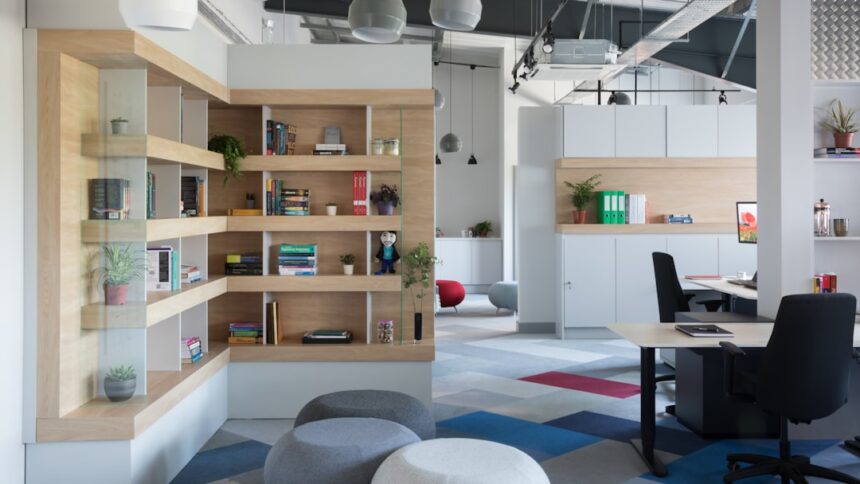
In today’s fast-paced world, the significance of a distraction-free workspace cannot be overstated. You may find that your productivity and creativity are often hindered by the chaos that surrounds you. A well-organized and serene environment allows you to focus on your tasks without the constant interruptions that can derail your concentration.
When you create a space that minimizes distractions, you not only enhance your ability to work efficiently but also improve your overall well-being. A distraction-free workspace fosters a sense of calm, enabling you to immerse yourself in your work and achieve your goals more effectively. Moreover, the psychological impact of your surroundings plays a crucial role in your performance.
When you are surrounded by clutter and noise, it can lead to increased stress levels and decreased motivation. By prioritizing a distraction-free environment, you are investing in your mental health and productivity. You may notice that when you eliminate distractions, you can think more clearly and make better decisions.
This clarity can lead to higher quality work and a greater sense of accomplishment, ultimately contributing to your professional growth and personal satisfaction.
Key Takeaways
- A distraction-free workspace is essential for maintaining focus and productivity.
- Choose a location with minimal noise and foot traffic for your workspace.
- Declutter and organize your workspace to minimize distractions and improve efficiency.
- Select ergonomic furniture to create a comfortable and distraction-free workspace.
- Incorporate natural elements such as plants to improve air quality and create a calming environment.
Choosing the Right Location for Your Workspace
Selecting the right location for your workspace is a foundational step in creating an environment conducive to focus and productivity. You might consider whether you prefer a quiet corner of your home, a dedicated office space, or even a local café. Each option has its advantages and disadvantages, and it’s essential to choose a location that aligns with your working style.
For instance, if you thrive in solitude, a home office away from distractions may be ideal. Conversely, if you draw energy from being around others, a bustling café might provide the right atmosphere for inspiration. Additionally, consider the accessibility of your chosen location.
You want to ensure that it is convenient for you to reach, as this will encourage you to spend more time there. Think about factors such as natural light, noise levels, and proximity to amenities. A workspace that is well-lit and quiet can significantly enhance your focus, while a location that is too noisy or dark may lead to frustration and decreased productivity.
By carefully evaluating these aspects, you can create a workspace that not only meets your needs but also inspires you to perform at your best.
Decluttering and Organizing Your Workspace

Once you have chosen the right location for your workspace, the next step is to declutter and organize it effectively. You may find that a cluttered environment can lead to a cluttered mind, making it difficult for you to concentrate on the tasks at hand. Start by removing any unnecessary items from your desk or workspace area.
This could include old papers, unused supplies, or anything that does not serve a purpose in your daily work routine. By simplifying your surroundings, you create a more inviting atmosphere that encourages focus. After decluttering, consider implementing an organizational system that works for you.
This could involve using storage solutions such as bins, shelves, or filing cabinets to keep essential items within reach while maintaining a clean appearance. You might also want to categorize items based on their frequency of use or importance. For example, keep frequently used tools close at hand while storing less essential items further away.
An organized workspace not only looks appealing but also allows you to find what you need quickly, minimizing interruptions and enhancing your overall efficiency.
Selecting the Right Furniture for a Distraction-Free Workspace
| Factors to Consider | Importance |
|---|---|
| Comfort | High |
| Size and Space | Medium |
| Functionality | High |
| Quality | High |
| Style and Aesthetics | Low |
The furniture you choose for your workspace plays a significant role in creating an environment that minimizes distractions. You should prioritize comfort and functionality when selecting pieces that will support your work habits. An ergonomic chair is essential for maintaining good posture during long hours of work, while a spacious desk allows you to spread out materials without feeling cramped.
Consider investing in adjustable furniture that can accommodate different working positions, such as standing desks or chairs with adjustable heights. In addition to comfort, the aesthetic appeal of your furniture can influence your mood and productivity levels. Choose pieces that resonate with your personal style while also promoting a sense of calm and focus.
Neutral colors or natural materials can create a soothing atmosphere, while clutter-free designs help maintain an organized look. By carefully selecting furniture that meets both functional and aesthetic needs, you can create a workspace that not only minimizes distractions but also inspires creativity and motivation.
Incorporating Natural Elements into Your Workspace Design
Integrating natural elements into your workspace design can significantly enhance your focus and overall well-being. You might consider adding plants or natural materials such as wood or stone to create a calming atmosphere. Studies have shown that incorporating greenery into your environment can reduce stress levels and improve cognitive function.
A few potted plants on your desk or hanging planters can bring life to your workspace while also purifying the air around you. Additionally, consider maximizing natural light in your workspace. Positioning your desk near a window allows sunlight to flood the area, which can boost your mood and energy levels throughout the day.
If natural light is limited, think about using warm-toned artificial lighting that mimics daylight. By creating an environment rich in natural elements, you not only enhance the aesthetic appeal of your workspace but also cultivate an atmosphere that promotes focus and productivity.
Utilizing Proper Lighting to Minimize Distractions

Proper lighting is crucial in creating a distraction-free workspace that supports your productivity. You may find that harsh fluorescent lights can lead to eye strain and fatigue, making it difficult for you to concentrate on tasks for extended periods.
Desk lamps with adjustable brightness settings can help you customize the lighting based on the time of day or the specific task at hand. In addition to choosing the right type of lighting, consider the placement of light sources in your workspace. Positioning lights strategically can help eliminate shadows and reduce glare on screens or surfaces where you work.
If possible, take advantage of natural light by arranging your desk near windows or using sheer curtains to diffuse sunlight gently. By prioritizing proper lighting in your workspace design, you can create an environment that minimizes distractions and enhances your ability to focus on important tasks.
Incorporating Soundproofing Elements into Your Workspace
Sound can be one of the most significant distractions in any workspace, making it essential to incorporate soundproofing elements into your design. You may find that background noise from conversations, traffic, or other sources can disrupt your concentration and hinder productivity. To combat this issue, consider using sound-absorbing materials such as carpets, curtains, or acoustic panels in your workspace.
These elements can help dampen noise levels and create a more peaceful environment. Additionally, think about incorporating white noise machines or soft background music into your workspace routine. These tools can mask distracting sounds and create a consistent auditory backdrop that helps you focus on your tasks.
Experiment with different soundscapes to find what works best for you—some individuals thrive in complete silence, while others may benefit from gentle instrumental music or nature sounds. By addressing sound distractions effectively, you can cultivate an environment that supports sustained concentration and productivity.
Implementing Technology to Minimize Distractions
In our increasingly digital world, technology can be both a blessing and a curse when it comes to maintaining focus in your workspace. While devices like computers and smartphones are essential for productivity, they can also be significant sources of distraction if not managed properly. To minimize these distractions, consider implementing tools and applications designed to help you stay focused on tasks at hand.
For instance, productivity apps can block distracting websites or limit notifications during designated work periods. Additionally, consider setting boundaries around technology use in your workspace. You might designate specific times for checking emails or social media rather than allowing these activities to interrupt your workflow continuously.
By establishing clear guidelines for technology use, you can harness its benefits while minimizing its potential distractions. This balance will enable you to maintain focus on important tasks without succumbing to the allure of constant digital interruptions.
Personalizing Your Workspace to Enhance Focus
Personalizing your workspace is an essential step in creating an environment that enhances focus and motivation. You may find that surrounding yourself with items that inspire you—such as artwork, photographs, or motivational quotes—can boost your mood and encourage creativity. Consider incorporating elements that reflect your personality and values while maintaining an organized appearance.
However, it’s crucial to strike a balance between personalization and potential distractions. While personal items can provide inspiration, too many decorations may lead to visual clutter that detracts from focus. Aim for a curated selection of meaningful items that uplift you without overwhelming the space.
By thoughtfully personalizing your workspace, you create an environment that feels uniquely yours while still promoting concentration and productivity.
Creating a Comfortable and Ergonomic Workspace
Comfort is paramount when it comes to maintaining focus in your workspace. You should prioritize ergonomic design principles when selecting furniture and arranging your setup to ensure that it supports healthy posture and reduces physical strain during long hours of work. An ergonomic chair with proper lumbar support is essential for maintaining comfort while sitting at your desk for extended periods.
In addition to choosing ergonomic furniture, pay attention to the arrangement of your workspace elements. Positioning your computer screen at eye level can help prevent neck strain while keeping frequently used items within arm’s reach minimizes unnecessary stretching or twisting movements. By creating a comfortable and ergonomic workspace tailored to your needs, you set yourself up for success by reducing physical discomfort that could otherwise distract from your work.
Establishing Boundaries and Routines to Maintain a Distraction-Free Workspace
Finally, establishing boundaries and routines is crucial for maintaining a distraction-free workspace over time. You may find it helpful to set specific working hours during which you commit to focusing solely on tasks without interruptions from personal matters or digital distractions. Communicate these boundaries with family members or colleagues so they understand when you are unavailable for casual conversations or interruptions.
In addition to setting boundaries around time management, consider developing routines that signal the start and end of your work periods. This could involve simple rituals such as making a cup of coffee before starting work or taking short breaks at regular intervals throughout the day. By creating consistent routines around your work habits, you reinforce the importance of maintaining focus within your designated workspace while also allowing yourself necessary breaks for rejuvenation.
In conclusion, creating a distraction-free workspace involves thoughtful consideration of various elements—from location selection and organization strategies to furniture choices and sound management techniques. By prioritizing comfort while incorporating personal touches into this environment tailored specifically for enhancing focus; you’ll cultivate an atmosphere conducive not only towards productivity but also overall well-being—ultimately leading towards greater success both personally & professionally!
Creating a distraction-free environment is essential for enhancing productivity and focus. One effective strategy is to design your workspace with minimal distractions, ensuring that only essential items are within reach. For more insights on creating such an environment, you can explore an article on Productive Patty’s website that delves into various techniques and tips for maintaining a clutter-free and focused workspace. Check out this related article for more detailed guidance on optimizing your environment for maximum productivity.
WATCH THIS! 🧟I Fixed My Dopamine! (My 48-Hour Phone Reset)
FAQs
What is a distraction-free environment?
A distraction-free environment is a space that is free from interruptions, noise, and other factors that can divert one’s attention from the task at hand. It is designed to promote focus, productivity, and creativity.
Why is it important to design a distraction-free environment?
Designing a distraction-free environment is important because it can help individuals to concentrate better, be more productive, and reduce stress. It can also lead to better decision-making and improved overall well-being.
What are some tips for designing a distraction-free environment?
Some tips for designing a distraction-free environment include minimizing clutter, reducing noise, creating designated work areas, using calming colors, incorporating natural light, and implementing time management techniques.
How can technology be managed in a distraction-free environment?
Technology can be managed in a distraction-free environment by setting boundaries for its use, turning off notifications, using productivity tools, and creating designated tech-free zones.
What are the benefits of a distraction-free environment?
The benefits of a distraction-free environment include improved focus, increased productivity, reduced stress, enhanced creativity, better decision-making, and overall improved well-being.