Procrastination is a common struggle that many people face, often leading to feelings of guilt and frustration. You may find yourself putting off tasks, whether they are small daily chores or significant projects, despite knowing that completing them would bring you relief and satisfaction. This tendency to delay can stem from various factors, including fear of failure, perfectionism, or simply feeling overwhelmed by the task at hand.
Understanding the root causes of your procrastination is the first step toward overcoming it. By recognizing the triggers that lead you to postpone your responsibilities, you can begin to address them more effectively. Moreover, procrastination can be a reflection of deeper emotional states.
You might notice that when you are stressed or anxious, the urge to procrastinate becomes stronger. This behavior can create a vicious cycle: the more you delay, the more stress you feel, which in turn leads to further procrastination. It’s essential to acknowledge that procrastination is not merely a matter of poor time management; it often involves complex emotional and psychological factors.
By taking the time to understand your own patterns of procrastination, you can develop strategies to combat it and foster a more productive mindset.
Key Takeaways
- Procrastination is the act of delaying or postponing tasks, often due to fear, anxiety, or a lack of motivation.
- The Stoic philosophy encourages individuals to acknowledge their procrastination tendencies and take action to overcome them through self-discipline and rational thinking.
- Embracing the present moment involves focusing on the task at hand and finding contentment in the present rather than dwelling on the past or worrying about the future.
- Setting realistic goals helps to combat procrastination by breaking down tasks into manageable steps and creating a sense of accomplishment.
- Cultivating discipline and self-control through consistent practice and mindfulness can help individuals overcome procrastination and achieve their goals.
The Stoic Philosophy on Procrastination
The Stoic philosophy offers valuable insights into the nature of procrastination and how to overcome it. Stoicism teaches that you have control over your thoughts and actions, even in the face of external challenges. When you find yourself procrastinating, it can be helpful to reflect on the Stoic principle of focusing on what is within your control.
You may realize that while you cannot control every circumstance, you can control your response to those circumstances. This perspective empowers you to take action rather than succumb to inertia. Additionally, Stoicism emphasizes the importance of living in accordance with your values and principles.
When you procrastinate, you may be straying from your true intentions and goals. By aligning your actions with your core values, you can cultivate a sense of purpose that motivates you to act. The Stoics believed in the practice of daily reflection, which can help you assess whether your actions are in harmony with your values.
By regularly evaluating your progress and intentions, you can reduce the tendency to procrastinate and instead focus on meaningful action.
Embracing the Present Moment
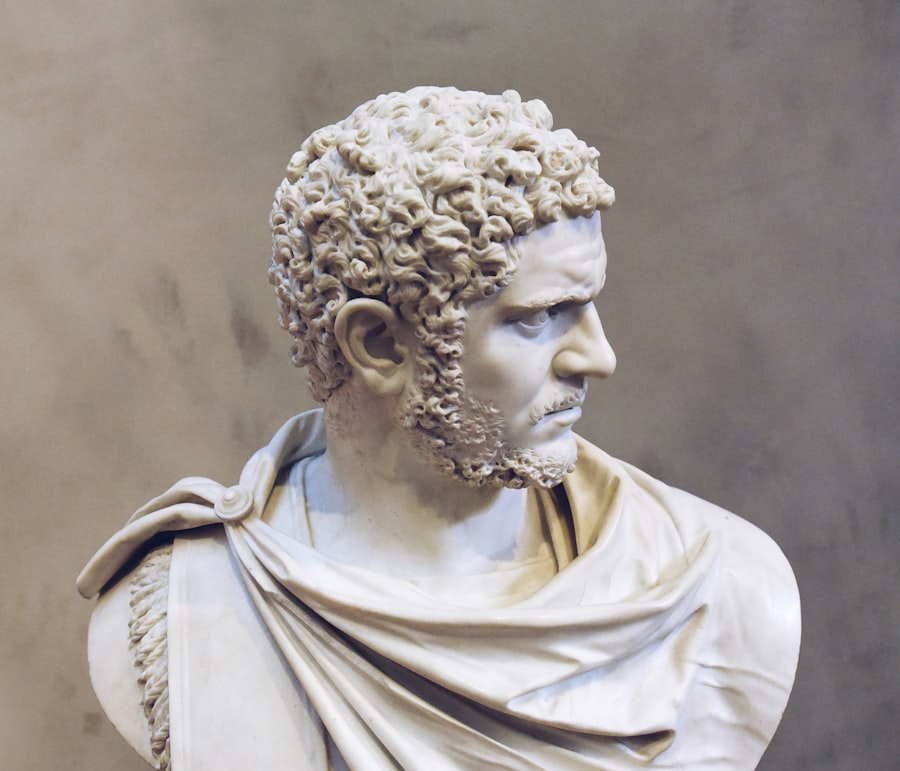
Embracing the present moment is a powerful antidote to procrastination. Often, you may find yourself caught up in worries about the future or regrets about the past, which can lead to avoidance behaviors. By practicing mindfulness and bringing your attention back to the here and now, you can break free from this cycle of distraction.
Mindfulness encourages you to fully engage with the task at hand, allowing you to experience a sense of flow and accomplishment as you work. To cultivate this present-moment awareness, consider incorporating mindfulness practices into your daily routine. Simple techniques such as deep breathing or meditation can help ground you in the present and reduce feelings of anxiety that contribute to procrastination.
When you focus on the task before you rather than getting lost in thoughts about what lies ahead or what has already transpired, you may find that your motivation increases and your productivity improves.
Setting Realistic Goals
| Metrics | Targets |
|---|---|
| Number of goals set | 10 |
| Percentage of achieved goals | 80% |
| Timeframe for goals | 3 months |
| Feedback received on goals | Positive |
Setting realistic goals is crucial in combating procrastination effectively. When your goals are too ambitious or vague, it can be easy to feel overwhelmed and unsure of where to start. You might find yourself hesitating to take action because the task seems insurmountable.
To counter this, break down larger projects into smaller, manageable steps. By creating specific, achievable goals, you can build momentum and gradually work toward completing more significant tasks. Moreover, it’s essential to ensure that your goals align with your values and priorities.
When you set goals that resonate with what truly matters to you, you are more likely to feel motivated and committed to achieving them. Take some time to reflect on what is genuinely important in your life and how your goals can support those values. By establishing clear and meaningful objectives, you can create a roadmap that guides your actions and helps you overcome procrastination.
Cultivating Discipline and Self-Control
Discipline and self-control are vital skills in overcoming procrastination. You may find that developing these qualities requires consistent effort and practice. One effective way to cultivate discipline is by establishing routines that promote productivity.
By creating a structured daily schedule that includes dedicated time for work and breaks, you can train yourself to stay focused and resist distractions. Additionally, consider implementing techniques such as the Pomodoro Technique, which involves working for a set period followed by short breaks. This method not only enhances concentration but also helps prevent burnout by allowing for regular rest intervals.
As you practice self-control in managing your time and energy, you’ll likely notice an increase in your ability to tackle tasks without succumbing to procrastination.
Overcoming Fear and Anxiety

Fear and anxiety often play significant roles in procrastination. You may find yourself avoiding tasks because of a fear of failure or a concern about not meeting expectations. Recognizing these fears is essential for overcoming them.
Instead of allowing fear to paralyze you, try reframing your mindset around failure as an opportunity for growth and learning. Embrace the idea that making mistakes is a natural part of any journey toward success. To combat anxiety related to specific tasks, consider using visualization techniques.
Picture yourself successfully completing the task at hand and experiencing the positive emotions associated with accomplishment. This mental rehearsal can help reduce anxiety and increase your confidence in tackling challenges head-on. By addressing your fears directly and reframing your perspective on failure, you can diminish their power over your actions.
Practicing Mindfulness and Gratitude
Practicing mindfulness and gratitude can significantly enhance your ability to overcome procrastination. Mindfulness encourages you to stay present and engaged with your tasks while reducing distractions from negative thoughts or worries about the future. By incorporating mindfulness exercises into your daily routine—such as meditation or mindful breathing—you can cultivate a greater sense of awareness and focus.
Gratitude also plays a crucial role in fostering a positive mindset that combats procrastination. When you take time each day to reflect on what you are grateful for, it shifts your perspective from one of scarcity or overwhelm to one of abundance and appreciation. This shift can motivate you to take action rather than retreat into avoidance behaviors.
Consider keeping a gratitude journal where you jot down things you’re thankful for each day; this practice can help reinforce a positive outlook that encourages productivity.
Prioritizing and Planning
Effective prioritization and planning are essential tools for overcoming procrastination. You may find it helpful to create a daily or weekly plan that outlines your tasks based on their urgency and importance. By identifying which tasks require immediate attention versus those that can wait, you can allocate your time more effectively and reduce feelings of overwhelm.
In addition to prioritizing tasks, consider using tools such as calendars or task management apps to keep track of deadlines and commitments. Visualizing your workload can help clarify what needs to be done and when, making it easier for you to stay organized and focused. As you develop a habit of planning ahead, you’ll likely find that procrastination becomes less of an issue as you gain clarity on your responsibilities.
Embracing Imperfection and Failure
Embracing imperfection and failure is crucial in overcoming procrastination’s grip on your life. You may have internalized beliefs that everything must be perfect before taking action, leading to paralysis by analysis. Recognizing that perfection is unattainable allows you to let go of unrealistic expectations and approach tasks with a more open mindset.
When faced with setbacks or mistakes, remind yourself that these experiences are opportunities for growth rather than reasons for self-criticism. By reframing failure as a stepping stone toward success, you’ll cultivate resilience and motivation to keep moving forward despite challenges. Embracing imperfection fosters a sense of freedom that encourages action rather than avoidance.
Seeking Support and Accountability
Seeking support from others can be an effective strategy for overcoming procrastination. You may find it helpful to share your goals with friends or family members who can provide encouragement and hold you accountable for your progress. Having someone check in on your commitments can create a sense of responsibility that motivates you to take action.
Additionally, consider joining groups or communities focused on personal development or productivity. Engaging with like-minded individuals who share similar goals can provide inspiration and support as you work toward overcoming procrastination together. The power of collective motivation can be a significant driving force in helping you stay committed to your objectives.
Implementing Stoic Practices in Daily Life
Implementing Stoic practices into your daily life can provide valuable tools for combating procrastination effectively. Start by incorporating daily reflections into your routine—set aside time each day to assess your actions, thoughts, and progress toward your goals. This practice encourages self-awareness and helps reinforce alignment between your actions and values.
Additionally, consider adopting Stoic exercises such as negative visualization—imagining potential obstacles or setbacks—so that when challenges arise, you’re better prepared to face them without succumbing to procrastination. By integrating these Stoic principles into your life, you’ll cultivate resilience, focus, and a proactive mindset that empowers you to take action rather than delay. In conclusion, overcoming procrastination requires a multifaceted approach that combines self-awareness, discipline, mindfulness, and support from others.
By understanding the underlying causes of your procrastination and implementing strategies rooted in Stoic philosophy, you can cultivate a more productive mindset that empowers you to embrace action rather than avoidance.
If you’re struggling with procrastination and looking for effective strategies to overcome it, you might find the principles of stoicism particularly helpful. Stoicism teaches us to focus on what we can control and to take action despite our fears and uncertainties. For more insights on how to apply these principles to boost your productivity, check out this article on Productive Patty. It offers practical tips that can help you harness the power of stoicism to combat procrastination and enhance your overall efficiency.
WATCH THIS! The Smart Kid Trap: Why You’re Too Smart To Be Successful
FAQs
What is stoicism?
Stoicism is a school of philosophy that originated in ancient Greece, and it emphasizes the development of self-control and fortitude as a means of overcoming destructive emotions and behaviors.
How can stoicism help with procrastination?
Stoicism can help with procrastination by teaching individuals to focus on what is within their control, to accept the present moment, and to develop a mindset of resilience and discipline.
What are some stoic principles that can be applied to overcome procrastination?
Some stoic principles that can be applied to overcome procrastination include focusing on the present moment, practicing self-discipline, and cultivating a mindset of acceptance and resilience.
Are there specific stoic practices that can help with procrastination?
Yes, specific stoic practices that can help with procrastination include negative visualization, where individuals imagine the potential negative consequences of their procrastination, and premeditatio malorum, where individuals mentally prepare for potential obstacles and challenges.
Can stoicism be combined with other strategies to overcome procrastination?
Yes, stoicism can be combined with other strategies such as goal setting, time management techniques, and cognitive behavioral therapy to effectively overcome procrastination.