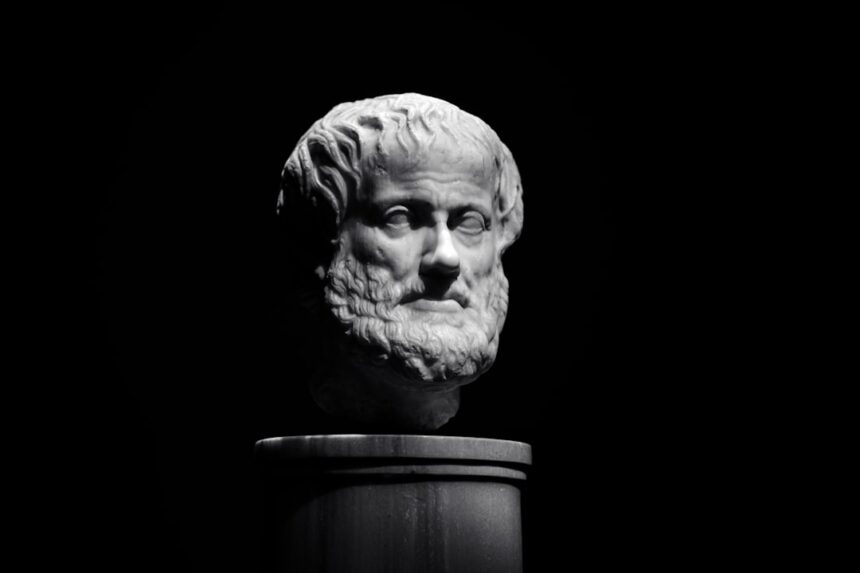
Stoic philosophy, originating in ancient Greece, offers profound insights into the human experience and the nature of existence. As you delve into this philosophical tradition, you will discover that it emphasizes the importance of rational thought, self-control, and virtue. The Stoics believed that by focusing on what is within your control and accepting what is not, you can achieve a state of tranquility and resilience.
This mindset is particularly relevant in today’s fast-paced world, where distractions and challenges abound. By embracing Stoicism, you can cultivate a more productive and fulfilling life. The teachings of prominent Stoic philosophers such as Seneca, Epictetus, and Marcus Aurelius provide timeless wisdom that remains applicable in modern contexts.
Their writings encourage you to reflect on your thoughts and actions, guiding you toward a life of purpose and integrity. As you explore the principles of Stoicism, you will find that they offer practical tools for navigating the complexities of daily life, enhancing your productivity, and fostering a sense of inner peace.
Key Takeaways
- Stoic philosophy emphasizes the importance of focusing on what is within our control and letting go of what is not.
- Applying Stoic principles to productivity involves prioritizing tasks, maintaining a calm and focused mindset, and accepting outcomes with equanimity.
- Cultivating resilience and adaptability through Stoicism involves embracing challenges as opportunities for growth and learning.
- Embracing the virtue of self-discipline means exercising control over our thoughts, emotions, and actions to achieve our goals.
- Managing emotions and distractions with Stoic wisdom involves practicing mindfulness, staying present, and maintaining a sense of gratitude for the present moment.
Understanding the Principles of Stoicism
At the core of Stoic philosophy lies the understanding that virtue is the highest good. This means that living a virtuous life—characterized by wisdom, courage, justice, and temperance—is essential for achieving true happiness. As you internalize this principle, you will begin to recognize that external circumstances do not dictate your well-being; rather, it is your responses to those circumstances that shape your experience.
By focusing on cultivating virtue, you can navigate life’s challenges with grace and composure. Another fundamental tenet of Stoicism is the dichotomy of control. This principle teaches you to distinguish between what you can control—your thoughts, actions, and reactions—and what you cannot control—external events and the actions of others.
By concentrating your efforts on what lies within your power, you can reduce anxiety and frustration. This shift in perspective allows you to approach challenges with a sense of agency and purpose, ultimately leading to greater productivity and fulfillment.
Applying Stoic Philosophy to Productivity

Integrating Stoic philosophy into your daily routine can significantly enhance your productivity. One effective way to do this is by adopting a proactive mindset. Instead of waiting for opportunities to arise or allowing external factors to dictate your actions, take charge of your day by setting clear intentions and priorities.
By doing so, you align your efforts with your values and goals, creating a sense of direction that propels you forward. Additionally, Stoicism encourages you to embrace challenges as opportunities for growth.
This shift in mindset not only boosts your productivity but also fosters a sense of accomplishment as you overcome hurdles. By reframing challenges in this way, you cultivate a proactive approach that empowers you to take control of your circumstances.
Cultivating a Mindset of Resilience and Adaptability
| Metrics | 2019 | 2020 | 2021 |
|---|---|---|---|
| Employee Turnover Rate | 12% | 10% | 8% |
| Number of Training Hours | 500 | 600 | 700 |
| Percentage of Remote Work | 20% | 50% | 80% |
Resilience is a cornerstone of Stoic philosophy, and cultivating this quality can profoundly impact your ability to navigate life’s ups and downs. As you encounter setbacks or unexpected changes, remind yourself that these experiences are part of the human condition. Embrace the idea that adversity can lead to personal growth and strength.
By adopting this perspective, you will find it easier to bounce back from difficulties and maintain your focus on your goals. Adaptability is closely linked to resilience. In a world that is constantly changing, being able to adjust your plans and expectations is crucial for success.
Stoicism teaches you to remain flexible in the face of uncertainty. Instead of clinging rigidly to your original plans, practice the art of letting go and adjusting your course as needed. This adaptability not only enhances your productivity but also allows you to approach challenges with a sense of curiosity and openness.
Embracing the Virtue of Self-Discipline
Self-discipline is another vital aspect of Stoic philosophy that can significantly enhance your productivity. The ability to control your impulses and stay focused on your long-term goals is essential for achieving success in any endeavor. By practicing self-discipline, you cultivate the strength to resist distractions and temptations that may derail your progress.
This commitment to your values and objectives empowers you to make choices that align with your aspirations. To develop self-discipline, start by establishing clear boundaries for yourself. Create a structured routine that prioritizes your most important tasks while minimizing distractions.
This may involve setting specific times for work, limiting social media usage, or creating a dedicated workspace free from interruptions. By consciously designing your environment and habits, you reinforce your commitment to self-discipline and create an atmosphere conducive to productivity.
Managing Emotions and Distractions

Incorporating Stoic principles into your life also involves learning how to manage emotions effectively. The Stoics believed that emotions should be acknowledged but not allowed to dictate your actions. When faced with strong feelings such as anger or anxiety, take a step back and assess the situation rationally.
Ask yourself whether these emotions are based on facts or assumptions. By practicing this level of emotional awareness, you can respond thoughtfully rather than react impulsively. Distractions are another significant barrier to productivity that can be addressed through Stoic practices.
In our hyper-connected world, it’s easy to become overwhelmed by notifications, social media updates, and other interruptions. To combat this, create designated times for checking emails or engaging with social media rather than allowing them to intrude on your focus throughout the day. By setting boundaries around distractions, you can cultivate a more focused mindset that aligns with Stoic principles.
Setting Realistic Goals and Expectations
Setting realistic goals is essential for maintaining motivation and productivity over time. Stoicism encourages you to approach goal-setting with a sense of pragmatism. Rather than aiming for perfection or unattainable ideals, focus on setting achievable objectives that align with your values and capabilities.
This approach not only reduces feelings of overwhelm but also fosters a sense of accomplishment as you make steady progress toward your goals. As you set these goals, remember to remain flexible in your expectations. Life is unpredictable, and circumstances may change unexpectedly.
By adopting a mindset that embraces adaptability, you can adjust your goals as needed without losing sight of your overall vision. This balance between ambition and realism allows you to pursue growth while maintaining a sense of peace amidst uncertainty.
Practicing Mindfulness and Gratitude
Mindfulness is an essential practice within Stoic philosophy that can enhance both productivity and overall well-being. By cultivating mindfulness, you learn to be present in each moment rather than getting lost in worries about the future or regrets about the past. This heightened awareness allows you to engage fully with your tasks, leading to greater focus and efficiency.
In addition to mindfulness, practicing gratitude is another powerful tool for enhancing productivity through Stoicism. Take time each day to reflect on what you are thankful for—whether it’s supportive relationships, opportunities for growth, or simply the beauty of nature around you. This practice shifts your focus from what is lacking in your life to what is abundant, fostering a positive mindset that fuels motivation and resilience.
Finding Purpose and Meaning in Work
A key aspect of Stoic philosophy is the pursuit of purpose and meaning in all aspects of life, including work. When you align your professional endeavors with your values and passions, work becomes more than just a means to an end; it transforms into a source of fulfillment and joy. Take time to reflect on what truly matters to you in your career—what impact do you want to make?
What legacy do you wish to leave behind? By identifying this sense of purpose, you can approach work with renewed energy and commitment. Even mundane tasks can take on new significance when viewed through the lens of purpose.
As you engage in work that resonates with your values, you will find it easier to stay motivated and productive, even in the face of challenges.
Overcoming Obstacles and Challenges with Stoic Wisdom
Life is filled with obstacles that can hinder progress toward your goals. However, Stoic philosophy teaches that these challenges are not insurmountable; rather, they are opportunities for growth and learning. When faced with difficulties, remind yourself that every setback carries valuable lessons that can inform future actions.
To overcome obstacles effectively, practice reframing challenges as opportunities for development. Instead of viewing failures as personal shortcomings, see them as stepping stones toward success. This shift in perspective allows you to approach challenges with curiosity rather than fear, empowering you to take proactive steps toward resolution.
Integrating Stoic Philosophy into Daily Life for Enhanced Productivity
Incorporating Stoic philosophy into your daily life can lead to profound transformations in both productivity and overall well-being. By embracing principles such as self-discipline, resilience, mindfulness, and purpose-driven work, you create a framework for navigating life’s complexities with grace and intention. As you cultivate these qualities within yourself, you’ll find that challenges become less daunting and opportunities for growth become more apparent.
Ultimately, Stoicism offers timeless wisdom that encourages you to take charge of your thoughts and actions while remaining grounded in virtue. By integrating these teachings into your daily routine, you empower yourself to lead a more productive life filled with meaning and fulfillment. Embrace the journey ahead with an open heart and mind; the principles of Stoicism will guide you toward greater clarity and purpose in all aspects of life.
For those interested in enhancing their productivity through the lens of stoic philosophy, a great resource is the article available on Productive Patty. This article delves into how stoic principles can be applied to daily tasks and decision-making, helping individuals cultivate resilience and focus. You can read more about it by visiting Productive Patty.
WATCH THIS! The Smart Kid Trap: Why You’re Too Smart To Be Successful
FAQs
What is Stoic philosophy?
Stoic philosophy is an ancient Greek philosophy that emphasizes the development of self-control and fortitude as a means of overcoming destructive emotions and achieving a state of inner peace and tranquility.
How can Stoic philosophy improve productivity?
Stoic philosophy can improve productivity by teaching individuals to focus on what is within their control, to accept the things they cannot change, and to approach challenges with a rational and disciplined mindset.
What are some key principles of Stoic philosophy for productivity?
Key principles of Stoic philosophy for productivity include focusing on the present moment, practicing self-discipline, cultivating resilience in the face of adversity, and maintaining a sense of perspective and gratitude.
How can Stoic philosophy be applied to daily life for increased productivity?
Stoic philosophy can be applied to daily life for increased productivity by incorporating practices such as journaling, mindfulness meditation, and the regular reflection on Stoic principles to develop a more focused and disciplined approach to work and life.
Are there any modern applications of Stoic philosophy for productivity?
Yes, there are modern applications of Stoic philosophy for productivity, including the development of Stoic-inspired productivity tools, apps, and coaching programs that help individuals apply Stoic principles to their daily routines and work habits.