When you embark on the journey of analog capture, you are stepping into a world that celebrates the art of photography in its most traditional form. Unlike digital photography, which relies on sensors and pixels, analog capture utilizes film to create images. This process involves a chemical reaction that occurs when light hits the film, resulting in a tangible photograph that possesses a unique character and depth.
You may find that the tactile nature of film, from loading the roll to developing the images, adds a layer of intimacy to your photographic experience. Analog capture is not just about the mechanics; it’s also about understanding the nuances of light, exposure, and composition. Each shot you take is a deliberate act, requiring you to consider every element in your frame.
This mindful approach can lead to more meaningful images, as you learn to appreciate the beauty in imperfection and the serendipity that often accompanies film photography.
Key Takeaways
- Understanding the basics of analog capture is essential for mastering the art of film photography.
- Choosing the right equipment, such as a high-quality film camera and lenses, is crucial for achieving sharp and focused images.
- Setting up your camera properly, including adjusting the ISO and white balance, is key to capturing clear and focused analog images.
- Mastering manual focus techniques is important for achieving precise focus and sharpness in analog photography.
- Using depth of field effectively can enhance focus and create visually appealing analog images.
Choosing the Right Equipment for Analog Capture
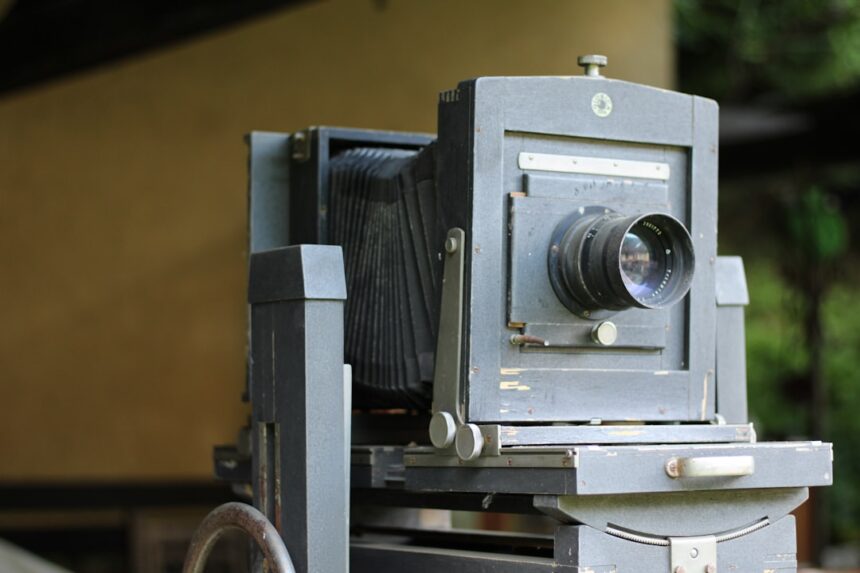
Selecting the right equipment for analog capture is crucial to your success as a photographer. You’ll want to start with a camera that suits your style and needs. There are various types of analog cameras available, from compact point-and-shoots to more complex SLRs and medium format cameras.
Each type offers different advantages, so consider what you hope to achieve with your photography. If you prefer spontaneity and ease of use, a simple point-and-shoot might be ideal. However, if you’re looking for more control over your images, an SLR or medium format camera could be the better choice.
In addition to the camera body, you’ll need to invest in quality lenses that complement your shooting style. Lenses come in various focal lengths and apertures, each affecting how your images will turn out. A prime lens with a wide aperture can create beautiful bokeh effects, while a zoom lens offers versatility for different shooting scenarios.
Don’t forget about accessories such as tripods, filters, and light meters, which can enhance your shooting experience and help you achieve the results you desire.
Setting Up Your Camera for Analog Capture
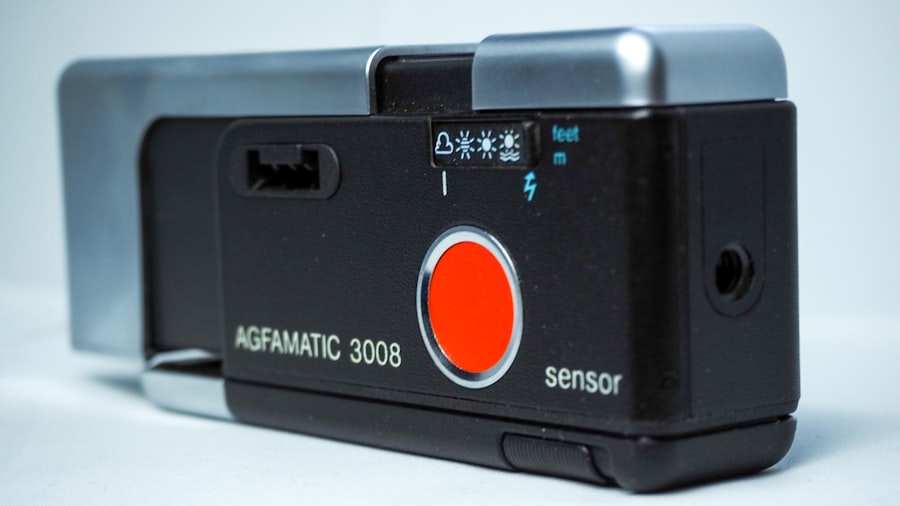
Once you have chosen your equipment, it’s time to set up your camera for analog capture. Familiarize yourself with the camera’s settings and features, as each model may have its own quirks. Start by loading your film correctly; this process can vary depending on the camera type.
Ensure that you advance the film properly after each shot to avoid double exposures or blank frames. Understanding how to operate your camera will give you confidence as you begin capturing images. Next, consider your shooting environment and how it affects your settings.
Pay attention to the available light and adjust your ISO accordingly based on the film you are using. If you’re shooting in low light conditions, you may need to open up your aperture or slow down your shutter speed to allow more light onto the film. Take some time to practice adjusting these settings until they become second nature.
The more comfortable you are with your camera’s mechanics, the more creative freedom you will have when capturing images.
Mastering Manual Focus Techniques
| Technique | Definition | Importance |
|---|---|---|
| Focus Peaking | Aid for manual focusing by highlighting in-focus areas | Helps to achieve precise focus |
| Split Image Focusing | Divides the image into two halves for focusing | Useful for achieving accurate focus on specific subjects |
| Zone Focusing | Pre-setting focus to a specific distance range | Allows for quick and accurate focusing in fast-paced situations |
In the realm of analog capture, mastering manual focus techniques is essential for achieving sharp images. Unlike digital cameras that often come equipped with autofocus systems, many analog cameras require you to focus manually. This may seem daunting at first, but it can also be incredibly rewarding.
You’ll develop a deeper connection with your subject as you take the time to compose your shot and ensure that everything is perfectly in focus. To improve your manual focusing skills, practice using the camera’s viewfinder or focusing screen. Look for contrast in your subject; focusing on edges or details can help you achieve greater accuracy.
Additionally, consider using a depth-of-field scale if your lens has one; this can guide you in determining how much of your scene will be in focus based on your aperture setting. With practice, you’ll find that manual focusing becomes an intuitive part of your shooting process.
Using Depth of Field to Enhance Focus
Depth of field is a powerful tool in analog capture that allows you to control which parts of your image are in focus and which are blurred. By manipulating depth of field, you can draw attention to specific elements within your composition while creating a pleasing background blur. This technique is particularly effective in portrait photography, where isolating your subject can create a more intimate connection with viewers.
To achieve the desired depth of field, experiment with different aperture settings on your lens. A wide aperture (e.g., f/1.8 or f/2.8) will yield a shallow depth of field, resulting in a beautifully blurred background. Conversely, a narrow aperture (e.
, f/11 or f/16) will increase depth of field, bringing more elements into focus.
Understanding how depth of field interacts with focal length and distance from your subject will empower you to make creative decisions that enhance your images.
Understanding the Role of Shutter Speed in Analog Capture
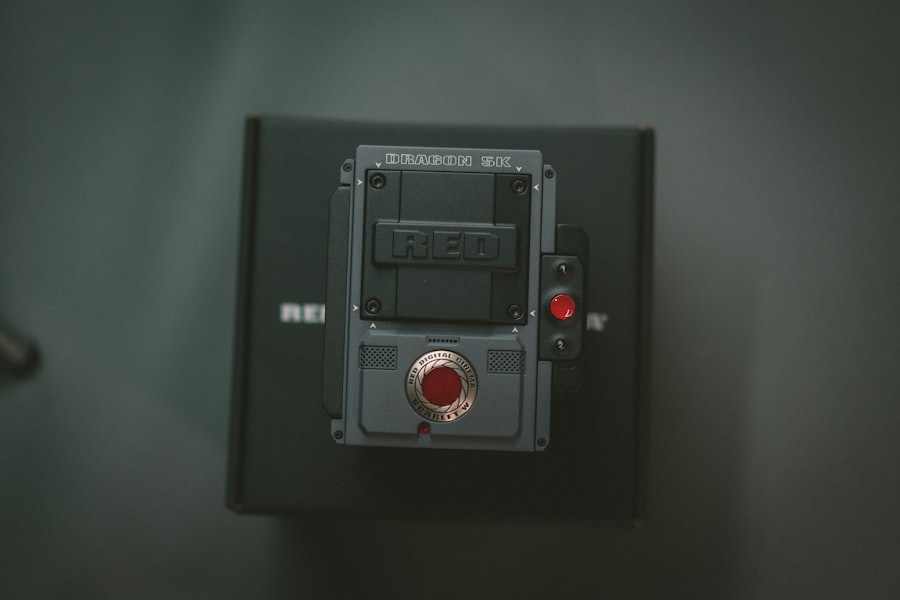
Shutter speed plays a critical role in analog capture by determining how long light is allowed to hit the film. This setting directly affects exposure and motion blur in your images. A fast shutter speed (e.g., 1/1000 sec) freezes action, making it ideal for capturing fast-moving subjects like athletes or wildlife.
On the other hand, a slow shutter speed (e.g., 1/30 sec) can create motion blur, which can be used creatively to convey movement or add a sense of dynamism to your photographs. As you experiment with shutter speed, consider how it interacts with other settings like aperture and ISO. The exposure triangle—comprising shutter speed, aperture, and ISO—works together to create well-exposed images.
If you increase your shutter speed to freeze motion, you may need to open up your aperture or increase your ISO to maintain proper exposure. Understanding this relationship will allow you to make informed decisions when capturing images in various lighting conditions.
Utilizing Aperture for Precise Focus
Aperture is another vital component of analog capture that influences both exposure and focus. By adjusting the aperture setting on your lens, you control how much light enters the camera while also affecting depth of field. A wider aperture allows more light in but results in a shallower depth of field, while a narrower aperture lets in less light but increases depth of field.
When aiming for precise focus in your images, consider using a mid-range aperture (e.g., f/5.6 or f/8) for optimal sharpness across most lenses. This setting often provides a good balance between depth of field and sharpness while minimizing lens aberrations that can occur at extreme apertures. Experimenting with different apertures will help you understand how they affect both exposure and focus, allowing you to make informed choices based on your creative vision.
Tips for Achieving Sharpness in Analog Capture
Achieving sharpness in analog capture requires attention to detail and an understanding of various factors that contribute to image clarity. One key aspect is ensuring that your camera is stable during exposure; using a tripod can significantly reduce camera shake and improve sharpness, especially in low-light situations or when using slow shutter speeds. If a tripod isn’t available, try stabilizing yourself against a solid surface or using other techniques like bracing your arms against your body.
Another important factor is focusing accurately on your subject. Take your time when manually focusing; don’t rush through this process as it can make all the difference between a sharp image and one that’s slightly out of focus. Additionally, consider using a cable release or self-timer function to minimize vibrations caused by pressing the shutter button.
By incorporating these techniques into your workflow, you’ll be well on your way to capturing sharp and compelling analog images.
Overcoming Challenges in Analog Capture
While analog capture offers many rewards, it also presents unique challenges that can test your skills as a photographer. One common issue is dealing with limited exposures on a roll of film; this constraint forces you to be more selective about what you shoot and encourages thoughtful composition. Embrace this limitation as an opportunity to refine your vision rather than viewing it as a hindrance.
Another challenge is managing exposure accurately without the instant feedback provided by digital cameras. You’ll need to rely on your knowledge of metering and exposure settings to ensure well-exposed images. Consider using an external light meter if your camera doesn’t have one built-in; this tool can help you gauge light levels accurately before taking a shot.
Remember that mistakes are part of the learning process; each misstep offers valuable lessons that will ultimately enhance your skills as an analog photographer.
Post-Processing Techniques for Enhancing Focus in Analog Images
Post-processing plays an essential role in enhancing focus and overall image quality in analog photography. While film captures images differently than digital sensors, there are still various techniques you can employ during development and scanning to improve sharpness and clarity. If you’re developing black-and-white film at home, pay attention to developing times and temperatures; slight variations can impact contrast and detail retention.
Once you’ve scanned or printed your images, consider using software tools for further enhancement. Adjusting contrast levels can help bring out details that may have been lost during scanning or printing processes. Additionally, sharpening tools can be applied selectively to enhance focus without introducing unwanted artifacts into the image.
By combining traditional techniques with modern post-processing methods, you’ll be able to elevate your analog images even further.
Mastering Analog Capture: Practice and Patience
Ultimately, mastering analog capture requires practice and patience. The learning curve may feel steep at times, but each roll of film presents an opportunity for growth and discovery. Embrace the process; take time to experiment with different techniques and styles without fear of failure.
The beauty of analog photography lies not only in the final image but also in the journey taken to create it. As you continue honing your skills, remember that every photographer has their unique voice and perspective. Allow yourself the freedom to explore various subjects and compositions while developing your style over time.
With dedication and perseverance, you’ll find joy in capturing moments through analog photography—creating images that resonate with both yourself and those who view them.
For those interested in enhancing their focus through analog capture techniques, a great resource is available in the article on Productive Patty. This article delves into various methods of using analog tools to improve concentration and productivity. You can read more about it by visiting this link.
WATCH THIS! Dopamine Is The Productivity SCAM You Fell For (The Ultimate Focus Reset)
FAQs
What is analog capture for focus?
Analog capture for focus is a method of using analog technology to capture and adjust the focus of an image or video.
How does analog capture for focus work?
Analog capture for focus typically involves using manual controls to adjust the focus of a camera or other imaging device. This may include adjusting the lens or using other analog methods to fine-tune the focus of the image.
What are the benefits of using analog capture for focus?
Analog capture for focus can provide a more hands-on and tactile approach to adjusting focus, allowing for precise control and adjustments. It can also be useful in situations where digital focus adjustments may not be available or practical.
What equipment is needed for analog capture for focus?
To use analog capture for focus, you will typically need a camera or imaging device with manual focus controls, such as a manual focus lens or other analog focus adjustment mechanisms.
Are there any limitations to using analog capture for focus?
Analog capture for focus may require more time and effort to achieve precise focus compared to digital methods. Additionally, it may not be suitable for all types of imaging devices or situations.