
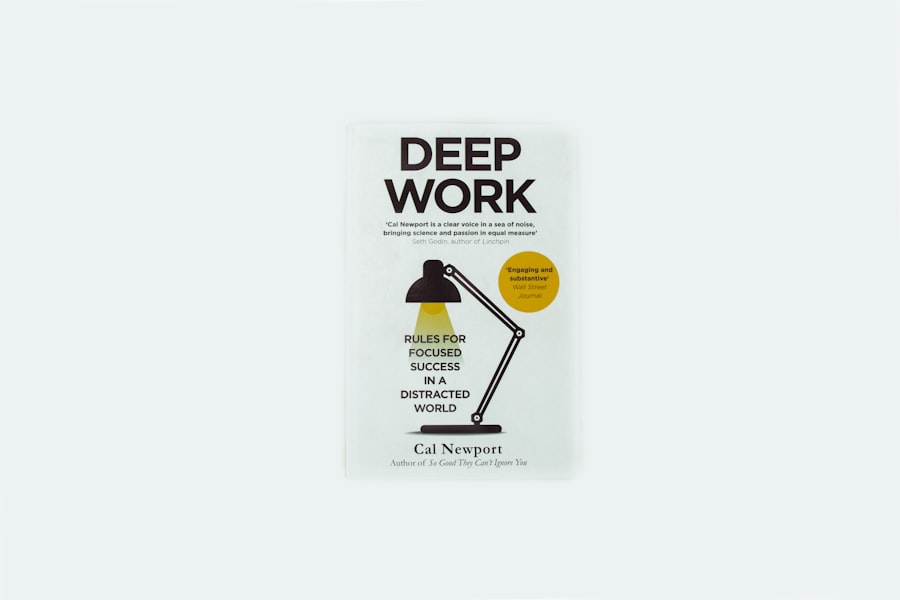
Deep work is a concept that emphasizes the importance of focused, uninterrupted work sessions that allow you to produce high-quality results. In a world filled with distractions, mastering the art of deep work can significantly enhance your productivity and creativity. You may find that deep work enables you to tackle complex problems, generate innovative ideas, and ultimately achieve your goals more efficiently.
By dedicating time to deep work, you cultivate a skill set that not only improves your performance but also enriches your professional life. To truly grasp the essence of deep work, you must recognize its contrast with shallow work. Shallow work consists of tasks that are often performed while distracted and do not require significant cognitive effort.
These tasks can include answering emails, attending unproductive meetings, or scrolling through social media. While shallow work has its place, it is the deep work that propels you forward in your career and personal development. By understanding the value of deep work, you can begin to prioritize it in your daily routine, leading to greater satisfaction and accomplishment.
Key Takeaways
- Deep work requires intense focus and concentration on cognitively demanding tasks.
- Setting time fences helps to create dedicated periods for deep work and prevents distractions.
- Identifying your most productive hours allows you to schedule deep work during times of peak mental energy.
- Creating a distraction-free environment is essential for deep work to minimize interruptions and maintain focus.
- Setting boundaries with technology, such as turning off notifications, can help eliminate distractions during deep work sessions.
The Importance of Setting Time Fences
Setting time fences is crucial for creating boundaries around your deep work sessions. These time fences act as protective barriers that help you allocate specific periods for focused work, ensuring that you remain committed to your goals. By establishing these boundaries, you can minimize interruptions and distractions, allowing you to immerse yourself fully in your tasks.
You may find that having designated time slots for deep work not only enhances your productivity but also fosters a sense of discipline and accountability. When you set time fences, you create a structured environment that encourages concentration. This structure can help you resist the temptation to engage in shallow work or succumb to distractions.
By clearly defining when you will engage in deep work, you signal to yourself and others that this time is sacred and should be respected. As a result, you may discover that your ability to focus improves significantly, leading to higher-quality output and a greater sense of achievement.
Identifying Your Most Productive Hours
To maximize the effectiveness of your deep work sessions, it is essential to identify your most productive hours. Everyone has different times of day when they feel most alert and focused. For some, this may be early in the morning when the world is still quiet, while others may find their peak productivity in the afternoon or evening.
By paying attention to your natural rhythms, you can schedule your deep work sessions during these optimal times. Once you have identified your most productive hours, it’s important to honor them. This means prioritizing deep work during these times and minimizing other commitments that could interfere with your focus.
You might consider keeping a journal or log for a week to track when you feel most energized and engaged in your tasks. This self-awareness will empower you to make informed decisions about how to structure your day, ultimately leading to more effective and fulfilling work sessions.
Creating a Distraction-Free Environment
| Metrics | Data |
|---|---|
| Number of distractions | 10 |
| Time spent in distraction-free environment | 2 hours |
| Productivity level | High |
A distraction-free environment is essential for achieving deep work. You may find that your surroundings significantly impact your ability to concentrate and produce high-quality results. To create an optimal workspace, consider decluttering your desk, removing unnecessary items, and organizing your materials in a way that promotes focus.
A clean and organized environment can help clear your mind and set the stage for productive work. In addition to physical distractions, it’s important to address digital interruptions as well. You might consider turning off notifications on your devices or using apps designed to block distracting websites during your deep work sessions.
By taking proactive steps to eliminate distractions, you create a sanctuary for focused thought and creativity. This intentional approach allows you to dive deeper into your work without the constant pull of external interruptions.
Setting Boundaries with Technology
In today’s digital age, technology can be both a blessing and a curse. While it offers incredible tools for productivity, it can also lead to constant distractions that hinder your ability to engage in deep work. Setting boundaries with technology is essential for maintaining focus and ensuring that you make the most of your dedicated work time.
You may find it helpful to establish specific times for checking emails or social media, rather than allowing these activities to intrude on your deep work sessions. Consider implementing strategies such as using “Do Not Disturb” modes on your devices or scheduling technology-free periods throughout your day. By consciously limiting your exposure to digital distractions, you create an environment conducive to deep work.
This practice not only enhances your focus but also allows you to develop a healthier relationship with technology, ensuring that it serves as a tool for productivity rather than a source of distraction.
Prioritizing Tasks and Projects

To make the most of your deep work sessions, it’s crucial to prioritize tasks and projects effectively.
By identifying which projects require deep focus and which can be completed during shallow work periods, you can allocate your time more strategically.
This prioritization ensures that you dedicate your most productive hours to the tasks that will yield the greatest results. As you prioritize tasks, consider breaking larger projects into smaller, manageable steps. This approach not only makes daunting tasks feel more achievable but also allows you to experience a sense of progress as you complete each step.
By focusing on high-priority tasks during your deep work sessions, you maximize the impact of your efforts and move closer to achieving your goals.
Scheduling Deep Work Sessions
Once you have established time fences and identified your most productive hours, it’s time to schedule dedicated deep work sessions into your calendar. Treat these sessions as non-negotiable appointments with yourself; this mindset reinforces the importance of deep work in your routine. You may find it helpful to block out specific time slots each week for focused work, ensuring that you consistently prioritize this essential aspect of productivity.
When scheduling deep work sessions, consider the length of time that works best for you. Some individuals thrive during longer sessions, while others may prefer shorter bursts of intense focus followed by breaks. Experiment with different durations to discover what allows you to maintain concentration without feeling overwhelmed.
By intentionally scheduling these sessions, you create a rhythm in your week that fosters productivity and creativity.
Incorporating Breaks and Rest Periods
While deep work is essential for productivity, it’s equally important to incorporate breaks and rest periods into your routine. Engaging in focused work for extended periods without breaks can lead to burnout and diminished returns on your efforts. You may find that taking regular breaks allows your mind to recharge and enhances overall creativity and problem-solving abilities.
Consider implementing techniques such as the Pomodoro Technique, which involves working for 25 minutes followed by a 5-minute break. After completing four cycles, take a longer break of 15-30 minutes. This structured approach not only helps maintain focus but also ensures that you give yourself the necessary downtime to refresh and refocus.
By valuing rest as an integral part of the deep work process, you enhance both your productivity and well-being.
Communicating Your Time Fences to Others
To fully benefit from your time fences and deep work sessions, it’s essential to communicate these boundaries with others in your life—whether they are colleagues, friends, or family members. By clearly expressing when you will be unavailable for distractions or interruptions, you set expectations that help others respect your focused time. You might consider sharing your schedule with those around you or even posting reminders in shared spaces.
Effective communication not only fosters understanding but also encourages others to adopt similar practices in their own lives. When people see the value of deep work through your example, they may be inspired to create their own time fences and prioritize focused efforts in their routines as well. This collective commitment can lead to a more productive environment overall.
Evaluating and Adjusting Your Time Fences
As with any strategy, evaluating and adjusting your time fences is crucial for continued success in deep work. Regularly assess how well your current boundaries are serving you—are they helping you maintain focus? Are there any persistent distractions that need addressing?
By reflecting on these questions, you can make informed adjustments that enhance the effectiveness of your deep work sessions. You may find it helpful to keep a journal or log where you document your experiences with deep work over time. Note what works well and what doesn’t; this self-reflection will guide you in refining your approach as needed.
Remember that flexibility is key; as circumstances change in both your personal and professional life, so too should your strategies for maintaining focus and productivity.
Celebrating Your Deep Work Achievements
Finally, don’t forget to celebrate your achievements related to deep work! Acknowledging the progress you make during focused sessions reinforces positive habits and motivates you to continue prioritizing this essential practice. Take time to reflect on what you’ve accomplished through deep work—whether it’s completing a challenging project or generating innovative ideas—and allow yourself to feel proud of these milestones.
Celebration can take many forms; perhaps treat yourself to something special or share your successes with friends or colleagues who understand the value of focused effort. By recognizing the fruits of your labor, you cultivate a positive mindset around deep work that encourages ongoing commitment and growth in this vital area of productivity. In conclusion, mastering deep work requires intentionality and commitment but offers immense rewards in terms of productivity and fulfillment.
By understanding its significance, setting time fences, creating distraction-free environments, prioritizing tasks, scheduling dedicated sessions, incorporating breaks, communicating boundaries with others, evaluating strategies regularly, and celebrating achievements along the way, you position yourself for success in both personal and professional endeavors. Embrace the power of deep work; it has the potential to transform not only how you approach tasks but also how you experience satisfaction in your accomplishments.
Time fences are essential for maximizing deep work, as they help individuals create boundaries that protect their focus and productivity.