
To create a video that resonates, you must first understand your audience. This involves delving into their preferences, interests, and pain points. Consider who they are: their age, gender, location, and even their cultural background.
By gathering this information, you can tailor your content to meet their specific needs and expectations. For instance, if your audience consists of young adults interested in technology, you might want to incorporate the latest trends and jargon that appeal to them. This understanding will not only help you craft a message that speaks directly to them but also foster a connection that keeps them engaged throughout the video.
Moreover, understanding your audience goes beyond demographics; it also involves grasping their motivations and desires. What drives them to seek out your content? Are they looking for entertainment, education, or inspiration?
By answering these questions, you can create a video that not only captures their attention but also provides value. Engaging with your audience through surveys or social media can yield insights that inform your scriptwriting process. Ultimately, the more you know about your viewers, the better equipped you will be to create content that resonates deeply and encourages them to take action.
Key Takeaways
- Know your audience to tailor your video content effectively.
- Craft a clear, focused message to guide your script.
- Use a strong hook and compelling storyline to engage viewers.
- Integrate visual and audio elements to enhance storytelling.
- Review, revise, and collaborate to refine your script for impact.
Establishing a Clear Message
Once you have a firm grasp of your audience, the next step is to establish a clear message. This message serves as the backbone of your video, guiding the narrative and ensuring that every element aligns with your core idea. Start by defining what you want to communicate.
Is it a product launch, a brand story, or an educational piece? Whatever it is, distill it into a single sentence that encapsulates the essence of your video. This clarity will help you stay focused as you develop your script and prevent any unnecessary tangents that could dilute your message.
In addition to clarity, consider the tone of your message. Should it be serious and informative, or light-hearted and entertaining? The tone should reflect both your brand identity and the expectations of your audience.
A clear message not only helps in structuring your content but also makes it easier for viewers to grasp the main idea quickly. Remember, in today’s fast-paced digital landscape, attention spans are short; therefore, delivering a concise and impactful message is crucial for retaining viewer interest.
Structuring Your Video Script
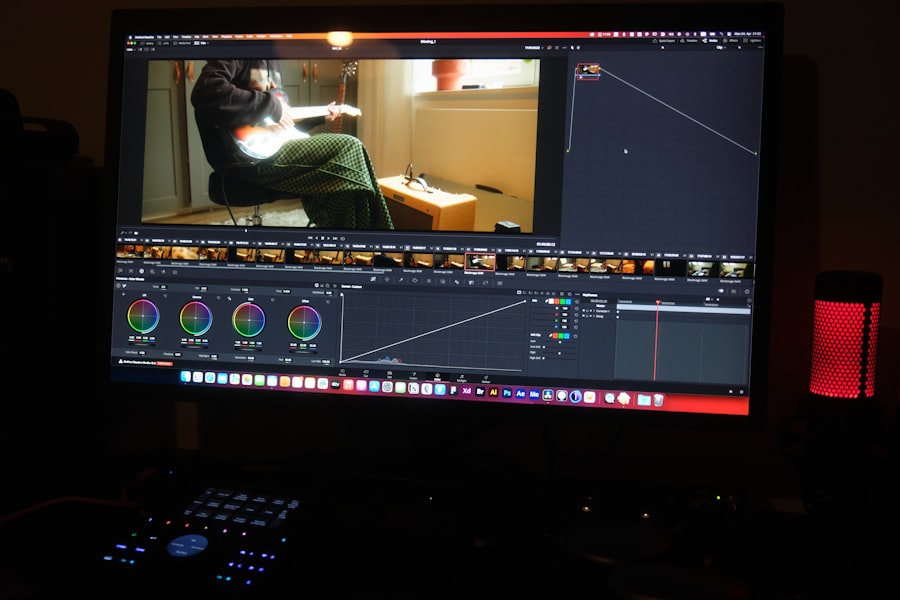
With a clear message in mind, it’s time to structure your video script effectively. A well-organized script enhances the flow of your video and makes it easier for viewers to follow along. Start with an outline that breaks down the key sections of your video: introduction, main content, and conclusion.
Each section should serve a specific purpose and transition smoothly into the next. For example, the introduction should grab attention and introduce the topic, while the main content dives deeper into the subject matter. As you structure your script, consider using a three-act format: setup, confrontation, and resolution.
This classic storytelling technique can be particularly effective in keeping viewers engaged. The setup introduces the characters or concepts; the confrontation presents challenges or conflicts; and the resolution offers solutions or insights.
Creating an Engaging Hook
| Metric | Description | Typical Range | Importance |
|---|---|---|---|
| Click-Through Rate (CTR) | Percentage of users who click on the content after seeing the hook | 2% – 10% | High |
| Engagement Rate | Percentage of users interacting (likes, comments, shares) with the content | 5% – 20% | High |
| Average Time on Page | Average duration users spend on the page after the hook | 30 seconds – 3 minutes | Medium |
| Bounce Rate | Percentage of users who leave immediately after seeing the hook | 30% – 70% | Low to Medium |
| Social Shares | Number of times the content is shared on social media platforms | Varies widely | Medium |
| Conversion Rate | Percentage of users who take a desired action after engaging with the hook | 1% – 5% | High |
The hook is arguably one of the most critical components of your video script. It’s the first few seconds that determine whether viewers will continue watching or click away. To create an engaging hook, think about what will immediately capture attention.
This could be a thought-provoking question, a surprising statistic, or a bold statement that piques curiosity. The goal is to intrigue viewers enough that they feel compelled to stick around for more. Additionally, consider incorporating visual elements into your hook.
A striking image or an unexpected clip can enhance the impact of your opening lines. Remember that first impressions matter; if you can hook your audience right away, you set the stage for a successful video. Experiment with different approaches to find what resonates best with your target audience.
A well-crafted hook not only draws viewers in but also establishes the tone for the rest of the video.
Developing a Compelling Storyline
A compelling storyline is essential for maintaining viewer interest throughout your video. To develop one, think about how you can weave together facts and emotions in a way that resonates with your audience. Start by identifying the central conflict or challenge that will drive your narrative forward.
This could be a problem that needs solving or an experience that evokes empathy. By framing your content as a story rather than just a series of facts, you create an emotional connection with viewers. As you build your storyline, consider incorporating relatable characters or scenarios that reflect your audience’s experiences.
This relatability fosters engagement and encourages viewers to invest emotionally in the narrative. Additionally, pacing is crucial; ensure that each segment flows logically into the next while maintaining momentum. A well-paced storyline keeps viewers on the edge of their seats and eager to see how it unfolds.
Incorporating Visual and Audio Elements

Visual and audio elements play a significant role in enhancing the overall impact of your video. As you write your script, think about how these elements can complement your message and storyline. Visuals such as graphics, animations, or b-roll footage can help illustrate key points and keep viewers engaged.
For instance, if you’re discussing statistics, consider using infographics to present data in an easily digestible format. Audio elements are equally important; background music can set the mood and evoke emotions that align with your narrative. Choose music that complements the tone of your video—whether it’s upbeat for an energetic piece or softer for a more reflective story.
Additionally, sound effects can add depth and enhance storytelling by emphasizing key moments or transitions. By thoughtfully incorporating visual and audio elements into your script, you create a richer viewing experience that captivates and retains audience attention.
Writing Clear and Concise Dialogue
When it comes to dialogue in your video script, clarity and conciseness are paramount. Viewers should be able to easily understand what is being said without having to pause or rewind. Aim for simple language that conveys complex ideas without overwhelming your audience.
Avoid jargon unless it’s relevant to your target demographic; instead, opt for straightforward expressions that resonate with viewers from various backgrounds. Additionally, consider the pacing of dialogue delivery. Short sentences often work better than long-winded explanations; they allow for quicker comprehension and keep the energy flowing throughout the video.
As you write dialogue, read it aloud to ensure it sounds natural and engaging. This practice helps identify any awkward phrasing or overly complex sentences that may detract from viewer engagement.
Including Call to Actions
A well-crafted call to action (CTA) is essential for guiding viewers toward the next steps after watching your video. Whether you want them to subscribe to your channel, visit your website, or share the video with friends, make sure your CTA is clear and compelling. Position it strategically within the video—ideally at moments when viewer engagement is high—such as after delivering valuable insights or emotional moments.
When crafting CTAs, use action-oriented language that encourages immediate response. Phrases like “Join us,” “Discover more,” or “Take action now” create a sense of urgency and motivate viewers to engage further with your content or brand. Additionally, consider offering incentives such as exclusive content or discounts to sweeten the deal and increase conversion rates.
Adding Emotion and Humor
Incorporating emotion and humor into your video script can significantly enhance viewer engagement and retention. Emotional storytelling resonates deeply with audiences; it creates connections that go beyond mere information sharing. Think about how you can evoke feelings such as joy, nostalgia, or empathy through relatable scenarios or characters in your narrative.
Humor is another powerful tool when used appropriately; it can lighten the mood and make complex topics more approachable. A well-placed joke or light-hearted moment can break tension and keep viewers entertained while still delivering valuable information. However, be mindful of your audience’s preferences—what may be funny to one group could fall flat with another.
Striking the right balance between emotion and humor will elevate your video from ordinary to memorable.
Reviewing and Revising Your Script
Once you’ve drafted your script, take time to review and revise it thoroughly. This step is crucial for ensuring clarity, coherence, and overall effectiveness in conveying your message. Read through the script multiple times—ideally aloud—to catch any awkward phrasing or inconsistencies in tone.
Consider seeking feedback from trusted colleagues or friends who represent your target audience; their fresh perspective can provide valuable insights. During revisions, don’t hesitate to make significant changes if necessary. Sometimes ideas may sound great on paper but fail to translate well on screen.
Be open to cutting sections that don’t serve the overall narrative or adding new elements that enhance viewer engagement. The goal is to refine your script until it flows seamlessly while effectively communicating your intended message.
Collaborating with a Team
Collaboration can elevate your video project by bringing diverse perspectives and expertise into play. If possible, work with a team of individuals who can contribute different skills—such as writing, editing, graphic design, or sound engineering—to enhance various aspects of production. Collaboration fosters creativity; brainstorming sessions can lead to innovative ideas that may not have emerged in isolation.
Effective communication is key when collaborating with others on your scriptwriting process.
Embrace feedback from team members as constructive input rather than criticism; this mindset encourages open dialogue and ultimately leads to a stronger final product.
In conclusion, creating an impactful video script requires careful consideration of various elements—from understanding your audience to collaborating effectively with a team. By following these guidelines and investing time in each stage of development, you’ll be well-equipped to produce engaging content that resonates with viewers while achieving your desired outcomes.
When creating a compelling video, having a well-structured script outline is essential for maintaining clarity and engagement. For those looking to refine their scriptwriting skills, a great resource is the article available at this link, which provides valuable insights into organizing your thoughts and ideas effectively. By following the guidelines outlined in the article, you can ensure that your video flows smoothly and resonates with your audience.
WATCH THIS! The Perfectionism LIE That Stops Ambitious People From Starting
FAQs
What is a video script outline?
A video script outline is a structured plan that organizes the key points, scenes, and dialogue of a video before the actual scriptwriting begins. It helps ensure the content flows logically and covers all necessary topics.
Why is it important to structure a video script outline?
Structuring a video script outline is important because it provides clarity, saves time during scriptwriting, ensures the message is coherent, and helps maintain the audience’s interest throughout the video.
What are the main components of a video script outline?
The main components typically include the introduction, key points or sections, transitions, call to action, and conclusion. Each part outlines what will be said or shown in the video.
How detailed should a video script outline be?
The level of detail depends on the project, but generally, it should include enough information to guide the scriptwriting process, such as main ideas, key dialogue, and visual cues, without being as detailed as the final script.
Can a video script outline be used for different types of videos?
Yes, a video script outline can be adapted for various types of videos, including educational, promotional, explainer, or storytelling videos, by adjusting the structure to fit the video’s purpose and audience.
What tools can help create a video script outline?
Common tools include word processors, spreadsheet software, dedicated scriptwriting apps, and online outlining tools. Some creators also use storyboarding software to complement the outline.
How does a video script outline improve the production process?
It streamlines production by providing a clear roadmap, reducing revisions, helping coordinate with team members, and ensuring that filming and editing stay aligned with the intended message and flow.
Is it necessary to follow the video script outline strictly?
While the outline serves as a guide, flexibility is important. Adjustments can be made during scriptwriting or production to improve clarity, pacing, or engagement based on feedback or new ideas.