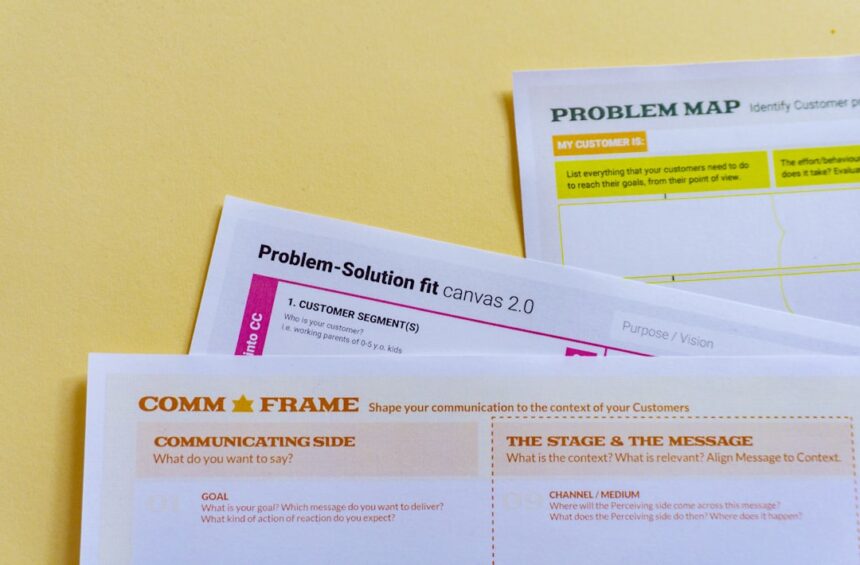
In the fast-paced world of digital marketing and online communication, content creation has become a cornerstone of effective engagement. You may find yourself overwhelmed by the sheer volume of content that needs to be produced regularly. This is where content creation templates come into play.
These templates serve as structured frameworks that guide you through the process of creating various types of content, from blog posts and social media updates to newsletters and marketing materials. By utilizing templates, you can streamline your workflow, maintain consistency, and ensure that your messaging aligns with your brand identity. Content creation templates are not just about saving time; they also enhance creativity.
When you have a solid framework in place, you can focus more on the message and less on the format. This allows you to experiment with different ideas and styles while still adhering to a cohesive structure. As you delve deeper into the world of content creation, understanding how to leverage these templates can significantly elevate your output and effectiveness.
Key Takeaways
- Content creation templates streamline the process, saving time and ensuring consistency.
- Various template types cater to different content formats, from social media posts to blogs.
- Customizing templates to fit your brand enhances authenticity and audience connection.
- Effective use of templates involves collaboration, proper tools, and regular performance measurement.
- Overcoming challenges with templates includes flexibility and adapting to evolving content needs.
Benefits of Using Templates for Content Creation
One of the most significant advantages of using content creation templates is efficiency. You may have experienced the frustration of staring at a blank page, unsure of where to start. Templates eliminate this hurdle by providing a clear outline that guides your writing process.
With a predefined structure, you can quickly fill in the necessary information, allowing you to produce high-quality content in less time. This efficiency is particularly beneficial for businesses that need to maintain a consistent online presence. Moreover, templates help ensure consistency across your content.
When you use a template, you create a uniform style and tone that reflects your brand’s identity. This consistency is crucial for building trust with your audience. When readers recognize your brand’s voice and style, they are more likely to engage with your content and develop loyalty over time.
By employing templates, you can create a recognizable brand presence that resonates with your target audience.
Types of Content Creation Templates

There are various types of content creation templates designed to cater to different needs and formats.
This structure helps you organize your thoughts and ensures that you cover all necessary points in a logical manner.
Similarly, social media post templates can guide you in crafting engaging captions while adhering to character limits and platform-specific requirements. In addition to these common formats, you might also explore templates for email newsletters, infographics, and video scripts. Each type serves a unique purpose and requires specific elements to be effective.
By familiarizing yourself with these various templates, you can choose the ones that best suit your content strategy and audience preferences. This versatility allows you to adapt your approach based on the medium and message you wish to convey.
How to Create Custom Templates for Your Brand
| Step | Action | Key Metrics | Tools/Resources | Estimated Time |
|---|---|---|---|---|
| 1 | Define Brand Identity | Brand colors, fonts, logo usage guidelines | Brand Style Guide, Adobe Color, Google Fonts | 1-2 days |
| 2 | Choose Template Type | Template format (email, social media, presentation) | Canva, PowerPoint, Email Marketing Platforms | 0.5-1 day |
| 3 | Create Layout Structure | Number of sections, content placeholders | Figma, Adobe XD, Sketch | 1-3 days |
| 4 | Incorporate Brand Elements | Logo placement, color scheme consistency | Brand assets, Design software | 1-2 days |
| 5 | Add Editable Fields | Number of customizable text and image areas | Template builder tools, CMS | 0.5-1 day |
| 6 | Test Template | Compatibility across devices, user feedback score | Preview tools, User testing platforms | 1-2 days |
| 7 | Deploy and Share | Number of users accessing template, usage rate | Cloud storage, Collaboration platforms | 0.5 day |
| 8 | Gather Feedback & Iterate | User satisfaction rating, update frequency | Surveys, Analytics tools | Ongoing |
Creating custom templates tailored to your brand is an excellent way to ensure that your content remains unique and aligned with your vision. Start by identifying the key elements that define your brand’s voice and style. Consider factors such as tone, language, color schemes, and imagery that resonate with your audience.
Once you have a clear understanding of these elements, you can begin designing templates that reflect your brand identity. To create effective custom templates, utilize design tools that allow for easy customization. Platforms like Canva or Adobe Spark offer user-friendly interfaces where you can experiment with layouts, fonts, and colors.
As you design your templates, keep in mind the importance of flexibility; ensure that they can be easily adapted for different types of content while still maintaining a cohesive look. By investing time in creating custom templates, you empower yourself to produce content that not only meets your needs but also stands out in a crowded digital landscape.
Tips for Using Templates Effectively
While templates can significantly enhance your content creation process, using them effectively requires some strategic thinking. First and foremost, avoid the temptation to rely solely on templates without adding your personal touch. While they provide structure, it’s essential to infuse your unique voice and perspective into the content.
This personalization will help differentiate your work from others who may be using similar templates. Additionally, regularly review and update your templates based on performance metrics and audience feedback. As trends evolve and audience preferences shift, what worked well in the past may not resonate as strongly today.
By staying attuned to these changes and adjusting your templates accordingly, you can ensure that your content remains relevant and engaging over time.
Tools and Software for Creating Content Templates

In today’s digital age, numerous tools and software options are available to assist you in creating effective content templates. Platforms like Google Docs or Microsoft Word offer basic template functionalities that allow for easy collaboration and sharing among team members. For more visually-oriented content, design tools like Canva or Adobe InDesign provide robust features for creating eye-catching templates tailored to various formats.
Moreover, project management tools such as Trello or Asana can help streamline the content creation process by allowing you to organize tasks associated with each template. These tools enable you to assign responsibilities, set deadlines, and track progress, ensuring that everyone involved in the content creation process is on the same page. By leveraging these tools effectively, you can enhance collaboration and efficiency within your team.
Examples of Successful Content Created with Templates
Many successful brands have harnessed the power of content creation templates to produce engaging material that resonates with their audiences. For instance, companies like HubSpot have developed comprehensive blog post templates that guide writers through crafting informative articles while maintaining brand consistency. These templates not only streamline the writing process but also ensure that each piece aligns with HubSpot’s educational mission.
Another example is social media campaigns that utilize visual templates for posts across platforms like Instagram or Facebook. Brands such as Starbucks often employ consistent visual themes in their social media posts, making it easy for followers to recognize their content instantly. By using templates effectively, these brands have successfully built strong online presences that engage their audiences while reinforcing their brand identities.
Best Practices for Collaborating on Content Creation Using Templates
Collaboration is key when it comes to producing high-quality content, especially in team environments. When using templates for collaborative projects, establish clear guidelines regarding how each team member should utilize them. This includes defining roles and responsibilities for each person involved in the content creation process.
By doing so, you can minimize confusion and ensure that everyone is aligned on the project’s goals. Additionally, encourage open communication among team members throughout the process. Regular check-ins can help identify any challenges or areas where adjustments may be needed in the template itself.
By fostering a collaborative atmosphere where feedback is welcomed, you can enhance the overall quality of the content produced while also strengthening team dynamics.
Measuring the Success of Content Created with Templates
To truly understand the effectiveness of your content creation efforts using templates, it’s essential to measure success through various metrics. Start by analyzing engagement rates across different platforms—this includes likes, shares, comments, and click-through rates for blog posts or emails. These metrics provide valuable insights into how well your audience is responding to the content generated from your templates.
Furthermore, consider conducting surveys or gathering feedback directly from your audience regarding their perceptions of your content’s quality and relevance. This qualitative data can complement quantitative metrics and help you refine your templates over time. By continuously measuring success and making data-driven adjustments, you can enhance the impact of your content creation efforts.
Overcoming Common Challenges When Using Templates for Content Creation
While content creation templates offer numerous benefits, they are not without challenges. One common issue is the risk of becoming too formulaic or repetitive in your writing when relying heavily on templates. To combat this tendency, make a conscious effort to vary your approach within the framework provided by the template.
Experiment with different angles or storytelling techniques to keep your content fresh and engaging. Another challenge is ensuring that all team members are adequately trained on how to use the templates effectively. If some individuals are unfamiliar with the template’s structure or purpose, it can lead to inconsistencies in the final output.
To address this issue, consider conducting training sessions or creating instructional materials that outline best practices for using each template within your organization.
The Future of Content Creation with Templates
As we move further into an increasingly digital landscape, the role of content creation templates will continue to evolve alongside emerging trends and technologies. The future promises even more sophisticated tools that will enhance how you create and manage content across various platforms. Embracing these advancements will allow you to stay ahead of the curve while maintaining a strong connection with your audience.
Ultimately, leveraging content creation templates effectively can lead to greater efficiency, consistency, and creativity in your work. By understanding their benefits and best practices while remaining adaptable to change, you position yourself for success in an ever-competitive environment.
If you’re looking to streamline your content creation process, using templates can be a game-changer. For more insights on this topic, check out this informative article on Productive Patty, where you’ll find tips and strategies to help you create content more efficiently.
WATCH THIS! The Perfectionism LIE That Stops Ambitious People From Starting
FAQs
What are templates in content creation?
Templates are pre-designed formats or structures that provide a consistent layout and style for creating content. They help streamline the content creation process by offering a ready-made framework that can be customized with specific information.
How do templates help in faster content creation?
Templates save time by eliminating the need to start from scratch for each piece of content. They provide a standardized format, allowing creators to focus on the content itself rather than design or structure, which speeds up the overall process.
Can templates be used for different types of content?
Yes, templates can be adapted for various types of content such as blog posts, social media updates, emails, presentations, and reports. Different templates are designed to suit the specific requirements of each content type.
Are templates customizable?
Most templates are highly customizable. Users can modify text, images, colors, fonts, and layout elements to align with their brand identity and specific content needs while maintaining the overall structure.
Where can I find templates for content creation?
Templates can be found on various platforms including content management systems, graphic design tools like Canva or Adobe Spark, office software like Microsoft Word or Google Docs, and specialized template marketplaces online.
Do templates affect the originality of content?
Templates provide a structure but do not dictate the actual content. Originality depends on the creator’s input. Using templates can help maintain consistency while still allowing for unique and creative content.
Is it necessary to use templates for content creation?
Using templates is not mandatory but highly recommended for efficiency, consistency, and professionalism, especially when producing large volumes of content or working within a team.
Can templates improve content quality?
Yes, templates can improve quality by ensuring consistent formatting, clear organization, and adherence to brand guidelines, which enhances readability and overall presentation.
Are there any drawbacks to using templates?
Potential drawbacks include the risk of content looking too similar if templates are overused without customization, and possible limitations in creativity if users rely solely on templates without adapting them to their needs.
How do I create my own content templates?
To create your own templates, identify the common elements in your content, design a layout that suits your needs, and save it in a reusable format. Many software tools allow you to save custom templates for future use.