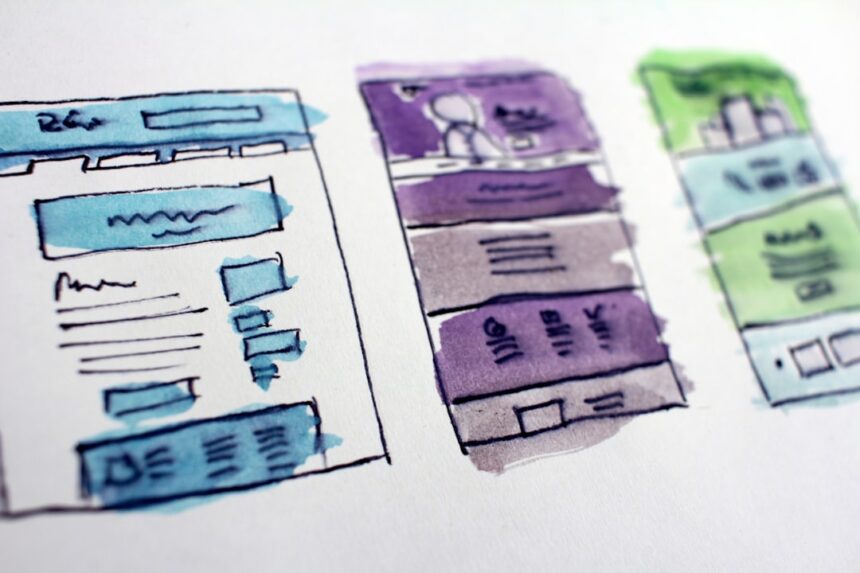
In the digital age, content is king, and a well-defined content strategy is essential for any brand or organization looking to make an impact. You may find that a content strategy serves as a roadmap, guiding your efforts in creating, distributing, and managing content that resonates with your target audience. It encompasses everything from understanding your audience’s needs to determining the best channels for distribution.
By developing a robust content strategy, you can ensure that your messaging is consistent, relevant, and engaging, ultimately driving better results for your business. As you embark on this journey, it’s crucial to recognize that a content strategy is not a one-time effort but an ongoing process. You will need to continually assess and refine your approach based on feedback, analytics, and changing market dynamics.
This adaptability is what sets successful content strategies apart from those that falter. In this article, we will explore the significance of prototyping and polishing within the context of content strategy, providing you with actionable insights to enhance your efforts.
Key Takeaways
- Prototyping is essential for testing and refining content strategies before full implementation.
- Polishing enhances the quality and effectiveness of content, ensuring it resonates with the target audience.
- Combining prototyping and polishing leads to a more agile and successful content strategy.
- Utilizing specific tools and techniques can streamline the prototyping and polishing processes.
- Awareness of common pitfalls helps avoid mistakes and strengthens overall content strategy outcomes.
The Importance of Prototyping in Content Strategy
Prototyping is often associated with product development, but its principles can be effectively applied to content strategy as well. When you prototype your content, you create preliminary versions or mock-ups that allow you to test ideas before fully committing to them. This iterative process enables you to gather feedback early on, ensuring that your final content aligns with your audience’s expectations and needs.
By embracing prototyping, you can minimize risks and avoid costly mistakes down the line. Moreover, prototyping fosters creativity and innovation in your content creation process. You may find that by experimenting with different formats, styles, or messages, you can uncover unique angles that resonate more deeply with your audience.
This exploration not only enhances the quality of your content but also encourages collaboration among team members, as they can contribute their insights and perspectives during the prototyping phase. Ultimately, incorporating prototyping into your content strategy can lead to more effective and engaging content that drives results.
Understanding the Process of Prototyping

To effectively implement prototyping in your content strategy, it’s essential to understand the steps involved in the process. First, you should identify the specific goals you want to achieve with your content. Are you aiming to increase brand awareness, drive traffic to your website, or generate leads?
By clarifying your objectives, you can create prototypes that are aligned with your overall strategy. Next, you will want to brainstorm ideas for your content prototypes. This could involve sketching out outlines for articles, creating storyboards for videos, or drafting social media posts.
The key here is to generate a variety of concepts without self-censorship; allow your creativity to flow freely. Once you have a selection of ideas, you can begin developing rough drafts or mock-ups of your content. These prototypes should be simple yet effective representations of your vision.
After creating your prototypes, it’s time to gather feedback from stakeholders or potential audience members. This feedback is invaluable as it provides insights into what resonates and what doesn’t. You may need to iterate on your prototypes based on this input, refining them until they meet your objectives and appeal to your target audience.
This cyclical process of prototyping, testing, and refining is what makes prototyping such a powerful tool in enhancing your content strategy.
How to Use Prototyping to Improve Your Content Strategy
| Metric | Description | Example Value | Impact on Content Strategy |
|---|---|---|---|
| Prototype Iterations | Number of content prototypes created and tested | 5 | More iterations lead to refined content ideas and better alignment with audience needs |
| User Feedback Score | Average rating from target users on prototype content | 4.2 / 5 | Higher scores indicate content resonates well and meets user expectations |
| Engagement Rate | Percentage of users interacting with prototype content | 35% | Higher engagement suggests effective content formats and messaging |
| Time to Market | Duration from prototype creation to final content launch (days) | 10 | Shorter times improve agility and responsiveness in content strategy |
| Content Revisions | Number of changes made based on prototype testing | 3 | Indicates iterative improvement and optimization of content |
| Conversion Rate | Percentage of users taking desired action after engaging with content | 12% | Higher conversion reflects effective content strategy driven by prototyping |
Once you grasp the fundamentals of prototyping, you can begin integrating it into your content strategy in meaningful ways. One effective approach is to create a content calendar that outlines key themes or topics for upcoming campaigns. As you plan each piece of content, consider developing prototypes for different formats—such as blog posts, infographics, or videos—allowing you to explore various ways of presenting the same information.
Additionally, consider using prototyping as a means of testing new ideas or concepts before fully committing resources to them. For instance, if you’re considering launching a new series of educational webinars, create a prototype webinar that includes a sample presentation and promotional materials. By testing this prototype with a small audience, you can gauge interest and make necessary adjustments before rolling out the full series.
Another way to leverage prototyping is by collaborating with cross-functional teams within your organization. Involving team members from different departments—such as marketing, sales, and customer service—can provide diverse perspectives that enhance the quality of your prototypes. This collaborative approach not only enriches the content but also fosters a sense of ownership among team members, leading to greater buy-in for the final product.
The Role of Polishing in Content Strategy
While prototyping allows you to experiment and iterate on ideas, polishing is the process that ensures your final content is refined and ready for publication. Polishing involves reviewing and enhancing various aspects of your content—such as clarity, coherence, grammar, and style—to ensure it meets high standards before it reaches your audience. This step is crucial because even the most innovative ideas can fall flat if they are poorly executed.
Polishing also encompasses optimizing your content for search engines and user experience. You may need to incorporate relevant keywords naturally into your text or ensure that visuals are appropriately sized and formatted for different platforms. By paying attention to these details during the polishing phase, you can significantly improve the effectiveness of your content strategy and increase its visibility online.
Moreover, polishing provides an opportunity for reflection on what you’ve created. As you review your work, consider whether it aligns with your initial goals and objectives. Are there areas where you could enhance engagement or clarity?
This reflective practice not only strengthens individual pieces of content but also contributes to the overall growth of your content strategy over time.
Techniques for Polishing Your Content Strategy

To effectively polish your content strategy, there are several techniques you can employ. First and foremost, consider implementing a thorough editing process that includes multiple rounds of review. This could involve peer reviews where colleagues provide constructive feedback on each piece of content before it goes live.
By incorporating diverse perspectives during this stage, you can catch errors or inconsistencies that may have gone unnoticed. Another technique is to utilize tools designed for grammar checking and readability assessment. These tools can help identify areas where your writing may be unclear or overly complex.
By simplifying language and improving sentence structure, you can enhance the overall readability of your content, making it more accessible to a broader audience. Additionally, don’t underestimate the power of visuals in polishing your content strategy. High-quality images, infographics, and videos can elevate the overall presentation of your work and engage viewers more effectively than text alone.
Ensure that any visuals used are relevant and complement the written content rather than distract from it.
Integrating Prototyping and Polishing into Your Content Strategy
Integrating both prototyping and polishing into your content strategy requires a thoughtful approach that balances creativity with quality control. Start by establishing clear guidelines for when to prototype versus when to polish. For instance, during the brainstorming phase of a new campaign, prioritize prototyping to explore various ideas without getting bogged down in details.
Once you’ve settled on a direction based on feedback from prototypes, shift focus toward polishing those selected pieces. You may also want to create a timeline that incorporates both phases into your workflow. For example, allocate specific timeframes for prototyping new ideas followed by dedicated periods for polishing existing content.
This structured approach ensures that neither phase is neglected while allowing for flexibility as new insights emerge throughout the process. Furthermore, consider fostering a culture within your team that values both experimentation and refinement. Encourage team members to share their prototypes openly and provide constructive feedback during polishing sessions.
By creating an environment where both creativity and quality are prioritized equally, you can enhance collaboration and ultimately produce stronger content.
Tools and Resources for Prototyping and Polishing
In today’s digital landscape, numerous tools and resources are available to assist you in both prototyping and polishing your content strategy. For prototyping purposes, platforms like Canva or Adobe Spark allow you to create visual mock-ups quickly without requiring extensive design skills. These tools enable you to experiment with different layouts and styles before finalizing your designs.
For written content prototypes, collaborative platforms such as Google Docs facilitate real-time feedback from team members during the drafting process. This allows for seamless communication and quick iterations based on input received from others. When it comes time to polish your work, consider utilizing grammar-checking tools like Grammarly or Hemingway Editor.
These applications help identify grammatical errors while also providing suggestions for improving readability and clarity. Additionally, project management tools like Trello or Asana can help streamline both prototyping and polishing processes by allowing teams to track progress on various pieces of content throughout their lifecycle.
Case Studies of Successful Content Strategies Using Prototyping and Polishing
Examining case studies of successful brands can provide valuable insights into how prototyping and polishing have been effectively utilized in real-world scenarios. For instance, consider how a leading tech company launched a new product through an extensive content campaign that included blog posts, videos, and social media promotions. During the initial stages of this campaign, the marketing team created multiple prototypes for each type of content piece—testing different messaging angles and visual styles with focus groups before finalizing their approach based on feedback received.
Once they settled on their preferred concepts, they polished each piece meticulously before launching them across various channels. The result was a cohesive campaign that resonated deeply with their target audience while generating significant buzz around the product launch—demonstrating how effective prototyping combined with thorough polishing can lead to outstanding outcomes.
Common Pitfalls to Avoid in Prototyping and Polishing
While prototyping and polishing are essential components of a successful content strategy, there are common pitfalls that you should be aware of as you navigate these processes. One major mistake is failing to gather sufficient feedback during the prototyping phase; without input from stakeholders or potential audience members early on, you risk investing time into ideas that may not resonate. Another pitfall is neglecting the importance of iteration in both phases—becoming too attached to initial concepts can hinder creativity during prototyping while rushing through polishing may result in subpar final products.
Additionally, be cautious about over-polishing; while it’s important to ensure quality control over your work, excessive editing can strip away authenticity or voice from your writing—leading to bland or generic content that fails to engage readers effectively.
Implementing Prototyping and Polishing for a Stronger Content Strategy
In conclusion, integrating prototyping and polishing into your content strategy can significantly enhance its effectiveness and impact. By embracing an iterative approach through prototyping, you allow yourself the freedom to explore creative ideas while minimizing risks associated with untested concepts. Coupled with thorough polishing processes that prioritize quality control and refinement, these practices will empower you to produce compelling content that resonates with your audience.
By fostering a culture that values experimentation alongside meticulous refinement—you’ll be well-equipped to navigate the ever-evolving landscape of digital marketing while achieving greater success in reaching your goals.
In the realm of content strategy, the importance of prototyping and polishing your approach cannot be overstated. A valuable resource that delves into this topic is found in the article on Productive Patty, which offers insights on refining content to better engage your audience. You can read more about it in their article [here](https://www.productivepatty.com/).
WATCH THIS! The Perfectionism LIE That Stops Ambitious People From Starting
FAQs
What is prototyping in content strategy?
Prototyping in content strategy involves creating preliminary versions or drafts of content to test ideas, formats, and messaging before final production. It helps identify what works best for the target audience and allows for iterative improvements.
Why is polishing important in content strategy?
Polishing ensures that content is clear, engaging, and error-free. It involves refining language, design, and structure to enhance readability and effectiveness, ultimately improving user experience and achieving strategic goals.
How does prototyping benefit content development?
Prototyping allows content creators to experiment with different approaches, gather feedback early, and make adjustments without significant resource investment. This process reduces risks and leads to more effective and targeted content.
What are common methods used in prototyping content?
Common methods include creating wireframes, mockups, storyboards, or sample articles. These can be low-fidelity sketches or high-fidelity digital drafts used to visualize and test content concepts.
At what stage of content creation should polishing occur?
Polishing typically occurs after initial drafts and revisions are complete. It is the final step before publishing, focusing on fine-tuning language, formatting, and design elements to ensure quality and consistency.
Can prototyping and polishing be iterative processes?
Yes, both prototyping and polishing are often iterative. Content may go through multiple rounds of prototyping and refinement based on feedback and testing to optimize effectiveness.
Who should be involved in prototyping and polishing content?
A cross-functional team including content strategists, writers, designers, editors, and sometimes target audience representatives should be involved to provide diverse perspectives and expertise.
How does prototyping improve audience engagement?
By testing different content formats and messages during prototyping, creators can identify what resonates best with the audience, leading to higher engagement and better alignment with audience needs.
What tools are commonly used for prototyping content?
Tools such as Adobe XD, Figma, Sketch, and content management systems with preview features are commonly used to create and share content prototypes for review and feedback.
Is polishing only about correcting grammar and spelling?
No, polishing also includes improving tone, clarity, flow, visual layout, and ensuring the content aligns with brand voice and strategic objectives, beyond just fixing grammatical errors.