
Stoic philosophy, originating in ancient Greece, offers a profound framework for understanding the human experience and navigating life’s challenges. As you delve into this philosophical tradition, you will discover that it emphasizes the importance of reason, virtue, and self-control. The Stoics believed that by cultivating a rational mindset, you could achieve a state of tranquility and resilience, regardless of external circumstances.
This philosophy has gained renewed interest in modern times, particularly as people seek effective strategies to cope with the complexities of contemporary life. At its core, Stoicism teaches you to focus on what is within your control while accepting what is not. This fundamental principle can be liberating, allowing you to shift your perspective and reduce the weight of anxiety and stress.
By embracing Stoic teachings, you can learn to navigate the tumultuous waters of life with grace and composure. As you explore the principles of Stoicism, you will find valuable insights that can help you cultivate a more balanced and peaceful existence.
Key Takeaways
- Stoic philosophy offers practical principles to understand and manage anxiety effectively.
- Core Stoic virtues like wisdom, courage, and self-control help cultivate resilience and inner strength.
- Mindfulness and acceptance of what is beyond our control are key to overcoming fear and uncertainty.
- Applying Stoic teachings promotes emotional freedom and serenity even in chaotic situations.
- Embracing Stoicism leads to a balanced, peaceful life by fostering mental well-being and calmness.
Understanding Anxiety and its Impact
Anxiety is a pervasive issue that affects millions of people worldwide. It manifests in various forms, from generalized anxiety disorder to situational anxiety triggered by specific events or circumstances. You may find that anxiety can disrupt your daily life, clouding your judgment and diminishing your overall well-being.
Understanding the nature of anxiety is crucial for developing effective coping strategies, and Stoic philosophy offers valuable tools in this regard. The impact of anxiety extends beyond mere feelings of unease; it can lead to physical symptoms such as increased heart rate, muscle tension, and fatigue. You might notice that anxiety can also affect your relationships, work performance, and overall quality of life.
Stoicism encourages you to confront your fears head-on, fostering a sense of empowerment that can help you reclaim control over your life.
The Core Principles of Stoic Philosophy
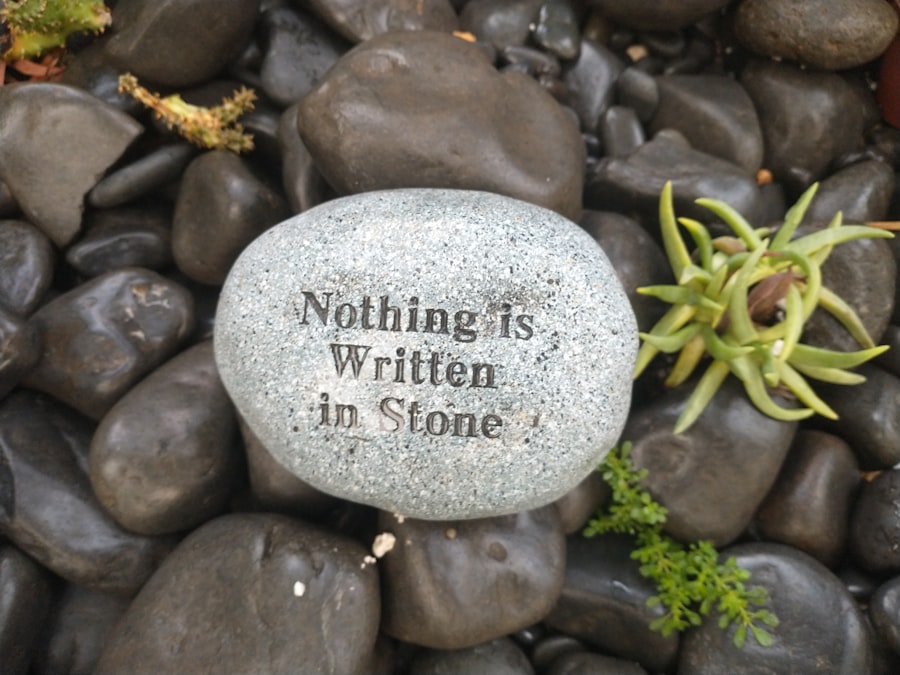
At the heart of Stoic philosophy are several core principles that guide your thoughts and actions. One of the most significant tenets is the distinction between what is within your control and what is not. This principle encourages you to focus your energy on your thoughts, intentions, and reactions while accepting that external events are often beyond your influence.
By internalizing this distinction, you can cultivate a sense of peace and resilience in the face of adversity. Another essential principle is the idea of virtue as the highest good. The Stoics believed that living a virtuous life—characterized by wisdom, courage, justice, and temperance—leads to true happiness.
You may find that by aligning your actions with these virtues, you can create a more meaningful existence. Additionally, Stoicism teaches the importance of rationality and self-reflection. By examining your thoughts and beliefs critically, you can identify unhelpful patterns and replace them with more constructive perspectives.
Applying Stoic Principles to Manage Anxiety
| Stoic Principle | Application to Anxiety Management | Expected Outcome | Example Practice |
|---|---|---|---|
| Control What You Can | Focus on actions and thoughts within your control, ignoring external events | Reduced feelings of helplessness and increased empowerment | Daily journaling to separate controllable vs uncontrollable worries |
| Negative Visualization | Imagine worst-case scenarios to prepare emotionally and reduce fear | Lowered anxiety through acceptance of possible outcomes | Spend 5 minutes visualizing a feared event and mentally rehearsing coping |
| Focus on Present Moment | Concentrate on current tasks rather than future uncertainties | Decreased rumination and anxiety about future events | Practice mindful breathing or grounding exercises during anxious moments |
| Acceptance of Fate (Amor Fati) | Embrace all experiences as necessary and valuable | Increased resilience and peace with uncontrollable outcomes | Reflect on past challenges and how they contributed to growth |
| Distinguish Between Opinion and Fact | Recognize that anxiety often stems from subjective judgments | Improved objectivity and reduced emotional reactivity | Challenge anxious thoughts by questioning their factual basis |
To effectively manage anxiety through Stoic principles, you can start by practicing mindfulness and self-awareness. By becoming more attuned to your thoughts and emotions, you can identify triggers that contribute to your anxiety. When you notice these triggers, remind yourself of the Stoic principle that not everything is within your control.
This realization can help you detach from negative emotions and reduce their power over you. Another practical application of Stoicism involves reframing your thoughts. When faced with anxiety-inducing situations, challenge yourself to view them through a Stoic lens.
Instead of succumbing to fear or worry, ask yourself what you can learn from the experience or how it might contribute to your personal growth. This shift in perspective can empower you to approach challenges with a sense of curiosity rather than dread. By consistently applying these principles, you can gradually build resilience against anxiety.
Cultivating Resilience and Inner Strength
Resilience is a vital quality that allows you to bounce back from setbacks and maintain a sense of stability in turbulent times. Stoicism provides a robust framework for cultivating this resilience by encouraging you to embrace challenges as opportunities for growth. You may find that by adopting a Stoic mindset, you can develop a greater sense of inner strength that enables you to face adversity with confidence.
One way to cultivate resilience is through the practice of negative visualization—a technique where you imagine potential challenges or losses in your life. While this may seem counterintuitive, it helps you appreciate what you have and prepares you mentally for possible difficulties. By acknowledging that hardship is a natural part of life, you can foster a sense of acceptance and readiness that bolsters your resilience.
As you continue to practice these techniques, you’ll likely find yourself better equipped to handle life’s inevitable ups and downs.
Embracing the Stoic Virtues for Mental Well-being
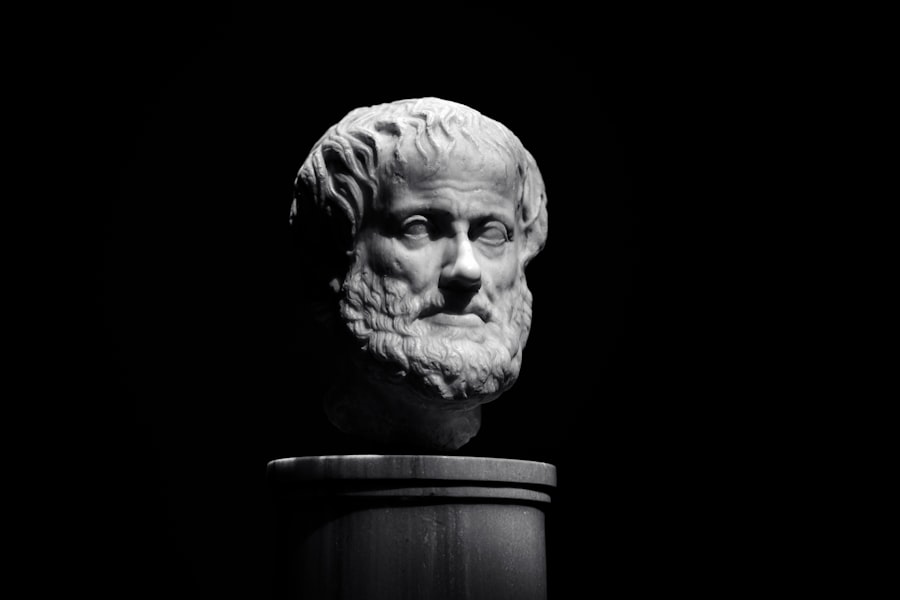
The four cardinal virtues of Stoicism—wisdom, courage, justice, and temperance—serve as guiding principles for achieving mental well-being. By actively incorporating these virtues into your daily life, you can create a solid foundation for emotional stability. Wisdom encourages you to seek knowledge and understanding, allowing you to make informed decisions that align with your values.
Courage is essential for facing fears and taking risks in pursuit of personal growth. You may find that by embodying courage in small ways—such as speaking up for yourself or confronting difficult situations—you build confidence over time. Justice reminds you to treat others fairly and with compassion, fostering positive relationships that contribute to your overall happiness.
Lastly, temperance teaches moderation and self-control, helping you avoid excesses that can lead to emotional turmoil. By embracing these virtues, you can cultivate a more balanced and fulfilling life.
The Role of Mindfulness in Stoic Practice
Mindfulness plays a crucial role in the practice of Stoicism, as it allows you to remain present and aware of your thoughts and feelings without judgment. By incorporating mindfulness techniques into your daily routine, you can enhance your ability to respond thoughtfully rather than react impulsively to stressors. This heightened awareness enables you to recognize when anxiety arises and apply Stoic principles effectively.
As you sit in stillness, allow yourself to acknowledge any anxious thoughts that arise while gently redirecting your focus back to your breath or a chosen mantra. This practice not only cultivates inner peace but also reinforces the Stoic understanding that thoughts are transient and do not define your reality.
By integrating mindfulness into your Stoic practice, you’ll likely find greater clarity and emotional balance.
Overcoming Fear and Uncertainty through Stoicism
Fear and uncertainty are inherent aspects of the human experience, often exacerbated by external pressures and societal expectations. Stoicism offers valuable insights for overcoming these challenges by encouraging you to confront fear head-on rather than avoiding it. You may find that by examining the root causes of your fears—whether they stem from past experiences or future uncertainties—you can begin to dismantle their hold on your mind.
A powerful Stoic exercise involves contemplating the worst-case scenario associated with your fears. By visualizing the potential outcomes, you can assess their likelihood and recognize that even if they were to occur, you possess the inner resources to cope with them. This practice fosters resilience and empowers you to take action despite uncertainty.
As you embrace this Stoic approach, you’ll likely discover newfound courage in facing life’s unpredictability.
Finding Serenity in the Midst of Chaos
In today’s fast-paced world, finding serenity amidst chaos can feel like an insurmountable challenge. However, Stoicism teaches that tranquility is attainable even in turbulent times. By focusing on what is within your control—your thoughts, reactions, and choices—you can cultivate a sense of calm regardless of external circumstances.
This shift in focus allows you to navigate chaos with grace and composure. One effective strategy for finding serenity is establishing daily rituals that promote mindfulness and reflection. Whether it’s through journaling, meditation, or simply taking quiet moments throughout the day, these practices help ground you in the present moment.
As you cultivate this sense of inner peace, you’ll likely find it easier to maintain perspective during challenging situations. Embracing the Stoic belief that chaos is an inevitable part of life empowers you to respond with equanimity rather than frustration.
Stoicism as a Path to Emotional Freedom
Ultimately, Stoicism serves as a powerful path toward emotional freedom by encouraging you to release attachments to external outcomes and embrace acceptance. By recognizing that true happiness comes from within—rooted in virtue and self-awareness—you can liberate yourself from the constraints imposed by societal expectations or material desires. This journey toward emotional freedom allows you to live authentically and align your actions with your values.
As you continue on this path, you’ll likely find that embracing Stoic principles fosters a profound sense of empowerment. You become less reliant on external validation or circumstances for your happiness; instead, you cultivate an inner reservoir of strength that sustains you through life’s challenges. This emotional freedom enables you to approach each day with renewed purpose and clarity.
Embracing Stoic Philosophy for a Balanced and Peaceful Life
In conclusion, embracing Stoic philosophy offers a transformative approach to navigating life’s complexities while fostering mental well-being. By understanding anxiety’s impact on your life and applying core Stoic principles—such as focusing on what is within your control—you can cultivate resilience and inner strength. The virtues of wisdom, courage, justice, and temperance serve as guiding lights on this journey toward emotional freedom.
As you integrate mindfulness practices into your daily routine and confront fear with courage, you’ll discover newfound serenity amidst chaos. Ultimately, Stoicism empowers you to live authentically and align your actions with your values, leading to a more balanced and peaceful existence. By embracing this ancient philosophy in modern times, you’re not only enhancing your own well-being but also contributing positively to the world around you.
For those seeking to manage anxiety through the lens of stoic philosophy, a valuable resource can be found in the article on Productive Patty. This piece explores practical applications of stoic principles to help individuals navigate their anxious thoughts and emotions. You can read more about it in the article here.
WATCH THIS! Imposter Syndrome is a Lie: 3 Stoic Hacks to Weaponize Self-Doubt
FAQs
What is Stoic philosophy?
Stoic philosophy is an ancient Greek school of thought founded in the early 3rd century BCE by Zeno of Citium. It teaches the development of self-control and fortitude as a means to overcome destructive emotions and to live a life in accordance with reason and nature.
How does Stoic philosophy address anxiety?
Stoic philosophy addresses anxiety by encouraging individuals to focus on what is within their control and to accept what is not. It promotes rational thinking, mindfulness, and emotional resilience, helping people to reduce worry about external events and to maintain inner peace.
Who were the main Stoic philosophers?
The main Stoic philosophers include Zeno of Citium, Seneca, Epictetus, and Marcus Aurelius. Their writings and teachings form the foundation of Stoic philosophy and its practical applications.
Can Stoic practices help with modern anxiety?
Yes, many people find Stoic practices helpful for managing modern anxiety. Techniques such as negative visualization, cognitive reframing, and focusing on present actions can reduce stress and improve emotional well-being.
What are some common Stoic techniques for managing anxiety?
Common Stoic techniques include distinguishing between what you can and cannot control, practicing mindfulness and acceptance, reflecting on impermanence, and using journaling to examine and challenge anxious thoughts.
Is Stoicism a religion or a philosophy?
Stoicism is a philosophy, not a religion. It provides ethical guidance and practical tools for living a good life but does not involve worship or belief in deities.
How can I start applying Stoic philosophy to my anxiety?
You can start by learning about Stoic principles, practicing daily reflection, focusing on controlling your responses rather than external events, and reading works by Stoic authors such as Marcus Aurelius’ “Meditations” or Epictetus’ “Enchiridion.”
Does Stoicism encourage suppressing emotions?
No, Stoicism does not encourage suppressing emotions but rather understanding and managing them through reason. It aims to prevent destructive emotions from controlling behavior while allowing for rational and constructive emotional responses.
Are there modern resources to learn about Stoic philosophy for anxiety?
Yes, there are many modern books, podcasts, online courses, and communities dedicated to Stoic philosophy and its application to anxiety and mental health. Some popular authors include Ryan Holiday and Massimo Pigliucci.
Can Stoicism be combined with other anxiety treatments?
Yes, Stoicism can complement other treatments such as cognitive-behavioral therapy (CBT), mindfulness meditation, and medication. Its emphasis on rational thinking and emotional resilience aligns well with many therapeutic approaches.