At its core, Stoicism is a philosophy that teaches the development of self-control and fortitude as a means to overcome destructive emotions. You may find that it emphasizes rationality and virtue as the path to a good life. Stoicism encourages you to focus on what you can control while accepting what you cannot.
This fundamental principle can be liberating, allowing you to navigate life’s challenges with a sense of calm and purpose.
The Stoic approach is not about suppressing emotions but rather about understanding and managing them.
You might discover that by practicing Stoicism, you can cultivate a mindset that prioritizes reason over reaction. This philosophy teaches you to observe your thoughts and feelings without judgment, enabling you to respond thoughtfully rather than impulsively. As you delve deeper into Stoicism, you will find that it offers practical tools for dealing with adversity, making it a valuable framework for personal growth and emotional well-being.
Key Takeaways
- Stoicism is an ancient philosophy focused on virtue, reason, and living in harmony with nature.
- Key Stoic thinkers include Marcus Aurelius, Seneca, and Epictetus, who shaped its core teachings.
- Central principles emphasize controlling what is within our power and accepting what is not.
- Stoicism offers practical tools for resilience, inner peace, and ethical living in modern life.
- Integrating Stoicism with mindfulness enhances mental toughness and personal growth.
The History and Origins of Stoicism
Stoicism originated in ancient Greece around the early 3rd century BCE, founded by Zeno of Citium. As you explore its history, you’ll learn that Zeno began teaching in Athens, where he gathered followers in a public space known as the Stoa Poikile, or “Painted Porch.” This is where the name “Stoicism” comes from. The philosophy quickly gained traction among the educated elite of the time, appealing to those seeking a rational approach to life’s complexities.
Understanding this historical context can deepen your appreciation for Stoicism as a timeless philosophy that has endured through centuries. As you trace the evolution of Stoicism, you’ll encounter various influential figures who shaped its development. After Zeno, philosophers like Cleanthes and Chrysippus expanded upon his teachings, solidifying Stoicism’s core tenets.
By the time of the Roman Empire, Stoicism had evolved further, with thinkers such as Seneca, Epictetus, and Marcus Aurelius bringing their unique perspectives to the philosophy. Their writings continue to resonate today, offering insights into how Stoicism can be applied in both personal and societal contexts. Recognizing these historical roots can inspire you to engage with Stoic principles more deeply.
The Key Philosophers and Thinkers of Stoicism
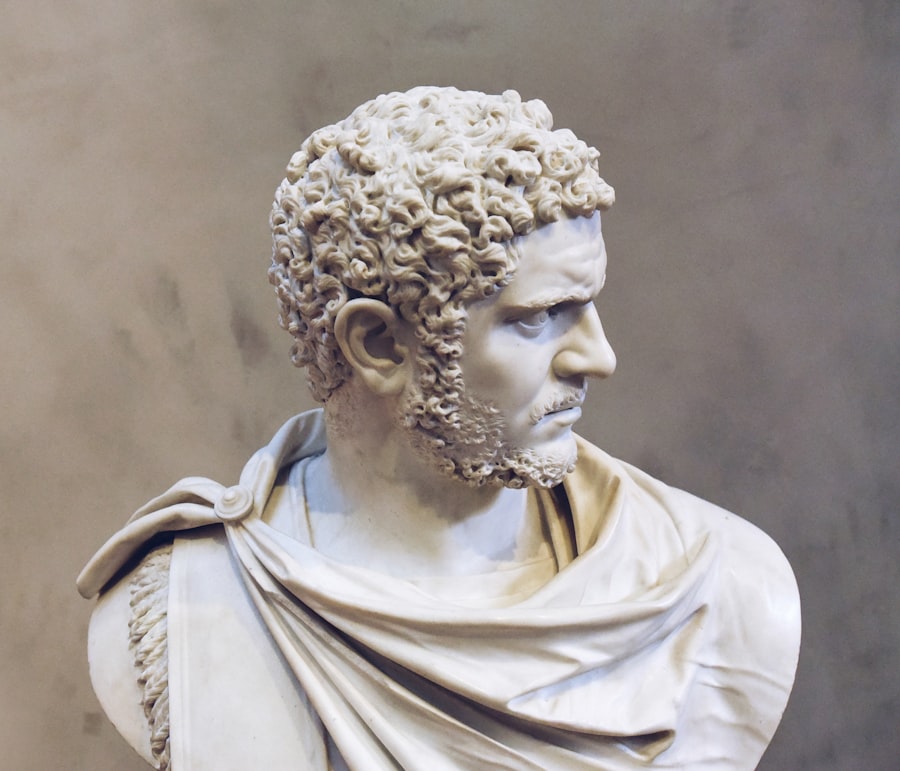
As you delve into the world of Stoicism, you’ll encounter several key philosophers whose contributions have significantly shaped the philosophy. Zeno of Citium, the founder, laid the groundwork for Stoic thought by emphasizing the importance of virtue and rationality. His teachings encourage you to align your actions with nature and reason, fostering a sense of harmony within yourself and with the world around you.
Understanding Zeno’s foundational ideas can provide you with a solid base from which to explore further. Another pivotal figure is Epictetus, a former slave who became one of the most influential Stoic teachers. His teachings focus on the distinction between what is within your control and what is not, urging you to concentrate your efforts on the former.
You may find his practical approach particularly relatable, as he emphasizes that true freedom comes from within—by mastering your thoughts and reactions.
His personal writings in “Meditations” offer profound insights into applying Stoic principles in everyday life.
By studying these thinkers, you can gain valuable perspectives on how to navigate your own challenges with wisdom and grace.
The Core Principles and Beliefs of Stoicism
| Core Principle | Description | Key Beliefs | Practical Application |
|---|---|---|---|
| Virtue as the Highest Good | Living in accordance with reason and moral excellence | Virtue is sufficient for happiness; external goods are indifferent | Focus on developing wisdom, courage, justice, and temperance |
| Control and Acceptance | Distinguishing between what is within our control and what is not | Only our own actions and judgments are truly controllable | Accept external events calmly and focus on personal responses |
| Living According to Nature | Aligning one’s life with the rational order of the universe | Human reason is part of universal reason (Logos) | Act rationally and harmoniously with the world around us |
| Emotional Resilience | Managing destructive emotions through reason | Emotions result from false judgments; cultivate tranquility | Practice mindfulness and cognitive reframing to maintain equanimity |
| Universal Brotherhood | Recognizing the common humanity and interconnectedness of all people | All humans share reason and should act with justice and kindness | Engage in social duties and treat others fairly and compassionately |
At the heart of Stoicism lies a set of core principles that guide its followers toward a virtuous life. One of the most fundamental beliefs is that virtue is the highest good. You may find that this principle encourages you to cultivate qualities such as wisdom, courage, justice, and temperance in your daily life.
By prioritizing virtue over external circumstances or material possessions, you can develop a sense of fulfillment that is independent of fleeting desires or societal expectations. Another essential tenet of Stoicism is the idea of living in accordance with nature. This concept invites you to recognize your place within the larger universe and to accept the natural order of things.
You might discover that embracing this perspective helps you cultivate gratitude for what you have while fostering resilience in the face of adversity. Additionally, Stoicism teaches the importance of rationality and self-reflection. By engaging in regular introspection, you can better understand your thoughts and emotions, allowing you to respond to life’s challenges with clarity and composure.
Applying Stoicism in Modern Life
In today’s fast-paced world, applying Stoic principles can be incredibly beneficial for your mental well-being. You may find that incorporating practices such as mindfulness and reflection into your daily routine helps you cultivate a more balanced perspective on life. For instance, taking time each day to reflect on your thoughts and actions can enhance your self-awareness and enable you to identify areas for growth.
By consciously choosing how to respond to challenges rather than reacting impulsively, you can navigate life’s ups and downs with greater ease. Moreover, embracing Stoicism can help you develop resilience in the face of adversity. When confronted with difficulties, remind yourself of the Stoic principle that challenges are opportunities for growth.
You might find it empowering to view setbacks as chances to practice patience and perseverance. By reframing your perspective on obstacles, you can cultivate a mindset that embraces change and uncertainty as integral parts of life’s journey.
Overcoming Challenges and Adversity through Stoicism
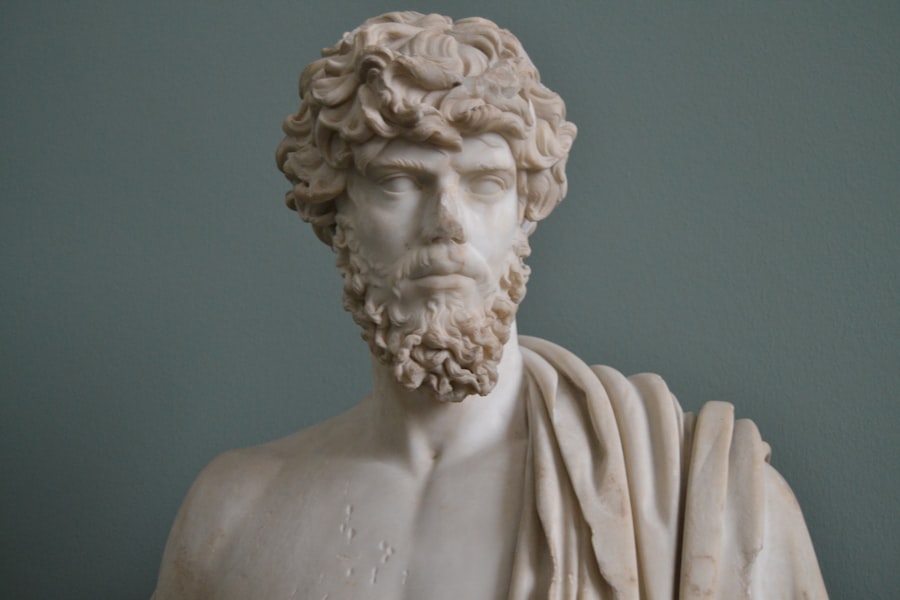
Life is filled with challenges, and Stoicism offers valuable tools for overcoming adversity. When faced with difficult situations, you can draw upon the Stoic practice of negative visualization—imagining worst-case scenarios to prepare yourself mentally for potential hardships. This technique can help reduce anxiety by allowing you to confront your fears head-on rather than avoiding them.
By acknowledging that adversity is a natural part of life, you can cultivate resilience and adaptability. Additionally, Stoicism teaches the importance of acceptance. You may find that accepting circumstances beyond your control allows you to focus your energy on what truly matters—your thoughts and actions.
This shift in perspective can empower you to respond to challenges with grace rather than frustration. By embracing the idea that obstacles are opportunities for growth, you can transform adversity into a catalyst for personal development.
The Role of Virtue and Ethics in Stoicism
Virtue plays a central role in Stoic philosophy, serving as the foundation for ethical living. You may find that cultivating virtues such as wisdom, courage, justice, and temperance not only enhances your character but also contributes to your overall well-being. By striving to embody these qualities in your daily interactions, you can foster meaningful relationships and create a positive impact on those around you.
Moreover, ethics in Stoicism emphasizes the interconnectedness of all individuals. Recognizing that we are part of a larger community encourages you to act with compassion and integrity toward others. You might discover that by prioritizing ethical behavior in your decisions, you contribute to a more harmonious society while also enriching your own life experience.
Cultivating Inner Peace and Tranquility with Stoic Practices
Cultivating inner peace is a fundamental goal of Stoicism, and there are several practices you can adopt to achieve this state of tranquility. One effective method is daily meditation or mindfulness exercises that allow you to center yourself amidst life’s chaos. By taking time each day to quiet your mind and reflect on your thoughts, you can develop greater clarity and emotional stability.
Another powerful practice is journaling—an opportunity for self-reflection where you can explore your thoughts and feelings without judgment. You might find it helpful to write about your experiences, challenges, and aspirations while considering how they align with Stoic principles. This practice not only fosters self-awareness but also serves as a tool for personal growth as you track your progress over time.
Embracing Stoic Resilience and Mental Toughness
Resilience is a hallmark of Stoic philosophy, encouraging you to develop mental toughness in the face of adversity. You may find that embracing challenges as opportunities for growth allows you to build resilience over time. When confronted with difficulties, remind yourself that every setback is an opportunity to practice patience and perseverance.
Additionally, cultivating a growth mindset—believing that your abilities can be developed through dedication and hard work—aligns closely with Stoic principles. By viewing challenges as stepping stones rather than obstacles, you empower yourself to face life’s uncertainties with confidence and determination.
The Intersection of Stoicism and Mindfulness
Stoicism and mindfulness share common ground in their emphasis on self-awareness and present-moment awareness. You may find that integrating mindfulness practices into your daily routine enhances your understanding of Stoic principles. By being fully present in each moment, you can observe your thoughts without judgment, allowing for greater emotional regulation.
Moreover, both philosophies encourage acceptance—acknowledging reality as it is rather than how you wish it to be. This alignment can help you cultivate a sense of peace amidst life’s challenges while fostering resilience in the face of adversity.
Elevating Stoicism: A Call to Action for Personal Growth and Development
As you explore the depths of Stoicism, consider it not just as a philosophy but as a call to action for personal growth and development. You have the power to apply its teachings in your life actively—transforming challenges into opportunities for self-improvement. Embrace the principles of virtue, resilience, and acceptance as guiding lights on your journey toward becoming the best version of yourself.
By committing to regular reflection and practice, you can elevate your understanding of Stoicism while fostering meaningful change in your life. Remember that personal growth is an ongoing journey; each step taken toward embodying Stoic principles brings you closer to inner peace and fulfillment. Embrace this journey wholeheartedly—your future self will thank you for it.
For those interested in exploring the principles of Stoicism from a different perspective, I recommend checking out this insightful article on productivity and mindfulness. You can view it [here](https://www.productivepatty.com/). This resource delves into how Stoic philosophy can enhance our daily lives and improve our overall well-being.
WATCH THIS! Imposter Syndrome is a Lie: 3 Stoic Hacks to Weaponize Self-Doubt
FAQs
What is the “View from Above” in Stoicism?
The “View from Above” is a Stoic meditation technique that involves imagining oneself observing life and events from a high vantage point, such as from the sky or outer space. This perspective helps individuals see their problems and daily concerns as small parts of a larger, interconnected universe, promoting detachment and tranquility.
Who introduced the concept of the “View from Above” in Stoicism?
The concept is primarily associated with the Stoic philosopher Marcus Aurelius, who described this practice in his work “Meditations.” It is also reflected in the writings of other Stoics like Seneca and Epictetus, who emphasized gaining perspective to manage emotions and challenges.
What is the purpose of practicing the “View from Above”?
The purpose is to cultivate a broader perspective on life, reduce emotional distress, and foster acceptance of things beyond one’s control. By seeing oneself as a small part of the vast cosmos, one can develop resilience, wisdom, and a sense of peace.
How does the “View from Above” relate to Stoic principles?
The practice aligns with key Stoic principles such as focusing on what is within one’s control, understanding the nature of the universe, and living in accordance with reason. It encourages detachment from fleeting emotions and external events, promoting inner calm and rational judgment.
Can the “View from Above” technique be used in modern life?
Yes, many people use the “View from Above” as a mindfulness or meditation tool to manage stress, anxiety, and negative emotions. It helps individuals gain perspective on their problems and make more thoughtful decisions in daily life.
Is the “View from Above” similar to other philosophical or spiritual practices?
While unique to Stoicism, the “View from Above” shares similarities with practices in other traditions that encourage perspective-taking, such as mindfulness meditation, certain Buddhist contemplations, and existential reflections on one’s place in the universe.
How often should one practice the “View from Above”?
There is no fixed rule, but Stoics often recommend regular practice, such as daily meditation or reflection sessions. Consistent use can strengthen one’s ability to maintain perspective during challenging situations.
Does the “View from Above” require any special skills or preparation?
No special skills are required. The practice mainly involves imagination and reflection. One simply visualizes looking down on oneself and the world from a great height, observing events without attachment or judgment.