
In today’s fast-paced world, it’s easy to confuse busywork with real productivity. You may find yourself engaged in tasks that keep you occupied but don’t necessarily contribute to your goals or the overall success of your projects. Busywork often consists of activities that give the illusion of progress, such as organizing files or responding to non-urgent emails.
While these tasks may seem necessary, they can distract you from more meaningful work that drives results. Recognizing this distinction is crucial for anyone looking to enhance their efficiency and effectiveness. Real productivity, on the other hand, involves engaging in tasks that align with your objectives and yield tangible outcomes.
When you focus on real productivity, you prioritize activities that contribute to your long-term goals, whether they involve completing a project, developing a new skill, or improving a process. By understanding the difference between busywork and real productivity, you can make more informed decisions about how to allocate your time and energy, ultimately leading to greater satisfaction and success in your endeavors.
Key Takeaways
- Busywork often feels productive but doesn’t contribute to meaningful outcomes, unlike real productivity.
- Recognizing and minimizing busywork can significantly improve overall efficiency and focus.
- Effective time management and clear goal-setting are crucial for maximizing true productivity.
- Leveraging technology and fostering collaboration help streamline tasks and enhance work quality.
- Balancing workload and avoiding burnout are essential for sustaining long-term efficiency and well-being.
Identifying busywork can be challenging, especially when you’re caught up in the whirlwind of daily tasks. You might find yourself spending hours on activities that feel productive but don’t actually move the needle forward. Common examples of busywork include excessive meetings that lack clear agendas, endlessly revising documents without a clear purpose, or engaging in social media interactions that don’t contribute to your professional goals.
These activities can consume your time and energy, leaving you feeling drained without any real sense of accomplishment. The pitfalls of busywork extend beyond mere time wastage; they can also lead to frustration and burnout. When you invest significant effort into tasks that don’t yield results, it can create a sense of futility.
You may feel like you’re constantly busy but never making progress, which can diminish your motivation and enthusiasm for your work. By learning to recognize these common examples of busywork, you can take proactive steps to eliminate them from your routine and focus on what truly matters.
The Impact of Busywork on Overall Efficiency
The impact of busywork on overall efficiency cannot be overstated. When you allow busywork to dominate your schedule, you inadvertently create a bottleneck that hinders your ability to achieve meaningful results. This inefficiency can lead to missed deadlines, increased stress levels, and a general sense of dissatisfaction with your work.
You may find yourself working longer hours without seeing a corresponding increase in productivity, which can be disheartening. Moreover, busywork can have a ripple effect on your team and organization as a whole. When individuals engage in non-essential tasks, it can create a culture of inefficiency where everyone feels compelled to stay busy rather than focusing on high-impact work.
This not only affects individual performance but can also stifle innovation and collaboration within teams. By understanding the detrimental effects of busywork on overall efficiency, you can take steps to cultivate a more productive work environment for yourself and those around you.
Strategies for Minimizing Busywork in Daily Tasks
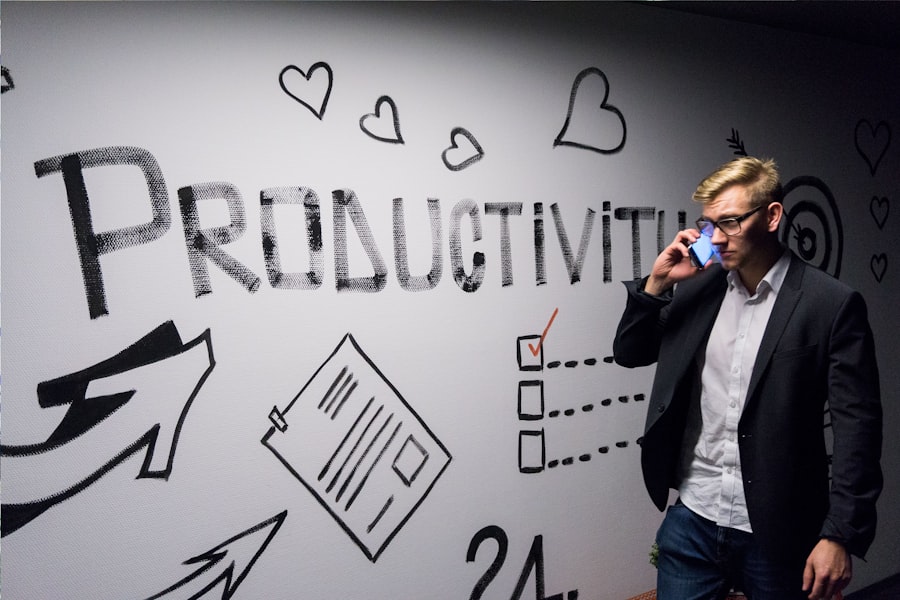
To minimize busywork in your daily tasks, it’s essential to adopt a more strategic approach to how you manage your time and responsibilities. One effective strategy is to conduct a regular review of your tasks and prioritize them based on their importance and urgency. By categorizing tasks into high-priority and low-priority buckets, you can focus your efforts on activities that truly matter while delegating or eliminating those that don’t contribute to your goals.
Another useful technique is to set specific time blocks for focused work. By allocating dedicated periods for deep work without distractions, you can significantly reduce the temptation to engage in busywork. During these focused sessions, turn off notifications, close unnecessary tabs, and create an environment conducive to concentration.
This approach not only helps you stay on track but also fosters a sense of accomplishment as you complete meaningful tasks within those time frames.
Techniques for Maximizing Real Productivity
| Technique | Description | Key Metrics | Expected Impact |
|---|---|---|---|
| Time Blocking | Allocating specific blocks of time to different tasks to improve focus and reduce multitasking. | Hours blocked per day, Tasks completed per block | Increase in task completion rate by 20-30% |
| Pomodoro Technique | Working in focused intervals (usually 25 minutes) followed by short breaks. | Number of Pomodoros completed, Focus duration | Improved concentration and reduced burnout |
| Prioritization (Eisenhower Matrix) | Classifying tasks by urgency and importance to focus on high-impact activities. | Percentage of high-priority tasks completed, Time spent on urgent vs important tasks | Better decision-making and time allocation |
| Task Batching | Grouping similar tasks together to minimize context switching. | Number of batches per day, Average time per batch | Reduction in task switching time by up to 40% |
| Eliminating Distractions | Removing or minimizing interruptions such as notifications and noise. | Number of interruptions per hour, Focused work time | Increase in deep work periods by 50% |
| Setting SMART Goals | Creating Specific, Measurable, Achievable, Relevant, and Time-bound objectives. | Goal completion rate, Time to achieve goals | Higher clarity and motivation leading to improved productivity |
| Regular Breaks | Taking short breaks to refresh and prevent mental fatigue. | Break frequency, Productivity levels post-break | Maintains sustained productivity throughout the day |
Maximizing real productivity requires intentionality and the implementation of effective techniques that align with your goals. One powerful method is the Pomodoro Technique, which involves working in short bursts followed by brief breaks. This technique helps maintain focus while preventing burnout by allowing you to recharge periodically.
By breaking your work into manageable intervals, you can sustain high levels of concentration and make steady progress toward your objectives. Additionally, consider adopting the practice of setting SMART goals—Specific, Measurable, Achievable, Relevant, and Time-bound. By clearly defining what you want to achieve and establishing criteria for success, you create a roadmap that guides your efforts.
This clarity not only enhances motivation but also enables you to track your progress effectively. As you achieve these goals, you’ll experience a sense of fulfillment that reinforces your commitment to real productivity.
The Role of Time Management in Efficiency
Time management plays a pivotal role in enhancing efficiency and ensuring that you allocate your resources effectively. You may find it helpful to utilize tools such as calendars or task management apps to organize your schedule and keep track of deadlines. By visualizing your commitments, you can identify potential conflicts and make adjustments as needed to avoid overcommitting yourself.
Moreover, practicing the art of saying no is essential for effective time management.
By being selective about where you invest your time and energy, you can create space for meaningful work that aligns with your goals.
Leveraging Technology to Streamline Tasks

In an age where technology is ubiquitous, leveraging digital tools can significantly streamline your tasks and enhance productivity. Consider using project management software that allows you to collaborate with team members seamlessly while keeping track of progress in real-time. These platforms often come equipped with features such as task assignments, deadlines, and progress tracking, which can help eliminate confusion and ensure everyone is aligned toward common objectives.
Additionally, automation tools can save you valuable time by handling repetitive tasks that would otherwise consume your attention. For instance, email filters can help prioritize important messages while automating responses for common inquiries can free up time for more critical responsibilities. By embracing technology as an ally in your quest for efficiency, you can focus on high-impact work while minimizing the burden of mundane tasks.
The Importance of Prioritizing and Setting Clear Goals
Prioritizing tasks and setting clear goals are fundamental components of an efficient workflow. When you take the time to identify what truly matters in your work, you empower yourself to make informed decisions about where to direct your efforts. Start by creating a list of tasks and categorizing them based on their significance and deadlines.
This exercise not only clarifies what needs immediate attention but also helps prevent overwhelm by breaking down larger projects into manageable steps. Setting clear goals is equally important for maintaining focus and motivation. When you establish specific objectives for yourself—whether they are daily, weekly, or monthly—you create a sense of purpose that drives your actions.
Regularly reviewing these goals allows you to assess your progress and make necessary adjustments along the way. This proactive approach ensures that you remain aligned with your overarching vision while minimizing distractions from busywork.
Creating a Productive Work Environment
Your work environment plays a significant role in shaping your productivity levels. To foster an atmosphere conducive to focus and creativity, consider decluttering your workspace and organizing it in a way that promotes efficiency. A clean and organized environment minimizes distractions and allows you to concentrate on the task at hand without unnecessary interruptions.
Additionally, consider incorporating elements that inspire motivation and creativity into your workspace. Whether it’s adding plants for a touch of nature or displaying motivational quotes that resonate with you, these small changes can have a profound impact on your mindset and overall productivity. By curating an environment that aligns with your values and aspirations, you set the stage for success in achieving your goals.
The Benefits of Delegating and Collaborating
Delegating tasks and collaborating with others are powerful strategies for enhancing productivity while minimizing busywork. You may find that certain responsibilities can be effectively handled by team members who possess complementary skills or expertise. By entrusting these tasks to others, you free up valuable time to focus on high-priority projects that require your unique insights.
Collaboration also fosters creativity and innovation by bringing diverse perspectives together. Engaging with colleagues allows for brainstorming sessions where ideas can flourish and evolve into actionable plans. Embracing teamwork not only enhances efficiency but also creates a sense of camaraderie that boosts morale within the workplace.
Maintaining a Balance: Avoiding Burnout while Maximizing Efficiency
While striving for efficiency is commendable, it’s essential to maintain a balance that prevents burnout from creeping in. You may find yourself pushing hard to achieve results, but neglecting self-care can lead to diminishing returns over time. Prioritizing breaks throughout the day allows you to recharge mentally and physically, ensuring that you remain focused when it matters most.
Additionally, consider incorporating mindfulness practices into your routine—whether through meditation or simple breathing exercises—to cultivate awareness and reduce stress levels. By recognizing when you need to step back and recharge, you empower yourself to sustain high levels of productivity without sacrificing your well-being. Ultimately, achieving efficiency is not just about working harder; it’s about working smarter while taking care of yourself along the way.
In conclusion, understanding the difference between busywork and real productivity is essential for anyone looking to enhance their efficiency in today’s demanding environment. By identifying common examples of busywork, implementing strategies to minimize it, leveraging technology effectively, prioritizing tasks, creating a conducive work environment, collaborating with others, and maintaining balance in life, you can maximize real productivity while avoiding burnout. Embrace these principles as guiding tenets in your journey toward achieving meaningful results in both personal and professional realms.
In the ongoing debate between busywork and real productivity, it’s essential to distinguish between tasks that merely keep us occupied and those that drive meaningful results. A related article that delves deeper into this topic can be found on Productive Patty, where the nuances of effective time management are explored. For more insights, check out the article [here](https://www.productivepatty.com/).
WATCH THIS! The “Hard Worker” Lie That Keeps You Broke and Burned Out
FAQs
What is busywork?
Busywork refers to tasks that keep a person occupied but do not significantly contribute to meaningful progress or important goals. These activities often feel productive but have little impact on overall outcomes.
How does busywork differ from real productivity?
Real productivity involves completing tasks that directly contribute to achieving important objectives and generating valuable results. Unlike busywork, productive work is purposeful, efficient, and outcome-focused.
Why is it important to distinguish between busywork and real productivity?
Distinguishing between the two helps individuals and organizations focus their time and energy on activities that drive progress and success, rather than merely staying busy without meaningful results.
What are common examples of busywork?
Examples of busywork include excessive email checking, unnecessary meetings, repetitive data entry, and organizing files without a clear purpose. These tasks often consume time without advancing key goals.
How can one avoid busywork and increase real productivity?
To avoid busywork, prioritize tasks based on their impact, set clear goals, delegate when possible, and regularly review activities to ensure they align with desired outcomes. Time management techniques and focusing on high-value tasks also help.
Can busywork ever be beneficial?
While generally unproductive, some busywork can serve as a mental break or help maintain routine. However, it should not replace tasks that contribute to meaningful progress.
What role does time management play in distinguishing busywork from real productivity?
Effective time management helps identify and allocate time to high-priority tasks, reducing the likelihood of spending excessive time on busywork and enhancing overall productivity.
How can organizations reduce busywork among employees?
Organizations can reduce busywork by streamlining processes, clarifying roles and responsibilities, minimizing unnecessary meetings, and encouraging a results-oriented culture focused on impactful work.