
Setting clear goals and priorities is the cornerstone of effective time management. When you take the time to define what you want to achieve, you create a roadmap that guides your daily activities. Start by identifying both short-term and long-term goals.
Short-term goals might include completing a project by the end of the week, while long-term goals could involve advancing in your career or improving your health over the next year. By articulating these objectives, you can prioritize tasks that align with your aspirations, ensuring that your efforts are directed toward what truly matters.
You might find it helpful to use a prioritization matrix, which categorizes tasks into four quadrants: urgent and important, important but not urgent, urgent but not important, and neither urgent nor important. This method allows you to focus on what will have the most significant impact on your life and work. By regularly reviewing and adjusting your priorities, you can stay aligned with your goals and make informed decisions about where to invest your time and energy.
Key Takeaways
- Set clear goals and prioritize tasks to focus on what matters most.
- Create and adhere to a schedule to manage time effectively.
- Minimize distractions and delegate tasks to increase productivity.
- Use time management techniques and productivity tools to optimize workflow.
- Take regular breaks, stay organized, and invest in self-care to maintain well-being.
Create a Schedule and Stick to It
Creating a schedule is a powerful way to manage your time effectively. A well-structured schedule serves as a blueprint for your day, helping you allocate time for various tasks and activities. Start by mapping out your week, blocking off time for work commitments, personal projects, and even leisure activities.
This not only provides clarity but also helps you visualize how your time is spent. You may find it beneficial to use digital calendars or planners that allow for easy adjustments as needed. Sticking to your schedule can be challenging, especially when unexpected events arise.
However, maintaining discipline is crucial for effective time management. Consider setting reminders for important tasks or using time-blocking techniques to ensure you stay on track. If you find yourself deviating from your schedule, take a moment to assess why that happened and make necessary adjustments.
Flexibility is essential, but consistency in following your planned schedule will ultimately lead to greater productivity and a sense of accomplishment.
Eliminate Distractions

Distractions can significantly hinder your productivity and derail your focus. To manage your time effectively, it’s vital to identify and eliminate these distractions. Start by assessing your environment—are there specific noises or interruptions that pull you away from your work?
You might consider creating a dedicated workspace that minimizes distractions, whether that means finding a quiet room or using noise-canceling headphones. Additionally, be mindful of digital distractions; social media notifications and constant email alerts can easily divert your attention. Another effective strategy is to set boundaries with those around you.
Communicate your need for focused work time to family members or colleagues, so they understand when you should not be disturbed. You might also want to designate specific times for checking emails or social media, rather than allowing them to interrupt your workflow throughout the day. By taking proactive steps to eliminate distractions, you can create an environment conducive to concentration and productivity.
Delegate or Outsource Tasks
| Task Type | Average Time Spent (hours/week) | Percentage Suitable for Delegation | Common Outsourcing Options | Benefits of Delegation/Outsourcing |
|---|---|---|---|---|
| Administrative Tasks | 8 | 85% | Virtual Assistants, Data Entry Services | Time savings, Increased focus on core activities |
| Customer Support | 10 | 70% | Call Centers, Chat Support Services | Improved response times, 24/7 availability |
| Content Creation | 6 | 60% | Freelance Writers, Graphic Designers | Access to expertise, Higher quality output |
| Accounting & Bookkeeping | 5 | 90% | Accounting Firms, Online Bookkeeping Services | Accuracy, Compliance, Cost efficiency |
| IT Support | 7 | 75% | Managed IT Services, Freelance Technicians | Reduced downtime, Expert problem solving |
Delegating or outsourcing tasks is an often-overlooked strategy for effective time management. You may feel inclined to take on every responsibility yourself, but this can lead to overwhelm and burnout. Recognizing that you don’t have to do everything allows you to focus on what you do best while empowering others to contribute their skills.
Start by identifying tasks that can be delegated—these might include administrative duties, research, or even household chores. When considering outsourcing, think about the resources available to you. This could involve hiring freelancers for specific projects or utilizing services that can handle routine tasks like cleaning or grocery shopping.
By freeing up your time from these responsibilities, you can concentrate on higher-priority activities that align with your goals. Delegation not only enhances your productivity but also fosters collaboration and teamwork, creating a more efficient workflow.
Use Time Management Techniques
Incorporating time management techniques into your routine can significantly enhance your productivity. One popular method is the Pomodoro Technique, which involves working in focused bursts of 25 minutes followed by a 5-minute break. This approach helps maintain concentration while preventing fatigue.
You might find that setting a timer creates a sense of urgency that propels you through tasks more efficiently. Another effective technique is the Eisenhower Matrix, which helps prioritize tasks based on their urgency and importance.
Experimenting with different techniques will allow you to discover what works best for you, ultimately leading to improved time management skills.
Take Breaks to Avoid Burnout
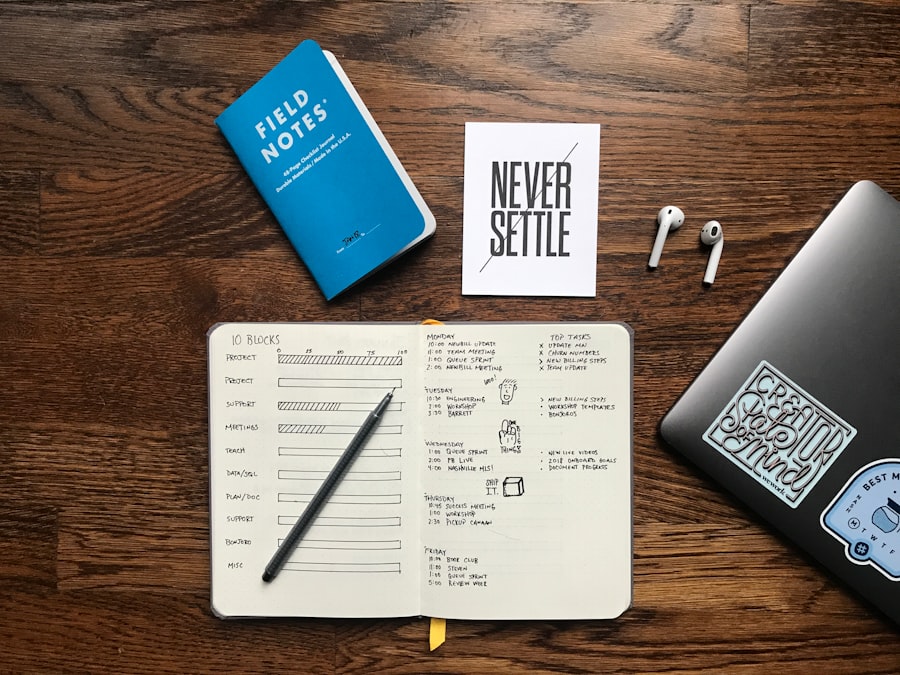
Taking breaks is essential for maintaining productivity and preventing burnout. When you push yourself to work continuously without rest, your efficiency diminishes over time. Incorporating regular breaks into your schedule allows your mind to recharge and enhances overall focus when you return to work.
Consider implementing short breaks every hour or longer breaks after completing significant tasks; this will help sustain your energy levels throughout the day. During breaks, engage in activities that promote relaxation and rejuvenation. This could involve going for a walk, practicing mindfulness or meditation, or simply stepping away from screens for a few moments.
By prioritizing self-care during these breaks, you’ll return to your tasks with renewed vigor and clarity of thought. Remember that taking breaks is not a sign of weakness; rather, it’s a strategic approach to maintaining long-term productivity.
Stay Organized and Clutter-Free
An organized workspace contributes significantly to effective time management. Clutter can create mental distractions and hinder your ability to focus on tasks at hand. Take the time to declutter your physical space by removing unnecessary items and organizing essential tools in a way that makes them easily accessible.
A clean environment fosters clarity and allows you to concentrate better on your work. In addition to physical organization, consider implementing digital organization strategies as well. Organize files on your computer into clearly labeled folders and regularly delete unnecessary documents or emails.
Utilizing project management tools can also help keep track of tasks and deadlines in an organized manner. By maintaining an organized system—both physically and digitally—you’ll streamline your workflow and enhance overall productivity.
Utilize Technology and Productivity Tools
In today’s digital age, technology offers numerous tools designed to enhance productivity and streamline time management processes. From task management apps like Trello or Asana to calendar applications like Google Calendar, these tools can help you stay organized and focused on your priorities. Explore various options available to find the ones that best suit your needs; many of these tools offer features such as reminders, collaboration capabilities, and progress tracking.
Additionally, consider using automation tools that can handle repetitive tasks for you. For instance, email filters can sort incoming messages automatically, while scheduling tools can help plan meetings without the back-and-forth communication typically involved. By leveraging technology effectively, you can save valuable time and energy that can be redirected toward more meaningful activities.
Seek Accountability and Support
Seeking accountability and support from others can significantly enhance your time management efforts. Sharing your goals with friends, family members, or colleagues creates a sense of responsibility that encourages you to stay committed to your objectives. Consider forming an accountability group where members regularly check in on each other’s progress; this collaborative approach fosters motivation and provides valuable feedback.
Additionally, don’t hesitate to seek support when needed. Whether it’s asking for help with specific tasks or seeking advice on overcoming challenges, reaching out can provide fresh perspectives and solutions. Surrounding yourself with supportive individuals who understand your goals will create an environment conducive to growth and success.
Invest in Self-Care and Wellness
Investing in self-care is crucial for maintaining overall well-being and enhancing productivity. When you prioritize physical health through regular exercise, balanced nutrition, and adequate sleep, you equip yourself with the energy needed to tackle daily challenges effectively. Make self-care a non-negotiable part of your routine; this could involve setting aside time for hobbies, practicing mindfulness techniques, or simply enjoying moments of relaxation.
Mental wellness is equally important in managing time effectively. Engage in activities that promote mental clarity and reduce stress—this could include journaling, meditation, or spending time in nature. By nurturing both physical and mental health, you’ll cultivate resilience against burnout while enhancing focus and creativity in your work.
Continuously Evaluate and Improve Processes
Effective time management is an ongoing process that requires regular evaluation and improvement of your strategies. Take the time to reflect on what works well for you and what doesn’t; this self-assessment will help identify areas for growth. Consider keeping a journal where you document successes and challenges related to time management; this practice will provide insights into patterns that may need adjustment.
Additionally, remain open to trying new techniques or tools as they become available. The landscape of productivity is constantly evolving; staying informed about emerging trends can provide fresh ideas for enhancing efficiency in your daily routine. By committing to continuous improvement in your time management practices, you’ll cultivate habits that lead to sustained success over the long term.
In conclusion, mastering effective time management involves setting clear goals, creating structured schedules, eliminating distractions, delegating tasks when necessary, utilizing technology wisely, taking breaks for rejuvenation, staying organized, seeking support from others, investing in self-care, and continuously evaluating processes for improvement. By implementing these strategies into your daily life, you’ll not only enhance productivity but also create a more balanced approach to achieving personal and professional success.
For side hustlers looking to maximize their productivity, a great resource is the article on time management strategies found at Productive Patty. This article offers practical tips and techniques that can help you balance your main job with your side projects, ensuring that you make the most of your limited time. Whether you’re just starting out or looking to refine your approach, these insights can be invaluable in achieving your goals.
WATCH THIS! The “Hard Worker” Lie That Keeps You Broke and Burned Out
FAQs
What are some effective productivity tips for side hustlers?
Effective productivity tips for side hustlers include setting clear goals, creating a dedicated workspace, prioritizing tasks using methods like the Eisenhower Matrix, batching similar tasks, using time-blocking techniques, minimizing distractions, and leveraging productivity tools and apps.
How can side hustlers manage their time efficiently?
Side hustlers can manage their time efficiently by planning their day in advance, using calendars or planners, breaking tasks into smaller steps, setting deadlines, and allocating specific time slots for side hustle activities separate from their main job and personal life.
Why is prioritization important for side hustlers?
Prioritization is important because side hustlers often have limited time and resources. Focusing on high-impact tasks ensures that their efforts lead to meaningful progress and prevents burnout from trying to do too many things at once.
What tools can help side hustlers stay productive?
Tools that help side hustlers stay productive include task management apps like Trello or Asana, time-tracking apps such as Toggl, note-taking apps like Evernote, calendar apps for scheduling, and communication tools like Slack or Zoom for collaboration.
How can side hustlers avoid burnout?
Side hustlers can avoid burnout by setting realistic goals, taking regular breaks, maintaining a healthy work-life balance, getting enough sleep, and knowing when to delegate tasks or pause their side hustle to recharge.
Is it important for side hustlers to set boundaries?
Yes, setting boundaries is crucial to prevent side hustle work from interfering with personal time or primary job responsibilities. Clear boundaries help maintain focus, reduce stress, and improve overall productivity.
Can batching tasks improve productivity for side hustlers?
Yes, batching similar tasks together can reduce the time lost in switching between different types of work, leading to increased focus and efficiency.
How does goal setting impact side hustle productivity?
Goal setting provides direction and motivation, helping side hustlers stay focused on what matters most and track their progress, which enhances productivity and achievement.