
Stress is an inevitable part of life, and its effects can permeate various aspects of your well-being, particularly your sleep. When you experience stress, your body enters a heightened state of alertness, which can lead to difficulties in falling asleep or staying asleep. You may find that your mind races with thoughts and worries, making it challenging to relax and drift off into a peaceful slumber.
This cycle can create a vicious loop where lack of sleep exacerbates stress, leading to further sleep disturbances. Moreover, the impact of stress on sleep is not just about the quantity of sleep you get; it also affects the quality. You might wake up feeling unrested, even after a full night’s sleep, due to the fragmented nature of your rest.
Stress can lead to increased awakenings during the night and a lighter sleep stage, preventing you from reaching the deeper, restorative phases of sleep that are crucial for physical and mental recovery. Understanding this connection is the first step toward breaking the cycle and reclaiming your restful nights.
Key Takeaways
- Stress significantly disrupts sleep quality and patterns.
- Elevated cortisol levels play a key role in sleep disturbances.
- Anxiety and work-related stress are major contributors to insomnia.
- Mindfulness, meditation, and relaxing bedtime routines improve sleep.
- Professional help and a supportive sleep environment aid chronic cases.
The Role of Cortisol in Sleep Disruption
Cortisol, often referred to as the “stress hormone,” plays a significant role in how stress affects your sleep. When you encounter stress, your body releases cortisol as part of the fight-or-flight response. While this hormone is essential for managing stress in the short term, chronic elevation of cortisol levels can lead to significant sleep disruptions.
You may notice that your body feels wired or restless at night, making it difficult to unwind and prepare for sleep. Elevated cortisol levels can interfere with your circadian rhythm, the internal clock that regulates your sleep-wake cycle. This disruption can lead to insomnia or other sleep disorders, as your body struggles to find a natural rhythm amidst the chaos of stress.
You might find yourself tossing and turning, unable to settle into a deep sleep due to the lingering effects of cortisol. Recognizing how cortisol influences your sleep patterns can empower you to take steps toward managing stress more effectively.
Identifying Common Causes of Stress-induced Sleep Disruption

To tackle stress-induced sleep disruption, it’s essential to identify the common causes that may be affecting you. Everyday life presents numerous stressors, from work pressures and financial concerns to personal relationships and health issues. You may find that certain situations trigger your stress response more than others, leading to sleepless nights filled with worry and anxiety.
By pinpointing these stressors, you can begin to address them directly. Additionally, lifestyle factors can contribute significantly to stress levels and, consequently, your ability to sleep well. Poor diet, lack of exercise, and irregular sleep schedules can all exacerbate feelings of stress and anxiety.
You might notice that consuming caffeine or alcohol close to bedtime disrupts your ability to relax and fall asleep. By becoming aware of these factors in your life, you can take proactive steps to mitigate their impact on your sleep quality.
The Connection Between Anxiety and Insomnia
Anxiety and insomnia often go hand in hand, creating a challenging cycle that can be difficult to break. When you experience anxiety, your mind may race with worries about the future or ruminate on past events, making it nearly impossible to quiet your thoughts at night. You may find yourself lying awake, feeling overwhelmed by a sense of dread or unease that prevents you from achieving restful sleep.
This connection between anxiety and insomnia can lead to a heightened sense of frustration as you struggle to find relief. The more you worry about not being able to sleep, the more anxious you become, further compounding the problem. Understanding this relationship is crucial for developing effective strategies to manage both anxiety and insomnia.
By addressing the root causes of your anxiety, you can create a more conducive environment for restful sleep.
How Work-related Stress Affects Sleep Patterns
| Metric | Description | Typical Range | Impact of Stress |
|---|---|---|---|
| Sleep Latency | Time taken to fall asleep | 10-20 minutes | Increases by 10-30 minutes |
| Total Sleep Time | Duration of sleep per night | 7-9 hours | Decreases by 1-2 hours |
| Wake After Sleep Onset (WASO) | Time awake after initially falling asleep | 20-30 minutes | Increases by 15-45 minutes |
| Sleep Efficiency | Percentage of time in bed spent asleep | 85-95% | Decreases by 10-20% |
| REM Sleep Percentage | Proportion of sleep spent in REM stage | 20-25% | Decreases by 5-10% |
| Deep Sleep Percentage (N3) | Proportion of sleep spent in deep sleep stage | 13-23% | Decreases by 5-15% |
| Subjective Sleep Quality | Self-reported sleep satisfaction | Good to excellent | Often rated poor or restless |
Work-related stress is a prevalent issue that many people face today, and its impact on sleep patterns cannot be underestimated. You may find that deadlines, long hours, or workplace conflicts contribute significantly to your overall stress levels. As you bring work-related worries home with you, it becomes increasingly challenging to unwind and prepare for a good night’s rest.
The pressure to perform at work can lead to racing thoughts about tasks left unfinished or concerns about job security. This mental burden often manifests at night when you should be relaxing. You might experience difficulty falling asleep or find yourself waking up frequently throughout the night due to work-related thoughts intruding on your mind.
Recognizing how work-related stress affects your sleep is vital for finding ways to create boundaries between your professional and personal life.
The Influence of Technology and Screen Time on Sleep Quality
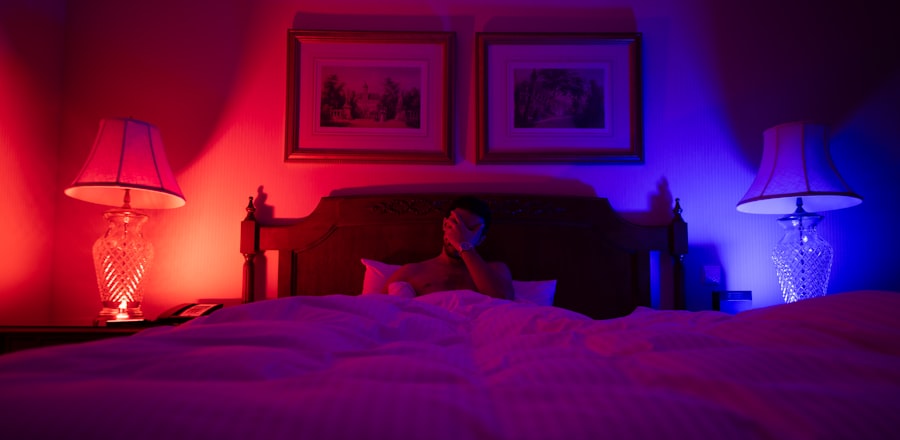
In today’s digital age, technology plays a significant role in our daily lives, but it can also negatively impact your sleep quality. The blue light emitted by screens—whether from smartphones, tablets, or computers—can interfere with your body’s natural production of melatonin, the hormone responsible for regulating sleep. You may find yourself scrolling through social media or responding to emails late into the night, unaware of how this behavior affects your ability to fall asleep.
Moreover, constant connectivity can heighten feelings of stress and anxiety as you remain engaged with work or social obligations even during your downtime. This lack of separation between work and relaxation can make it difficult for you to unwind at night. To improve your sleep quality, consider setting boundaries around technology use in the evening hours.
By creating a tech-free zone before bedtime, you can allow yourself the opportunity to disconnect and prepare for restful sleep.
Strategies for Managing Stress to Improve Sleep
Managing stress effectively is crucial for improving your sleep quality. One strategy you might consider is incorporating regular physical activity into your routine. Exercise has been shown to reduce stress levels and promote better sleep by releasing endorphins that enhance mood and relaxation.
Even a simple walk in nature or a short workout session can help clear your mind and prepare your body for rest. Another effective approach is practicing relaxation techniques such as deep breathing exercises or progressive muscle relaxation. These methods can help calm your mind and body before bedtime, making it easier for you to transition into sleep.
You might also explore journaling as a way to process your thoughts and feelings before bed; writing down your worries can help release them from your mind and create a sense of closure for the day.
The Importance of Establishing a Relaxing Bedtime Routine
Creating a relaxing bedtime routine is essential for signaling to your body that it’s time to wind down and prepare for sleep. You might consider incorporating calming activities such as reading a book, taking a warm bath, or practicing gentle yoga stretches into your nightly ritual. These activities can help lower cortisol levels and promote relaxation, making it easier for you to fall asleep.
Consistency is key when establishing a bedtime routine; try to go to bed and wake up at the same time each day, even on weekends. This regularity helps regulate your body’s internal clock and reinforces healthy sleep patterns over time. By prioritizing a calming pre-sleep routine, you create an environment conducive to restful nights and rejuvenating sleep.
Exploring the Benefits of Mindfulness and Meditation for Better Sleep
Mindfulness and meditation have gained popularity as effective tools for managing stress and improving sleep quality. By practicing mindfulness techniques, you can cultivate awareness of your thoughts and feelings without judgment, allowing you to let go of worries that may keep you awake at night. You might find that dedicating just a few minutes each day to mindfulness meditation helps create a sense of calm that carries over into your nighttime routine.
Meditation can also help train your mind to focus on the present moment rather than ruminating on past events or future anxieties. Guided meditation apps or online resources can provide structured practices tailored specifically for promoting better sleep. As you incorporate mindfulness into your daily life, you may notice an improvement in both your stress levels and overall sleep quality.
Seeking Professional Help for Chronic Stress-induced Sleep Disruption
If you find that stress-induced sleep disruption persists despite trying various strategies, it may be time to seek professional help. A healthcare provider or mental health professional can offer guidance tailored specifically to your needs. They may recommend cognitive-behavioral therapy (CBT) for insomnia or other therapeutic approaches designed to address underlying issues contributing to your stress and sleep difficulties.
Additionally, discussing any potential medical conditions or medications that could be affecting your sleep is essential.
Remember that seeking help is a sign of strength; taking proactive steps toward improving your well-being is crucial for achieving restful nights.
Creating a Supportive and Comfortable Sleep Environment
Your sleep environment plays a significant role in determining the quality of your rest. To create a supportive atmosphere conducive to sleep, consider factors such as lighting, temperature, and noise levels in your bedroom. You might find that keeping the room dark and cool helps signal to your body that it’s time for rest.
Investing in comfortable bedding and pillows can also enhance your sleeping experience; after all, comfort is key when it comes to achieving restorative sleep. Additionally, consider incorporating calming scents such as lavender through essential oils or candles to promote relaxation in your space. By intentionally designing a supportive environment for sleep, you set the stage for improved restfulness and overall well-being.
In conclusion, understanding the multifaceted relationship between stress and sleep is essential for reclaiming restful nights. By recognizing how factors like cortisol levels, anxiety, work-related pressures, technology use, and environmental conditions influence your ability to sleep well, you empower yourself with knowledge that can lead to positive change. Implementing strategies such as mindfulness practices, establishing relaxing bedtime routines, seeking professional help when needed, and creating a comfortable sleeping environment will pave the way toward improved sleep quality and overall well-being.
Sleep disruption is a common issue faced by many individuals, often exacerbated by stress and anxiety. For those looking to understand the connection between stress and sleep quality, a related article can be found on Productive Patty, which explores various strategies to manage stress and improve sleep. You can read more about it in this insightful piece: com/’>Productive Patty.
WATCH THIS! 🧠 Cortisol Is The REAL Productivity Killer (And How to End the Burnout Loop)
FAQs
What is sleep disruption caused by stress?
Sleep disruption from stress refers to difficulties in falling asleep, staying asleep, or experiencing restful sleep due to psychological or emotional stress. Stress activates the body’s fight-or-flight response, which can interfere with normal sleep patterns.
How does stress affect sleep quality?
Stress increases the production of stress hormones like cortisol, which can make it harder to relax and fall asleep. It can also cause frequent awakenings during the night and reduce the amount of deep, restorative sleep.
What are common symptoms of sleep disruption due to stress?
Common symptoms include difficulty falling asleep, waking up multiple times during the night, feeling tired upon waking, experiencing nightmares, and having trouble concentrating during the day.
Can chronic stress lead to long-term sleep problems?
Yes, chronic stress can lead to persistent sleep disturbances such as insomnia, which may negatively impact overall health, mood, and cognitive function.
What are some effective ways to manage stress-related sleep disruption?
Effective strategies include practicing relaxation techniques (e.g., deep breathing, meditation), maintaining a consistent sleep schedule, creating a comfortable sleep environment, limiting caffeine and screen time before bed, and seeking professional help if needed.
When should someone seek medical advice for sleep disruption caused by stress?
If sleep problems persist for more than a few weeks, significantly affect daily functioning, or are accompanied by symptoms of anxiety or depression, it is advisable to consult a healthcare professional for evaluation and treatment.
Does exercise help reduce stress-related sleep problems?
Regular physical activity can help reduce stress and improve sleep quality. However, exercising too close to bedtime may interfere with sleep for some individuals.
Are there any medications to treat sleep disruption from stress?
Some medications may be prescribed to manage sleep problems related to stress, but they are typically recommended for short-term use. Non-pharmacological approaches are preferred as first-line treatments. Always consult a healthcare provider before using medication.