In today’s fast-paced world, finding ways to enhance productivity can feel like a daunting task. You may often find yourself juggling multiple responsibilities, from work commitments to personal projects, all while trying to maintain a semblance of balance in your life. However, what if you could harness the power of games to boost your productivity?
Productivity-boosting games are designed not only for entertainment but also to sharpen your skills, improve your focus, and enhance your overall efficiency. By engaging with these games, you can transform your downtime into a productive experience that fosters growth and development. These games come in various forms, each targeting different aspects of productivity.
Whether you are looking to improve your critical thinking, time management, or even your physical well-being, there is a game out there that can help you achieve your goals. The beauty of productivity-boosting games lies in their ability to make learning enjoyable. You can immerse yourself in a world of challenges and rewards while simultaneously honing skills that will serve you well in your daily life.
As you explore the different categories of these games, you will discover how they can seamlessly integrate into your routine, making productivity feel less like a chore and more like an engaging adventure.
Key Takeaways
- Productivity-boosting games can improve critical thinking, decision making, organizational skills, problem-solving abilities, creativity, imagination, real-life skills, teamwork, collaboration, cognitive enhancement, physical and mental well-being, continuous learning, and growth.
- Strategy games are great for developing critical thinking and decision-making skills, as they require players to make strategic choices and anticipate the consequences of their actions.
- Time management games can help improve organizational skills by requiring players to prioritize tasks and manage resources efficiently within a limited time frame.
- Puzzle games are effective for enhancing problem-solving abilities as they challenge players to think critically and creatively to solve complex puzzles and overcome obstacles.
- Role-playing games can boost creativity and imagination by allowing players to immerse themselves in different roles and explore new perspectives and scenarios.
Strategy Games for Critical Thinking and Decision Making
Strategy games are a fantastic way to enhance your critical thinking and decision-making skills. When you engage in these games, you are often placed in scenarios that require you to analyze situations, weigh options, and make informed choices under pressure. This process not only sharpens your analytical abilities but also encourages you to think several steps ahead.
As you navigate through complex challenges, you learn to anticipate potential outcomes and adjust your strategies accordingly. For instance, games like chess or real-time strategy games such as StarCraft demand that you assess your opponent’s moves while formulating your own tactics. Each decision you make can lead to victory or defeat, which mirrors real-life situations where the stakes can be just as high.
By regularly playing these types of games, you cultivate a mindset that values foresight and adaptability—qualities that are essential in both personal and professional settings. You may find that the skills you develop in these virtual arenas translate into improved performance in your everyday life.
Time Management Games for Organizational Skills

Time management is a crucial skill that can significantly impact your productivity levels. Time management games are specifically designed to help you prioritize tasks, allocate resources efficiently, and meet deadlines—all while keeping the experience fun and engaging. These games often simulate real-life scenarios where you must juggle multiple responsibilities, teaching you how to manage your time effectively without feeling overwhelmed.
Consider games like “Project Highrise,” where you take on the role of a building manager tasked with constructing and managing a skyscraper. You must balance various elements such as finances, tenant satisfaction, and construction timelines. As you play, you learn how to prioritize tasks and make quick decisions based on the ever-changing demands of the game.
This experience can translate into better organizational skills in your daily life, allowing you to tackle projects with greater efficiency and confidence.
Puzzle Games for Problem-Solving Abilities
| Game Title | Difficulty Level | Problem-Solving Skills Required | Average Completion Time |
|---|---|---|---|
| Portal 2 | Medium | Critical thinking, spatial reasoning | 10-15 hours |
| The Witness | Hard | Pattern recognition, logic | 20-25 hours |
| Monument Valley | Easy | Visual problem-solving, creativity | 2-3 hours |
Puzzle games are another excellent avenue for enhancing your problem-solving abilities. These games challenge you to think critically and creatively as you work through various obstacles and riddles. Engaging with puzzles requires patience and persistence, qualities that are invaluable when faced with real-world challenges.
As you solve intricate puzzles, you develop a systematic approach to problem-solving that can be applied across various aspects of your life. Games like “Portal” or “The Witness” immerse you in environments filled with complex puzzles that require innovative thinking.
The satisfaction of solving a difficult puzzle not only boosts your confidence but also reinforces the idea that perseverance pays off. By incorporating puzzle games into your routine, you can sharpen your analytical skills while enjoying a rewarding gaming experience.
Role-Playing Games for Creativity and Imagination
Role-playing games (RPGs) offer a unique platform for fostering creativity and imagination. In these immersive worlds, you have the opportunity to create characters, develop storylines, and make choices that shape the narrative. This level of engagement encourages you to think outside the box and explore new ideas, which can be incredibly beneficial for both personal growth and professional development.
When playing RPGs like “The Elder Scrolls” or “Final Fantasy,” you are not just a passive observer; you become an active participant in a rich narrative tapestry. The freedom to make choices allows you to experiment with different approaches to problem-solving and character development. This creative outlet can inspire innovative thinking in other areas of your life, whether you’re brainstorming ideas for a project at work or seeking new solutions to everyday challenges.
Simulation Games for Real-Life Skills Development
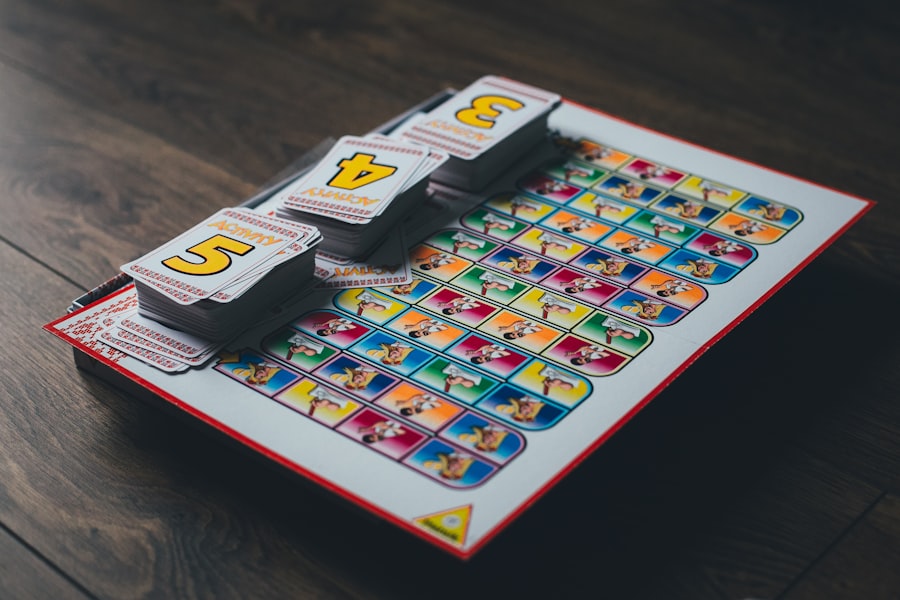
Simulation games provide an excellent opportunity for real-life skills development by allowing you to practice various scenarios in a controlled environment. These games often mimic real-world situations, enabling you to gain hands-on experience without the associated risks or consequences. Whether you’re interested in managing a farm, running a city, or piloting an aircraft, simulation games offer valuable insights into the complexities of these roles.
For example, games like “SimCity” or “Farming Simulator” require you to make strategic decisions that impact the success of your virtual endeavors. You learn about resource management, planning, and the importance of balancing short-term gains with long-term sustainability. The skills acquired through these simulations can be directly applied to real-life situations, enhancing your ability to navigate challenges with confidence and competence.
Multiplayer Games for Teamwork and Collaboration
In an increasingly interconnected world, teamwork and collaboration are essential skills that can significantly enhance productivity. Multiplayer games provide an engaging platform for developing these skills by requiring players to work together towards common goals. Whether you’re strategizing with teammates in a competitive environment or collaborating on creative projects, multiplayer games foster communication and cooperation.
Games like “Overwatch” or “League of Legends” emphasize the importance of teamwork as players must coordinate their efforts to achieve victory. Through these experiences, you learn how to communicate effectively, delegate tasks, and support one another in high-pressure situations. The lessons learned from multiplayer gaming can translate into improved collaboration in professional settings, where teamwork is often key to success.
Brain Training Games for Cognitive Enhancement
Cognitive enhancement is another area where gaming can play a significant role in boosting productivity. Brain training games are specifically designed to challenge your mental faculties, improving memory, attention span, and overall cognitive function. These games often incorporate exercises that target specific areas of the brain, making them an effective tool for sharpening your mental acuity.
Games like “Lumosity” or “Peak” offer a variety of challenges that stimulate different cognitive skills. By regularly engaging with these brain training exercises, you can enhance your focus and mental agility—qualities that are essential for maintaining productivity throughout the day. As you notice improvements in your cognitive abilities, you’ll likely find it easier to tackle complex tasks and stay organized amidst distractions.
Fitness Games for Physical and Mental Well-being
Physical well-being is closely linked to productivity; when you feel good physically, it often translates into improved mental clarity and focus. Fitness games combine physical activity with gaming elements, making exercise enjoyable while promoting overall health. These games encourage movement and engagement while providing an entertaining way to stay active.
Consider games like “Ring Fit Adventure” or “Just Dance,” which incorporate physical challenges into gameplay. By participating in these fitness-oriented games, you not only improve your physical health but also boost your mood and energy levels. The endorphins released during exercise can enhance cognitive function and creativity, making it easier for you to tackle tasks with renewed vigor.
Educational Games for Continuous Learning and Growth
In an era where lifelong learning is essential for personal and professional development, educational games offer an engaging way to acquire new knowledge and skills. These games cover a wide range of subjects—from mathematics and science to history and language arts—making learning accessible and enjoyable. By incorporating educational games into your routine, you can foster a growth mindset while having fun.
Games like “Kahoot!” or “Duolingo” provide interactive learning experiences that encourage exploration and curiosity. As you engage with these educational tools, you’ll find yourself absorbing information more effectively than through traditional methods. The gamified approach makes learning feel less like a chore and more like an exciting adventure—one that contributes significantly to your overall productivity.
Incorporating Productivity-Boosting Games into Your Routine
Incorporating productivity-boosting games into your routine can be a transformative experience that enhances various aspects of your life. From improving critical thinking skills through strategy games to fostering creativity with role-playing adventures, these games offer valuable opportunities for growth and development. By embracing the diverse range of gaming options available today, you can turn leisure time into productive sessions that sharpen your skills while keeping boredom at bay.
As you explore different types of productivity-boosting games, consider setting aside dedicated time each week to engage with them intentionally. Whether it’s playing a quick puzzle game during lunch breaks or diving into an immersive RPG on weekends, find what works best for you. By making gaming a regular part of your routine, you’ll not only enjoy the benefits of enhanced productivity but also cultivate a more balanced approach to work and play—ultimately leading to greater fulfillment in both areas of your life.
For a deeper dive into strategies and tools that can enhance your efficiency, check out this related article on Productive Patty’s website. This page offers a variety of resources and tips that complement the concept of productivity games, providing a well-rounded approach to improving your work habits and achieving your goals.
Reclaim 70% Mental Energy with THIS Hack
FAQs
What are productivity games?
Productivity games are games designed to help individuals improve their time management, organization, and overall productivity. These games often incorporate elements of task management, goal setting, and skill development to encourage players to be more efficient and effective in their daily lives.
How can productivity games help improve productivity?
Productivity games can help improve productivity by providing a fun and engaging way to practice time management, decision-making, and problem-solving skills. By incorporating game mechanics and rewards, these games can motivate players to stay focused, set goals, and complete tasks in a timely manner.
What are some popular productivity games?
Some popular productivity games include “Trello,” a task management app that uses a card-based system to help users organize and prioritize their tasks, “Forest,” a mobile app that encourages users to stay focused by growing virtual trees while they work, and “Habitica,” a role-playing game that turns real-life tasks and habits into in-game quests and rewards.
Are productivity games suitable for all ages?
Many productivity games are suitable for all ages, as they are designed to be accessible and engaging for a wide range of users. However, some games may have specific age recommendations or content that may not be suitable for younger players, so it’s important to review the game’s details and ratings before playing.
Can productivity games be used in a professional setting?
Yes, productivity games can be used in a professional setting to help employees improve their time management, collaboration, and overall productivity. Some companies use productivity games as part of their training and development programs to help employees develop essential skills and work habits.