
Decision fatigue is a psychological phenomenon that affects everyone, often without them even realizing it. As you navigate through your day, you are constantly faced with choices, both big and small. From deciding what to wear in the morning to making significant career decisions, each choice requires mental energy.
Over time, this cumulative effect can lead to a state of mental exhaustion known as decision fatigue. When you experience decision fatigue, your ability to make sound judgments diminishes, leading to impulsive choices or avoidance of decisions altogether. The concept of decision fatigue stems from the understanding that your brain has a limited capacity for making decisions.
Just like a muscle, your willpower and cognitive resources can become depleted after prolonged use. This depletion can result in a decline in the quality of your decisions as the day progresses. You may find yourself feeling overwhelmed by choices or resorting to simpler, less optimal solutions simply to relieve the burden of decision-making.
Recognizing this phenomenon is the first step toward mitigating its effects and enhancing your overall productivity.
Key Takeaways
- Decision fatigue reduces productivity by impairing judgment and increasing mental exhaustion.
- Recognizing signs like indecisiveness and procrastination is key to managing decision fatigue.
- Simplifying tasks, establishing routines, and delegating decisions help conserve mental energy.
- Using tools, technology, and taking regular breaks can restore focus and improve decision-making.
- Setting boundaries, saying no, and seeking support enhance resilience against decision fatigue.
The Impact of Decision Fatigue on Productivity
The impact of decision fatigue on productivity can be profound and far-reaching. When you are mentally drained from making too many decisions, your ability to focus and perform tasks efficiently diminishes.
This decline in productivity can lead to a vicious cycle where the pressure to make decisions increases, further exacerbating your fatigue and reducing your effectiveness. Moreover, decision fatigue can affect your creativity and problem-solving skills. When your mind is cluttered with choices, it becomes increasingly difficult to think outside the box or generate innovative ideas.
You may find yourself sticking to familiar patterns rather than exploring new possibilities. This stagnation can hinder both personal and professional growth, as you miss out on opportunities that require fresh thinking and bold decision-making. Understanding how decision fatigue impacts your productivity is crucial for implementing strategies that can help you regain control over your decision-making process.
Recognizing the Signs of Decision Fatigue
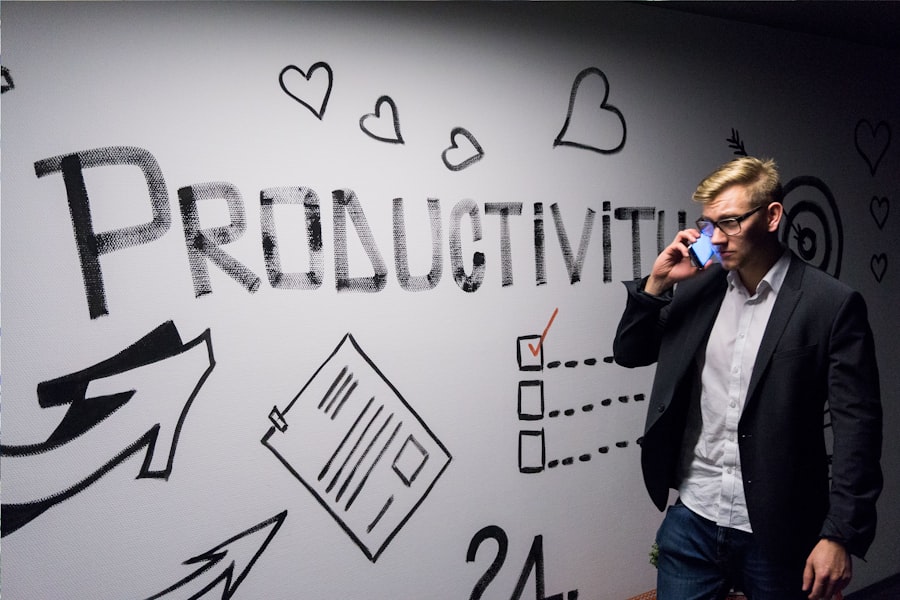
Recognizing the signs of decision fatigue is essential for addressing it effectively. You might notice that you feel overwhelmed by even the simplest choices, such as what to eat for lunch or which task to tackle next. This sense of overwhelm can lead to frustration and anxiety, making it difficult for you to move forward with your day.
Additionally, you may find yourself experiencing a lack of motivation or feeling mentally drained, even after a full night’s sleep. Another common sign of decision fatigue is an increase in impulsive behavior. When your mental resources are depleted, you may make hasty decisions without fully considering the consequences.
This could manifest in various ways, such as making poor financial choices or neglecting important responsibilities. By being aware of these signs, you can take proactive steps to manage your decision-making process and prevent further mental exhaustion.
Strategies for Overcoming Decision Fatigue
Overcoming decision fatigue requires a multifaceted approach that involves both awareness and practical strategies. One effective method is to simplify your decision-making process by establishing clear criteria for making choices. By defining what is most important to you in various situations, you can streamline your decision-making and reduce the mental load associated with weighing options.
For instance, if you are choosing a restaurant, consider what factors matter most—such as cuisine type, price range, or location—and use those criteria to narrow down your options quickly. Another strategy is to limit the number of decisions you make in a day. This can be achieved by prioritizing essential tasks and delegating less critical decisions to others when possible.
By conserving your mental energy for high-stakes decisions, you can maintain clarity and focus when it matters most. Additionally, consider setting specific times during the day for making decisions, allowing yourself to recharge in between these periods.
Prioritizing and Simplifying Tasks
| Metric | Description | Impact on Productivity | Example Data |
|---|---|---|---|
| Number of Decisions Made | Total decisions made by an individual in a workday | Higher number can increase decision fatigue, reducing productivity | Average: 70 decisions/day |
| Decision Quality | Accuracy and effectiveness of decisions made | Declines as decision fatigue increases, leading to poorer outcomes | Quality drops by 20% after 4 hours of continuous decision-making |
| Time Spent per Decision | Average time taken to make a single decision | Increases with fatigue, slowing down workflow | Increases from 2 min to 5 min after prolonged decision-making |
| Self-Reported Fatigue Level | Subjective rating of mental exhaustion due to decisions | Higher fatigue correlates with lower productivity and motivation | Scale 1-10, average reported: 7 by end of day |
| Task Completion Rate | Percentage of tasks completed within a set timeframe | Decreases as decision fatigue impairs focus and efficiency | Drops from 90% in morning to 65% in late afternoon |
| Break Frequency | Number of breaks taken to alleviate decision fatigue | More frequent breaks can improve overall productivity | Optimal: 5-10 min break every 90 minutes |
Prioritizing and simplifying tasks is a crucial step in combating decision fatigue. When faced with a long list of responsibilities, it’s easy to feel overwhelmed and unsure of where to start. To counter this, take a moment to assess your tasks and identify which ones are most important or time-sensitive.
By focusing on high-priority items first, you can create a sense of accomplishment that motivates you to tackle subsequent tasks with renewed energy. Simplifying tasks also involves breaking larger projects into smaller, manageable steps. This approach not only makes the work feel less daunting but also allows you to make decisions incrementally rather than all at once.
For example, if you are working on a report, outline the sections you need to complete and tackle them one at a time. This method reduces the cognitive load associated with decision-making and helps maintain your momentum throughout the project.
Implementing Routine and Structure

Implementing routine and structure in your daily life can significantly reduce decision fatigue. When you establish consistent habits and schedules, many decisions become automatic, freeing up mental space for more critical choices. For instance, consider creating a morning routine that includes specific activities such as exercise, breakfast, and planning your day.
By following a set routine, you eliminate the need to make numerous decisions each morning, allowing you to start your day with clarity and purpose. Additionally, structuring your workday can enhance productivity while minimizing decision fatigue. Designate specific times for focused work sessions and breaks throughout the day.
By adhering to a structured schedule, you create an environment where decisions about when to work and when to rest are predetermined, reducing the mental strain associated with constant choice-making.
Delegating Decision-Making
Delegating decision-making is another effective strategy for managing decision fatigue. You don’t have to shoulder every responsibility alone; sharing the load with others can alleviate some of the pressure you feel when faced with numerous choices. Whether at work or home, consider which decisions can be entrusted to colleagues or family members.
By empowering others to take on certain responsibilities, you free up mental energy for more significant decisions that require your unique insight. Moreover, delegating doesn’t mean relinquishing control entirely; it involves trusting others while providing guidance when necessary. Clearly communicate your expectations and desired outcomes so that those taking on responsibilities understand their roles.
This collaborative approach not only lightens your decision-making burden but also fosters teamwork and strengthens relationships.
Utilizing Tools and Technology to Streamline Decisions
In today’s digital age, utilizing tools and technology can significantly streamline your decision-making process. Various apps and software programs are designed to help organize tasks, manage schedules, and facilitate collaboration among team members. For instance, project management tools allow you to visualize tasks and deadlines clearly, enabling you to prioritize effectively without becoming overwhelmed by choices.
Additionally, consider using decision-making frameworks or algorithms that can assist in evaluating options objectively. These tools can help clarify complex choices by providing structured approaches for weighing pros and cons or assessing potential outcomes. By leveraging technology in this way, you can reduce the cognitive load associated with decision-making while enhancing efficiency.
Taking Breaks and Restoring Mental Energy
Taking breaks is essential for restoring mental energy and combating decision fatigue. When you push through long periods of continuous work without rest, your cognitive resources become depleted more quickly. Incorporating regular breaks into your routine allows your mind to recharge and regain focus.
Whether it’s a short walk outside or a few minutes of mindfulness meditation, these moments of respite can significantly enhance your overall productivity. Moreover, consider scheduling longer breaks throughout the day for more substantial rejuvenation. Engaging in activities that bring you joy or relaxation—such as reading a book or practicing a hobby—can help clear your mind and restore motivation.
By prioritizing self-care and downtime, you create an environment conducive to better decision-making when you return to work.
Setting Boundaries and Saying No
Setting boundaries is crucial for managing decision fatigue effectively. In both personal and professional contexts, it’s essential to recognize your limits and communicate them clearly to others. When faced with requests or obligations that do not align with your priorities or values, don’t hesitate to say no.
By doing so, you protect your mental energy from being drained by unnecessary commitments that add to your decision-making burden. Establishing boundaries also involves creating designated times for work and personal life. By delineating these areas clearly, you minimize distractions and allow yourself to focus on what truly matters during each part of your day.
This intentional separation helps reduce the number of decisions you need to make regarding how to allocate your time and energy.
Seeking Support and Accountability
Finally, seeking support and accountability from others can be instrumental in overcoming decision fatigue. Sharing your experiences with friends or colleagues who understand the challenges of decision-making can provide valuable insights and encouragement. They may offer different perspectives that help clarify your thoughts or suggest alternative approaches that alleviate some of the pressure you feel.
Additionally, consider finding an accountability partner who can help keep you on track with your goals while providing support during challenging times. This partnership fosters a sense of shared responsibility that can motivate you to make better decisions while reducing feelings of isolation associated with decision fatigue. By surrounding yourself with supportive individuals who understand the complexities of choice-making, you create an environment conducive to growth and resilience.
In conclusion, understanding decision fatigue is vital for enhancing productivity and overall well-being. By recognizing its signs and implementing effective strategies such as prioritizing tasks, establishing routines, delegating responsibilities, utilizing technology, taking breaks, setting boundaries, and seeking support, you can regain control over your decision-making process.
Decision fatigue can significantly impact our productivity, leading to decreased efficiency and increased stress. A related article that delves into strategies for overcoming this challenge can be found on Productive Patty. By implementing techniques to streamline decision-making processes, individuals can enhance their focus and output. For more insights, check out the article [here](https://www.productivepatty.com/).
WATCH THIS! 🧠 Why Your Breaks Are Actually Work (10x Breakthroughs)
FAQs
What is decision fatigue?
Decision fatigue refers to the deteriorating quality of decisions made by an individual after a long session of decision making. It occurs because the brain’s ability to make decisions becomes impaired after extended periods of mental exertion.
How does decision fatigue affect productivity?
Decision fatigue can reduce productivity by causing slower decision-making, increased errors, and poor choices. When fatigued, individuals may avoid making decisions, opt for easier but less effective options, or procrastinate, all of which negatively impact work output.
What are common signs of decision fatigue?
Common signs include feeling mentally exhausted, difficulty concentrating, impulsive or irrational decisions, procrastination, and a tendency to avoid making choices altogether.
Can decision fatigue be prevented?
Yes, decision fatigue can be mitigated by strategies such as prioritizing important decisions earlier in the day, limiting the number of choices, taking regular breaks, and establishing routines to reduce the number of trivial decisions.
Does decision fatigue only affect work-related decisions?
No, decision fatigue can impact all types of decisions, including personal, financial, and social choices, as it is related to overall mental energy and cognitive resources.
How does reducing decision fatigue improve productivity?
By minimizing decision fatigue, individuals can maintain higher cognitive function, make better and faster decisions, reduce errors, and sustain motivation, all of which contribute to improved productivity.
Are some people more susceptible to decision fatigue than others?
Yes, susceptibility can vary based on factors such as stress levels, sleep quality, overall health, and individual differences in cognitive capacity and decision-making styles.
What role does routine play in managing decision fatigue?
Routines help reduce the number of decisions needed for daily tasks by automating behaviors, thereby conserving mental energy for more important decisions and reducing the risk of decision fatigue.
Is decision fatigue a recognized psychological phenomenon?
Yes, decision fatigue is a well-documented concept in psychology and behavioral economics, supported by research showing how decision-making quality declines after extended mental effort.
Can technology help reduce decision fatigue?
Technology can assist by automating routine decisions, providing decision support tools, and organizing information to simplify choices, thereby helping to reduce cognitive load and decision fatigue.