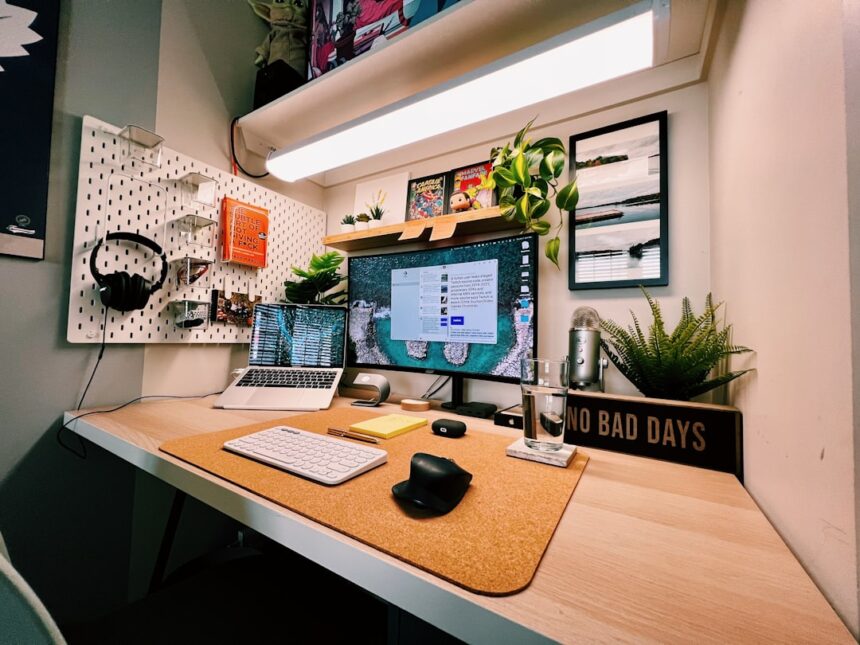
In the modern workplace, the environment you inhabit plays a crucial role in shaping your productivity and overall well-being. Environmental cues encompass a variety of elements, including lighting, color, sound, and even the presence of nature. These factors can significantly influence your mood, focus, and energy levels, ultimately affecting your performance.
As you navigate through your daily tasks, being aware of these cues can empower you to create a workspace that not only enhances your productivity but also fosters a sense of comfort and satisfaction. Understanding the significance of environmental cues is the first step toward optimizing your work environment. By recognizing how different elements impact your mental state and efficiency, you can make informed decisions about your workspace.
Whether you work from home or in a traditional office setting, small adjustments can lead to substantial improvements in your productivity. This article will explore various environmental cues and how you can harness their power to create an ideal working atmosphere.
Key Takeaways
- Environmental cues like light, color, and nature significantly influence productivity and focus.
- Natural light and plant life in workspaces enhance mood and efficiency.
- Calming colors, organized spaces, and ergonomic furniture contribute to comfort and better work output.
- Aromatherapy and nature sounds can boost concentration and create a relaxing atmosphere.
- Taking breaks in natural surroundings helps rejuvenate energy and maintain productivity.
Understanding the Impact of Environmental Cues on Productivity
The relationship between environmental cues and productivity is both fascinating and complex. Research has shown that your surroundings can affect cognitive function, creativity, and even motivation. For instance, a cluttered desk may lead to feelings of overwhelm, making it difficult for you to concentrate on the task at hand.
Conversely, a well-organized space can promote clarity and focus, allowing you to work more efficiently. Moreover, environmental cues can evoke emotional responses that either enhance or hinder your productivity. For example, bright lighting may energize you, while dim lighting could induce fatigue.
By understanding these dynamics, you can take proactive steps to create an environment that aligns with your work style and personal preferences. This awareness not only helps you maximize your output but also contributes to a more enjoyable work experience.
Utilizing Natural Light to Enhance Productivity
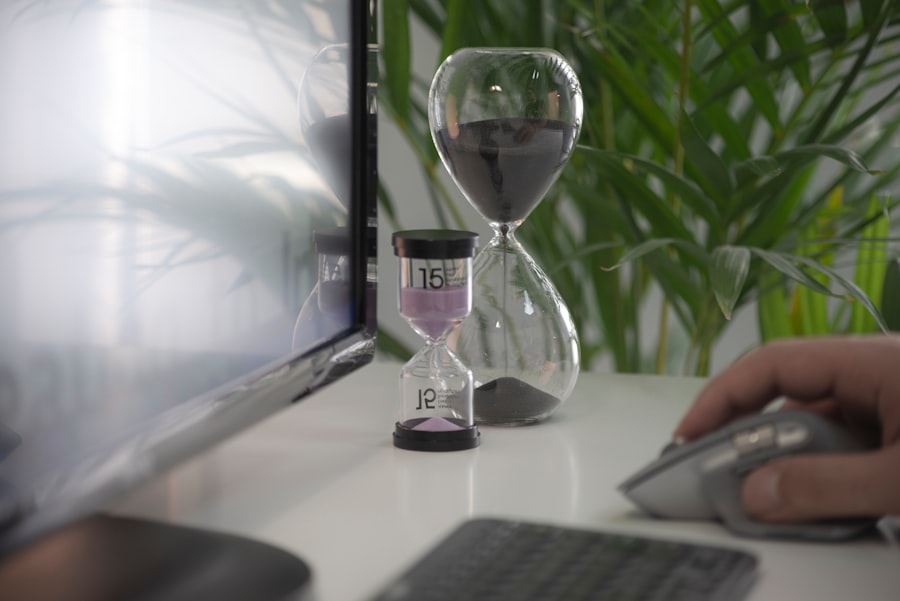
One of the most powerful environmental cues is natural light. Exposure to sunlight has been linked to improved mood and increased energy levels, making it an essential component of a productive workspace. If possible, position your desk near a window to take advantage of natural light throughout the day.
This simple adjustment can help regulate your circadian rhythm, leading to better sleep patterns and enhanced focus during working hours. In addition to its mood-boosting effects, natural light can also reduce eye strain and fatigue associated with artificial lighting. If you find yourself working long hours in front of a screen, consider incorporating more daylight into your environment.
You might also explore options like light therapy lamps if natural light is limited in your workspace. By prioritizing natural light, you can create an atmosphere that not only enhances productivity but also promotes overall well-being.
Incorporating Plant Life into the Work Environment
Bringing nature indoors is another effective way to enhance your workspace. Studies have shown that incorporating plants into your environment can lead to increased productivity and reduced stress levels. The presence of greenery not only beautifies your space but also improves air quality, which can have a positive impact on your cognitive function.
When selecting plants for your workspace, consider low-maintenance options that thrive in indoor conditions. Succulents, snake plants, and pothos are excellent choices that require minimal care while still providing the benefits of nature. Additionally, having plants around you can create a calming atmosphere that encourages creativity and focus.
By integrating plant life into your work environment, you can cultivate a more vibrant and productive space.
The Influence of Color on Productivity
| Environmental Cue | Impact on Productivity | Measurement Metric | Typical Range | Notes |
|---|---|---|---|---|
| Natural Light Exposure | Increases alertness and reduces fatigue | Hours of daylight exposure per day | 2-6 hours | Optimal exposure improves mood and focus |
| Ambient Noise Level | Moderate noise can enhance creativity; high noise reduces focus | Decibels (dB) | 40-70 dB | Background noise around 50 dB is often ideal |
| Temperature | Comfortable temperature improves concentration | Degrees Celsius (°C) | 20-24 °C | Too hot or cold decreases productivity |
| Air Quality | Better air quality reduces cognitive fatigue | CO2 concentration (ppm) | 400-1000 ppm | Levels above 1000 ppm impair decision-making |
| Workspace Organization | Clutter-free spaces improve task efficiency | Self-reported organization score (1-10) | 7-10 | Higher scores correlate with higher productivity |
| Color of Environment | Blue and green hues promote calm and focus | Color temperature (Kelvin) | 5000-6500 K | Cool colors linked to improved cognitive function |
Color psychology plays a significant role in shaping your emotions and behaviors. Different colors can evoke various feelings and responses, which can directly impact your productivity levels. For instance, blue is often associated with calmness and focus, making it an ideal choice for workspaces where concentration is key.
On the other hand, yellow is known for its energizing properties and can stimulate creativity. When designing your workspace, consider incorporating colors that resonate with your work style and objectives. You might choose to paint the walls in soothing hues or add colorful accents through decor and accessories.
By being mindful of color choices, you can create an environment that not only reflects your personality but also enhances your productivity.
Creating a Calming and Organized Workspace

A cluttered workspace can lead to distractions and decreased productivity. To combat this issue, focus on creating a calming and organized environment that promotes efficiency. Start by decluttering your desk and removing any items that do not serve a purpose or contribute to your work goals.
A clean space allows for clearer thinking and helps you stay focused on the tasks at hand. In addition to decluttering, consider implementing organizational systems that work for you. Use storage solutions like bins, shelves, or filing cabinets to keep essential items within reach while maintaining a tidy appearance.
A well-organized workspace not only enhances productivity but also fosters a sense of control and accomplishment as you navigate through your daily tasks.
Using Aromatherapy to Boost Focus and Energy
Aromatherapy is another powerful tool that can enhance your productivity by engaging your sense of smell. Certain scents have been shown to improve focus, reduce stress, and increase energy levels. For example, peppermint is known for its invigorating properties, while lavender promotes relaxation and calmness.
To incorporate aromatherapy into your workspace, consider using essential oil diffusers or scented candles. You might experiment with different scents to find what works best for you and aligns with your work objectives. By creating an olfactory environment that supports focus and energy, you can further enhance your productivity throughout the day.
Incorporating Nature Sounds for a Relaxing Atmosphere
Sound is an often-overlooked environmental cue that can significantly impact your productivity levels. Background noise can either enhance or hinder your ability to concentrate on tasks. For many people, nature sounds such as birds chirping or gentle water flowing create a calming atmosphere that promotes focus.
You might consider playing nature soundtracks or using apps designed to provide ambient sounds while you work. These soothing sounds can help drown out distractions from the outside world while creating a serene environment conducive to productivity. By incorporating nature sounds into your workspace, you can cultivate a relaxing atmosphere that supports sustained focus.
Implementing Ergonomic Furniture for Comfort and Efficiency
Your physical comfort plays a vital role in maintaining productivity throughout the day. Ergonomic furniture is designed to support your body’s natural posture and reduce strain during long hours of work. Investing in an ergonomic chair and desk setup can make a significant difference in how you feel while working.
When selecting ergonomic furniture, pay attention to adjustable features that allow you to customize the setup according to your needs. A chair with lumbar support and a desk at the right height can help prevent discomfort and fatigue as you work. By prioritizing comfort through ergonomic solutions, you can enhance both efficiency and overall well-being in your workspace.
Encouraging Breaks in Natural Surroundings
Taking regular breaks is essential for maintaining productivity over extended periods.
Whenever possible, step outside or find a natural setting where you can recharge away from screens and work-related stressors.
Spending time in nature has been shown to reduce stress levels and improve cognitive function. Even short walks in green spaces or parks can provide a refreshing mental reset that enhances focus when you return to work. By encouraging breaks in natural surroundings, you allow yourself the opportunity to rejuvenate both physically and mentally.
Harnessing the Power of Environmental Cues for Increased Productivity
In conclusion, environmental cues play a pivotal role in shaping your productivity levels and overall well-being in the workplace. By understanding how elements like natural light, plant life, color psychology, organization, aromatherapy, soundscapes, ergonomic furniture, and breaks in nature influence your performance, you can take proactive steps toward creating an optimal work environment. As you implement these strategies into your daily routine, remember that small changes can lead to significant improvements in both focus and efficiency.
By harnessing the power of environmental cues, you not only enhance your productivity but also cultivate a workspace that supports your personal growth and satisfaction. Embrace these insights as tools for transformation in your professional life—your productivity will thank you for it!
Environmental cues play a significant role in enhancing productivity, as they can influence our focus and motivation levels. For a deeper understanding of how different surroundings can impact our work efficiency, you can read more in this related article on productivity: here. This article explores various strategies to optimize your workspace and leverage environmental factors to boost your overall productivity.
WATCH THIS! 🧠 Why Your Breaks Are Actually Work (10x Breakthroughs)
FAQs
What are environmental cues in the context of productivity?
Environmental cues refer to external factors or stimuli in a person’s surroundings that can influence their behavior, focus, and overall productivity. These can include lighting, noise levels, workspace organization, and even scents.
How do environmental cues affect productivity?
Environmental cues can either enhance or hinder productivity by impacting concentration, motivation, and mood. Positive cues, such as natural light and minimal distractions, can improve focus and efficiency, while negative cues, like clutter or loud noise, can reduce productivity.
Can changing environmental cues improve work performance?
Yes, modifying environmental cues such as decluttering the workspace, adjusting lighting, or controlling noise can create a more conducive environment for work, leading to improved performance and productivity.
What are some common environmental cues that boost productivity?
Common productivity-enhancing cues include natural daylight, ergonomic furniture, organized workspaces, minimal noise or white noise, and pleasant ambient scents like lavender or citrus.
Are environmental cues equally effective for everyone?
No, the impact of environmental cues can vary based on individual preferences, work styles, and the nature of the tasks being performed. Some people may thrive in quiet environments, while others may prefer background noise.
How can I identify which environmental cues affect my productivity?
You can track your productivity levels in different environments and note changes in focus or motivation. Experimenting with variables like lighting, noise, and workspace layout can help determine which cues positively or negatively impact your work.
Do environmental cues influence remote work productivity?
Yes, environmental cues are especially important in remote work settings where individuals have more control over their workspace. Creating a dedicated, well-organized, and comfortable environment can significantly enhance remote work productivity.
Is there scientific research supporting the role of environmental cues in productivity?
Yes, numerous studies in psychology and organizational behavior have demonstrated that environmental factors such as lighting, noise, and workspace design can significantly influence cognitive function, mood, and productivity.