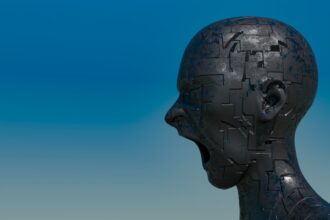
Anxiety spikes can feel overwhelming, often appearing suddenly and without warning. You may find yourself in a situation where your heart races, your palms sweat, and your thoughts spiral out of control. These moments can be disorienting, leaving you questioning what triggered such a strong emotional response.
Understanding anxiety spikes is crucial for managing them effectively. They often arise from a combination of stressors, both external and internal, that accumulate over time. Recognizing that these spikes are a natural part of the human experience can help you approach them with a sense of curiosity rather than fear.
When you experience an anxiety spike, it’s essential to remember that you are not alone. Many people face similar challenges, and acknowledging this shared experience can provide comfort. You might find it helpful to explore the physiological aspects of anxiety, such as the fight-or-flight response, which is your body’s way of preparing to deal with perceived threats.
By understanding the science behind your feelings, you can begin to separate the physical sensations from the thoughts that accompany them, allowing you to respond more calmly and rationally in the moment.
Key Takeaways
- Anxiety spikes often stem from identifiable triggers and understanding them is crucial.
- Mindfulness and coping strategies can help manage anxiety in the moment.
- Building a support system and seeking professional help enhance overall anxiety management.
- Healthy habits, time management, and realistic expectations reduce anxiety buildup.
- Practicing self-compassion and celebrating progress foster long-term emotional resilience.
Recognizing Triggers
Recognizing your triggers is a vital step in managing anxiety spikes effectively. Triggers can be anything from specific situations, such as public speaking or crowded places, to internal factors like negative self-talk or past experiences. By identifying what sets off your anxiety, you can develop strategies to cope with these situations more effectively.
Keeping a journal can be an excellent way to track your feelings and pinpoint patterns in your anxiety. Over time, you may notice that certain environments or interactions consistently lead to heightened anxiety. Once you have identified your triggers, it’s important to reflect on how they affect you.
You might find that some triggers are more manageable than others, while certain situations may require more preparation or support. Understanding the nuances of your triggers allows you to create a personalized approach to dealing with anxiety spikes. For instance, if social gatherings tend to trigger your anxiety, you could practice relaxation techniques beforehand or bring a supportive friend along to help ease your discomfort.
Practicing Mindfulness
Mindfulness is a powerful tool for managing anxiety spikes and cultivating a sense of calm in your daily life. By focusing on the present moment without judgment, you can create a mental space that allows you to observe your thoughts and feelings without becoming overwhelmed by them. Practicing mindfulness can take many forms, from meditation and deep breathing exercises to simply paying attention to your surroundings during a walk.
The key is to find what resonates with you and incorporate it into your routine. As you practice mindfulness, you may notice that it becomes easier to recognize when an anxiety spike is approaching. Instead of getting swept away by racing thoughts, you can ground yourself in the present moment and acknowledge your feelings without letting them dictate your actions.
This shift in perspective can empower you to respond to anxiety with greater clarity and intention. Over time, mindfulness can help reduce the frequency and intensity of anxiety spikes, allowing you to navigate life with more ease and confidence.
Developing Coping Strategies
Developing effective coping strategies is essential for managing anxiety spikes when they occur. These strategies can vary widely from person to person, so it’s important to experiment and find what works best for you. Some individuals may benefit from physical activities like yoga or running, which can help release pent-up energy and tension.
Others might find solace in creative outlets such as painting or writing, allowing them to express their emotions in a constructive way. In addition to physical activities, consider incorporating relaxation techniques into your coping toolkit. Deep breathing exercises, progressive muscle relaxation, or guided imagery can all help calm your nervous system during moments of heightened anxiety.
You might also explore cognitive-behavioral techniques that challenge negative thought patterns and replace them with more balanced perspectives. By having a variety of coping strategies at your disposal, you’ll be better equipped to handle anxiety spikes when they arise.
Seeking Professional Help
| Metric | Description | Measurement Method | Typical Range | Notes |
|---|---|---|---|---|
| Anxiety Intensity | Level of anxiety experienced during a spike | Self-reported scale (0-10) | 0 (none) to 10 (extreme) | Measured before and after emotional inventory |
| Emotional Awareness | Ability to identify and label emotions accurately | Self-assessment questionnaire | Low, Medium, High | Improves with practice of emotional inventory |
| Duration of Anxiety Spike | Time span of anxiety episode | Minutes recorded by user | 5 to 60 minutes | Expected to decrease with technique use |
| Number of Anxiety Spikes | Frequency of anxiety episodes per day | Daily self-report | 0 to 10+ | May reduce over weeks of technique application |
| Emotional Inventory Completion Rate | Percentage of anxiety spikes where emotional inventory is performed | Self-tracking or app data | 0% to 100% | Higher rates correlate with better management |
| Post-Technique Calmness | Level of calmness after completing emotional inventory | Self-reported scale (0-10) | 0 (none) to 10 (fully calm) | Measured immediately after technique |
If you find that anxiety spikes are significantly impacting your daily life, seeking professional help can be a crucial step toward healing. Mental health professionals, such as therapists or counselors, can provide valuable support and guidance tailored to your unique needs. They can help you explore the underlying causes of your anxiety and work with you to develop effective coping strategies.
Therapy can also offer a safe space for you to express your feelings and gain insights into your thought patterns. In addition to traditional talk therapy, there are various therapeutic approaches available that may resonate with you. Cognitive-behavioral therapy (CBT) is particularly effective for anxiety management, as it focuses on identifying and changing negative thought patterns.
Other options include mindfulness-based therapies or exposure therapy, which gradually exposes you to feared situations in a controlled manner. Whatever path you choose, remember that seeking help is a sign of strength and an important step toward reclaiming control over your life.
Creating a Support System
Building a strong support system is essential for navigating the challenges of anxiety spikes. Surrounding yourself with understanding friends and family members can provide comfort during difficult times. You might consider sharing your experiences with those close to you, allowing them to better understand what you’re going through and how they can support you.
Open communication fosters deeper connections and creates an environment where you feel safe expressing your feelings. In addition to personal relationships, consider seeking out support groups or online communities where individuals share similar experiences. Connecting with others who understand what you’re going through can be incredibly validating and reassuring.
These groups often provide a platform for sharing coping strategies and resources while fostering a sense of belonging. Remember that building a support system takes time; be patient with yourself as you cultivate these connections.
Establishing Healthy Habits
Establishing healthy habits is fundamental for managing anxiety spikes effectively. Your physical health directly impacts your mental well-being; therefore, prioritizing self-care is essential. Regular exercise, balanced nutrition, and adequate sleep are all critical components of maintaining emotional stability.
Engaging in physical activity releases endorphins, which can elevate your mood and reduce feelings of anxiety. In addition to physical health, consider incorporating practices that promote mental well-being into your daily routine. This could include setting aside time for hobbies that bring you joy or engaging in relaxation techniques like yoga or meditation.
Creating a structured daily routine can also provide a sense of stability and predictability in your life, which may help alleviate anxiety spikes when they occur.
Setting Realistic Expectations
Setting realistic expectations for yourself is crucial in managing anxiety spikes effectively. It’s easy to fall into the trap of perfectionism or self-criticism, especially when faced with challenges. However, recognizing that everyone has limitations can help alleviate some of the pressure you place on yourself.
Instead of striving for perfection, focus on progress and growth; celebrate small victories along the way. When setting goals or expectations, consider breaking them down into manageable steps.
By acknowledging that setbacks are a natural part of the journey, you can cultivate resilience and adaptability in the face of challenges. Remember that it’s okay to ask for help when needed; seeking support is not a sign of weakness but rather an acknowledgment of your humanity.
Managing Time and Priorities
Effective time management plays a significant role in reducing anxiety spikes related to feeling overwhelmed by responsibilities. Take some time to assess your current commitments and prioritize tasks based on urgency and importance. Creating a daily or weekly planner can help you visualize your schedule and allocate time for both work and self-care activities.
Additionally, consider implementing techniques such as the Pomodoro Technique or time-blocking to enhance productivity while allowing for regular breaks. By managing your time effectively, you’ll create space for relaxation and self-care amidst the busyness of life. This balance is essential for maintaining emotional well-being and reducing the likelihood of experiencing anxiety spikes due to feeling overwhelmed.
Embracing Self-Compassion
Embracing self-compassion is an essential aspect of managing anxiety spikes effectively. It’s easy to fall into negative self-talk during challenging moments; however, treating yourself with kindness and understanding can make a significant difference in how you cope with anxiety. Acknowledge that it’s okay to feel anxious; these feelings do not define your worth or capabilities.
Practicing self-compassion involves recognizing your struggles without judgment and offering yourself the same kindness you would extend to a friend facing similar challenges. This shift in perspective can foster resilience and create a more supportive inner dialogue during difficult times. By cultivating self-compassion, you’ll be better equipped to navigate anxiety spikes with grace and understanding.
Celebrating Progress
Finally, celebrating progress is vital for maintaining motivation and reinforcing positive changes in your life. Acknowledge the small victories along your journey toward managing anxiety spikes more effectively; whether it’s successfully navigating a challenging situation or implementing new coping strategies, each step forward deserves recognition. Consider keeping a journal where you document these achievements; reflecting on your growth can serve as a powerful reminder of how far you’ve come.
Celebrating progress also involves being patient with yourself during setbacks; remember that healing is not linear, and it’s normal to encounter challenges along the way. By focusing on progress rather than perfection, you’ll cultivate a more positive mindset that encourages continued growth and resilience in the face of anxiety spikes. Embrace each moment as an opportunity for learning and self-discovery as you navigate this journey toward emotional well-being.
The emotional inventory technique is a valuable tool for managing anxiety spikes, allowing individuals to assess and understand their feelings in a structured way. For further insights on this technique and its applications, you can explore a related article on the topic at Productive Patty. This resource provides practical tips and strategies to help you effectively implement the emotional inventory technique in your daily life.
WATCH THIS! The #1 Reason You Self-Sabotage Success (Cognitive Dissonance FIX!) 🧠
FAQs
What is the Emotional Inventory Technique?
The Emotional Inventory Technique is a method used to identify, assess, and manage emotional responses, particularly anxiety spikes. It involves systematically recording emotions, their triggers, intensity, and coping strategies to better understand and regulate anxiety.
How does the Emotional Inventory Technique help in managing anxiety?
By tracking emotional experiences and anxiety triggers, individuals can gain insight into patterns and underlying causes of their anxiety. This awareness allows for targeted coping strategies, reducing the frequency and intensity of anxiety spikes.
Who can benefit from using the Emotional Inventory Technique?
Anyone experiencing anxiety or emotional distress can benefit from this technique. It is especially useful for individuals seeking self-help tools, as well as those undergoing therapy for anxiety disorders.
What are the basic steps involved in the Emotional Inventory Technique?
The basic steps include: 1) Identifying and labeling emotions as they occur, 2) Noting the context or triggers, 3) Rating the intensity of the emotion, 4) Recording any physical sensations or thoughts, and 5) Applying coping strategies and noting their effectiveness.
Is the Emotional Inventory Technique supported by research?
Yes, emotional awareness and monitoring techniques are supported by psychological research as effective tools for managing anxiety and improving emotional regulation.
Can the Emotional Inventory Technique be used alongside other anxiety treatments?
Absolutely. It can complement therapies such as cognitive-behavioral therapy (CBT), medication, mindfulness practices, and relaxation techniques to enhance overall anxiety management.
How often should one use the Emotional Inventory Technique?
Frequency varies by individual needs, but regular use—such as daily or during moments of heightened anxiety—can provide the most benefit by creating consistent emotional awareness.
Do I need professional guidance to use the Emotional Inventory Technique?
While it can be used independently, consulting a mental health professional can help tailor the technique to your specific needs and provide additional support.