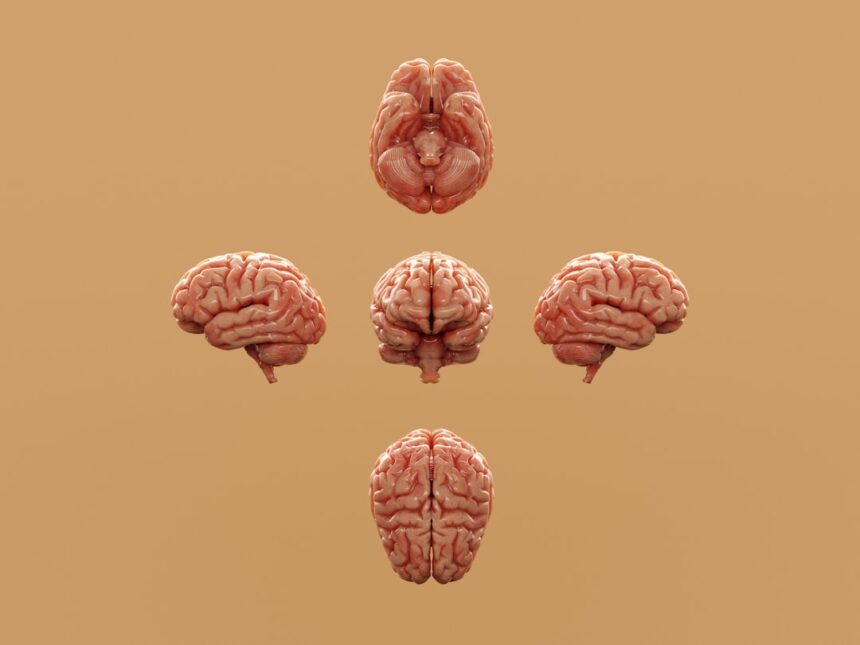
The nervous system is a complex network that controls communication throughout the human body. This system transmits electrical and chemical signals between the brain, spinal cord, and various organs and tissues. The nervous system consists of two primary divisions: the central nervous system (CNS), which includes the brain and spinal cord, and the peripheral nervous system (PNS), which comprises all nerves extending from the spinal cord to other body regions.
The nervous system performs multiple essential functions. It processes sensory information from internal and external environments, coordinates voluntary and involuntary movements, and regulates autonomic functions including heart rate, breathing, and digestion. The system also controls cognitive processes such as memory, learning, and decision-making.
Additionally, it manages the body’s stress response through the activation of sympathetic and parasympathetic pathways. Neurons serve as the fundamental units of the nervous system, transmitting information through electrochemical signals. These specialized cells communicate via synapses, where neurotransmitters facilitate signal transmission between neurons.
The nervous system’s ability to process and integrate information enables rapid responses to environmental changes and maintains homeostasis within the body.
Key Takeaways
- The nervous system activates the fight or flight response during perceived threats to protect the body.
- The autonomic nervous system controls involuntary reactions, balancing between sympathetic (threat) and parasympathetic (calm) states.
- Neurotransmitters play a crucial role in transmitting signals that influence emotional and physiological responses to stress.
- Chronic activation of threat mode can lead to long-term negative effects on brain function and overall health.
- Effective regulation strategies and professional support are essential for managing nervous system dysregulation and promoting emotional well-being.
The Role of the Nervous System in Threat Mode
When you encounter a perceived threat, your nervous system springs into action, entering what is often referred to as “threat mode.” This state is characterized by heightened alertness and readiness to respond to danger. Your body prepares itself for potential harm, activating various physiological changes that can be both beneficial and detrimental. The nervous system’s ability to detect threats is vital for survival; it allows you to react quickly to situations that could pose a risk to your well-being.
In threat mode, your body undergoes a series of changes that prepare you for action. Your heart rate increases, breathing becomes more rapid, and blood flow is redirected to essential muscles. This response is not merely a physical reaction; it also involves cognitive processes that heighten your awareness and focus.
You may find yourself more attuned to your surroundings, noticing details that you might otherwise overlook. However, while this heightened state can be advantageous in acute situations, it can also lead to chronic stress if activated too frequently or for prolonged periods.
Fight or Flight Response
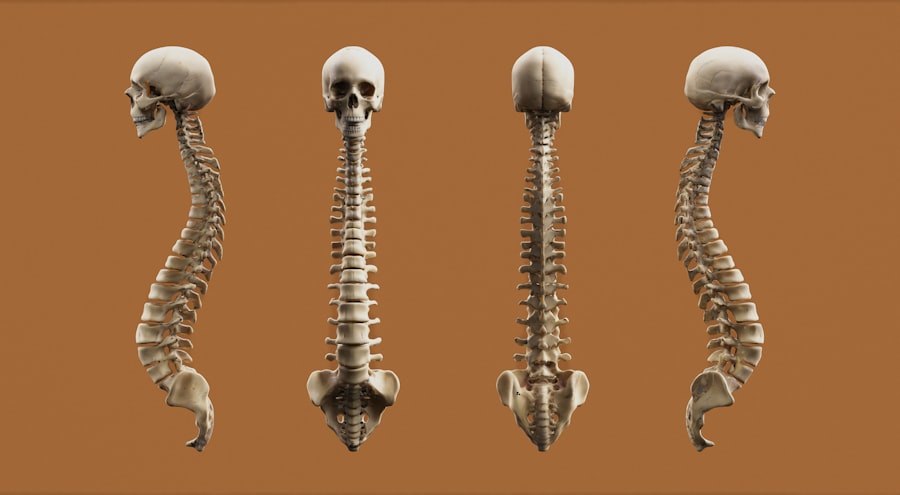
The fight or flight response is a fundamental aspect of how your nervous system reacts to threats. When faced with danger, your body instinctively decides whether to confront the threat (fight) or flee from it (flight). This response is deeply rooted in your biology and has evolved over millions of years as a survival mechanism.
The activation of this response involves a cascade of hormonal changes, primarily driven by adrenaline and cortisol, which prepare you for immediate action. During the fight or flight response, your body undergoes significant changes. Your muscles tense up, your senses sharpen, and your mind becomes laser-focused on the threat at hand.
This physiological arousal can be incredibly useful in life-threatening situations, allowing you to react swiftly and effectively. However, it’s important to recognize that this response can also be triggered by non-life-threatening stressors, such as work deadlines or interpersonal conflicts. In these cases, the fight or flight response may lead to feelings of anxiety or panic, which can be counterproductive in everyday life.
The Role of the Autonomic Nervous System
The autonomic nervous system (ANS) is a critical component of your overall nervous system that regulates involuntary bodily functions such as heart rate, digestion, and respiratory rate. It operates largely below the level of consciousness, allowing you to focus on other tasks while still maintaining essential bodily functions. The ANS is divided into two main branches: the sympathetic nervous system (SNS) and the parasympathetic nervous system (PNS).
The SNS is responsible for activating the fight or flight response during times of stress, while the PNS promotes relaxation and recovery. When you find yourself in a threatening situation, the sympathetic branch of your ANS kicks into gear, preparing your body for action. Conversely, once the threat has passed, the parasympathetic branch helps restore balance by calming your body down and returning it to a state of rest.
This dynamic interplay between the two branches is crucial for maintaining homeostasis—your body’s natural state of balance. Understanding how these systems work together can empower you to manage stress more effectively and promote overall well-being.
The Impact of Threat Mode on the Brain
| Metric | Description | Typical Range | Relevance to Threat Mode Nervous System |
|---|---|---|---|
| Heart Rate (bpm) | Number of heartbeats per minute | 60-100 (resting), 100-140 (threat response) | Increases during threat mode to prepare body for fight or flight |
| Respiratory Rate (breaths/min) | Number of breaths per minute | 12-20 (resting), 20-40 (threat response) | Elevated to increase oxygen intake during threat response |
| Sympathetic Nervous System Activity | Level of activation of the sympathetic branch | Low (rest), High (threat mode) | Dominant during threat mode, triggering fight or flight responses |
| Parasympathetic Nervous System Activity | Level of activation of the parasympathetic branch | High (rest), Low (threat mode) | Suppressed during threat mode to allow sympathetic dominance |
| Adrenaline (epinephrine) Levels | Concentration of adrenaline in blood | Low (rest), Elevated (threat mode) | Released to increase alertness and energy during threat |
| Pupil Dilation | Diameter of pupils | Normal (rest), Dilated (threat mode) | Increases visual acuity during threat response |
| Muscle Tension | Level of muscle contraction | Low (rest), High (threat mode) | Prepares muscles for rapid action in threat situations |
Entering threat mode has profound effects on your brain’s functioning. When faced with danger, your amygdala—the brain’s emotional center—becomes highly active. This heightened activity can lead to increased feelings of fear and anxiety, as the amygdala processes threats and triggers appropriate responses.
At the same time, the prefrontal cortex, which is responsible for rational thinking and decision-making, may become less active due to the overwhelming emotional response generated by the amygdala. This shift in brain activity can have significant implications for how you perceive and respond to stressors. In threat mode, you may find it challenging to think clearly or make rational decisions, as your brain prioritizes immediate survival over long-term planning.
This can lead to impulsive actions or heightened emotional reactions that may not serve you well in everyday situations. Recognizing this impact on your brain can help you develop strategies for managing stress and regaining control when faced with overwhelming emotions.
Understanding the Role of Neurotransmitters
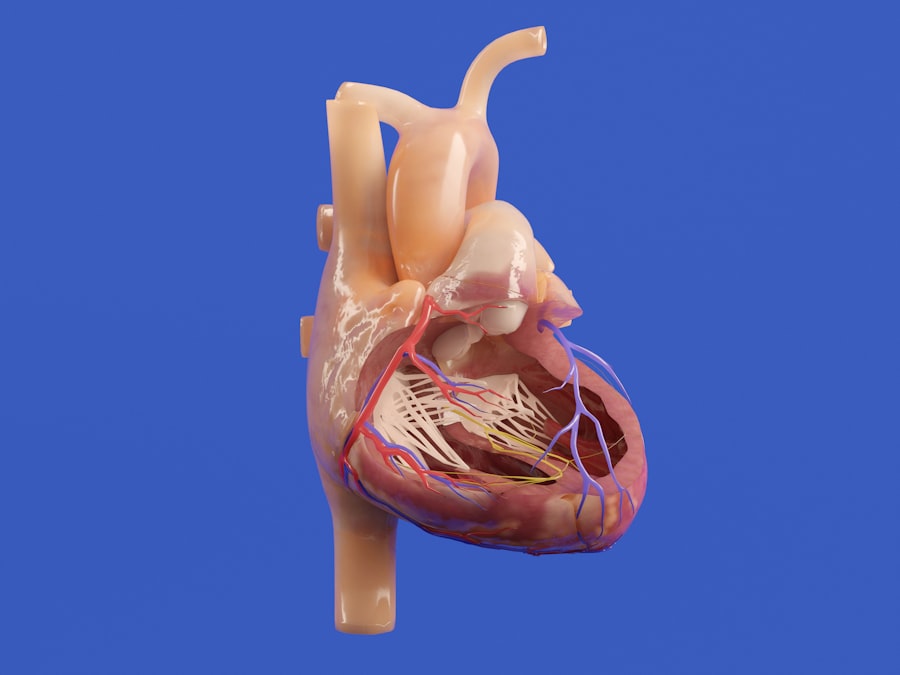
Neurotransmitters are chemical messengers that play a vital role in transmitting signals within your nervous system. They are essential for communication between neurons and influence various functions such as mood regulation, stress response, and overall mental health. When you enter threat mode, specific neurotransmitters become particularly active, shaping how you experience stress and anxiety.
Similarly, cortisol—a hormone released in response to stress—can affect mood and cognitive function when present in elevated levels over time. Understanding how these neurotransmitters operate can provide valuable insights into your emotional responses and help you identify ways to regulate them effectively.
The Connection Between the Nervous System and Emotional Responses
Your emotional responses are intricately linked to the functioning of your nervous system. When you experience emotions such as fear or anxiety, these feelings are not just abstract concepts; they manifest physically within your body through various physiological changes driven by your nervous system. For example, when you’re anxious about an upcoming presentation, you may notice an increased heart rate or shallow breathing—both signs that your nervous system is reacting to perceived stress.
Moreover, emotions can also influence how your nervous system responds to future threats. If you’ve experienced trauma or chronic stress in the past, your nervous system may become hyper-responsive to new stressors, leading to heightened anxiety or fear responses even in relatively safe situations. By understanding this connection between emotions and the nervous system, you can begin to develop strategies for managing emotional responses more effectively.
The Importance of Regulation in the Nervous System
Regulation within your nervous system is crucial for maintaining emotional balance and overall well-being. When your nervous system is well-regulated, you’re better equipped to handle stressors without becoming overwhelmed or reactive. This regulation involves both physiological processes—such as maintaining a healthy heart rate and breathing pattern—and psychological strategies that promote emotional resilience.
Practicing self-regulation techniques can help you cultivate a more balanced state within your nervous system. Techniques such as mindfulness meditation, deep breathing exercises, and physical activity can activate the parasympathetic nervous system, promoting relaxation and reducing feelings of anxiety. By prioritizing regulation in your daily life, you can enhance your ability to cope with stressors and maintain emotional equilibrium.
The Long-Term Effects of Chronic Threat Mode on the Nervous System
Living in a constant state of threat mode can have detrimental effects on your nervous system over time. Chronic activation of the sympathetic nervous system can lead to a range of health issues, including anxiety disorders, depression, cardiovascular problems, and weakened immune function. When your body remains in a heightened state of alertness for extended periods, it can become increasingly difficult to return to a state of calm.
Additionally, prolonged exposure to stress hormones like cortisol can impair cognitive function and memory retention. You may find it challenging to concentrate or make decisions when your brain is constantly flooded with stress chemicals. Recognizing these long-term effects can motivate you to take proactive steps toward managing stress and promoting a healthier balance within your nervous system.
Strategies for Regulating the Nervous System in Threat Mode
When you find yourself in threat mode, implementing effective strategies for regulation can make a significant difference in how you cope with stressors. One powerful technique is deep breathing; by focusing on slow, intentional breaths, you can activate the parasympathetic nervous system and promote relaxation. Consider practicing diaphragmatic breathing—where you breathe deeply into your abdomen rather than shallowly into your chest—to enhance this effect.
Another effective strategy is engaging in physical activity. Exercise releases endorphins—natural mood lifters—that can counteract feelings of anxiety and stress. Whether it’s going for a brisk walk or participating in a yoga class, finding ways to move your body can help regulate your nervous system and improve overall well-being.
Additionally, incorporating mindfulness practices into your daily routine can enhance self-awareness and promote emotional regulation during challenging times.
Seeking Professional Help for Nervous System Dysregulation
If you find that you’re struggling with chronic dysregulation of your nervous system despite implementing self-help strategies, seeking professional assistance may be beneficial. Mental health professionals such as therapists or counselors can provide valuable support in navigating complex emotional responses and developing effective coping mechanisms tailored to your unique needs. Therapeutic approaches such as cognitive-behavioral therapy (CBT) or somatic experiencing can help address underlying issues related to trauma or chronic stress while equipping you with tools for managing anxiety and emotional dysregulation.
Remember that seeking help is not a sign of weakness; rather, it demonstrates strength and commitment to improving your mental health and overall quality of life. In conclusion, understanding the intricacies of your nervous system—especially its role in threat mode—can empower you to navigate life’s challenges more effectively. By recognizing how this complex network influences your emotional responses and adopting strategies for regulation, you can cultivate resilience and enhance your overall well-being.
The concept of the threat mode nervous system is intricately linked to our understanding of stress responses and emotional regulation. For a deeper exploration of how our nervous system reacts to perceived threats and the implications for mental health, you can read more in this related article on the topic. Check it out here: Understanding the Threat Mode Nervous System.
WATCH THIS! 🎯 The 5-Word Reset That Stops Shame Spirals (Works Every Time)
FAQs
What is the threat mode in the nervous system?
The threat mode in the nervous system refers to the body’s automatic response to perceived danger or stress. It activates the sympathetic nervous system, triggering the “fight, flight, or freeze” reaction to help protect the individual from harm.
Which part of the nervous system is responsible for the threat response?
The sympathetic branch of the autonomic nervous system is primarily responsible for the threat response. It works alongside the hypothalamus and the adrenal glands to release stress hormones like adrenaline and cortisol.
What physiological changes occur during threat mode activation?
During threat mode activation, heart rate and blood pressure increase, pupils dilate, breathing becomes rapid, and blood flow is redirected to muscles. These changes prepare the body to respond quickly to danger.
How does the threat mode affect mental and emotional states?
Threat mode can heighten alertness and focus but may also cause anxiety, fear, or panic. Prolonged activation can lead to chronic stress and impact mental health negatively.
Can the threat mode be triggered without actual danger?
Yes, the threat mode can be activated by perceived threats, including stressful thoughts, memories, or environmental cues, even if there is no immediate physical danger.
How can one regulate or calm the nervous system after threat mode activation?
Techniques such as deep breathing, mindfulness meditation, physical exercise, and grounding exercises can help activate the parasympathetic nervous system, promoting relaxation and recovery from threat mode.
Is the threat mode response the same for everyone?
While the basic physiological mechanisms are similar, individual responses can vary based on genetics, past experiences, and overall health. Some people may have a more sensitive or prolonged threat response.
What role does the parasympathetic nervous system play in relation to threat mode?
The parasympathetic nervous system counteracts the threat mode by promoting rest, digestion, and recovery. It helps bring the body back to a state of calm after the threat has passed.
Can chronic activation of the threat mode harm the body?
Yes, chronic activation of the threat mode can lead to health issues such as hypertension, weakened immune function, anxiety disorders, and other stress-related conditions.
How is understanding threat mode useful in therapy or stress management?
Understanding threat mode helps therapists and individuals recognize stress responses and develop strategies to manage anxiety, trauma, and stress-related disorders effectively.