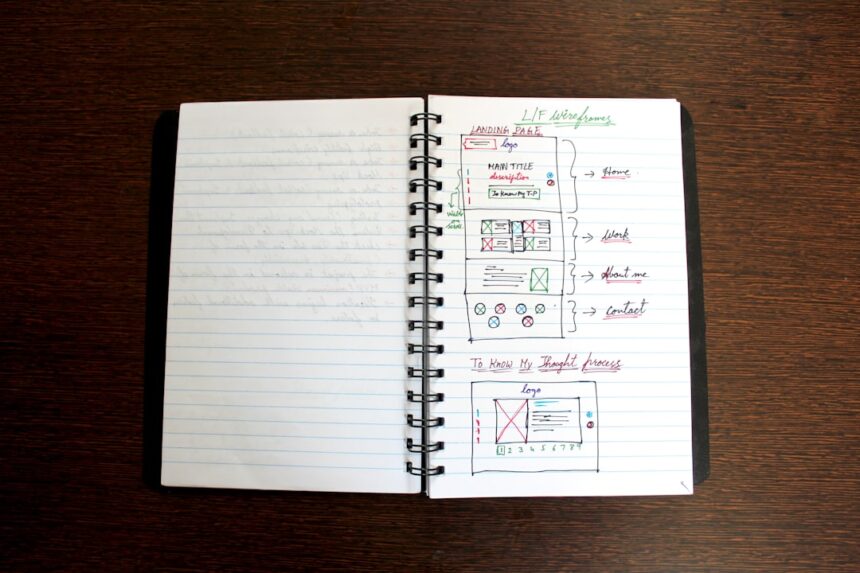
The Sprint Thesis Weekly Planning method is a time management framework designed to structure weekly task organization through focused work periods. This approach divides work into discrete time blocks called “sprints,” which are intended to improve task completion rates and goal achievement. The methodology incorporates three core components: task clarity, priority ranking, and performance evaluation.
Users begin by identifying specific objectives for the week, then arrange these tasks according to importance and urgency. Work is completed in concentrated time periods, followed by assessment of progress and outcomes. Research in productivity management indicates that structured planning systems can increase task completion rates by 25-40% compared to unstructured approaches.
The sprint-based format draws from agile project management principles, which have demonstrated effectiveness in software development and have been adapted for personal productivity applications. Implementation of this system requires establishing clear weekly objectives, allocating specific time blocks for focused work, and conducting regular progress reviews. The method emphasizes measurable outcomes and systematic evaluation of planning effectiveness, allowing users to refine their approach based on actual performance data.
Key Takeaways
- Sprint Thesis Weekly Planning emphasizes clear goal setting and effective prioritization to boost productivity.
- Time blocking and eliminating time wasters are key techniques for efficient time management.
- Regular review and reflection help in adjusting plans and improving performance continuously.
- Leveraging technology can streamline tasks and enhance overall efficiency.
- Balancing work with personal life and overcoming procrastination are essential for sustainable success.
Understanding the Sprint Thesis Methodology
At its core, the Sprint Thesis methodology is about breaking down your work into focused intervals or “sprints.” Each sprint typically lasts one week, during which you concentrate on specific tasks or projects.
Instead, you can channel your efforts into smaller, more manageable segments, making it easier to track your progress and adjust your strategies as needed.
To effectively implement this methodology, it is crucial to understand its underlying principles. The Sprint Thesis method emphasizes clarity in your objectives and flexibility in your approach. You will learn to define what success looks like for each sprint and how to adapt your plans based on your experiences and outcomes.
This iterative process fosters a growth mindset, encouraging you to embrace challenges and learn from setbacks rather than becoming discouraged.
Setting Clear and Achievable Goals

One of the foundational elements of successful Sprint Thesis Weekly Planning is the establishment of clear and achievable goals. As you begin each week, take the time to reflect on what you want to accomplish. Consider both short-term objectives that can be completed within the week and long-term aspirations that require ongoing effort.
By articulating these goals clearly, you create a roadmap that guides your actions and decisions throughout the week. When setting your goals, it is essential to ensure they are realistic and attainable. Aim for a balance between ambition and feasibility; while it’s important to challenge yourself, setting unattainable goals can lead to frustration and burnout.
Break larger goals into smaller milestones that can be achieved within the week. This not only makes the tasks feel less daunting but also provides a sense of accomplishment as you check off each milestone along the way.
Prioritizing Tasks and Time Management
Once you have established your goals for the week, the next step is prioritizing tasks effectively. Not all tasks hold equal weight in terms of their impact on your overall objectives. To maximize your productivity, identify which tasks are most critical to achieving your goals and prioritize them accordingly.
Consider using a prioritization matrix or a simple list to categorize tasks based on urgency and importance. Effective time management is also crucial in this process. Allocate specific time slots for each task based on its priority level.
Be realistic about how long each task will take, and don’t forget to account for breaks and unexpected interruptions. By creating a structured schedule that reflects your priorities, you can ensure that you are dedicating your time and energy to the most impactful activities.
Utilizing Time Blocking Techniques
| Week | Goals | Key Tasks | Estimated Hours | Progress (%) | Blockers | Next Steps |
|---|---|---|---|---|---|---|
| 1 | Define research question and scope | Literature review, topic refinement | 15 | 80 | Access to some papers delayed | Finalize research question |
| 2 | Develop methodology | Design experiments, select tools | 20 | 60 | Tool setup issues | Complete methodology draft |
| 3 | Data collection | Gather data, initial analysis | 25 | 40 | Data inconsistencies found | Clean and validate data |
| 4 | Data analysis | Run experiments, analyze results | 30 | 20 | Statistical software learning curve | Interpret results, prepare graphs |
| 5 | Draft thesis chapters | Write introduction and methods | 18 | 10 | Time constraints | Continue writing and review |
Time blocking is a powerful technique that can significantly enhance your productivity when implementing Sprint Thesis Weekly Planning. This method involves dividing your day into distinct blocks of time dedicated to specific tasks or activities. By assigning specific time slots for each task, you create a sense of urgency that can help you stay focused and motivated.
To effectively utilize time blocking, start by reviewing your prioritized task list and estimating how much time each task will require. Then, create a daily schedule that allocates blocks of time for each task, ensuring that you include breaks to recharge. This structured approach not only helps you stay on track but also minimizes distractions by providing clear boundaries for when you should be working on specific tasks.
Identifying and Eliminating Time Wasters

In order to maximize the effectiveness of your Sprint Thesis Weekly Planning, it is essential to identify and eliminate time wasters from your routine.
By recognizing these distractions, you can take proactive steps to minimize their impact on your productivity.
Start by conducting an audit of how you spend your time throughout the week. Keep a log of activities for a few days to identify patterns and pinpoint areas where time is being wasted. Once you have this information, develop strategies to eliminate or reduce these distractions.
For instance, consider setting specific times for checking emails or social media rather than allowing them to interrupt your workflow throughout the day.
Incorporating Regular Review and Reflection
An integral part of the Sprint Thesis methodology is the practice of regular review and reflection. At the end of each week, take some time to assess what went well and what could be improved upon in the following week. This reflective practice allows you to gain insights into your productivity patterns and identify areas for growth.
During this review process, consider both qualitative and quantitative measures of success. Reflect on how well you achieved your goals and whether your time management strategies were effective. Additionally, think about any obstacles you encountered and how you can address them moving forward.
By incorporating regular reflection into your planning process, you create a continuous feedback loop that fosters improvement and adaptability.
Leveraging Technology for Efficiency
In our increasingly digital world, leveraging technology can significantly enhance the effectiveness of your Sprint Thesis Weekly Planning. There are numerous tools available that can help streamline your planning process, from project management software to calendar applications. These tools can assist in organizing tasks, setting reminders, and tracking progress in real-time.
Consider using applications like Trello or Asana for task management, which allow you to create boards for different projects and assign deadlines. Calendar apps can help you visualize your time blocks and send notifications when it’s time to switch tasks. By integrating technology into your planning process, you can enhance efficiency and ensure that nothing falls through the cracks.
Balancing Work and Personal Life
While achieving professional goals is important, maintaining a healthy work-life balance is equally crucial for long-term success. As you implement Sprint Thesis Weekly Planning, be mindful of how much time you allocate to work versus personal activities. Striking this balance will not only improve your overall well-being but also enhance your productivity when you are working.
To achieve this balance, schedule personal activities just as you would work tasks. Whether it’s spending time with family, pursuing hobbies, or simply taking time for self-care, make sure these activities are prioritized in your weekly plan. By treating personal time with the same importance as work commitments, you create a more fulfilling life that supports both professional success and personal happiness.
Overcoming Procrastination and Distractions
Procrastination is a common challenge that many face when trying to implement effective planning strategies like Sprint Thesis Weekly Planning. To overcome this hurdle, it’s essential to understand the underlying reasons for procrastination—whether it’s fear of failure, lack of motivation, or feeling overwhelmed by tasks. To combat procrastination, start by breaking tasks into smaller steps that feel more manageable.
Set specific deadlines for each step to create a sense of urgency. Additionally, consider using techniques such as the Pomodoro Technique—working in focused bursts followed by short breaks—to maintain motivation and reduce distractions. By addressing procrastination head-on with practical strategies, you can enhance your productivity and stay committed to your weekly planning goals.
Implementing Sprint Thesis Weekly Planning for Long-term Success
In conclusion, implementing Sprint Thesis Weekly Planning can transform the way you approach your tasks and goals. By breaking down your work into manageable sprints, setting clear objectives, prioritizing effectively, and leveraging technology, you can enhance both productivity and satisfaction in your daily life. Regular review and reflection will further support continuous improvement as you adapt your strategies over time.
As you embark on this journey toward more effective planning, remember that balance is key—both in work commitments and personal life pursuits. By overcoming procrastination and distractions while embracing structured techniques like time blocking, you’ll find yourself better equipped to achieve long-term success in all areas of life. Embrace the Sprint Thesis methodology as a powerful tool for growth and fulfillment in both your professional endeavors and personal aspirations.
For those looking to enhance their sprint thesis weekly planning, a great resource is available in the article on productive strategies. You can find valuable insights and tips that can help streamline your planning process by visiting this link. This article provides practical advice that can be applied to improve your weekly planning sessions and ensure that your sprint thesis stays on track.
WATCH THIS! 🚨 Why ‘Balance’ Is A Productivity Trap
FAQs
What is a sprint thesis weekly planning?
Sprint thesis weekly planning is a structured approach to organizing and managing the tasks and milestones involved in completing a thesis within a short, focused time frame, typically broken down into weekly goals.
Why is weekly planning important for a sprint thesis?
Weekly planning helps maintain consistent progress, ensures timely completion of tasks, allows for regular assessment of goals, and helps manage workload effectively during the thesis sprint.
How do you create a sprint thesis weekly plan?
To create a sprint thesis weekly plan, break down the thesis project into smaller tasks, set specific weekly objectives, allocate time for research, writing, and revisions, and schedule regular check-ins to monitor progress.
What are the benefits of using sprint methodology for thesis writing?
Using sprint methodology for thesis writing promotes focused work sessions, improves time management, enhances productivity, reduces procrastination, and helps in meeting deadlines efficiently.
Can sprint thesis weekly planning be adapted for different academic disciplines?
Yes, sprint thesis weekly planning is flexible and can be tailored to fit the specific requirements and workflows of various academic disciplines, whether in sciences, humanities, or social sciences.
How do you track progress in sprint thesis weekly planning?
Progress can be tracked using tools like task lists, Gantt charts, Kanban boards, or digital project management apps, with regular reviews to adjust plans and address any challenges.
What challenges might arise during sprint thesis weekly planning?
Common challenges include underestimating task durations, unexpected research obstacles, balancing thesis work with other responsibilities, and maintaining motivation throughout the sprint.
Is sprint thesis weekly planning suitable for all students?
While sprint thesis weekly planning can benefit many students by providing structure and focus, it may not suit everyone’s working style; some may prefer longer-term planning or more flexible schedules.
How often should one review and adjust the weekly plan during a thesis sprint?
It is recommended to review and adjust the weekly plan at the end of each week to reflect completed tasks, reassess priorities, and plan for the upcoming week effectively.
What tools can assist with sprint thesis weekly planning?
Tools such as Trello, Asana, Microsoft Planner, Google Calendar, and specialized thesis management software can help organize tasks, set deadlines, and track progress during sprint thesis weekly planning.