Energy volatility refers to the unpredictable fluctuations in energy prices, which can be influenced by a myriad of factors including geopolitical tensions, natural disasters, and changes in supply and demand dynamics. As you navigate the complexities of the energy market, it becomes essential to grasp the underlying causes of these price swings. For instance, a sudden spike in oil prices due to political unrest in a major oil-producing country can ripple through the entire energy sector, affecting everything from electricity rates to transportation costs.
Understanding these dynamics allows you to anticipate potential impacts on your operations and make informed decisions. Moreover, energy volatility is not just a concern for large corporations; it affects businesses of all sizes. Small enterprises may find themselves particularly vulnerable, as they often lack the resources to absorb sudden increases in energy costs.
By familiarizing yourself with the factors that contribute to energy price fluctuations, you can better prepare your business for the inevitable ups and downs of the market. This knowledge empowers you to develop strategies that mitigate risks associated with energy volatility, ensuring that your operations remain resilient in the face of uncertainty.
Key Takeaways
- Energy volatility is the unpredictable and fluctuating nature of energy prices and supply.
- Businesses are impacted by energy volatility through increased operational costs and supply chain disruptions.
- Stability in energy management is crucial for businesses to maintain financial predictability and competitiveness.
- Hedging strategies, diversification, long-term contracts, and fixed pricing are effective ways to manage energy volatility.
- Utilizing renewable energy sources, energy efficiency measures, and leveraging technology are key in managing energy volatility and reducing costs.
Impact of Energy Volatility on Businesses
The impact of energy volatility on businesses can be profound and multifaceted. As you consider your operational budget, fluctuating energy prices can lead to unpredictable expenses that complicate financial planning. For instance, if energy costs rise sharply, you may find it challenging to maintain profit margins without passing those costs onto consumers.
This can create a ripple effect, potentially leading to decreased sales and customer dissatisfaction. Understanding this relationship is crucial for maintaining a competitive edge in your industry. Additionally, energy volatility can affect your supply chain and production schedules.
As you assess your business model, it’s important to recognize how interconnected these factors are. By proactively addressing the potential impacts of energy volatility, you can develop contingency plans that safeguard your business against unforeseen challenges.
Importance of Stability in Energy Management
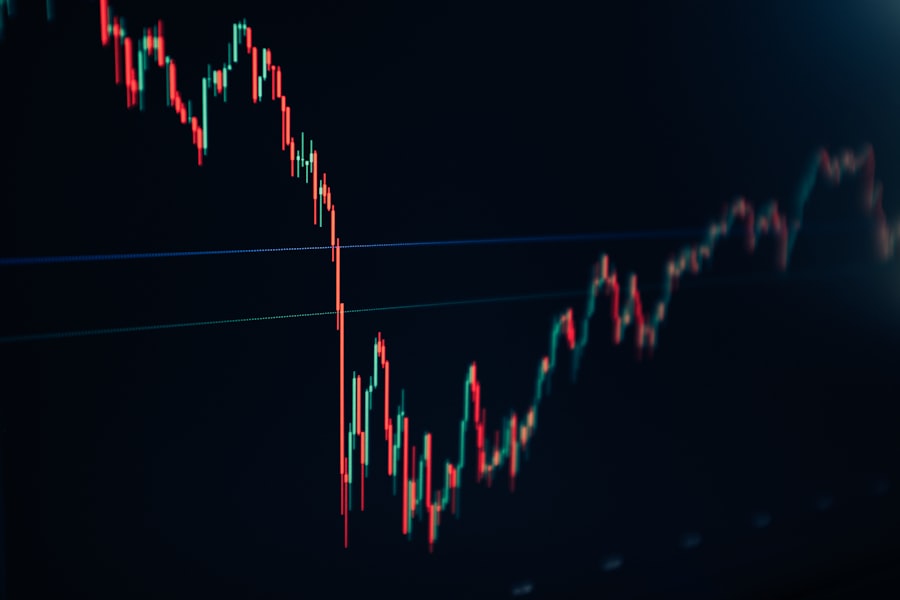
Stability in energy management is vital for ensuring the smooth operation of your business. When energy prices are stable, you can make more accurate forecasts and allocate resources more effectively. This stability allows you to focus on growth and innovation rather than constantly reacting to fluctuating costs.
As you strive for operational efficiency, having a predictable energy budget can significantly enhance your ability to plan for the future. Moreover, stability in energy management fosters confidence among stakeholders, including investors, employees, and customers. When you demonstrate a commitment to managing energy costs effectively, it signals to stakeholders that your business is well-prepared for challenges.
This confidence can translate into stronger relationships and increased loyalty from customers who appreciate your proactive approach to sustainability and cost management.
Hedging Strategies for Energy Volatility
| Strategy | Description | Advantages | Disadvantages |
|---|---|---|---|
| Options | Buying or selling options to hedge against energy price volatility | Potential for unlimited gains with limited risk | Costly premiums and time decay |
| Forwards | Entering into a forward contract to lock in future energy prices | Customizable terms and prices | Counterparty risk and lack of liquidity |
| Futures | Trading standardized futures contracts to hedge against price fluctuations | Liquidity and price transparency | Margin requirements and potential for unlimited losses |
Hedging strategies are essential tools for mitigating the risks associated with energy volatility. As you explore these strategies, consider how they can provide a safety net against price fluctuations. One common approach is entering into futures contracts, which allow you to lock in prices for future purchases of energy.
This can be particularly beneficial if you anticipate rising prices, as it enables you to secure a more favorable rate and protect your bottom line. Another effective hedging strategy involves using options contracts, which give you the right but not the obligation to purchase energy at a predetermined price. This flexibility allows you to benefit from favorable market conditions while minimizing potential losses during downturns.
By incorporating these hedging strategies into your overall energy management plan, you can create a more resilient business model that withstands the pressures of an unpredictable market.
Diversification as a Risk Management Tool
Diversification is a powerful risk management tool that can help you navigate the uncertainties of energy volatility. By spreading your energy sources across different types—such as natural gas, electricity, and renewable options—you reduce your reliance on any single source and minimize exposure to price spikes. This approach not only enhances your resilience but also positions your business as adaptable in an ever-changing market landscape.
In addition to diversifying your energy sources, consider expanding your supplier base. Engaging with multiple suppliers can provide leverage in negotiations and ensure that you have alternatives if one supplier faces disruptions or price increases. As you implement diversification strategies, keep in mind that flexibility is key; being open to new technologies and partnerships can lead to innovative solutions that further enhance your energy management efforts.
Long-term Contracts and Fixed Pricing

Long-term contracts and fixed pricing agreements are effective strategies for stabilizing energy costs over time. By committing to a fixed rate for an extended period, you can shield your business from sudden price increases and create a more predictable budgeting environment. This approach is particularly advantageous for businesses with consistent energy needs, as it allows for better financial planning and resource allocation.
However, it’s important to carefully evaluate the terms of any long-term contract before committing. While fixed pricing offers stability, it may also limit your ability to take advantage of lower market rates if they occur during the contract period. As you weigh the pros and cons, consider how long-term contracts fit into your overall energy strategy and whether they align with your business goals.
Energy Efficiency and Conservation Measures
Implementing energy efficiency and conservation measures is not only beneficial for reducing costs but also plays a crucial role in mitigating the effects of energy volatility. By optimizing your energy usage through practices such as upgrading equipment, improving insulation, or adopting smart technologies, you can significantly lower your overall consumption. This reduction not only decreases your exposure to fluctuating prices but also contributes to a more sustainable business model.
As you explore energy efficiency initiatives, consider conducting an energy audit to identify areas where improvements can be made. This assessment will provide valuable insights into how your business uses energy and highlight opportunities for savings. By prioritizing efficiency and conservation measures, you position your business as a responsible corporate citizen while simultaneously enhancing your bottom line.
Utilizing Renewable Energy Sources
Incorporating renewable energy sources into your energy mix is an effective way to combat the challenges posed by energy volatility. By investing in solar panels, wind turbines, or other renewable technologies, you can reduce dependence on fossil fuels and create a more stable energy supply. This shift not only helps mitigate price fluctuations but also aligns with growing consumer demand for sustainable practices.
Moreover, utilizing renewable energy sources can provide long-term cost savings as technology continues to advance and become more affordable. As you consider integrating renewables into your operations, explore available incentives or grants that may offset initial investment costs. By embracing renewable energy solutions, you position your business as a forward-thinking leader in sustainability while enhancing resilience against market volatility.
Demand Response and Peak Load Management
Demand response programs offer businesses an opportunity to manage their energy consumption during peak demand periods effectively. By adjusting usage based on real-time pricing signals or grid needs, you can reduce strain on the energy system while potentially lowering costs. Participating in demand response initiatives not only helps stabilize the grid but also positions your business as an active participant in promoting sustainability.
Peak load management strategies further enhance this approach by encouraging shifts in consumption patterns during high-demand periods. By analyzing usage data and identifying peak times, you can implement measures such as scheduling heavy machinery operation during off-peak hours or incentivizing employees to reduce usage during peak times. These strategies not only contribute to cost savings but also foster a culture of sustainability within your organization.
Leveraging Technology for Energy Management
Technology plays a pivotal role in modern energy management strategies. By leveraging advanced software solutions and smart technologies, you can gain real-time insights into your energy consumption patterns and identify areas for improvement. For instance, implementing an energy management system (EMS) allows you to monitor usage across different departments or facilities, enabling data-driven decision-making that optimizes efficiency.
Additionally, smart meters and IoT devices provide valuable data that can inform your energy management strategies. These technologies enable remote monitoring and control of equipment, allowing you to respond quickly to changes in demand or identify inefficiencies as they arise. By embracing technology in your energy management efforts, you position your business for greater resilience against volatility while enhancing overall operational efficiency.
Collaboration with Energy Experts and Consultants
Collaborating with energy experts and consultants can provide invaluable insights into navigating the complexities of energy volatility. These professionals bring specialized knowledge and experience that can help you develop tailored strategies for managing risks associated with fluctuating prices. Whether it’s conducting an energy audit or advising on regulatory compliance, their expertise can enhance your overall approach to energy management.
Furthermore, engaging with consultants allows you to stay informed about emerging trends and technologies within the energy sector.
By fostering these collaborative relationships, you position your business for success in an increasingly dynamic energy landscape.
In conclusion, understanding and managing energy volatility is crucial for businesses seeking stability and growth in today’s unpredictable market environment. By implementing effective strategies such as hedging, diversification, long-term contracts, and embracing technology, you can mitigate risks associated with fluctuating prices while enhancing operational efficiency. As you navigate this complex landscape, remember that collaboration with experts and a commitment to sustainability will further strengthen your position against the challenges posed by energy volatility.
In the ever-evolving landscape of global energy markets, understanding the intricacies of energy volatility is crucial for businesses and policymakers alike. A related article that delves into strategies for managing such volatility can be found on Productive Patty’s website. This insightful piece explores various approaches to mitigate risks associated with fluctuating energy prices, offering valuable guidance for those navigating this complex field. For more detailed information, you can read the full article by visiting this link.
Caffeine: The Ultimate Productivity Scam You Fell For (Neuro-Economist Reveals The Truth) ☕️💸
FAQs
What is energy volatility?
Energy volatility refers to the degree of variation in energy prices over a period of time. It can affect the cost of energy for consumers and the profitability of energy companies.
What causes energy volatility?
Energy volatility can be caused by a variety of factors, including geopolitical events, supply and demand imbalances, changes in government policies, natural disasters, and fluctuations in currency exchange rates.
How does energy volatility impact consumers?
Energy volatility can lead to fluctuations in the cost of electricity, gasoline, and heating fuel for consumers. This can impact household budgets and the overall cost of living.
How does energy volatility impact energy companies?
Energy volatility can impact the profitability of energy companies, as it can affect the prices they receive for their products and the costs they incur for production and transportation.
What are some strategies for managing energy volatility?
Some strategies for managing energy volatility include diversifying energy sources, investing in energy efficiency measures, hedging against price fluctuations, and maintaining a flexible approach to energy procurement.