Friction is a fundamental force that occurs when two surfaces come into contact and one moves or attempts to move across the other.
The magnitude of friction depends on factors including the materials involved, surface roughness, and the force pressing the surfaces together.
Beyond its physical properties, friction serves as a useful metaphor for obstacles and resistance encountered in various life situations. These challenges can range from minor daily inconveniences to significant barriers that require strategic problem-solving. Understanding friction in both its literal and metaphorical applications provides insight into how resistance functions in different contexts.
The effects of friction can be both beneficial and detrimental. While friction may slow progress or create complications, it also provides necessary traction for movement and stability. Similarly, challenges and obstacles often prompt individuals to develop new approaches, refine existing methods, or build resilience.
Recognizing these dual aspects of friction enables more effective responses to resistance, whether physical or situational, and can inform strategies for overcoming barriers while utilizing beneficial aspects of resistance.
Key Takeaways
- Friction in daily life often stems from habits and inefficient routines that hinder smooth progress.
- Adopting adaptability, flexibility, and resilience helps individuals better navigate challenges and reduce friction.
- Creating structured systems, routines, and effective time management minimizes obstacles in daily tasks.
- Strong communication and conflict resolution skills are essential to lowering friction in relationships and teamwork.
- Practicing self-care and stress management supports overall well-being and prevents friction buildup.
Identifying Habits that Create Friction
To effectively manage friction in your life, it is crucial to identify the habits that contribute to it. Often, these habits are deeply ingrained and may go unnoticed until they manifest as stress or inefficiency. For instance, procrastination is a common habit that creates friction by delaying tasks and increasing anxiety.
When you put off important responsibilities, you may find yourself scrambling at the last minute, leading to a chaotic and stressful experience. Recognizing this pattern is the first step toward breaking free from its grip. Another habit that can generate friction is poor organization.
When your workspace or living area is cluttered, it becomes challenging to find what you need when you need it.
By taking the time to evaluate your habits and pinpoint those that create friction, you can begin to implement changes that will streamline your daily life and reduce unnecessary stress.
Strategies for Minimizing Friction in Daily Tasks
Once you’ve identified the habits that contribute to friction, it’s time to explore strategies for minimizing their impact on your daily tasks. One effective approach is to establish clear priorities. By determining what tasks are most important and focusing on them first, you can reduce the feeling of being overwhelmed.
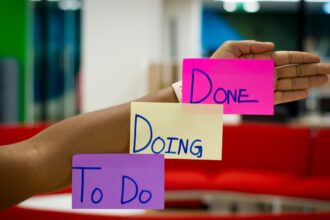
Creating a daily or weekly to-do list can help you visualize your responsibilities and allocate your time more effectively. This simple practice can significantly decrease the friction associated with decision-making and task management. Another strategy involves breaking larger tasks into smaller, manageable steps.
When faced with a daunting project, it’s easy to feel paralyzed by its size and complexity. By dividing it into smaller components, you can tackle each part individually, making the overall task feel less intimidating. This method not only helps you maintain momentum but also allows you to celebrate small victories along the way, further motivating you to continue progressing.
Cultivating a Mindset of Adaptability and Flexibility
In a world that is constantly changing, cultivating a mindset of adaptability and flexibility is essential for navigating friction effectively. Embracing change rather than resisting it allows you to respond more positively to unexpected challenges. When you approach situations with an open mind, you’re more likely to find creative solutions and alternative paths forward.
This adaptability can be particularly beneficial in both personal and professional settings, where circumstances may shift rapidly. To foster this mindset, practice reframing your thoughts when faced with obstacles. Instead of viewing challenges as setbacks, consider them opportunities for growth and learning.
This shift in perspective can help reduce the emotional weight of friction and empower you to tackle issues with confidence. Additionally, surrounding yourself with supportive individuals who encourage adaptability can further reinforce this mindset, creating an environment where flexibility is valued and practiced.
Building Resilience to Navigate Through Friction
| Metric | Description | Example Value | Measurement Method |
|---|---|---|---|
| Time to Initiate Habit | Average time taken to start the habit after a trigger | 30 seconds | Self-reported logs or app tracking |
| Number of Friction Points | Count of obstacles or steps that make habit initiation harder | 2 | User interviews or process mapping |
| Habit Completion Rate | Percentage of days the habit was successfully completed | 85% | Daily habit tracking apps or journals |
| Effort Level | Subjective rating of effort required to perform the habit (1-10) | 3 | Self-assessment surveys |
| Trigger Consistency | Frequency of encountering the habit trigger as planned | 90% | Behavioral logs or app data |
| Time Saved by Friction Reduction | Estimated time saved per habit initiation due to reduced friction | 45 seconds | Time tracking before and after intervention |
| Drop-off Rate | Percentage of users who stop performing the habit over time | 10% | Longitudinal habit tracking |
Resilience is a vital quality that enables you to bounce back from setbacks and navigate through friction with grace. Building resilience involves developing coping strategies that allow you to manage stress effectively and maintain a positive outlook during challenging times. One way to enhance your resilience is by cultivating a strong support network of friends, family, or colleagues who can provide encouragement and guidance when needed.
Another key aspect of resilience is self-awareness. By understanding your emotional triggers and responses, you can better prepare yourself for moments of friction. This awareness allows you to recognize when you’re feeling overwhelmed or stressed, enabling you to take proactive steps to address those feelings before they escalate.
Engaging in mindfulness practices such as meditation or journaling can help enhance your self-awareness and strengthen your ability to cope with life’s inevitable challenges.
Creating Systems and Routines to Streamline Processes
Establishing systems and routines is an effective way to minimize friction in your daily life. By creating structured processes for completing tasks, you can reduce decision fatigue and increase efficiency. For example, consider implementing a morning routine that sets a positive tone for your day.
This routine might include activities such as exercise, meditation, or planning your schedule—each designed to prepare you mentally and physically for the challenges ahead. In addition to morning routines, consider developing systems for specific tasks or projects. For instance, if you frequently find yourself overwhelmed by household chores, create a cleaning schedule that breaks down tasks into manageable segments throughout the week.
By establishing these systems, you’ll not only streamline your processes but also create a sense of order that can alleviate stress and enhance productivity.
Developing Effective Communication Skills to Reduce Friction in Relationships
Effective communication is crucial for reducing friction in relationships—whether personal or professional. Misunderstandings often arise from poor communication, leading to conflict and tension. To foster better communication, practice active listening by giving your full attention to the speaker and responding thoughtfully.
This approach not only demonstrates respect but also helps clarify any potential misunderstandings before they escalate into larger issues. Additionally, expressing your thoughts and feelings clearly is essential for maintaining healthy relationships. When discussing sensitive topics or addressing conflicts, use “I” statements to convey your perspective without placing blame on others.
For example, instead of saying “You never listen,” try expressing “I feel unheard when I’m interrupted.” This shift in language encourages open dialogue and reduces defensiveness, paving the way for more constructive conversations.
Utilizing Time Management Techniques to Avoid Friction
Time management techniques are invaluable tools for avoiding friction in your daily life. One popular method is the Pomodoro Technique, which involves working in focused bursts followed by short breaks. This approach not only enhances productivity but also helps prevent burnout by allowing you to recharge regularly.
By structuring your work sessions in this way, you’ll find it easier to maintain focus and motivation throughout the day. Another effective time management strategy is prioritizing tasks using the Eisenhower Matrix. This method categorizes tasks based on their urgency and importance, helping you identify which activities require immediate attention and which can be delegated or postponed.
By organizing your tasks in this manner, you’ll reduce the feeling of being overwhelmed and create a clearer path toward accomplishing your goals.
Embracing Problem-Solving and Conflict Resolution Skills
Embracing problem-solving and conflict resolution skills is essential for navigating friction effectively. When faced with challenges or disagreements, approaching them with a solution-oriented mindset can lead to more productive outcomes. Start by identifying the root cause of the issue rather than merely addressing surface-level symptoms.
This deeper understanding will enable you to develop targeted solutions that address the underlying problems. Additionally, practicing empathy during conflicts can significantly improve resolution efforts. By putting yourself in the other person’s shoes and considering their perspective, you’re more likely to find common ground and reach mutually beneficial solutions.
This empathetic approach fosters collaboration rather than competition, ultimately reducing friction in relationships.
Fostering a Culture of Collaboration and Teamwork
In both personal and professional settings, fostering a culture of collaboration and teamwork can significantly reduce friction among individuals. When people work together toward common goals, they are more likely to communicate openly and support one another through challenges. Encourage collaboration by creating opportunities for team-building activities or brainstorming sessions where everyone’s input is valued.
Moreover, recognizing individual contributions within a team fosters a sense of belonging and motivation among members. Celebrating achievements—both big and small—can strengthen relationships and create an environment where everyone feels empowered to contribute their best efforts without fear of judgment or conflict.
Implementing Self-Care Practices to Manage Stress and Prevent Friction
Finally, implementing self-care practices is crucial for managing stress and preventing friction in your life. Prioritizing self-care allows you to recharge physically, mentally, and emotionally—equipping you with the resilience needed to face daily challenges head-on. Consider incorporating activities such as exercise, meditation, or hobbies into your routine as a means of nurturing your well-being.
Additionally, setting boundaries is an essential aspect of self-care that helps prevent burnout and reduces friction in relationships. Learn to say no when necessary and prioritize your own needs without feeling guilty about it. By taking care of yourself first, you’ll be better equipped to handle life’s inevitable frictions with grace and composure.
In conclusion, understanding the role of friction in daily life empowers you to identify habits that create obstacles while providing strategies for minimizing their impact. Cultivating adaptability, resilience, effective communication skills, time management techniques, problem-solving abilities, collaboration culture, and self-care practices will enable you to navigate through life’s challenges more smoothly. Embrace these principles as tools for personal growth and development—transforming friction from an adversary into an ally on your journey toward success.
Building habits can often be a challenging endeavor, but understanding the concept of friction reduction can significantly ease the process. By minimizing obstacles that hinder our progress, we can create a more conducive environment for habit formation. For further insights on this topic, you can explore the article on habit building strategies at