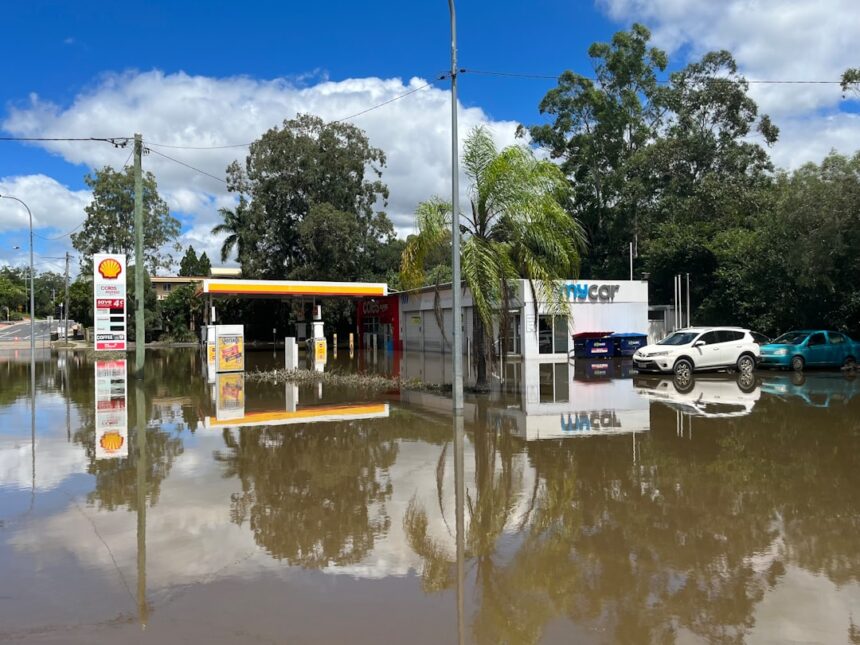
Flood insurance premiums are determined by several factors that assess flood risk for individual properties. The primary factor is geographic location, particularly whether a property is located in a Special Flood Hazard Area (SFHA). The Federal Emergency Management Agency (FEMA) designates these high-risk zones using historical flood data and statistical models that calculate flood probability over specific time periods.
Properties in SFHAs typically have higher premiums due to increased flood likelihood.
Homes built at or above the Base Flood Elevation (BFE) generally qualify for lower rates because they face reduced flood risk.
Properties below the BFE are considered more vulnerable and incur higher premiums. Additional factors that influence flood insurance costs include the age of the structure, construction materials used, distance from water bodies, and the effectiveness of local drainage infrastructure. Property owners should consider these variables when evaluating flood insurance requirements and estimating costs.
Key Takeaways
- Flood insurance premiums rise due to risk factors like location, flood history, and updated flood maps.
- Updated flood maps can lead to higher premiums by reclassifying risk zones.
- Homeowners in flood zones must understand insurance requirements and available mitigation strategies to lower costs.
- Elevation certificates and government programs can help reduce flood insurance premiums.
- Climate change and recent legislation are influencing flood risk assessments and insurance pricing.
Changes in Flood Mapping: How Updated Maps Can Impact Premiums
Flood maps are essential tools used by insurers and homeowners alike to gauge flood risk and determine appropriate insurance premiums. These maps are periodically updated to reflect changes in environmental conditions, urban development, and advancements in flood modeling technology. When FEMA revises flood maps, it can have significant implications for homeowners in flood zones.
For instance, a property that was previously classified as low-risk may be reclassified as high-risk following a mapping update, resulting in a sudden spike in insurance premiums. This shift can catch homeowners off guard, leading to financial strain and necessitating a reevaluation of their insurance coverage. Moreover, updated flood maps can also provide opportunities for homeowners to lower their premiums.
If a property is reclassified from a high-risk zone to a moderate or low-risk zone, homeowners may be eligible for reduced rates or even exemptions from mandatory flood insurance requirements. This underscores the importance of staying informed about changes in flood mapping and understanding how these updates can directly impact insurance costs. Homeowners should regularly review their local flood maps and consult with insurance professionals to ensure they are adequately covered and taking advantage of any potential savings.
Insurance Requirements: What Homeowners in Flood Zones Need to Know

Homeowners residing in flood zones must navigate a complex landscape of insurance requirements that can vary significantly based on location and property characteristics. For those with mortgages from federally regulated or insured lenders, obtaining flood insurance is often mandatory if the property is located within an SFHThis requirement is designed to protect both the lender’s investment and the homeowner’s financial security in the event of a flood. Failure to secure adequate coverage can result in penalties, including forced placement insurance, which is typically more expensive and offers limited protection.
In addition to federal requirements, state and local regulations may impose additional mandates regarding flood insurance. Homeowners should familiarize themselves with these regulations to ensure compliance and avoid unexpected costs. Furthermore, understanding the nuances of coverage options is essential for homeowners in flood-prone areas.
Policies can vary widely in terms of coverage limits, deductibles, and exclusions, making it imperative for homeowners to carefully assess their needs and select a policy that provides adequate protection against potential flooding events.
Mitigation Options: How to Reduce Premiums in Flood Zones
Mitigation strategies play a pivotal role in reducing flood risk and subsequently lowering insurance premiums for homeowners in flood zones. One effective approach is elevating the home above the Base Flood Elevation (BFE). This can involve raising the structure on piers or fill, which not only minimizes the risk of flood damage but also qualifies homeowners for lower premiums under the National Flood Insurance Program (NFIP).
Additionally, implementing flood-proofing measures such as installing sump pumps, using water-resistant materials, and creating barriers can further enhance a property’s resilience against flooding. Homeowners can also explore community-level mitigation efforts that may lead to reduced premiums. Participating in local initiatives aimed at improving drainage systems or restoring natural floodplains can contribute to overall risk reduction within the community.
Furthermore, some states offer grants or incentives for homeowners who invest in mitigation measures, making it financially feasible to enhance their property’s flood resilience. By proactively addressing flood risks through mitigation strategies, homeowners not only protect their investments but also contribute to the long-term sustainability of their communities.
Government Programs: Resources Available for Homeowners in Flood Zones
| Flood Zone | Risk Level | Average Premium Increase (%) | Annual Premium Range | Notes |
|---|---|---|---|---|
| Zone A | High Risk | 45 | 1,200 – 2,500 | Mandatory flood insurance for federally backed mortgages |
| Zone AE | High Risk | 50 | 1,300 – 2,700 | Base flood elevation determined |
| Zone V | Coastal High Risk | 60 | 1,500 – 3,000 | Includes velocity hazard from waves |
| Zone X (shaded) | Moderate Risk | 15 | 400 – 900 | Areas of 0.2% annual chance flood |
| Zone X (unshaded) | Low Risk | 5 | 200 – 500 | Minimal flood risk |
Various government programs exist to assist homeowners in flood zones with navigating the complexities of flood insurance and risk management. The NFIP is perhaps the most well-known program, providing access to affordable flood insurance for properties in participating communities. Through this program, homeowners can obtain coverage that reflects their specific risk levels while benefiting from federally subsidized rates.
Additionally, FEMA offers resources such as risk mapping tools and educational materials to help homeowners understand their flood risk and make informed decisions regarding insurance. Beyond the NFIP, state and local governments may offer additional resources aimed at supporting homeowners in flood-prone areas. These programs can include financial assistance for mitigation projects, grants for elevating homes, or low-interest loans for repairs following a flood event.
Homeowners should actively seek out these resources and engage with local agencies to maximize their support options. By leveraging government programs, homeowners can enhance their financial security while effectively managing their flood risk.
The Role of Elevation Certificates: How They Impact Flood Insurance Premiums
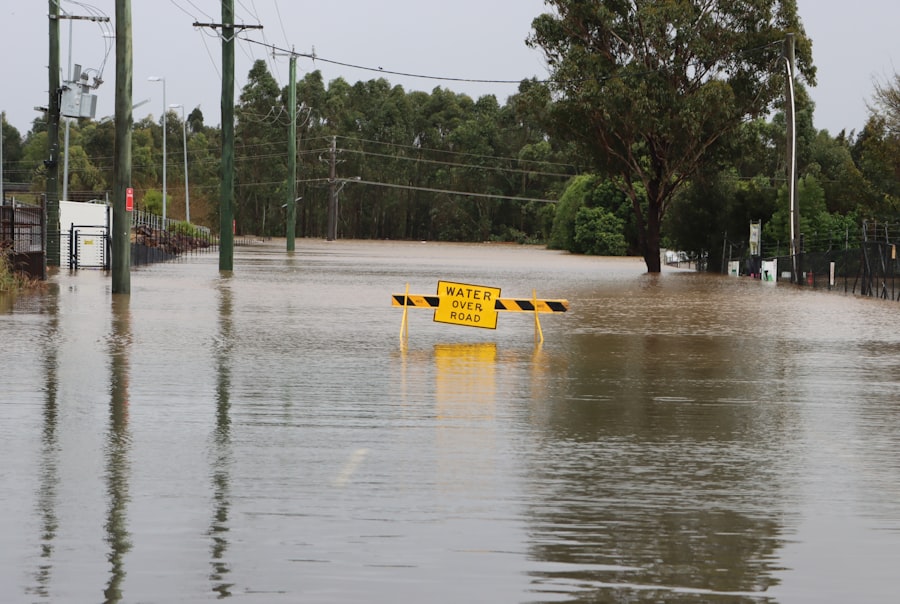
Elevation certificates serve as critical documents that provide detailed information about a property’s elevation relative to the Base Flood Elevation (BFE). These certificates are essential for determining flood insurance premiums under the NFIP, as they help insurers assess the risk associated with a specific property. A properly completed elevation certificate can lead to significant savings on premiums by demonstrating that a home is built at or above the BFE, thereby reducing its vulnerability to flooding.
Obtaining an elevation certificate typically involves hiring a licensed surveyor who will measure the property’s elevation and complete the necessary documentation. Homeowners should consider investing in this certificate not only for its potential cost-saving benefits but also as a valuable tool for understanding their property’s flood risk. In some cases, having an elevation certificate can also facilitate compliance with local building codes and regulations related to floodplain management.
As such, homeowners in flood zones should prioritize obtaining this important document as part of their overall flood risk management strategy.
When it comes to securing flood insurance, homeowners have two primary options: private insurance policies or coverage through the National Flood Insurance Program (NFIP). Each option has its own set of advantages and disadvantages that can significantly impact premiums. NFIP policies are often more accessible for homeowners in high-risk areas due to federally subsidized rates; however, they come with limitations on coverage amounts and may not fully cover all types of damage.
On the other hand, private flood insurance policies can offer more flexibility in terms of coverage limits and exclusions. These policies may provide higher coverage amounts or additional protections not available through NFIP policies. However, they often come with higher premiums due to the increased risk associated with insuring properties in flood-prone areas.
Homeowners must carefully evaluate their options by comparing coverage details, premium costs, and specific needs before making a decision on which type of policy best suits their circumstances.
Recent Legislation: How New Laws Could Impact Flood Insurance Premiums
Recent legislative developments have introduced changes that could significantly affect flood insurance premiums for homeowners across the country. For instance, reforms aimed at modernizing the NFIP have been proposed to address long-standing issues related to affordability and sustainability. These reforms may include adjustments to premium rates based on updated risk assessments and improved mapping technologies, which could lead to more accurate pricing for homeowners.
Additionally, some states have enacted laws that promote transparency in how premiums are calculated and require insurers to provide clearer information about coverage options. Such legislation aims to empower homeowners by ensuring they have access to comprehensive information about their policies and potential costs. As these legislative changes unfold, homeowners should stay informed about how new laws may impact their flood insurance premiums and take proactive steps to adjust their coverage accordingly.
The Impact of Climate Change: How Rising Sea Levels and Extreme Weather Can Affect Premiums
Climate change poses an unprecedented challenge for homeowners in flood zones, as rising sea levels and increased frequency of extreme weather events contribute to heightened flood risks. As scientific evidence mounts regarding the impacts of climate change on weather patterns, insurers are adjusting their models to account for these evolving risks. Consequently, homeowners may see an increase in premiums as insurers factor in the likelihood of more severe flooding events driven by climate change.
Moreover, properties located near coastlines or rivers are particularly vulnerable to these changes, leading insurers to reassess risk levels more frequently than before. Homeowners must remain vigilant about how climate change could influence their insurance costs and consider proactive measures such as elevating their homes or investing in mitigation strategies to reduce vulnerability. By understanding the implications of climate change on flood risks and insurance premiums, homeowners can better prepare for future challenges.
The Importance of Flood Insurance: Why Homeowners in Flood Zones Should Prioritize Coverage
For homeowners residing in flood zones, securing adequate flood insurance is not merely a financial decision; it is a critical component of safeguarding their homes and livelihoods against potential disasters. Flooding can result in devastating damage that far exceeds typical homeowner’s insurance coverage, making specialized flood insurance essential for comprehensive protection.
Furthermore, prioritizing flood insurance is not just about protecting physical assets; it also encompasses peace of mind knowing that one is prepared for unforeseen circumstances. In an era marked by increasing climate volatility and unpredictable weather patterns, having robust flood insurance coverage serves as a safety net that allows homeowners to recover more swiftly after a disaster strikes. By recognizing the importance of this specialized coverage, homeowners can take proactive steps toward securing their financial future.
Working with Insurance Agents: How to Navigate Premium Increases and Find the Best Coverage Options
Navigating the complexities of flood insurance can be daunting for homeowners, particularly when faced with rising premiums or changing regulations. Engaging with knowledgeable insurance agents can provide invaluable support during this process. These professionals possess expertise in understanding local risks and can help homeowners identify suitable coverage options tailored to their specific needs.
Insurance agents can also assist homeowners in exploring potential discounts or mitigation strategies that may lead to lower premiums. By conducting thorough assessments of properties and discussing available options within both private markets and the NFIP, agents empower homeowners to make informed decisions regarding their coverage choices. Ultimately, working closely with an experienced agent enables homeowners to navigate premium increases effectively while ensuring they secure comprehensive protection against flooding risks.
In conclusion, understanding the multifaceted landscape of flood insurance is essential for homeowners residing in flood-prone areas. By staying informed about risk factors, changes in mapping, legislative developments, and mitigation options, they can make educated decisions regarding their coverage needs while effectively managing costs associated with premiums.
Recent discussions surrounding premium increases in flood zones have highlighted the financial challenges faced by homeowners in these areas. For a deeper understanding of the implications of these changes, you can read more in the article available at