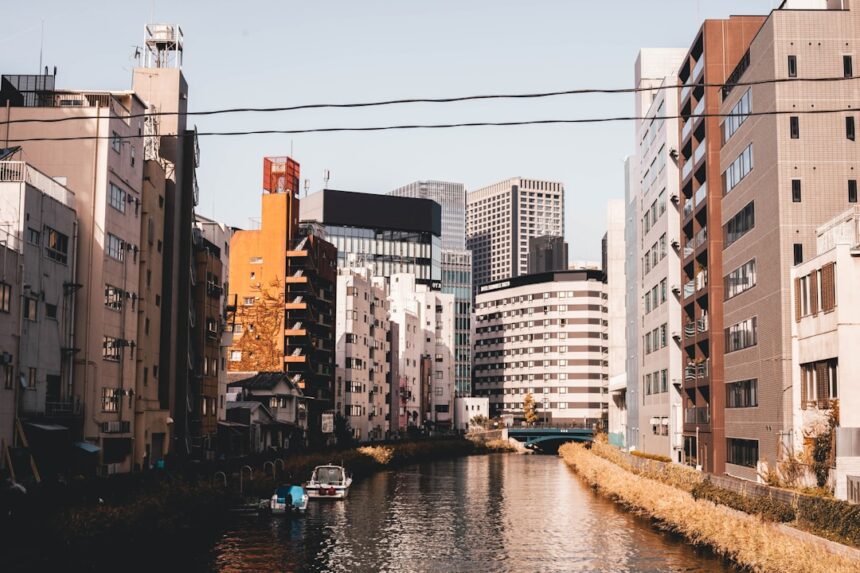
The sinking of Tokyo stands as one of the most devastating events in modern history, marking a significant turning point for the city and its inhabitants. This catastrophic occurrence was not a sudden disaster but rather the culmination of years of environmental degradation, urban expansion, and geological instability. As the ground beneath the metropolis began to shift, residents were caught off guard by the rapidity with which their beloved city began to subside.
Reports indicated that certain districts were sinking at an alarming rate, leading to widespread panic and confusion among the populace. In the days following the initial reports, the situation escalated dramatically. Buildings that had once stood tall and proud began to tilt precariously, while roads cracked and buckled under the strain of the shifting earth.
The government declared a state of emergency, urging citizens to evacuate affected areas. The sinking of Tokyo was not merely a physical event; it represented a profound psychological blow to a city that had long been a symbol of resilience and innovation. As news spread, the world watched in disbelief, grappling with the implications of such a disaster in one of the globe’s most densely populated urban centers.
Key Takeaways
- The sinking of Tokyo caused widespread destruction to infrastructure, severely damaging buildings and roads.
- Thousands of lives were lost, with many survivors sharing harrowing stories of resilience and loss.
- The environmental impact disrupted Tokyo’s ecosystem, leading to long-term ecological challenges.
- Government and international aid efforts are crucial in managing the crisis and supporting recovery.
- The disaster highlights the urgent need for improved disaster preparedness and addresses the role of climate change in such events.
The Impact on Infrastructure: How the Sinking is Affecting Buildings and Roads
The infrastructure of Tokyo has borne the brunt of the sinking, with many buildings suffering structural damage that has rendered them unsafe for habitation. Skyscrapers that once defined the skyline now exhibit alarming cracks and fissures, prompting engineers to conduct urgent assessments. The iconic Tokyo Tower, a symbol of the city’s modernity, has been particularly affected, with concerns about its stability leading to temporary closures and restricted access.
The sinking has not only compromised individual structures but has also disrupted essential services, as power lines and water pipes have been damaged in the upheaval. Roadways have similarly succumbed to the effects of subsidence. Major thoroughfares have developed dangerous potholes and uneven surfaces, making travel treacherous for both vehicles and pedestrians.
Public transportation systems, including trains and buses, have faced significant delays and cancellations due to infrastructure failures. Commuters have found themselves stranded or forced to seek alternative routes, leading to chaos during peak hours. The once-efficient transport network that connected Tokyo’s sprawling districts has become a shadow of its former self, highlighting the urgent need for comprehensive repairs and upgrades.
The Human Toll: Stories of Survival and Loss in the Wake of the Sinking
Amidst the chaos and destruction, countless stories of survival and loss have emerged from the aftermath of Tokyo’s sinking. Families have been torn apart as individuals were separated during evacuations, with many still unaccounted for weeks after the disaster struck. The emotional toll on survivors is immeasurable; they grapple with not only the loss of their homes but also the uncertainty of their loved ones’ fates.
Community centers have become makeshift shelters, where displaced residents share their harrowing experiences and support one another in their time of need. In stark contrast to these tales of despair are stories of heroism and resilience. First responders have worked tirelessly to rescue those trapped beneath debris, often risking their own lives in the process.
Neighbors have banded together to provide food and shelter for those who lost everything, demonstrating an incredible spirit of solidarity in the face of adversity. These narratives serve as a testament to human strength and compassion, reminding everyone that even in the darkest times, hope can emerge from tragedy.
Environmental Consequences: The Effects of the Sinking on Tokyo’s Ecosystem
The environmental ramifications of Tokyo’s sinking extend far beyond its immediate urban landscape. As the city subsides, it disrupts local ecosystems that have thrived for centuries. Wetlands that once served as natural buffers against flooding are now at risk, leading to increased vulnerability for both wildlife and human populations.
The delicate balance between urban development and nature has been irrevocably altered, raising concerns about long-term ecological sustainability. Moreover, the sinking has exacerbated issues related to water management.
This phenomenon poses significant risks not only to drinking water but also to agriculture in surrounding areas. The interconnectedness of urban life and environmental health has never been more apparent, underscoring the urgent need for comprehensive strategies that prioritize ecological preservation alongside urban planning.
Government Response: How Officials are Handling the Crisis
| Metric | Value | Explanation |
|---|---|---|
| Subsidence Rate | Up to 4.5 cm/year (historically) | Ground sinking due to excessive groundwater extraction |
| Groundwater Extraction | Millions of cubic meters per year | Over-pumping for industrial and residential use causes soil compaction |
| Soil Type | Soft alluvial clay and sand | Compressible soil layers prone to subsidence under pressure |
| Urban Development | High density | Heavy infrastructure adds weight, accelerating sinking |
| Sea Level Rise | Approx. 3.3 mm/year globally | Increases risk and impact of sinking areas |
| Countermeasures | Groundwater regulation, land reclamation | Efforts to reduce subsidence and stabilize land |
In response to the crisis, government officials have mobilized resources at an unprecedented scale. Emergency response teams have been deployed to assess damage and provide immediate assistance to affected residents. The government has also established communication channels to keep citizens informed about safety measures and recovery efforts.
However, criticism has emerged regarding the speed and effectiveness of these responses; many feel that officials were unprepared for such a catastrophic event despite prior warnings about subsidence risks. Long-term recovery plans are being developed as well, focusing on rebuilding infrastructure with enhanced resilience against future disasters. Officials are collaborating with engineers and urban planners to create a comprehensive strategy that addresses both immediate needs and future sustainability.
This multifaceted approach aims not only to restore what was lost but also to create a safer environment for future generations. The challenge lies in balancing rapid recovery with thoughtful planning that considers both human needs and environmental impacts.
Economic Fallout: The Financial Impact of the Sinking on Tokyo’s Businesses
The economic repercussions of Tokyo’s sinking are profound and far-reaching. Local businesses have faced unprecedented challenges as foot traffic dwindles due to damaged infrastructure and safety concerns. Shops that once thrived in bustling districts now struggle to attract customers, leading to significant revenue losses.
Many small business owners find themselves on the brink of bankruptcy as they grapple with mounting debts and dwindling resources. The broader economic landscape is equally affected; industries reliant on transportation and logistics face disruptions that ripple through supply chains. Major corporations are reevaluating their operations in Tokyo, with some considering relocation to more stable regions.
The financial impact extends beyond immediate losses; it threatens long-term economic growth as investor confidence wanes in light of ongoing instability. Policymakers are now tasked with devising strategies to stimulate recovery while ensuring that businesses can adapt to a new reality shaped by environmental challenges.
International Aid: Support from Other Countries in the Aftermath of the Sinking
In the wake of Tokyo’s sinking, international solidarity has emerged as countries around the world extend their support to Japan. Humanitarian organizations have mobilized resources to provide essential supplies such as food, water, and medical assistance to those affected by the disaster. Nations have offered financial aid and technical expertise to assist in recovery efforts, recognizing that such a catastrophe transcends borders.
This global response highlights not only compassion but also a shared understanding of vulnerability in an increasingly interconnected world. Countries that have faced similar disasters have shared their experiences and best practices for rebuilding resilient communities. This exchange of knowledge fosters collaboration and innovation as Japan navigates its recovery journey.
The international community’s commitment serves as a reminder that collective action is vital in addressing crises that impact humanity as a whole.
The Future of Tokyo: Rebuilding and Recovery Efforts in the Sinking’s Aftermath
As Tokyo grapples with its new reality, discussions about rebuilding have taken center stage. Urban planners are exploring innovative designs that prioritize sustainability while addressing vulnerabilities exposed by the sinking. Concepts such as floating architecture and green infrastructure are being considered as potential solutions to create a more resilient cityscape.
The vision for Tokyo’s future is one that harmonizes urban living with environmental stewardship. Community involvement is also crucial in shaping recovery efforts. Residents are being encouraged to participate in planning discussions, ensuring that their voices are heard in decisions that will affect their lives for generations to come.
This collaborative approach fosters a sense of ownership among citizens, empowering them to contribute actively to their city’s revival. As Tokyo embarks on this journey toward recovery, it stands at a crossroads—one where lessons learned from adversity can pave the way for a brighter future.
Lessons Learned: What the Sinking of Tokyo Teaches Us About Disaster Preparedness
The sinking of Tokyo serves as a stark reminder of the importance of disaster preparedness in an era marked by climate change and environmental uncertainty. It underscores the need for proactive measures that prioritize risk assessment and mitigation strategies before disasters strike. Communities must invest in infrastructure that can withstand natural forces while fostering resilience among residents through education and training.
Moreover, this event highlights the significance of collaboration between government agencies, scientists, engineers, and local communities in developing comprehensive disaster response plans. By sharing knowledge and resources, societies can better equip themselves to face future challenges posed by climate change and urbanization. The lessons learned from Tokyo’s experience can inform global efforts toward building safer cities capable of adapting to an unpredictable future.
The Role of Climate Change: How Global Warming Contributed to the Sinking of Tokyo
Climate change has played an undeniable role in exacerbating conditions that led to Tokyo’s sinking. Rising sea levels resulting from global warming have increased pressure on coastal cities like Tokyo, making them more susceptible to flooding and subsidence. Additionally, extreme weather events—such as heavy rainfall—have become more frequent due to climate change, further destabilizing already vulnerable urban environments.
The interplay between human activity and environmental degradation cannot be overlooked either; unsustainable urban development practices have contributed significantly to land subsidence in Tokyo over time. As groundwater extraction continues unchecked, it creates voids beneath the surface that lead to sinking land. Addressing these interconnected issues requires a holistic approach that prioritizes sustainability while acknowledging humanity’s role in shaping its environment.
Remembering the Tragedy: Honoring the Lives Lost in the Sinking of Tokyo
In the aftermath of such a profound tragedy, honoring those who lost their lives becomes paramount for healing communities affected by grief and loss. Memorial services have been organized across Tokyo as families gather to remember loved ones who perished during this catastrophic event. These gatherings serve not only as acts of remembrance but also as opportunities for collective mourning—a chance for individuals to share their stories while finding solace among others who understand their pain.
These public displays serve as poignant reminders of resilience amid sorrow while fostering conversations about community strength moving forward. As Tokyo navigates its recovery journey, it remains essential that memories endure; they remind society not only of what was lost but also inspire hope for a future built on compassion and unity amidst adversity.
Tokyo, a bustling metropolis, is facing a significant environmental challenge as it slowly sinks due to a combination of factors including groundwater extraction and rising sea levels. For a deeper understanding of this pressing issue, you can read more in the article found here: Why Tokyo is Sinking. This article delves into the geological and human activities contributing to the city’s subsidence and highlights the urgent need for sustainable urban planning.
FAQs
Why is Tokyo sinking?
Tokyo is sinking primarily due to excessive groundwater extraction over many decades. The removal of large amounts of groundwater causes the land to compact and subside, leading to the gradual sinking of the city.
How much has Tokyo sunk over the years?
Tokyo has experienced subsidence of up to several meters in some areas since the early 20th century. However, the rate of sinking has significantly decreased since regulations on groundwater pumping were implemented in the 1960s.
What measures have been taken to stop Tokyo from sinking?
The Japanese government introduced strict regulations on groundwater extraction in the 1960s, promoting the use of surface water and other water sources. Additionally, urban planning and infrastructure improvements have helped mitigate further subsidence.
Is Tokyo still sinking today?
While the rate of sinking has slowed considerably due to regulatory measures, some minor subsidence still occurs, mainly due to natural geological processes and ongoing urban development.
What are the risks associated with Tokyo sinking?
Subsidence can increase the risk of flooding, damage to buildings and infrastructure, and can complicate disaster management efforts, especially in a city prone to earthquakes and typhoons.
Does climate change affect Tokyo’s sinking?
Climate change itself does not directly cause Tokyo to sink, but rising sea levels combined with land subsidence can exacerbate flooding risks in low-lying areas of the city.
Are other cities experiencing similar sinking issues?
Yes, many cities worldwide, such as Jakarta, Mexico City, and New Orleans, face land subsidence due to groundwater extraction and other factors, leading to similar challenges as Tokyo.
Can technology help prevent or reverse the sinking?
While technology cannot reverse subsidence once it has occurred, advanced monitoring systems, improved water management, and sustainable urban planning can help prevent further sinking and mitigate its impacts.