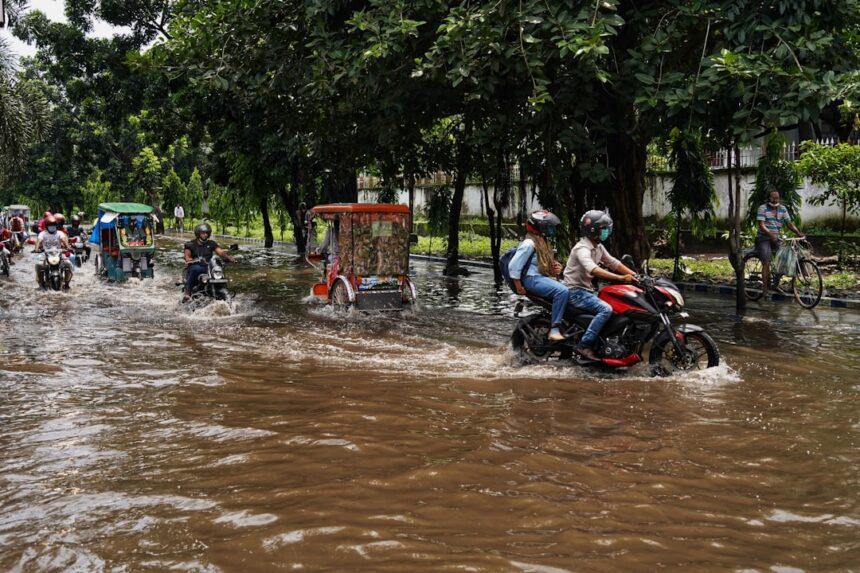
Japan, an archipelago situated in the Pacific Ring of Fire, is no stranger to natural disasters, particularly flooding. The nation’s unique geographical features, including mountainous terrain and extensive river systems, make it particularly vulnerable to heavy rainfall and typhoons. In response to this persistent threat, Japan has developed a comprehensive flood protection strategy that combines advanced engineering, innovative technology, and community engagement.
This multifaceted approach not only aims to mitigate the immediate impacts of flooding but also seeks to foster resilience among its citizens and infrastructure. The Japanese government has recognized that effective flood management is essential for safeguarding lives, property, and the economy. As such, the country has invested heavily in both hard and soft measures to combat flooding.
Hard measures include the construction of levees, dams, and drainage systems, while soft measures encompass community education and preparedness initiatives. This dual approach reflects a deep understanding of the complexities involved in flood management and the need for a holistic strategy that addresses both physical infrastructure and human behavior.
Key Takeaways
- Japan’s flood protection strategy combines advanced infrastructure with community engagement and innovative technology.
- Historical flood events have shaped Japan’s comprehensive approach to disaster preparedness and response.
- Sustainable practices and climate change adaptation are integral to Japan’s ongoing flood protection efforts.
- Collaboration with international partners enhances knowledge sharing and improves flood resilience globally.
- Future challenges include addressing climate change impacts while leveraging new opportunities for improved flood management.
History of Flooding in Japan
Japan’s history is marked by numerous devastating floods that have shaped its flood management policies. One of the most catastrophic events occurred in 1959 when Typhoon Vera struck the Ise Bay area, resulting in over 5,000 fatalities and widespread destruction.
The aftermath of Typhoon Vera served as a wake-up call, highlighting the urgent need for a more robust flood protection strategy. Over the decades, Japan has experienced several other significant flooding events, including the 2011 floods in the Kanto region and the 2018 western Japan floods that claimed over 200 lives. Each disaster has provided valuable lessons that have informed subsequent policy changes and infrastructure improvements.
The historical context of flooding in Japan underscores the importance of continuous adaptation and innovation in flood management practices, as the nation strives to protect its citizens from future calamities.
The Role of Infrastructure in Flood Protection
Infrastructure plays a pivotal role in Japan’s flood protection strategy. The country boasts an extensive network of levees, dams, and drainage systems designed to manage excess water during heavy rainfall. These structures are engineered to withstand extreme weather conditions and are regularly maintained to ensure their effectiveness.
For instance, the construction of the Kurobe Dam in Toyama Prefecture stands as a testament to Japan’s commitment to flood control, as it not only regulates river flow but also generates hydroelectric power. In addition to traditional infrastructure, Japan has also embraced innovative designs that enhance flood resilience. For example, the use of underground reservoirs has become increasingly popular in urban areas where space is limited.
These reservoirs can temporarily store excess rainwater, preventing it from overwhelming drainage systems and causing surface flooding. By integrating advanced engineering solutions with existing infrastructure, Japan continues to strengthen its defenses against flooding while minimizing disruption to daily life.
Innovative Technologies Used in Japan’s Flood Protection Strategy
Japan is at the forefront of utilizing innovative technologies in its flood protection strategy. One notable advancement is the implementation of real-time monitoring systems that utilize sensors and satellite imagery to track weather patterns and river levels. These technologies enable authorities to issue timely warnings and mobilize resources effectively during potential flooding events.
By harnessing data analytics and predictive modeling, Japan can anticipate flooding risks and take proactive measures to safeguard communities. Moreover, Japan has invested in developing smart flood management systems that integrate artificial intelligence (AI) and machine learning. These systems analyze vast amounts of data to optimize water flow management and improve decision-making processes during emergencies.
For instance, AI algorithms can predict how different rainfall scenarios will impact river levels, allowing for more accurate flood forecasts. This technological integration not only enhances response times but also empowers local governments to make informed decisions that prioritize public safety.
Community Involvement in Flood Protection
| Metric | Details |
|---|---|
| Annual Flood Damage Reduction | Approximately 80% reduction in flood damage since implementation of modern strategies |
| Flood Defense Infrastructure | Over 2,000 km of levees and floodwalls nationwide |
| Reservoir Capacity | More than 1.5 billion cubic meters of floodwater storage capacity |
| Early Warning Systems | Nationwide river and rainfall monitoring with real-time alerts |
| Community Evacuation Drills | Conducted annually in over 90% of flood-prone municipalities |
| Investment in Flood Control (Annual) | Approximately 150 billion yen allocated for flood protection projects |
| Green Infrastructure Initiatives | Implementation of urban green spaces and permeable surfaces to reduce runoff |
| Flood Risk Mapping Coverage | Comprehensive flood hazard maps covering 100% of urban areas |
Community involvement is a cornerstone of Japan’s flood protection strategy. Recognizing that local residents are often the first responders during disasters, the government has prioritized education and preparedness initiatives at the grassroots level. Local communities are encouraged to participate in disaster drills, which simulate flooding scenarios and teach residents how to respond effectively.
These drills foster a culture of preparedness and resilience, ensuring that individuals know how to protect themselves and their families during emergencies. Additionally, community engagement extends beyond drills; it includes collaboration with local organizations and volunteers who play vital roles in flood response efforts. For example, neighborhood associations often organize clean-up activities after flooding events, helping restore affected areas while fostering a sense of solidarity among residents.
By empowering communities to take an active role in flood protection, Japan cultivates a collective responsibility that enhances overall resilience against future disasters.
Lessons Learned from Past Disasters
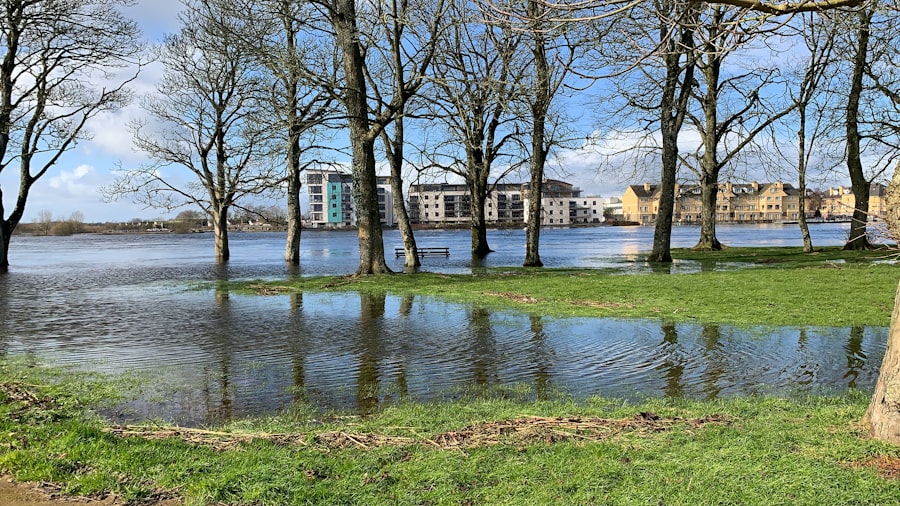
Japan’s approach to flood protection has been significantly shaped by lessons learned from past disasters. Each catastrophic event has prompted a thorough analysis of response efforts and infrastructure effectiveness, leading to continuous improvements in flood management practices. For instance, after the 2011 floods, authorities recognized the need for better coordination among various agencies involved in disaster response.
This realization led to the establishment of more streamlined communication channels and collaborative frameworks that enhance efficiency during emergencies. Furthermore, past disasters have underscored the importance of public awareness campaigns aimed at educating citizens about flood risks and safety measures. The government has invested in outreach programs that provide information on evacuation routes, emergency supplies, and communication strategies during floods.
By learning from previous experiences, Japan has developed a more comprehensive understanding of how to prepare for and respond to flooding events effectively.
Sustainable Approaches to Flood Protection
Sustainability is increasingly becoming a focal point in Japan’s flood protection strategy. The government recognizes that traditional hard engineering solutions alone may not suffice in addressing the challenges posed by climate change and urbanization. As such, there is a growing emphasis on integrating green infrastructure into flood management practices.
This includes initiatives such as restoring wetlands and creating green spaces that can absorb excess rainwater while providing ecological benefits. Moreover, sustainable urban planning plays a crucial role in mitigating flood risks. By promoting permeable surfaces and enhancing natural drainage systems within cities, Japan aims to reduce surface runoff during heavy rainfall events.
These approaches not only contribute to effective flood management but also enhance urban livability by creating more resilient and environmentally friendly communities.
Collaboration with International Partners
Japan’s commitment to effective flood protection extends beyond its borders through collaboration with international partners. The country actively engages in knowledge-sharing initiatives with other nations facing similar challenges related to flooding and natural disasters. By participating in international forums and conferences, Japan exchanges best practices and innovative solutions with global experts in disaster management.
Additionally, Japan has provided technical assistance and support to developing countries seeking to improve their flood management capabilities. Through various programs and partnerships, Japan shares its expertise in infrastructure development, community engagement, and disaster preparedness strategies.
Adaptation to Climate Change
As climate change continues to exacerbate extreme weather events worldwide, Japan recognizes the urgent need for adaptation strategies within its flood protection framework. Rising sea levels and increased rainfall intensity pose significant threats to coastal communities and river systems alike. In response, Japan is investing in research initiatives aimed at understanding climate impacts on flooding patterns and developing adaptive measures accordingly.
One key aspect of adaptation involves enhancing existing infrastructure to withstand future climate scenarios. This includes retrofitting levees and dams to accommodate higher water levels while ensuring their structural integrity remains intact. Furthermore, Japan is exploring innovative solutions such as floating structures that can adapt to changing water levels without compromising safety or functionality.
Future Challenges and Opportunities in Flood Protection
Despite its robust flood protection strategy, Japan faces ongoing challenges as it navigates an increasingly complex landscape of natural disasters. Urbanization continues to strain existing infrastructure while climate change introduces new uncertainties regarding rainfall patterns and storm intensity. Additionally, an aging population poses unique challenges for disaster preparedness efforts, as older individuals may require additional support during emergencies.
However, these challenges also present opportunities for innovation and improvement within Japan’s flood management framework. The integration of smart technologies offers promising avenues for enhancing real-time monitoring capabilities while fostering community engagement through digital platforms. Furthermore, continued investment in sustainable practices can lead to more resilient urban environments that prioritize both safety and ecological health.
The Impact of Japan’s Flood Protection Strategy
Japan’s comprehensive flood protection strategy serves as a model for other nations grappling with similar challenges posed by natural disasters. Through a combination of advanced infrastructure, innovative technologies, community involvement, and sustainable practices, Japan has made significant strides in mitigating the impacts of flooding on its citizens and economy. The lessons learned from past disasters have informed ongoing improvements while fostering a culture of preparedness among communities.
As climate change continues to reshape the landscape of natural disasters globally, Japan’s proactive approach offers valuable insights into effective flood management strategies. By prioritizing collaboration with international partners and embracing adaptive measures for future challenges, Japan stands poised to navigate an uncertain future while safeguarding its people from the ever-present threat of flooding. Ultimately, the impact of Japan’s flood protection strategy extends beyond its borders; it serves as an inspiration for resilience-building efforts worldwide.
Japan has long been recognized for its innovative flood protection strategies, which are crucial given the country’s vulnerability to natural disasters. A related article that delves into these strategies can be found at this link. The article discusses various measures implemented by Japan, including advanced engineering techniques and community preparedness initiatives, highlighting the nation’s commitment to safeguarding its citizens and infrastructure against flooding.
FAQs
What are the main causes of flooding in Japan?
Japan experiences flooding primarily due to heavy rainfall during the rainy season, typhoons, and rapid snowmelt. Its mountainous terrain and numerous rivers also contribute to the risk of floods.
What strategies does Japan use for flood protection?
Japan employs a combination of structural measures such as dams, levees, floodgates, and river channel improvements, alongside non-structural approaches like early warning systems, land-use planning, and community preparedness programs.
How does Japan’s early warning system work for floods?
Japan uses advanced meteorological technology and river monitoring systems to provide real-time data. This information is disseminated through various channels, including mobile alerts, television, and radio, to warn residents of impending floods.
What role do dams and levees play in Japan’s flood protection?
Dams help regulate river flow by storing excess water during heavy rains, while levees act as barriers to prevent rivers from overflowing into populated areas. Both are critical components of Japan’s flood defense infrastructure.
How does Japan incorporate community involvement in flood protection?
Local communities participate in disaster preparedness drills, education programs, and evacuation planning. This involvement ensures that residents are informed and ready to respond effectively during flood events.
What technological innovations has Japan implemented for flood management?
Japan utilizes advanced technologies such as real-time river monitoring sensors, GIS mapping, and AI-based prediction models to enhance flood forecasting and response capabilities.
How does land-use planning contribute to flood risk reduction in Japan?
Japan enforces zoning regulations that restrict development in flood-prone areas, promotes the creation of green spaces to absorb rainwater, and designs urban infrastructure to improve drainage and reduce runoff.
Has Japan’s flood protection strategy been effective?
While Japan continues to face challenges due to its geography and climate, its comprehensive flood protection strategy has significantly reduced the impact of floods, minimizing loss of life and property damage compared to past events.
How does Japan prepare for typhoon-related flooding?
Japan combines early warning systems, infrastructure reinforcement, emergency response planning, and public education to mitigate the effects of typhoon-induced floods.
What lessons can other countries learn from Japan’s flood protection strategy?
Other countries can learn the importance of integrating structural and non-structural measures, investing in technology for early warning, involving communities in preparedness, and enforcing strict land-use policies to effectively manage flood risks.