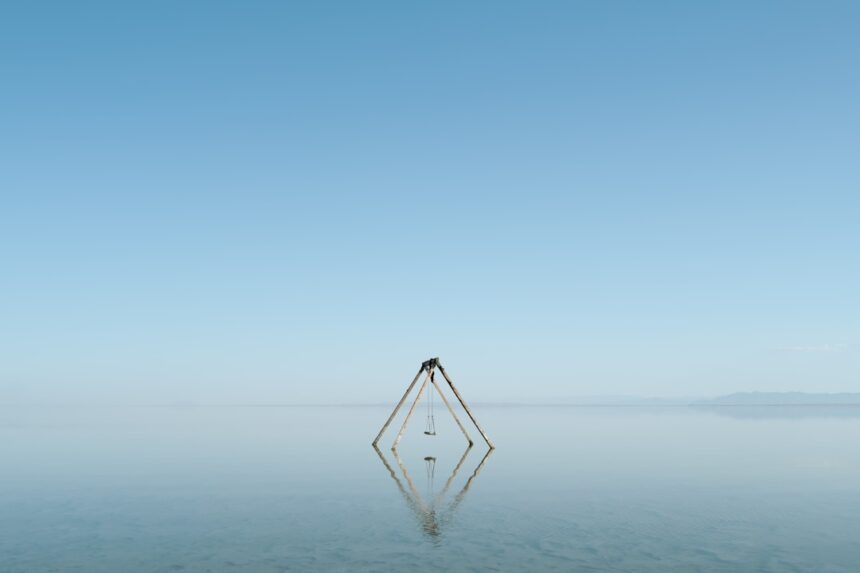
Rising sea levels present a documented threat to coastal urban areas worldwide, including Tokyo. As one of the world’s most densely populated metropolitan areas, Tokyo faces distinct challenges related to its geographic position and extensive coastal boundaries. Sea level rise results from two primary mechanisms: thermal expansion of ocean water due to increasing temperatures, and the addition of water from melting ice sheets and glaciers.
These processes contribute to measurable changes that affect coastal infrastructure, natural systems, and human settlements. Tokyo’s exposure to sea level rise stems from its low elevation and location along the Pacific Ocean. Substantial portions of the metropolitan area are situated in coastal zones, creating potential risks from flooding, storm surge events, and coastal erosion.
The consequences of these hazards extend beyond immediate physical impacts to include social, economic, and environmental effects that may influence the region’s long-term development. Comprehensive understanding of these interconnected risks is essential for formulating appropriate adaptation and mitigation measures to address Tokyo’s coastal vulnerabilities.
Key Takeaways
- Rising sea levels pose a significant threat to Tokyo’s coastal areas, exacerbated by climate change.
- Current flood protection measures exist but require enhancement to address future risks effectively.
- Adaptation and resilience in infrastructure are crucial for Tokyo to withstand increasing sea-level impacts.
- Innovative and green infrastructure solutions offer promising approaches to managing rising seas.
- Community engagement and strong policy frameworks are essential for successful adaptation and economic stability.
Current measures in place to protect Tokyo from flooding
In response to the looming threat of rising seas, Tokyo has implemented a range of measures aimed at flood protection and disaster preparedness. One of the most notable initiatives is the construction of an extensive network of levees and floodwalls designed to shield vulnerable areas from storm surges and high tides. These structures serve as a first line of defense, helping to mitigate the impact of flooding during extreme weather events.
Additionally, the city has invested in advanced drainage systems that can efficiently manage heavy rainfall, further reducing the risk of urban flooding. Moreover, Tokyo has developed comprehensive emergency response plans that prioritize public safety during flooding events. These plans include early warning systems that alert residents to impending storms and potential flooding, allowing for timely evacuations and preparations.
The city also conducts regular drills and simulations to ensure that both government agencies and citizens are well-prepared for emergencies. While these measures have proven effective in many instances, the ongoing threat of rising seas necessitates continuous evaluation and enhancement of flood protection strategies.
The impact of climate change on Tokyo’s coastal areas
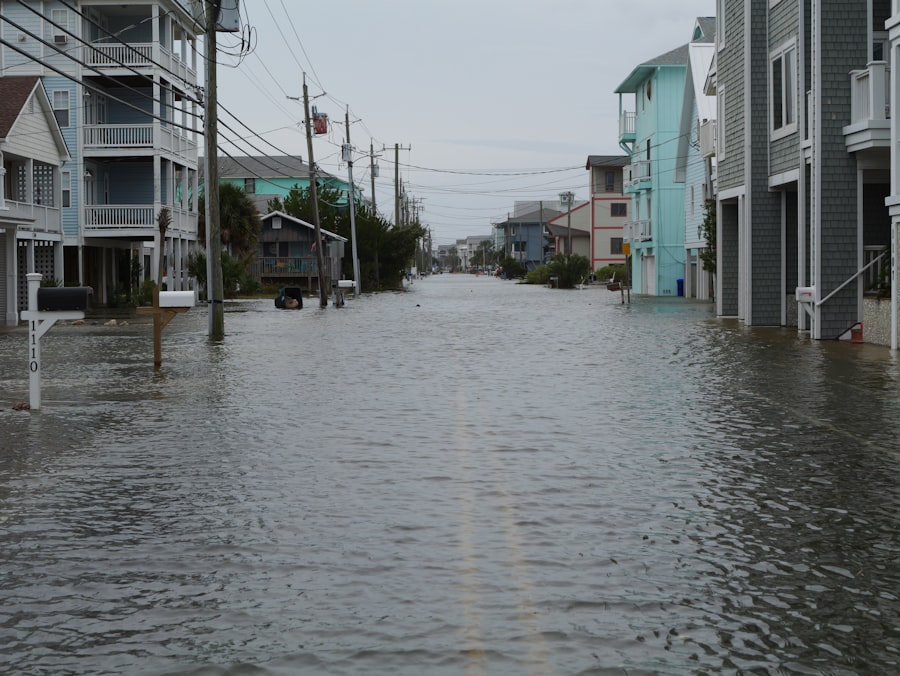
Climate change is not merely a distant concern; it is an immediate reality that is already affecting Tokyo’s coastal areas. Rising temperatures contribute to more frequent and intense weather events, including typhoons and heavy rainfall, which can exacerbate flooding risks. Additionally, the warming climate leads to changes in ocean currents and patterns, further complicating the dynamics of sea level rise.
As a result, coastal ecosystems are under increasing stress, with implications for biodiversity and local fisheries that are vital to the region’s economy. The impact of climate change extends beyond physical changes in the environment; it also affects the social fabric of communities along Tokyo’s coast.
As these communities face heightened risks, there is an urgent need for targeted interventions that address both environmental sustainability and social equity. The interplay between climate change and its effects on coastal areas underscores the importance of proactive measures to build resilience in Tokyo.
The need for adaptation and resilience in Tokyo’s infrastructure
As the threat of rising seas becomes increasingly pronounced, there is a growing recognition of the need for adaptation and resilience in Tokyo’s infrastructure. Traditional approaches to urban planning may no longer suffice in the face of climate change; instead, innovative solutions must be sought to ensure that infrastructure can withstand future challenges. This includes not only physical structures but also systems for water management, transportation, and energy supply that are designed with resilience in mind.
Investing in adaptive infrastructure involves rethinking existing designs and incorporating flexibility into future developments. For instance, buildings can be constructed with elevated foundations to reduce flood risk, while green spaces can be integrated into urban planning to absorb excess rainwater. Furthermore, enhancing public transportation systems can reduce reliance on vulnerable roadways during extreme weather events.
By prioritizing resilience in infrastructure development, Tokyo can better prepare for the uncertainties posed by rising seas while fostering sustainable growth.
Innovative solutions for managing rising sea levels in Tokyo
| Metric | Value | Unit | Notes |
|---|---|---|---|
| Current Sea Level Rise Rate | 3.2 | mm/year | Measured at Tokyo Bay tide gauges (2020-2023) |
| Projected Sea Level Rise by 2050 | 15-25 | cm | Based on IPCC RCP4.5 and RCP8.5 scenarios |
| Percentage of Tokyo Coastal Area at Risk | 12 | % | Areas below projected 2050 sea level rise |
| Population in Flood-Prone Zones | 1.5 | million people | Estimated residents in vulnerable coastal districts |
| Length of Coastal Flood Defenses | 40 | km | Existing seawalls and levees around Tokyo Bay |
| Planned Increase in Flood Defense Height | 1.5 | meters | By 2030 to counteract sea level rise |
| Investment in Adaptation Measures (Annual) | 120 | million | Government budget for flood prevention and adaptation |
| Green Infrastructure Coverage Increase Target | 30 | % | Increase in permeable surfaces to reduce runoff by 2030 |
In light of the challenges posed by rising sea levels, Tokyo has begun exploring innovative solutions that go beyond traditional flood defenses. One such approach involves the use of floating structures that can adapt to changing water levels. These designs not only provide functional space but also create opportunities for recreational areas and green spaces on the water.
By embracing creativity in architectural design, Tokyo can redefine its relationship with water while addressing the practicalities of rising seas. Another promising solution lies in harnessing technology for real-time monitoring and data analysis. Advanced sensors can be deployed along the coastline to track changes in sea levels, wave patterns, and weather conditions.
This data can inform decision-making processes and enhance emergency response capabilities. Additionally, integrating artificial intelligence into urban planning can help simulate various scenarios related to climate change impacts, allowing city planners to develop more effective strategies for managing rising seas.
The role of green infrastructure in mitigating the effects of rising seas
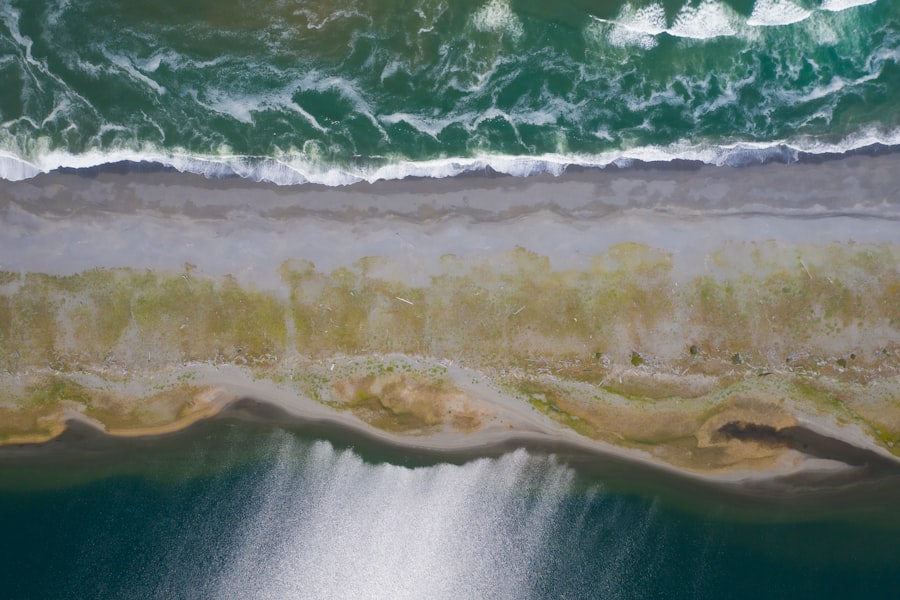
Green infrastructure plays a pivotal role in mitigating the effects of rising seas in urban environments like Tokyo. By incorporating natural elements into urban design, cities can enhance their resilience while providing ecological benefits. For instance, creating wetlands along the coastline can serve as natural buffers against storm surges while improving water quality and supporting biodiversity.
These ecosystems not only protect against flooding but also offer recreational opportunities for residents. Furthermore, urban forests and green roofs can help manage stormwater runoff by absorbing excess rainwater and reducing heat island effects. By integrating green spaces into urban planning, Tokyo can create a more sustainable environment that enhances quality of life while addressing climate-related challenges.
The multifaceted benefits of green infrastructure underscore its importance as a key component in the city’s strategy for adapting to rising seas.
Community involvement in adapting to rising seas in Tokyo
Community involvement is essential for fostering resilience against rising seas in Tokyo. Engaging local residents in discussions about climate adaptation not only empowers them but also ensures that solutions are tailored to meet their specific needs. Initiatives such as community workshops and public forums provide platforms for residents to voice their concerns and contribute ideas for enhancing flood resilience.
Moreover, grassroots organizations play a vital role in mobilizing community action around climate adaptation efforts. These groups often work collaboratively with local governments to implement projects that address flooding risks while promoting social cohesion. By fostering a sense of ownership among residents, Tokyo can build a more resilient community capable of responding effectively to the challenges posed by rising seas.
The economic implications of rising seas for Tokyo
The economic implications of rising seas are profound and far-reaching for Tokyo. As a major global financial hub, any disruption caused by flooding or extreme weather events could have cascading effects on local businesses and international markets alike. The potential costs associated with damage to infrastructure, loss of productivity, and increased insurance premiums could strain both public resources and private enterprises.
Additionally, sectors such as tourism and real estate may face significant challenges as rising seas threaten coastal properties and attractions. Investors may become wary of financing projects in vulnerable areas, leading to decreased property values and economic stagnation. To mitigate these risks, proactive measures must be taken to protect key economic assets while fostering sustainable development practices that prioritize long-term resilience.
Policy and governance challenges in adapting to rising seas in Tokyo
Adapting to rising seas presents numerous policy and governance challenges for Tokyo’s leaders. Coordinating efforts across various government agencies is essential for developing comprehensive strategies that address both immediate needs and long-term goals. However, bureaucratic hurdles can impede progress, making it difficult to implement effective solutions swiftly.
Moreover, balancing economic growth with environmental sustainability poses a significant challenge for policymakers. As urban development continues to expand along the coastline, there is a risk that short-term economic interests may overshadow necessary investments in climate adaptation measures. To navigate these complexities successfully, Tokyo’s governance structures must prioritize collaboration among stakeholders while fostering transparency and public engagement in decision-making processes.
Lessons learned from other cities facing similar challenges
Tokyo can draw valuable lessons from other cities around the world that are grappling with similar challenges posed by rising seas. For instance, cities like New Orleans have implemented innovative flood protection systems following devastating hurricanes, showcasing the importance of investing in resilient infrastructure. Similarly, Amsterdam’s approach to integrating water management into urban planning offers insights into how cities can coexist harmoniously with their waterways.
By studying successful case studies from diverse contexts, Tokyo can identify best practices that align with its unique circumstances while avoiding potential pitfalls encountered by others. Collaborative networks among cities facing similar threats can facilitate knowledge sharing and foster innovation in climate adaptation strategies.
The future of Tokyo’s coastline in the face of rising seas
The future of Tokyo’s coastline hinges on proactive measures taken today to address the challenges posed by rising seas. As climate change continues to evolve, so too must the city’s strategies for managing its coastal areas. Embracing innovative solutions such as floating structures, green infrastructure, and community engagement will be crucial for building resilience against future threats.
Ultimately, Tokyo’s ability to adapt will depend on a collective commitment from government officials, businesses, residents, and environmental advocates alike.
As Tokyo faces the challenges posed by sea level rise, various adaptation strategies are being explored to safeguard the city’s infrastructure and communities. A related article that delves into these adaptation measures can be found at this link. This resource provides insights into innovative approaches and policies being implemented to address the impacts of climate change on urban environments.
FAQs
What is causing sea level rise in Tokyo?
Sea level rise in Tokyo is primarily caused by global climate change, which leads to the melting of polar ice caps and glaciers, as well as the thermal expansion of seawater as it warms. Local factors such as land subsidence due to groundwater extraction also contribute to relative sea level rise in the Tokyo area.
How much has sea level risen in Tokyo in recent years?
Sea levels around Tokyo have risen by approximately 10 to 20 centimeters over the past century, with the rate of increase accelerating in recent decades due to global warming and local subsidence.
What are the main risks of sea level rise to Tokyo?
The main risks include increased flooding, especially during typhoons and storm surges, damage to infrastructure, loss of land, saltwater intrusion into freshwater supplies, and threats to the safety and livelihoods of residents in low-lying coastal areas.
What adaptation measures is Tokyo implementing to address sea level rise?
Tokyo is investing in a range of adaptation measures such as constructing and reinforcing seawalls and flood barriers, improving drainage and pumping systems, developing early warning and evacuation plans, restoring natural coastal buffers like wetlands, and integrating climate resilience into urban planning.
How effective are Tokyo’s sea level rise adaptation strategies?
Tokyo’s adaptation strategies have been effective in reducing the immediate risks of flooding and storm damage. However, ongoing monitoring, maintenance, and upgrades are necessary to keep pace with accelerating sea level rise and increasing storm intensity.
Can Tokyo’s infrastructure handle future sea level rise projections?
Tokyo is actively upgrading its infrastructure to handle projected sea level rise scenarios, but challenges remain. Long-term success depends on continued investment, technological innovation, and comprehensive urban planning that incorporates climate change projections.
How does land subsidence affect sea level rise in Tokyo?
Land subsidence, caused by factors such as groundwater extraction and construction activities, lowers the ground level, effectively increasing the relative sea level rise experienced in Tokyo. This exacerbates flooding risks and complicates adaptation efforts.
Are there any community-based initiatives in Tokyo for sea level rise adaptation?
Yes, community-based initiatives include public education campaigns, local disaster preparedness drills, and citizen participation in coastal restoration projects. These efforts help increase awareness and resilience at the neighborhood level.
What role does technology play in Tokyo’s adaptation to sea level rise?
Technology plays a crucial role through advanced monitoring systems, flood prediction models, automated flood gates, and smart infrastructure that can respond dynamically to changing water levels and weather conditions.
Is Tokyo collaborating with other cities or countries on sea level rise adaptation?
Tokyo collaborates with other coastal cities and international organizations to share knowledge, best practices, and technological innovations for sea level rise adaptation, recognizing that climate change is a global challenge requiring coordinated responses.