Tokyo, a bustling metropolis and one of the most populous cities in the world, faces an imminent threat from rising sea levels. As climate change accelerates, the melting of polar ice caps and glaciers contributes to an alarming increase in ocean levels. For Tokyo, which is situated on the eastern coast of Japan and is characterized by its low-lying coastal areas, this phenomenon poses significant risks.
The city’s geographical location makes it particularly vulnerable to flooding, storm surges, and other water-related disasters. Projections indicate that by the end of the century, sea levels could rise by as much as one meter or more, potentially inundating vast areas of the city and displacing millions of residents. The implications of rising sea levels extend beyond mere physical displacement; they threaten the very fabric of Tokyo’s economy and infrastructure.
The city is a global financial hub, home to numerous businesses and industries that rely on stable conditions for operations. Disruptions caused by flooding could lead to significant economic losses, affecting not only local enterprises but also international markets. Furthermore, the cultural heritage of Tokyo, with its historic sites and neighborhoods, is at risk of being lost to the encroaching waters.
As such, the urgency to address this threat cannot be overstated; proactive measures must be taken to safeguard both the city and its inhabitants.
Key Takeaways
- Tokyo faces significant risks from rising sea levels, threatening its infrastructure and population.
- Current infrastructure shows vulnerabilities that require urgent adaptation and reinforcement.
- Green infrastructure and enhanced coastal defenses are key strategies for mitigating flood risks.
- Community engagement and integrating climate change into urban planning are essential for sustainable adaptation.
- International collaboration and adequate funding are critical to effectively monitor, implement, and finance adaptation measures.
Current Infrastructure and Vulnerabilities
Tokyo’s existing infrastructure, while advanced in many respects, reveals several vulnerabilities when faced with the challenge of rising sea levels. The city’s extensive network of roads, railways, and buildings has been designed with certain environmental conditions in mind; however, these designs often do not account for the extreme scenarios posed by climate change. Many areas are built on reclaimed land, which is particularly susceptible to subsidence and flooding.
This precarious foundation raises concerns about the resilience of critical infrastructure during severe weather events. Moreover, Tokyo’s drainage systems, although sophisticated, may not be equipped to handle the increased volume of water that rising sea levels could bring. Heavy rainfall events are becoming more frequent due to climate change, leading to overwhelmed drainage systems that can result in urban flooding.
The combination of rising sea levels and intense rainfall creates a perfect storm for potential disasters. As such, a comprehensive assessment of current infrastructure is essential to identify weaknesses and prioritize upgrades that can enhance resilience against future threats.
Strategies for Adapting to Rising Sea Levels
In response to the looming threat of rising sea levels, Tokyo must adopt a multifaceted approach to adaptation. One key strategy involves enhancing existing infrastructure to withstand flooding and other water-related challenges. This could include elevating critical roadways and public transport systems, reinforcing flood barriers, and improving drainage capabilities.
By investing in these upgrades, Tokyo can better protect its residents and maintain essential services during extreme weather events. Another important aspect of adaptation is land-use planning that takes into account future sea level rise. This involves re-evaluating zoning laws and development guidelines to discourage construction in high-risk areas.
Instead, urban planners can focus on creating buffer zones that absorb excess water and provide natural flood protection. By integrating these strategies into urban development plans, Tokyo can create a more resilient city that is better equipped to handle the impacts of climate change.
Implementing Green Infrastructure
Green infrastructure presents a promising avenue for Tokyo to enhance its resilience against rising sea levels while simultaneously improving urban livability. This approach emphasizes the use of natural systems to manage stormwater and mitigate flooding risks. For instance, the implementation of green roofs, permeable pavements, and urban parks can help absorb rainwater and reduce runoff.
These features not only serve as effective flood management tools but also contribute to improved air quality and increased biodiversity within the urban environment. Additionally, restoring natural ecosystems such as wetlands and mangroves along Tokyo’s coastline can provide vital protection against storm surges and erosion. These ecosystems act as natural buffers that absorb excess water and reduce the impact of waves during severe weather events.
By investing in green infrastructure projects, Tokyo can create a more sustainable urban landscape that enhances both environmental resilience and quality of life for its residents.
Protecting Critical Infrastructure
| Metric | Value | Unit | Notes |
|---|---|---|---|
| Projected Sea Level Rise by 2100 | 0.5 – 1.2 | meters | Based on IPCC RCP 4.5 to 8.5 scenarios |
| Current Average Sea Level Rise Rate | 3.2 | mm/year | Measured at Tokyo Bay tide gauges (last 30 years) |
| Percentage of Tokyo Coastal Area at Risk | 15 | % | Areas below projected 1m sea level rise |
| Population in High-Risk Zones | 1.2 | million people | Residents in flood-prone coastal districts |
| Length of Coastal Flood Defenses | 40 | km | Existing seawalls and levees around Tokyo Bay |
| Planned Increase in Flood Defense Height | 1.5 | meters | By 2030 to counteract sea level rise |
| Investment in Adaptation Measures (2015-2025) | 1200 | million | Government budget allocation for infrastructure upgrades |
| Green Infrastructure Coverage Increase Target | 25 | % | Increase in permeable surfaces to reduce flooding |
| Emergency Evacuation Drills Conducted Annually | 50 | events | Community preparedness programs |
Protecting critical infrastructure is paramount in ensuring that Tokyo remains functional in the face of rising sea levels. Key facilities such as hospitals, emergency services, transportation hubs, and utilities must be fortified against potential flooding. This may involve relocating some facilities to higher ground or retrofitting existing structures with flood-resistant designs.
For example, elevating electrical substations and water treatment plants can prevent service disruptions during extreme weather events. Moreover, enhancing communication systems is essential for effective disaster response. Implementing advanced monitoring technologies can provide real-time data on weather patterns and water levels, allowing authorities to make informed decisions during emergencies.
By prioritizing the protection of critical infrastructure, Tokyo can ensure that essential services remain operational even in the face of climate-related challenges.
Enhancing Coastal Defenses
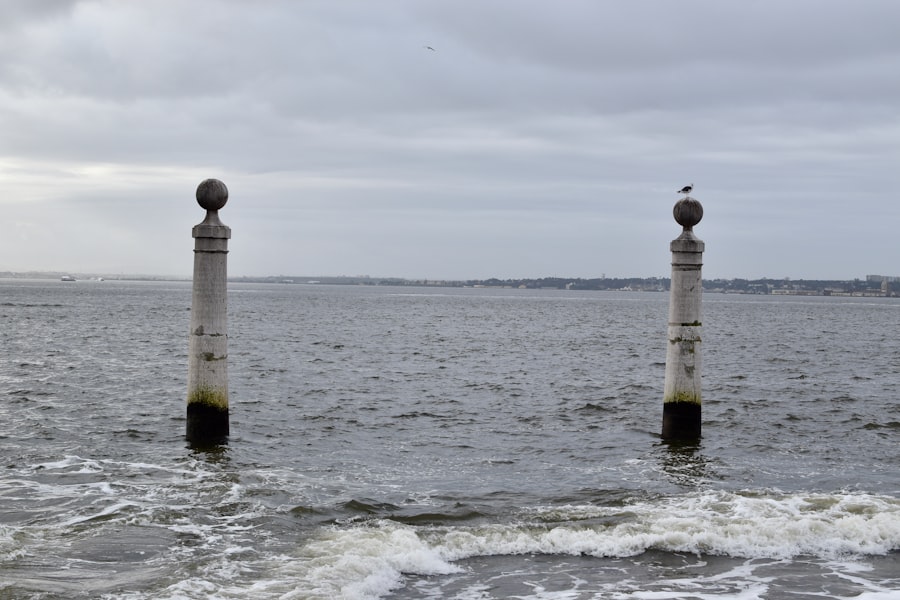
As rising sea levels threaten Tokyo’s coastline, enhancing coastal defenses becomes a critical component of the city’s adaptation strategy. Traditional methods such as seawalls and levees have been employed in various parts of the world; however, these solutions often come with limitations and can lead to unintended consequences such as increased erosion elsewhere. Therefore, Tokyo must explore innovative coastal defense strategies that combine engineering solutions with natural systems.
One approach involves creating hybrid defenses that integrate hard structures with soft solutions like beach nourishment and dune restoration.
Additionally, investing in early warning systems for tsunamis and storm surges can help mitigate risks by providing timely alerts to residents and authorities.
By enhancing coastal defenses through a combination of engineering ingenuity and ecological restoration, Tokyo can better safeguard its shores against the impacts of rising sea levels.
Community Engagement and Education
Community engagement plays a vital role in building resilience against rising sea levels in Tokyo. Involving residents in discussions about climate adaptation fosters a sense of ownership and responsibility toward local initiatives. Public forums, workshops, and educational campaigns can raise awareness about the risks associated with rising sea levels and encourage community members to participate in adaptation efforts.
Education is particularly important for empowering individuals to take proactive measures in their own lives. By providing information on flood preparedness, emergency response plans, and sustainable practices, residents can become active participants in their community’s resilience strategy. Engaging local stakeholders—such as businesses, schools, and non-profit organizations—can further amplify these efforts by creating a collaborative network dedicated to addressing climate challenges.
Incorporating Climate Change into Urban Planning
Incorporating climate change considerations into urban planning is essential for ensuring that Tokyo remains resilient in the face of rising sea levels. This requires a paradigm shift in how planners approach development projects; rather than viewing climate change as an external factor, it should be integrated into every aspect of urban design and policy-making. This includes conducting thorough risk assessments for new developments and ensuring that they meet stringent environmental standards.
Furthermore, long-term planning must account for projected changes in climate patterns over decades rather than years.
By embedding climate change considerations into urban planning processes, Tokyo can create a city that not only withstands current challenges but also anticipates future risks.
International Collaboration and Best Practices
Addressing the threat of rising sea levels requires collaboration beyond national borders; international partnerships can facilitate knowledge sharing and best practices among cities facing similar challenges. Tokyo has much to learn from other coastal cities around the world that have successfully implemented adaptation strategies. For instance, cities like Rotterdam have pioneered innovative approaches to water management that could serve as models for Tokyo’s own initiatives.
Engaging with global organizations focused on climate resilience can also provide valuable resources and funding opportunities for local projects. By participating in international forums and networks dedicated to climate adaptation, Tokyo can position itself as a leader in developing effective strategies while benefiting from collective expertise.
Funding and Financing Adaptation Measures
Securing funding for adaptation measures is crucial for ensuring that Tokyo can implement its resilience strategies effectively. Government budgets often face constraints; therefore, exploring diverse financing options becomes essential. Public-private partnerships can play a significant role in funding infrastructure projects aimed at mitigating the impacts of rising sea levels.
Additionally, seeking support from international financial institutions or climate funds can provide much-needed resources for large-scale initiatives. Innovative financing mechanisms such as green bonds or climate adaptation funds can also attract investment from private entities interested in supporting sustainable development projects. By diversifying funding sources, Tokyo can enhance its capacity to implement comprehensive adaptation measures.
Monitoring and Adapting to Changing Conditions
Finally, continuous monitoring and evaluation are vital components of any successful adaptation strategy. As climate conditions evolve over time, it is essential for Tokyo to remain agile in its response efforts. Establishing robust monitoring systems that track changes in sea levels, weather patterns, and community vulnerabilities will enable authorities to make informed decisions about necessary adjustments to existing plans.
Moreover, fostering a culture of adaptability within local governance structures ensures that policies remain relevant in the face of changing circumstances. Regularly revisiting adaptation strategies allows for lessons learned from past experiences to inform future actions. By committing to ongoing monitoring and adaptation efforts, Tokyo can build a resilient future capable of withstanding the challenges posed by rising sea levels.
In conclusion, addressing the threat of rising sea levels requires a comprehensive approach that encompasses infrastructure improvements, community engagement, innovative financing solutions, and international collaboration. As one of the world’s most dynamic cities, Tokyo has both the opportunity and responsibility to lead by example in developing effective strategies for climate resilience. Through proactive measures and a commitment to sustainability, Tokyo can safeguard its future against the impacts of climate change while continuing to thrive as a global metropolis.
As Tokyo faces the pressing challenge of sea level rise, various adaptation strategies are being explored to safeguard the city’s infrastructure and communities. A related article discusses innovative approaches and policies that Tokyo is implementing to address this issue effectively. For more insights, you can read the article [here](https://www.productivepatty.com/sample-page/).
FAQs
What is causing sea level rise in Tokyo?
Sea level rise in Tokyo is primarily caused by global climate change, which leads to the melting of polar ice caps and glaciers, as well as the thermal expansion of seawater as it warms. Local factors such as land subsidence due to groundwater extraction also contribute to relative sea level rise in the Tokyo area.
How much has sea level risen in Tokyo in recent years?
Sea levels around Tokyo have risen by approximately 10 to 20 centimeters over the past century, with the rate of increase accelerating in recent decades due to global warming and local subsidence.
What are the main risks of sea level rise to Tokyo?
The main risks include increased flooding, especially during typhoons and storm surges, damage to infrastructure, loss of land, saltwater intrusion into freshwater supplies, and threats to the safety and livelihoods of residents in low-lying coastal areas.
What adaptation measures is Tokyo implementing to address sea level rise?
Tokyo is investing in a range of adaptation measures such as constructing and reinforcing seawalls and flood barriers, improving drainage and pumping systems, developing early warning and evacuation plans, restoring natural coastal buffers like wetlands, and integrating climate resilience into urban planning.
How effective are Tokyo’s sea level rise adaptation strategies?
Tokyo’s adaptation strategies have been effective in reducing the immediate risks of flooding and storm surges. However, ongoing monitoring, maintenance, and upgrades are necessary to keep pace with accelerating sea level rise and increasing extreme weather events.
Can Tokyo’s adaptation efforts serve as a model for other coastal cities?
Yes, Tokyo’s comprehensive approach combining engineering solutions, urban planning, and community engagement provides valuable lessons for other coastal cities facing similar challenges from sea level rise.
What role does community awareness play in Tokyo’s adaptation to sea level rise?
Community awareness and preparedness are crucial components of Tokyo’s adaptation strategy. Public education campaigns, drills, and accessible information help residents understand risks and respond effectively during flooding events.
Is Tokyo considering relocation or managed retreat as part of its adaptation plan?
Currently, Tokyo focuses primarily on protective infrastructure and resilience-building rather than large-scale relocation. However, managed retreat may be considered in specific high-risk areas if adaptation measures become insufficient in the future.
How does climate change mitigation relate to Tokyo’s sea level rise adaptation?
While adaptation addresses the impacts of sea level rise, climate change mitigation efforts—such as reducing greenhouse gas emissions—are essential to limit the extent of future sea level rise and protect Tokyo and other vulnerable cities in the long term.