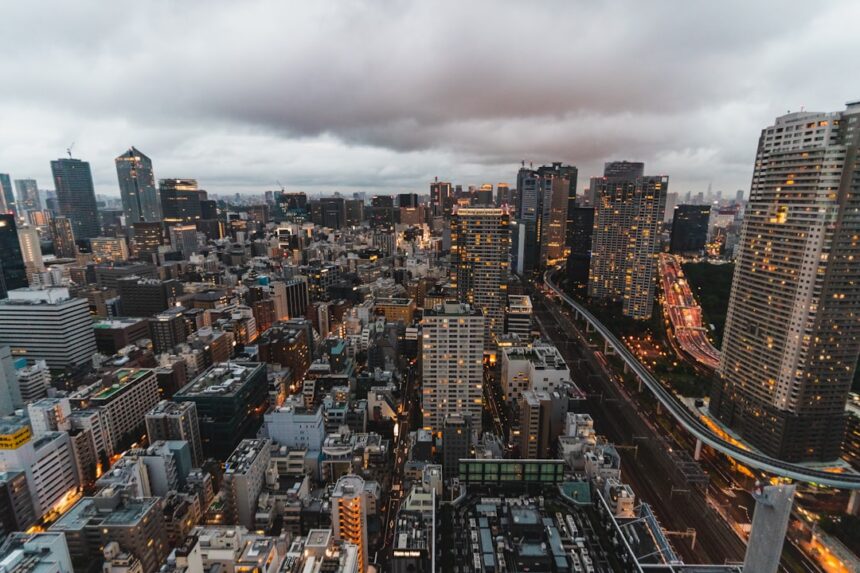
Tokyo, Japan’s capital and largest metropolitan area, confronts substantial housing affordability challenges due to its high population density and limited land availability. With over 14 million residents in the metropolitan area, housing demand consistently outpaces supply, resulting in elevated property prices that strain household budgets across income levels. This imbalance forces many residents to seek housing in peripheral areas with longer commutes or accept substandard living conditions.
Tokyo’s affordable housing sector includes several categories: public housing (danchi) managed by local governments, subsidized private rental units, and housing cooperatives. The Tokyo Metropolitan Government operates approximately 260,000 public housing units, while the national government provides additional support through the Japan Housing Finance Agency. Despite these programs, waiting lists for public housing remain extensive, and eligibility requirements exclude many middle-income households who still cannot afford market-rate housing.
Environmental risks, particularly flooding from typhoons and heavy rainfall, present ongoing challenges for Tokyo’s housing infrastructure. The city’s location in a river delta and its extensive low-lying areas make certain districts vulnerable to water damage. Climate change projections indicate increased frequency and intensity of extreme weather events, requiring enhanced flood mitigation measures in both existing and planned residential developments.
The Tokyo Metropolitan Government has implemented flood control systems and building standards to address these risks, though older housing stock remains particularly vulnerable.
Key Takeaways
- Tokyo faces increasing flood risks that threaten its affordable housing stock.
- Floods significantly impact the safety and availability of affordable housing in vulnerable areas.
- Government and community initiatives are crucial in enhancing flood resilience for affordable housing.
- Innovative technologies and design solutions are being implemented to create flood-resilient affordable homes.
- Balancing affordability with flood risk mitigation remains a key challenge for Tokyo’s housing future.
The Growing Flood Risk in Tokyo
Tokyo’s geographical location makes it particularly vulnerable to flooding. Situated at the confluence of several rivers and near Tokyo Bay, the city is prone to heavy rainfall and typhoons, which can lead to significant water accumulation and overflow. Climate change has exacerbated this risk, resulting in more intense storms and unpredictable weather patterns.
The increasing frequency of extreme weather events has raised alarms among city planners and residents alike, highlighting the urgent need for comprehensive flood management strategies. In recent years, the government has recognized the growing threat posed by flooding and has begun to implement measures aimed at mitigating its impact. However, despite these efforts, many areas within Tokyo remain at risk, particularly those that house low-income populations in vulnerable neighborhoods.
The intersection of affordable housing and flood risk presents a complex challenge that requires a multifaceted approach, combining urban planning, environmental science, and community engagement to create sustainable living conditions for all residents.
Impact of Floods on Affordable Housing in Tokyo
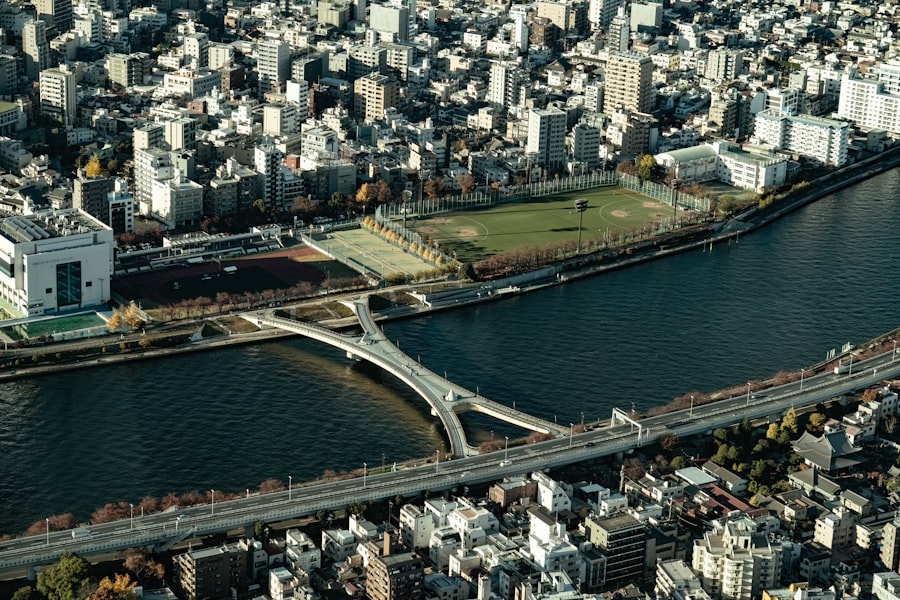
The impact of flooding on affordable housing in Tokyo is profound and multifaceted. When floods occur, they not only damage physical structures but also disrupt the lives of residents who depend on stable housing for their well-being. Many low-income families find themselves in precarious situations where they are forced to evacuate their homes or face significant property damage.
This can lead to a cycle of instability, as families struggle to recover from financial losses while searching for new housing options in an already competitive market. Moreover, the psychological toll of living in flood-prone areas cannot be overlooked. Residents often experience anxiety and stress related to the constant threat of flooding, which can affect their overall quality of life.
The fear of losing one’s home or belongings can lead to a sense of helplessness and despair, particularly among those who lack the financial resources to rebuild or relocate after a disaster. As such, addressing the impact of floods on affordable housing is not only a matter of physical infrastructure but also one of social equity and community resilience.
Government Initiatives to Address Flood Risk in Tokyo
In response to the increasing flood risk, the Tokyo Metropolitan Government has launched several initiatives aimed at enhancing flood resilience within the city. These initiatives include investments in infrastructure improvements such as drainage systems, flood barriers, and green spaces designed to absorb excess rainwater. By prioritizing these projects, the government aims to protect vulnerable neighborhoods while also ensuring that affordable housing remains a viable option for residents.
Additionally, public awareness campaigns have been implemented to educate residents about flood preparedness and response strategies. These campaigns emphasize the importance of community involvement in disaster planning and encourage residents to take proactive measures to safeguard their homes. By fostering a culture of preparedness, the government hopes to empower individuals and communities to better withstand the impacts of flooding and reduce their reliance on emergency services during crises.
Challenges in Providing Affordable Housing in Flood-Prone Areas
| Metric | Value | Notes |
|---|---|---|
| Percentage of Affordable Housing in Flood-Prone Areas | 18% | Based on Tokyo Metropolitan Government flood risk maps |
| Average Flood Depth in Affected Affordable Housing | 0.5 meters | During major typhoon events |
| Number of Affordable Housing Units at High Flood Risk | 12,000 units | Located in designated flood hazard zones |
| Flood Mitigation Measures Implemented | 75% | Percentage of affordable housing with flood barriers or elevated foundations |
| Average Time to Recovery Post-Flood | 3 months | Time taken for affordable housing residents to return to normal living conditions |
| Annual Flood-Related Displacement in Affordable Housing | 500 households | Temporary relocation due to flood events |
Despite government efforts to address flood risk, significant challenges remain in providing affordable housing in flood-prone areas of Tokyo. One major obstacle is the high cost of land in desirable locations, which often leads developers to prioritize profit over social responsibility. As a result, many affordable housing projects are situated in less desirable areas that are more susceptible to flooding.
This creates a paradox where low-income families are pushed into high-risk zones while wealthier residents occupy safer neighborhoods. Furthermore, regulatory hurdles can complicate the development of flood-resilient housing. Building codes may not adequately account for climate change-related risks, leading to structures that are ill-equipped to withstand severe weather events.
Additionally, securing funding for innovative housing projects can be challenging, as investors may be hesitant to finance developments in areas perceived as high-risk. These challenges necessitate a collaborative approach involving government agencies, private developers, and community organizations to create effective solutions that prioritize both affordability and safety.
Innovative Solutions for Flood-Resilient Affordable Housing
To address the dual challenges of affordability and flood resilience, innovative solutions are emerging within Tokyo’s housing landscape.
This includes features such as permeable pavements, rain gardens, and green roofs that can help manage stormwater runoff while providing additional green space for residents.
By incorporating these elements into new construction projects, developers can create homes that are not only more resilient to flooding but also enhance the overall quality of life for residents. Another innovative solution is the use of modular construction techniques that allow for rapid assembly and disassembly of housing units. This flexibility can be particularly beneficial in flood-prone areas where homes may need to be relocated or elevated in response to changing environmental conditions.
By utilizing modular designs, developers can create adaptable living spaces that meet the needs of low-income families while also addressing flood risk concerns.
Community Engagement in Addressing Flood Risk for Affordable Housing
Community engagement plays a crucial role in addressing flood risk within affordable housing initiatives in Tokyo. Involving residents in the planning process ensures that their voices are heard and their needs are prioritized. Local communities often possess valuable knowledge about their neighborhoods’ unique challenges and opportunities, making their input essential for developing effective flood resilience strategies.
Workshops and public forums can serve as platforms for dialogue between residents, government officials, and urban planners. These gatherings provide opportunities for community members to share their experiences with flooding and discuss potential solutions collaboratively. By fostering a sense of ownership over local initiatives, communities can become active participants in creating safer living environments while also advocating for policies that support affordable housing development.
Role of Technology in Mitigating Flood Risk for Affordable Housing
Technology is playing an increasingly important role in mitigating flood risk for affordable housing in Tokyo. Advanced modeling tools can help urban planners assess flood risks more accurately and develop targeted interventions based on real-time data. Geographic Information Systems (GIS) allow for detailed mapping of vulnerable areas, enabling decision-makers to prioritize investments in infrastructure improvements where they are needed most.
Additionally, smart technologies such as sensors and IoT devices can provide valuable insights into local weather patterns and water levels. By integrating these technologies into affordable housing developments, residents can receive timely alerts about potential flooding events and take necessary precautions to protect their homes. This proactive approach not only enhances individual safety but also contributes to broader community resilience efforts.
Case Studies of Successful Flood-Resilient Affordable Housing Projects in Tokyo
Several case studies highlight successful flood-resilient affordable housing projects within Tokyo that serve as models for future developments. One notable example is the “Koto City Housing Project,” which incorporates elevated structures designed to withstand flooding while providing affordable units for low-income families. The project features green spaces that absorb excess rainwater and promote biodiversity within the urban environment.
Another inspiring case is the “Tama River Housing Complex,” which utilizes modular construction techniques to create adaptable living spaces that can be easily modified based on changing environmental conditions. This project emphasizes community engagement by involving residents in decision-making processes related to design and sustainability features. Both examples demonstrate how innovative approaches can effectively address the challenges posed by flooding while ensuring that affordable housing remains accessible.
Future Outlook for Affordable Housing in Flood-Prone Areas of Tokyo
The future outlook for affordable housing in flood-prone areas of Tokyo hinges on continued collaboration among stakeholders committed to addressing both affordability and resilience challenges. As climate change continues to impact urban environments worldwide, cities like Tokyo must prioritize sustainable development practices that account for environmental risks while meeting the needs of diverse populations. Investments in research and development will be essential for identifying new technologies and strategies that enhance flood resilience within affordable housing projects.
Additionally, fostering partnerships between government agencies, private developers, non-profit organizations, and community groups will be crucial for creating comprehensive solutions that prioritize social equity alongside environmental sustainability.
Balancing Affordability and Flood Resilience in Tokyo’s Housing Market
In conclusion, balancing affordability and flood resilience within Tokyo’s housing market presents a complex yet critical challenge for policymakers and urban planners alike. As the city grapples with increasing flood risks exacerbated by climate change, it is imperative that innovative solutions are pursued to ensure that all residents have access to safe and stable housing options. By prioritizing community engagement, leveraging technology, and investing in sustainable infrastructure improvements, Tokyo can pave the way toward a more resilient future where affordable housing remains a reality for its diverse population.
Ultimately, achieving this balance will require ongoing commitment from all stakeholders involved—government officials must work hand-in-hand with communities and developers to create policies that support both affordability and safety. Through collaborative efforts focused on innovation and inclusivity, Tokyo can emerge as a model for other cities facing similar challenges around the globe.
In addressing the challenges of affordable housing in Tokyo, it is crucial to consider the implications of flood risk in urban planning.