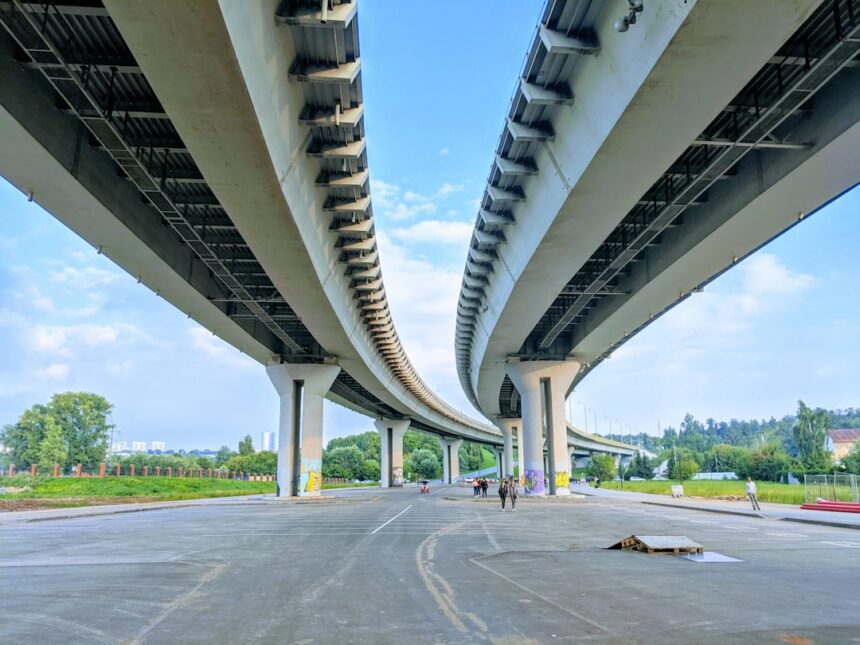
Infrastructure forms the foundational framework of community development, with particular importance in high-income areas. The condition and accessibility of infrastructure systems directly affect residents’ quality of life, local economic activity, and community health outcomes. In affluent neighborhoods, where residents typically demand higher service standards, infrastructure quality becomes a determining factor in community success.
Essential systems including transportation networks, utility services, and telecommunications infrastructure function as fundamental requirements rather than optional amenities, supporting daily operations and attracting residential and commercial investment. Infrastructure development in wealthy communities typically aligns with resident preferences and municipal priorities. These areas commonly allocate significant resources toward public amenities, recreational infrastructure, and cultural facilities that promote community interaction and civic participation.
Such infrastructure investments generate measurable impacts on property valuations while contributing to community identity and resident satisfaction. The role of infrastructure in affluent areas therefore extends beyond basic service provision to encompass broader community development objectives including social connectivity, economic growth, and environmental management.
Key Takeaways
- Infrastructure is crucial for maintaining quality of life and economic stability in affluent communities.
- Prioritizing infrastructure requires balancing community needs, sustainability, and equitable investment.
- Public-private partnerships can be effective in funding and developing infrastructure projects.
- Engaging stakeholders ensures that infrastructure priorities reflect community values and needs.
- Continuous monitoring and evaluation help measure the success and impact of infrastructure investments.
Identifying Key Infrastructure Needs in Affluent Communities
Identifying the key infrastructure needs in affluent communities requires a nuanced approach that considers both current demands and future growth.
For instance, high-speed internet access has become a fundamental requirement for many residents who work remotely or run businesses from home.
Additionally, the demand for green spaces, walking trails, and bike paths reflects a growing emphasis on health and wellness among affluent populations. Furthermore, affluent communities may also focus on enhancing their cultural and recreational infrastructure. This includes investing in art galleries, theaters, and community centers that provide residents with opportunities for enrichment and leisure.
Identifying these needs involves engaging with community members to understand their aspirations and preferences. Surveys, public forums, and stakeholder meetings can be effective tools for gathering insights that inform infrastructure planning and development.
Addressing the Challenges of Prioritizing Infrastructure in Affluent Communities
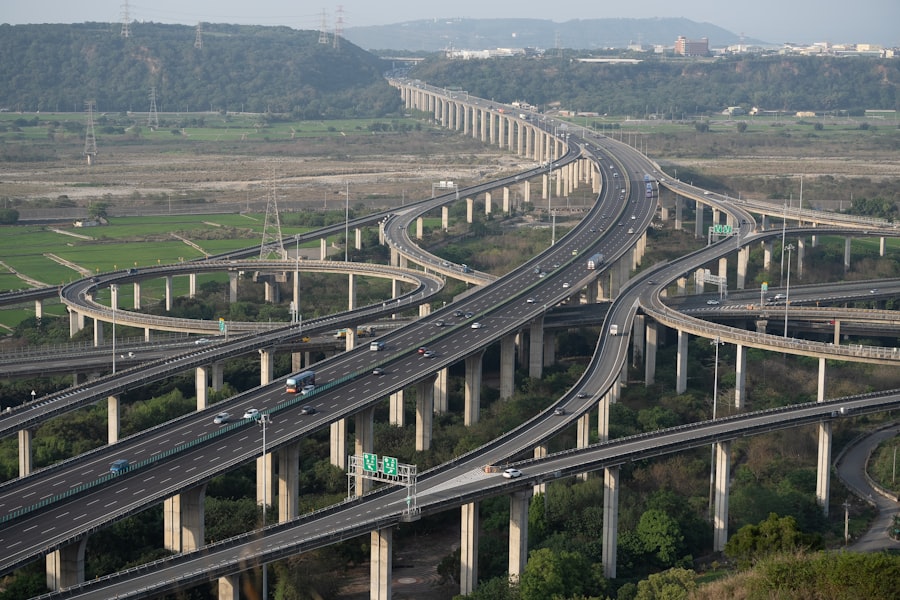
Despite the wealth often found in affluent communities, prioritizing infrastructure projects can present significant challenges. One major hurdle is the potential for conflicting interests among residents. While some may advocate for investments in public transportation or affordable housing, others may prioritize maintaining the exclusivity of their neighborhoods through limited development.
This divergence can lead to contentious debates about which projects should receive funding and attention.
Aging infrastructure can pose risks to safety and efficiency, yet there may be resistance to change from residents who value tradition and historical preservation.
Balancing these competing priorities requires thoughtful leadership and a commitment to transparent decision-making processes that involve all stakeholders.
Balancing the Prioritization of Infrastructure with Other Community Needs
In affluent communities, the challenge of balancing infrastructure needs with other community priorities is ever-present. While infrastructure development is crucial for maintaining a high quality of life, it must be integrated with considerations for education, healthcare, and social services. For instance, investments in transportation may need to be weighed against funding for local schools or healthcare facilities that serve vulnerable populations within the community.
Moreover, addressing environmental concerns is increasingly important in affluent areas where residents are often more aware of sustainability issues. Infrastructure projects must align with broader goals related to climate resilience and environmental stewardship. This holistic approach ensures that infrastructure investments do not occur in isolation but rather contribute to a comprehensive vision for community development that meets diverse needs.
Leveraging Public-Private Partnerships for Infrastructure Development
| Metric | Wealthy Neighborhoods | Average Neighborhoods | Impact on Infrastructure Prioritization |
|---|---|---|---|
| Per Capita Infrastructure Spending | 1200 | 600 | Higher spending leads to better maintenance and upgrades |
| Road Quality Index (0-100) | 85 | 65 | Better roads improve transportation and property values |
| Access to Public Transit (%) | 75 | 50 | Greater access supports mobility and reduces congestion |
| Green Space per Capita (sq meters) | 30 | 15 | More green space enhances quality of life and health |
| Infrastructure Project Approval Rate (%) | 90 | 60 | Higher approval rates speed up development |
| Average Response Time for Repairs (hours) | 12 | 24 | Faster response reduces downtime and inconvenience |
Public-private partnerships (PPPs) have emerged as a viable strategy for financing and implementing infrastructure projects in affluent communities. These collaborations between government entities and private sector organizations can provide access to additional resources, expertise, and innovative solutions. By pooling financial resources and sharing risks, PPPs can facilitate the development of high-quality infrastructure that meets the expectations of affluent residents.
For example, a PPP might involve a private developer working alongside local government to create a mixed-use development that includes residential units, retail spaces, and public amenities. Such projects not only enhance the community’s infrastructure but also stimulate economic growth by attracting new businesses and creating jobs. By leveraging the strengths of both sectors, affluent communities can achieve ambitious infrastructure goals while ensuring that investments align with resident priorities.
Ensuring Equitable Distribution of Infrastructure Investments in Affluent Communities
While affluent communities may have greater financial resources for infrastructure development, ensuring equitable distribution of these investments remains a critical concern. It is essential to recognize that not all residents benefit equally from infrastructure improvements; disparities can arise based on socioeconomic status, race, or geographic location within the community. Therefore, it is vital for planners and decision-makers to adopt an equity lens when prioritizing infrastructure projects.
One approach to promoting equity is to conduct thorough assessments of existing infrastructure conditions across different neighborhoods within the community. By identifying areas that have been historically underserved or neglected, planners can direct resources toward projects that address these disparities. Engaging with marginalized voices through community outreach initiatives can also help ensure that all residents have a say in shaping their environment.
Incorporating Sustainable and Resilient Infrastructure Solutions
In an era marked by climate change and environmental degradation, incorporating sustainable and resilient infrastructure solutions has become paramount for affluent communities. Residents increasingly demand infrastructure that not only meets their immediate needs but also contributes to long-term environmental health. This includes investing in green infrastructure such as permeable pavements, rain gardens, and urban forests that mitigate stormwater runoff and enhance biodiversity.
Additionally, resilient infrastructure is designed to withstand the impacts of climate change and natural disasters. For instance, elevating roads in flood-prone areas or retrofitting buildings to meet energy-efficient standards can significantly reduce vulnerability to extreme weather events. By prioritizing sustainability and resilience in infrastructure planning, affluent communities can safeguard their investments while promoting a healthier environment for current and future generations.
Engaging Community Stakeholders in the Prioritization Process
Engaging community stakeholders is essential for ensuring that infrastructure prioritization reflects the diverse needs and aspirations of residents in affluent communities. This process involves actively seeking input from various groups, including homeowners associations, local businesses, schools, and civic organizations. By fostering open dialogue and collaboration among stakeholders, planners can gain valuable insights into community priorities and preferences.
Public engagement initiatives such as workshops, town hall meetings, and online surveys can facilitate meaningful participation from residents. These platforms allow individuals to voice their opinions on proposed projects while also learning about the rationale behind certain decisions. By creating an inclusive environment where all voices are heard, affluent communities can build consensus around infrastructure priorities that resonate with their residents.
Securing Funding for Infrastructure Projects in Affluent Communities
Securing funding for infrastructure projects is a critical aspect of successful implementation in affluent communities. While these areas may have access to greater financial resources than less affluent regions, competition for funding can still be fierce. Local governments must explore various funding sources, including federal grants, state allocations, private investments, and philanthropic contributions.
Innovative financing mechanisms such as tax increment financing (TIF) or special assessment districts can also provide additional revenue streams for infrastructure projects. By leveraging these tools strategically, affluent communities can maximize their funding potential while minimizing the burden on taxpayers. Furthermore, establishing clear priorities and demonstrating the long-term benefits of proposed projects can enhance the likelihood of securing necessary funding.
Monitoring and Evaluating the Impact of Infrastructure Investments
Monitoring and evaluating the impact of infrastructure investments is crucial for ensuring accountability and transparency in affluent communities. By establishing clear metrics for success—such as improved traffic flow, increased property values, or enhanced public safety—local governments can assess whether projects are meeting their intended goals. Regular evaluations also provide opportunities for course correction if certain initiatives do not yield expected outcomes.
Moreover, engaging residents in this evaluation process fosters a sense of ownership over community investments. By sharing data on project impacts with stakeholders through reports or public presentations, local leaders can build trust and demonstrate their commitment to responsible governance. This ongoing dialogue helps ensure that future infrastructure decisions are informed by past experiences and lessons learned.
Case Studies of Successful Infrastructure Prioritization in Affluent Communities
Examining case studies of successful infrastructure prioritization in affluent communities offers valuable insights into best practices and innovative approaches. For instance, a notable example is found in a suburban community that implemented a comprehensive transportation plan aimed at reducing traffic congestion while enhancing accessibility for all residents. Through extensive stakeholder engagement and data-driven decision-making, the community successfully secured funding for multi-modal transportation options that included bike lanes, pedestrian pathways, and improved public transit services.
Another compelling case study involves an affluent neighborhood that prioritized green infrastructure solutions to address flooding concerns exacerbated by climate change. By collaborating with environmental organizations and local universities, the community developed a series of rain gardens and bioswales that not only mitigated stormwater runoff but also enhanced local biodiversity. This project not only improved resilience but also fostered community pride through increased green spaces.
In conclusion, prioritizing infrastructure in affluent communities requires a multifaceted approach that balances diverse needs while promoting sustainability and equity. By engaging stakeholders, leveraging partnerships, securing funding, and evaluating impacts effectively, these communities can create vibrant environments that enhance quality of life for all residents.
In the ongoing discussion about infrastructure prioritization in wealthy neighborhoods, it’s essential to consider the implications of resource allocation and community needs. A related article that delves into this topic can be found at