Tokyo, a bustling metropolis known for its vibrant culture and cutting-edge technology, is also home to a unique geographical feature known as Zero Meter Zones. These areas, which lie at or below sea level, present a fascinating juxtaposition of urban life and environmental challenges. As the city grapples with the realities of climate change and rising sea levels, the significance of these zones becomes increasingly pronounced.
The Zero Meter Zones are not merely geographical markers; they are a testament to Tokyo’s resilience and adaptability in the face of natural adversities. The concept of Zero Meter Zones invites exploration into the intricate relationship between urban development and environmental sustainability. As Tokyo continues to evolve, understanding these zones offers insights into the city’s past, present, and future.
This article delves into the significance, history, and unique characteristics of Tokyo’s Zero Meter Zones, shedding light on their cultural importance and the challenges they pose for urban planning.
Key Takeaways
- Zero Meter Zones in Tokyo mark the city’s official elevation baseline, crucial for urban planning and flood management.
- These zones have historical roots and have evolved alongside Tokyo’s development, reflecting the city’s growth and resilience.
- Unique features include precise elevation markers and integration with local landmarks, making them points of cultural and historical interest.
- Popular Zero Meter Zones offer attractions that blend Tokyo’s modernity with its rich heritage, appealing to both tourists and locals.
- Understanding and exploring these zones provides insight into Tokyo’s urban landscape, architecture, and future city planning initiatives.
What are Zero Meter Zones and their significance in Tokyo
Zero Meter Zones refer to areas within Tokyo that are situated at or below sea level. These zones are particularly concentrated in regions such as Chiyoda, Chuo, and Minato, where the proximity to Tokyo Bay has shaped both the landscape and the urban experience. The significance of these zones extends beyond their geographical positioning; they serve as critical indicators of the city’s vulnerability to flooding and other climate-related challenges.
As sea levels rise due to global warming, these areas face heightened risks, prompting discussions about urban resilience and disaster preparedness. The existence of Zero Meter Zones also highlights the historical context of Tokyo’s development. Many of these areas were once marshlands or tidal flats that were reclaimed for urban use during Japan’s rapid industrialization in the late 19th and early 20th centuries.
This reclamation transformed the landscape but also introduced new challenges related to water management and infrastructure. Understanding the significance of these zones is essential for grasping how Tokyo has navigated its complex relationship with nature while striving for modernization.
Exploring the history and development of Zero Meter Zones in Tokyo
The history of Zero Meter Zones in Tokyo is deeply intertwined with the city’s transformation from a small fishing village into a sprawling metropolis. The reclamation of land began in earnest during the Edo period (1603-1868), when efforts were made to expand usable land for agriculture and habitation. However, it was during the Meiji era (1868-1912) that large-scale land reclamation projects took shape, driven by industrialization and urbanization.
This period saw the creation of significant portions of what are now recognized as Zero Meter Zones. As Tokyo continued to grow throughout the 20th century, these reclaimed areas became vital to the city’s economic development. The construction of infrastructure such as roads, railways, and buildings in these zones facilitated commerce and connectivity.
However, this rapid development came at a cost; the very characteristics that made these areas desirable for urban expansion also rendered them susceptible to flooding. The Great Kanto Earthquake of 1923 further underscored the vulnerabilities of these zones, leading to increased awareness and subsequent efforts to improve disaster preparedness.
The unique features and characteristics of Zero Meter Zones
Zero Meter Zones possess distinct features that set them apart from other urban areas in Tokyo. One notable characteristic is their topography; many of these zones are flat and low-lying, making them prone to water accumulation during heavy rainfall or storm surges. This geographical reality necessitates advanced drainage systems and flood control measures to mitigate potential disasters.
The engineering solutions employed in these areas reflect a blend of traditional Japanese practices and modern technology. Another unique aspect of Zero Meter Zones is their cultural diversity. These areas often serve as melting pots where various communities converge, resulting in a rich tapestry of cultural influences.
From traditional markets to contemporary art installations, the vibrancy of life in these zones is palpable. Additionally, many Zero Meter Zones are home to historical landmarks that tell stories of Tokyo’s past, providing visitors with a glimpse into the city’s heritage while navigating its modern landscape.
Popular Zero Meter Zones in Tokyo and their attractions
| Zone Name | Location | Area Size (sq km) | Emission Reduction Target (%) | Implementation Year | Key Restrictions |
|---|---|---|---|---|---|
| Chiyoda Zero Meter Zone | Chiyoda Ward | 2.5 | 50 | 2020 | No gasoline vehicles, electric vehicles only |
| Shinjuku Zero Meter Zone | Shinjuku Ward | 3.1 | 45 | 2021 | Restricted diesel vehicles, promotion of EVs |
| Minato Zero Meter Zone | Minato Ward | 2.8 | 55 | 2022 | Zero emissions delivery vehicles only |
| Shibuya Zero Meter Zone | Shibuya Ward | 3.0 | 50 | 2023 | Pedestrian priority, no fossil fuel vehicles |
Among the most popular Zero Meter Zones in Tokyo is Tsukiji Outer Market, renowned for its fresh seafood and culinary delights. Although the inner wholesale market has relocated to Toyosu, the outer market remains a bustling hub where visitors can sample local delicacies and experience the vibrant atmosphere. The market’s proximity to Tokyo Bay adds to its charm, making it an ideal destination for food enthusiasts.
Another notable area is Odaiba, an artificial island that showcases modern architecture and entertainment options. Odaiba’s waterfront parks offer stunning views of Tokyo Bay and the Rainbow Bridge, while attractions like teamLab Borderless provide immersive art experiences that draw visitors from around the world. The blend of leisure and culture in Odaiba exemplifies how Zero Meter Zones can be transformed into thriving urban spaces despite their geographical challenges.
The cultural and historical significance of Zero Meter Zones in Tokyo
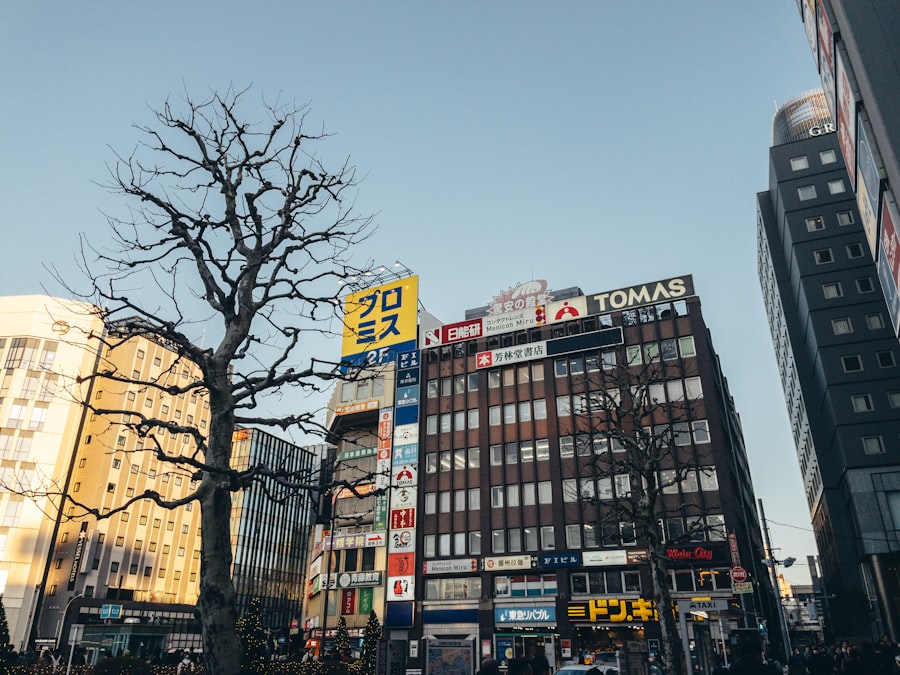
The cultural significance of Zero Meter Zones extends beyond their physical attributes; they embody the resilience and adaptability of Tokyo’s inhabitants throughout history. These areas have witnessed significant events that have shaped Japan’s identity, from natural disasters to economic booms. The stories embedded within these zones reflect the spirit of innovation that characterizes Tokyo as a whole.
Moreover, Zero Meter Zones serve as reminders of the delicate balance between urban development and environmental stewardship. As climate change poses increasing threats to coastal cities worldwide, Tokyo’s experience with its Zero Meter Zones offers valuable lessons in sustainability and disaster preparedness. The ongoing efforts to enhance infrastructure and promote community engagement in these areas underscore their importance not only as historical sites but also as models for future urban planning.
How to navigate and explore Zero Meter Zones in Tokyo
Exploring Tokyo’s Zero Meter Zones can be an enriching experience for both locals and tourists alike. Navigating these areas is made easy by the city’s efficient public transportation system, which includes trains, subways, and buses that connect various neighborhoods seamlessly. Visitors can start their journey at major transit hubs like Shinjuku or Tokyo Station before venturing into specific Zero Meter Zones.
Guided tours often highlight historical landmarks, local cuisine, and cultural experiences that define each area. Additionally, many neighborhoods within Zero Meter Zones feature well-marked paths and signage that provide insights into their history and significance.
For those who prefer a more leisurely pace, renting a bicycle can offer an alternative means of exploration while allowing for spontaneous stops at local shops or parks.
The impact of Zero Meter Zones on Tokyo’s urban landscape and architecture
The presence of Zero Meter Zones has significantly influenced Tokyo’s urban landscape and architectural design. In response to the challenges posed by flooding and water management, architects and urban planners have developed innovative solutions that prioritize resilience while maintaining aesthetic appeal. Elevated structures, flood-resistant materials, and green spaces designed for water absorption are just a few examples of how design has evolved in these areas.
Moreover, the integration of nature into urban planning has become increasingly important in Zero Meter Zones. Parks and waterfront promenades not only enhance the quality of life for residents but also serve as crucial buffers against flooding. These green spaces provide recreational opportunities while contributing to biodiversity within the city.
As Tokyo continues to adapt to its environmental realities, the influence of Zero Meter Zones on urban design will likely remain a focal point for future developments.
The future of Zero Meter Zones in Tokyo and potential developments
Looking ahead, the future of Zero Meter Zones in Tokyo is poised for transformation as climate change continues to reshape urban landscapes worldwide. With rising sea levels posing an imminent threat, city planners are increasingly focused on developing adaptive strategies that prioritize sustainability and resilience. Initiatives such as improved drainage systems, flood barriers, and community engagement programs are already underway to safeguard these vulnerable areas.
Additionally, there is potential for further innovation in architectural design within Zero Meter Zones. As technology advances, new materials and construction techniques may emerge that enhance flood resistance while promoting energy efficiency.
Insider tips and recommendations for visiting Zero Meter Zones in Tokyo
For those planning to explore Tokyo’s Zero Meter Zones, several insider tips can enhance the experience. First and foremost, timing is key; visiting during weekdays may offer a more authentic experience as locals go about their daily routines without the weekend crowds. Early mornings are particularly magical in places like Tsukiji Outer Market when vendors are setting up their stalls amidst the fresh catch of the day.
Additionally, engaging with local residents can provide valuable insights into the culture and history of these areas. Many neighborhoods host festivals or events throughout the year that showcase traditional customs and culinary delights. Participating in such activities allows visitors to connect with the community on a deeper level while gaining a greater appreciation for the significance of Zero Meter Zones.
The lasting impact and appeal of Tokyo’s Zero Meter Zones
Tokyo’s Zero Meter Zones stand as a testament to the city’s resilience in navigating its complex relationship with nature while embracing modernization. These areas encapsulate rich histories, vibrant cultures, and innovative urban planning strategies that continue to evolve in response to environmental challenges. As visitors explore these unique zones, they not only witness the beauty of Tokyo but also gain insights into its ongoing journey toward sustainability.
The appeal of Zero Meter Zones lies not only in their geographical uniqueness but also in their ability to foster community connections and cultural exchange. As Tokyo looks toward the future, these zones will undoubtedly play a crucial role in shaping urban landscapes while serving as reminders of the delicate balance between progress and preservation. Ultimately, they represent a microcosm of Tokyo itself—dynamic, resilient, and ever-evolving amidst change.
In recent discussions about urban planning and environmental sustainability, the concept of zero meter zones in Tokyo has gained significant attention. These areas are designed to mitigate flooding and enhance urban resilience. For a deeper understanding of related urban initiatives, you can read more in this article on productivepatty.com.
FAQs
What are Zero Meter Zones in Tokyo?
Zero Meter Zones in Tokyo are designated areas at or near sea level that are particularly vulnerable to flooding, especially during typhoons, heavy rains, or storm surges. These zones are monitored closely for flood risk management.
Why are Zero Meter Zones important in Tokyo?
These zones are critical because Tokyo is a low-lying coastal city with many areas at or below sea level. Identifying and managing Zero Meter Zones helps the city prepare for and mitigate the impact of flooding and potential water-related disasters.
Where are some of the main Zero Meter Zones located in Tokyo?
Zero Meter Zones are primarily found in Tokyo’s waterfront districts, including parts of the Tokyo Bay area, such as Odaiba, Koto, and Edogawa wards, where land elevation is at or near sea level.
What measures does Tokyo take to protect Zero Meter Zones?
Tokyo employs various flood prevention measures, including seawalls, levees, floodgates, and advanced drainage systems. The city also uses real-time monitoring and early warning systems to manage flood risks in these zones.
Can residents in Zero Meter Zones receive assistance during floods?
Yes, residents in Zero Meter Zones are often prioritized for evacuation and emergency services during flood events. The Tokyo Metropolitan Government provides information, evacuation plans, and support to ensure public safety.
How can individuals prepare if they live in a Zero Meter Zone?
Residents should stay informed about weather alerts, have an emergency kit ready, know evacuation routes, and follow guidance from local authorities during flood warnings to ensure their safety.
Are Zero Meter Zones unique to Tokyo?
No, Zero Meter Zones exist in many coastal cities worldwide that have areas at or below sea level. However, Tokyo’s extensive urban development and proximity to Tokyo Bay make its Zero Meter Zones particularly significant for disaster preparedness.
Is climate change affecting Zero Meter Zones in Tokyo?
Yes, rising sea levels and increased frequency of extreme weather events due to climate change are heightening the risk of flooding in Zero Meter Zones, prompting Tokyo to enhance its flood defense and adaptation strategies.