Community-led adaptation refers to the process through which local communities take the initiative to develop strategies and actions that address the impacts of climate change and other environmental challenges. This approach emphasizes the importance of local knowledge, cultural practices, and community engagement in crafting solutions that are tailored to specific contexts. By prioritizing the voices and experiences of those most affected by environmental changes, community-led adaptation fosters resilience and empowers individuals to take charge of their futures.
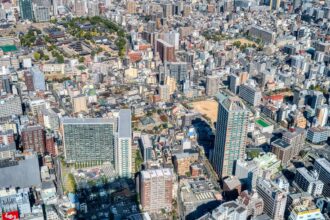
It recognizes that communities are not merely passive recipients of external aid but active participants in shaping their destinies. In Tokyo, a city facing unique environmental challenges such as urban heat islands, flooding, and rising sea levels, community-led adaptation has become increasingly relevant. The densely populated metropolis is home to diverse neighborhoods, each with its own distinct characteristics and vulnerabilities.
Understanding the nuances of these communities is essential for developing effective adaptation strategies. By harnessing local knowledge and fostering collaboration among residents, Tokyo can create a more sustainable urban environment that not only mitigates the impacts of climate change but also enhances the quality of life for its inhabitants.
Key Takeaways
- Community-led adaptation empowers Tokyo’s residents to actively participate in climate resilience efforts.
- Building strong community engagement is key to enhancing Tokyo’s ability to withstand environmental challenges.
- Successful projects demonstrate the effectiveness of local initiatives supported by government and nonprofits.
- Addressing equity and inclusion ensures all Tokyo communities benefit from adaptation strategies.
- Individual involvement and innovative approaches are crucial for the future success of community-led adaptation.
The Importance of Empowering Tokyo’s Communities
Empowering communities in Tokyo is crucial for fostering resilience against climate change and other environmental threats. When individuals feel a sense of ownership over their surroundings, they are more likely to engage in proactive measures that contribute to the well-being of their neighborhoods. Empowerment can take many forms, from providing access to resources and information to facilitating opportunities for community members to voice their concerns and ideas.
By creating an environment where residents feel valued and heard, Tokyo can cultivate a culture of collaboration and innovation. Moreover, empowered communities are better equipped to respond to crises. In times of disaster, such as typhoons or heavy rainfall, neighborhoods with strong social networks and active participation are often more resilient.
They can mobilize quickly, share resources, and support one another in recovery efforts. By investing in community empowerment initiatives, Tokyo not only enhances its capacity to adapt to climate change but also strengthens social cohesion and fosters a sense of belonging among its residents.
Building Resilience through Community Engagement

Community engagement is a cornerstone of building resilience in urban environments like Tokyo. Engaging residents in the decision-making process ensures that adaptation strategies are relevant and effective. This involvement can take various forms, including workshops, public forums, and collaborative projects that encourage dialogue between community members and local authorities.
By actively involving residents in discussions about their needs and priorities, Tokyo can develop tailored solutions that reflect the unique characteristics of each neighborhood. Furthermore, community engagement fosters a sense of collective responsibility. When individuals come together to address shared challenges, they build social capital that can be leveraged during times of crisis.
This collective action not only enhances resilience but also promotes a culture of sustainability. As residents work together to implement adaptation measures—such as creating green spaces, improving drainage systems, or organizing educational campaigns—they cultivate a deeper connection to their environment and a commitment to protecting it for future generations.
Examples of Successful Community-Led Adaptation Projects in Tokyo
Tokyo has witnessed several successful community-led adaptation projects that exemplify the power of local initiative in addressing environmental challenges. One notable example is the “Tokyo Green Space Network,” which encourages residents to transform underutilized urban areas into green spaces. Through this initiative, community members have collaborated to create parks, gardens, and green roofs that not only enhance biodiversity but also mitigate the urban heat island effect.
These projects have fostered a sense of ownership among residents while providing essential ecosystem services. Another inspiring example is the “Disaster Preparedness Community Workshops,” where local organizations partner with residents to develop emergency response plans tailored to specific neighborhoods. These workshops empower participants to identify potential hazards, assess vulnerabilities, and create actionable plans for disaster response.
The Role of Local Government in Supporting Community-Led Adaptation
| Metric | Value | Description |
|---|---|---|
| Number of Community Projects | 15 | Active community-led adaptation initiatives in Tokyo |
| Average Community Participation | 120 | Average number of residents involved per project |
| Types of Adaptation Measures | Flood management, Urban greening, Heatwave preparedness | Common strategies implemented by communities |
| Funding Sources | Local government, NGOs, Community fundraising | Primary sources supporting adaptation projects |
| Reduction in Flood Risk | 30% | Estimated decrease in flood risk due to community efforts |
| Increase in Green Spaces | 12 hectares | Additional urban green areas created through adaptation projects |
| Community Training Sessions | 25 | Number of educational workshops held for residents |
Local government plays a pivotal role in supporting community-led adaptation efforts in Tokyo. By providing resources, funding, and technical assistance, authorities can empower communities to implement their adaptation strategies effectively. Collaboration between government agencies and local organizations is essential for creating an enabling environment where community initiatives can thrive.
This partnership can take various forms, including co-developing policies, sharing data on climate risks, and facilitating access to funding opportunities. Moreover, local government can serve as a bridge between communities and external stakeholders, such as researchers and nonprofit organizations. By fostering collaboration among diverse actors, authorities can leverage expertise and resources that enhance the effectiveness of community-led adaptation projects.
This multi-stakeholder approach not only strengthens local initiatives but also ensures that adaptation strategies are aligned with broader city-wide goals for sustainability and resilience.
Collaborating with Nonprofit Organizations for Effective Adaptation

Nonprofit organizations play a crucial role in facilitating community-led adaptation efforts in Tokyo. These organizations often possess specialized knowledge and expertise in areas such as environmental sustainability, disaster preparedness, and community development. By partnering with local nonprofits, communities can access valuable resources, training programs, and technical assistance that enhance their capacity to implement effective adaptation strategies.
Collaboration with nonprofits also fosters innovation by bringing together diverse perspectives and experiences. Nonprofit organizations often work at the grassroots level, allowing them to understand the unique challenges faced by different communities. This insight enables them to tailor their support to meet specific needs while promoting inclusive practices that engage marginalized groups.
Through these partnerships, Tokyo can harness the collective strengths of communities and nonprofits to develop innovative solutions that address climate change impacts.
Encouraging Innovation and Creativity in Community-Led Adaptation
Innovation is essential for effective community-led adaptation in Tokyo’s rapidly changing urban landscape. Encouraging creativity among residents can lead to novel solutions that address environmental challenges while enhancing quality of life. Local governments and organizations can foster innovation by providing platforms for idea-sharing, such as hackathons or design competitions focused on sustainability and resilience.
Additionally, promoting interdisciplinary collaboration can spark new ideas and approaches to adaptation. By bringing together experts from various fields—such as urban planning, environmental science, art, and social work—communities can explore creative solutions that integrate multiple perspectives.
Addressing Equity and Inclusion in Tokyo’s Adaptation Efforts
Equity and inclusion are critical considerations in community-led adaptation efforts in Tokyo. Vulnerable populations—such as low-income families, elderly residents, and marginalized communities—often bear the brunt of climate change impacts yet have limited resources to adapt. Ensuring that these groups are actively involved in decision-making processes is essential for creating equitable adaptation strategies that address their specific needs.
To promote equity, it is vital for local governments and organizations to prioritize outreach efforts that engage underrepresented communities. This may involve conducting targeted workshops or providing translation services to ensure that all voices are heard. By fostering an inclusive environment where diverse perspectives are valued, Tokyo can develop adaptation strategies that benefit all residents while reducing disparities in vulnerability.
Overcoming Challenges in Community-Led Adaptation
Despite its many benefits, community-led adaptation faces several challenges in Tokyo. One significant obstacle is the lack of funding for grassroots initiatives. Many communities struggle to secure financial resources necessary for implementing their adaptation projects.
To overcome this challenge, local governments must prioritize funding for community-led initiatives while exploring innovative financing mechanisms such as public-private partnerships or crowdfunding campaigns. Another challenge lies in building trust among community members and between residents and local authorities. Historical tensions or past experiences may hinder collaboration efforts.
To address this issue, it is essential for stakeholders to engage in transparent communication and foster relationships based on mutual respect and understanding. By creating spaces for dialogue and collaboration, Tokyo can build trust that facilitates effective community-led adaptation efforts.
The Future of Community-Led Adaptation in Tokyo
The future of community-led adaptation in Tokyo holds great promise as awareness of climate change impacts continues to grow. As more residents recognize the importance of taking action at the local level, there is potential for increased engagement and collaboration among communities. The ongoing development of technology also presents opportunities for innovative solutions that enhance resilience while promoting sustainability.
Moreover, as global conversations around climate change evolve, Tokyo has the chance to position itself as a leader in community-led adaptation efforts. By showcasing successful projects and sharing best practices with other cities worldwide, Tokyo can inspire others to adopt similar approaches that prioritize local knowledge and engagement.
How Individuals Can Get Involved in Community-Led Adaptation
Individuals play a vital role in advancing community-led adaptation efforts in Tokyo. There are numerous ways for residents to get involved, from participating in local workshops or forums to volunteering with nonprofit organizations focused on sustainability initiatives. Engaging with neighbors through community events or joining local advocacy groups can also amplify individual voices while fostering collective action.
Additionally, individuals can contribute by sharing their knowledge and skills with others in their communities. Whether through organizing educational sessions on disaster preparedness or leading initiatives aimed at enhancing green spaces, every contribution counts toward building resilience against climate change impacts. By taking an active role in community-led adaptation efforts, individuals not only empower themselves but also strengthen their neighborhoods for future generations.
Community-led adaptation in Tokyo is a vital approach to addressing the challenges posed by climate change, as it empowers local residents to take charge of their environment and implement sustainable practices. For further insights into this topic, you can explore a related article that discusses various community initiatives and their impact on urban resilience. Check it out here: Community Initiatives in Tokyo.
FAQs
What is community-led adaptation?
Community-led adaptation refers to strategies and actions developed and implemented by local communities to address the impacts of climate change. It emphasizes local knowledge, participation, and empowerment to build resilience against environmental challenges.
Why is community-led adaptation important in Tokyo?
Tokyo faces various climate-related risks such as heatwaves, flooding, and typhoons. Community-led adaptation is important because it enables residents to tailor solutions to their specific needs, enhances social cohesion, and improves the effectiveness of climate resilience measures in urban settings.
What are some examples of community-led adaptation initiatives in Tokyo?
Examples include neighborhood disaster preparedness programs, urban greening projects to reduce heat islands, community rainwater harvesting systems, and local awareness campaigns on climate risks and sustainable practices.
How do local communities in Tokyo participate in adaptation planning?
Local communities participate through workshops, public consultations, collaboration with municipal authorities, and involvement in decision-making processes related to urban planning and disaster risk reduction.
What role do local governments play in supporting community-led adaptation in Tokyo?
Local governments provide technical support, funding, policy frameworks, and platforms for community engagement. They also integrate community-led initiatives into broader city-wide climate adaptation and disaster management plans.
How does community-led adaptation contribute to Tokyo’s overall climate resilience?
By leveraging local knowledge and fostering active participation, community-led adaptation enhances the responsiveness and sustainability of adaptation measures, reduces vulnerability, and strengthens social networks that are crucial during climate-related emergencies.
Are there any challenges to implementing community-led adaptation in Tokyo?
Challenges include coordinating diverse stakeholders, ensuring equitable participation, securing adequate funding, and integrating community initiatives with formal urban planning and infrastructure development.
Can community-led adaptation in Tokyo serve as a model for other cities?
Yes, Tokyo’s experience demonstrates how urban communities can effectively engage in climate adaptation, offering valuable lessons on collaboration, innovation, and resilience that can be adapted to other metropolitan areas worldwide.