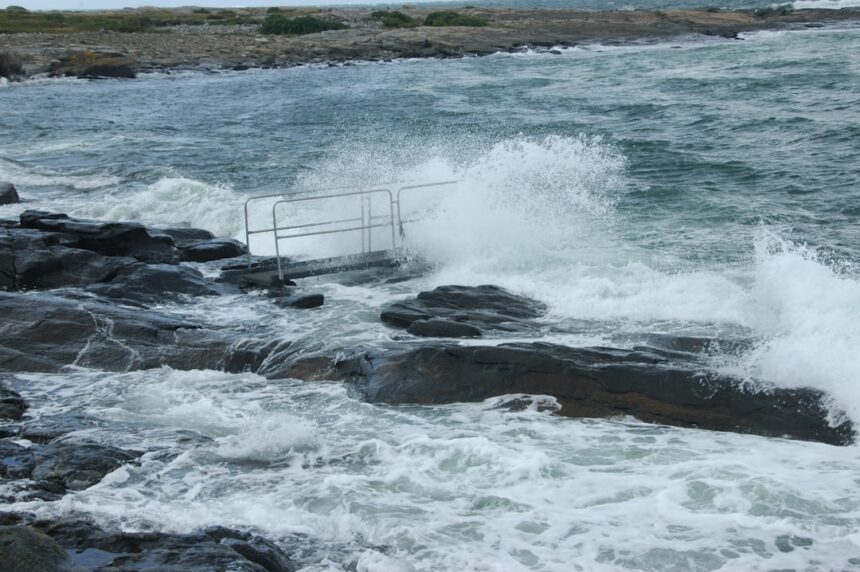
Tokyo is located on the Pacific coast of Japan and ranks among the world’s most populous urban areas. This coastal position facilitates international trade and commerce but exposes the city to natural disasters including typhoons and tsunamis. Coastal defense systems are essential for protecting Tokyo’s population and infrastructure from these maritime threats.
The city has developed extensive coastal defense infrastructure to protect millions of residents and substantial economic assets located in low-elevation zones. These defense systems address both current risks and projected future challenges related to climate change and sea level rise. Scientific projections indicate that rising global temperatures will likely increase the frequency and severity of extreme weather events, necessitating enhanced protective measures.
Tokyo’s coastal defense strategy integrates urban planning, environmental considerations, and disaster risk reduction. The city’s approach emphasizes building resilience against natural hazards through comprehensive protective infrastructure and planning policies designed to minimize vulnerability to coastal flooding and storm surge events.
Key Takeaways
- Tokyo’s storm surge barriers are crucial for protecting the city from devastating coastal flooding caused by storm surges.
- The design and construction of these barriers incorporate advanced engineering to withstand severe natural disasters.
- Real-life events have tested the effectiveness of Tokyo’s coastal defense system, proving its reliability.
- Environmental considerations are integral to the operation and future upgrades of the storm surge barriers.
- Public education and awareness campaigns play a key role in enhancing community preparedness and support for coastal defense measures.
Understanding Storm Surges and Their Impact on Coastal Cities
Storm surges are one of the most destructive phenomena associated with tropical cyclones and severe weather events. They occur when strong winds push seawater onto land, resulting in a rapid rise in sea levels that can inundate coastal areas. The impact of storm surges on coastal cities like Tokyo can be catastrophic, leading to widespread flooding, infrastructure damage, and loss of life.
The science behind storm surges involves a complex interplay of meteorological factors, including wind speed, atmospheric pressure, and the shape of the coastline. In Tokyo, where much of the urban landscape is situated just above sea level, even a modest storm surge can result in significant flooding.
Historical data reveals that past storm surges have caused extensive damage to homes, businesses, and critical infrastructure, underscoring the urgent need for comprehensive coastal defense systems. As climate change continues to exacerbate weather patterns, cities like Tokyo must remain vigilant and proactive in their efforts to mitigate the risks associated with storm surges.
The History of Storm Surge Barriers in Tokyo
The history of storm surge barriers in Tokyo is a testament to the city’s resilience and foresight in addressing natural disasters. The development of these barriers began in earnest after a series of devastating typhoons struck the region in the mid-20th century, prompting authorities to recognize the need for enhanced coastal protection. The first significant storm surge barrier was constructed in the 1970s, marking a pivotal moment in Tokyo’s approach to disaster management.
This initial barrier laid the groundwork for a more comprehensive system that would evolve over the following decades. As technology advanced and understanding of storm surges improved, Tokyo’s coastal defense infrastructure underwent significant upgrades. The construction of additional barriers and levees was driven by lessons learned from past disasters, as well as ongoing research into climate change impacts.
By the early 21st century, Tokyo had established an extensive network of storm surge barriers designed to protect critical areas from flooding. This historical evolution reflects not only the city’s commitment to safeguarding its residents but also its adaptability in the face of changing environmental conditions.
The Current State of Tokyo’s Coastal Defense System
Today, Tokyo boasts one of the most sophisticated coastal defense systems in the world, characterized by an intricate network of storm surge barriers, levees, and floodgates. These structures are strategically positioned along vulnerable coastlines and riverbanks to provide maximum protection against potential inundation. The current state of Tokyo’s coastal defense system is a result of decades of planning, investment, and innovation aimed at creating a resilient urban environment capable of withstanding natural disasters.
The effectiveness of Tokyo’s coastal defense system is continually assessed through rigorous testing and monitoring. Authorities employ advanced technologies such as satellite imagery and computer modeling to predict storm surge behavior and evaluate the performance of existing barriers. This proactive approach ensures that any weaknesses in the system can be identified and addressed promptly.
Furthermore, ongoing maintenance and upgrades are essential components of Tokyo’s strategy to adapt to evolving climate conditions and ensure that its coastal defenses remain robust for future generations.
The Role of Storm Surge Barriers in Protecting Tokyo from Natural Disasters
| Metric | Value | Unit | Description |
|---|---|---|---|
| Number of Barriers | 6 | units | Total storm surge barriers protecting Tokyo Bay |
| Length of Main Barrier | 2.4 | km | Length of the main Tokyo Bay storm surge barrier |
| Barrier Height | 8.5 | m | Maximum height of the storm surge barriers |
| Construction Completion | 2018 | year | Year when the main barrier was completed |
| Protection Level | Up to 5.5 | m above sea level | Maximum storm surge height the barriers are designed to withstand |
| Gate Type | Vertical Lift Gates | – | Type of gates used in the barriers |
| Operational Time to Close | 30 | minutes | Time required to close the gates during a storm surge event |
| Area Protected | 1,500 | km² | Land area protected by the storm surge barriers |
Storm surge barriers play a pivotal role in protecting Tokyo from the devastating impacts of natural disasters. These structures act as formidable shields against rising waters during severe weather events, preventing flooding from encroaching on populated areas and critical infrastructure. By effectively managing storm surges, these barriers not only safeguard lives but also preserve economic stability by minimizing damage to businesses and transportation networks.
In addition to their immediate protective functions, storm surge barriers contribute to long-term urban planning efforts by allowing for safer development along the coast. With reliable coastal defenses in place, city planners can confidently invest in infrastructure projects that enhance quality of life for residents while mitigating risks associated with flooding. This dual role as both a protective measure and an enabler of sustainable urban growth underscores the importance of storm surge barriers in Tokyo’s overall disaster management strategy.
Design and Construction of Tokyo’s Storm Surge Barriers
The design and construction of Tokyo’s storm surge barriers reflect a blend of engineering ingenuity and environmental consideration. These structures are meticulously engineered to withstand extreme weather conditions while minimizing their ecological footprint. The design process involves extensive research into local hydrology, geology, and climate patterns to ensure that each barrier is tailored to its specific location and purpose.
Construction techniques have evolved significantly over the years, incorporating advanced materials and technologies that enhance durability and effectiveness. For instance, many barriers are constructed using reinforced concrete designed to withstand both hydraulic pressure from storm surges and seismic activity from earthquakes—a critical consideration given Japan’s geological context. Additionally, environmental assessments are conducted to evaluate potential impacts on local ecosystems, ensuring that construction practices align with sustainability goals.
How Tokyo’s Storm Surge Barriers Have Been Tested in Real-Life Situations
Tokyo’s storm surge barriers have been put to the test during several real-life situations, demonstrating their effectiveness in protecting the city from flooding. Notable instances include responses to typhoons that have threatened the region over the years. During these events, authorities closely monitor weather patterns and deploy resources strategically to ensure that barriers are operational when needed most.
One significant test occurred during Typhoon Hagibis in 2019 when heavy rainfall and strong winds posed a serious threat to low-lying areas in Tokyo. The city’s storm surge barriers were activated, successfully preventing widespread flooding despite record-breaking rainfall levels. This event served as a crucial validation of Tokyo’s investment in coastal defense infrastructure and highlighted the importance of preparedness in mitigating disaster impacts.
The Environmental Impact of Storm Surge Barriers in Tokyo
While storm surge barriers are essential for protecting urban areas from flooding, they also raise important questions about their environmental impact. The construction and presence of these structures can alter local ecosystems, affecting marine life and sediment transport along coastlines. In response to these concerns, Tokyo has implemented measures aimed at minimizing ecological disruption while maximizing protective benefits.
Environmental impact assessments are conducted prior to construction projects to evaluate potential effects on local habitats. Additionally, efforts are made to incorporate green spaces and natural features into barrier designs where feasible. For example, some barriers include vegetation or wetlands that can help absorb excess water while providing habitats for wildlife.
By balancing protective measures with environmental stewardship, Tokyo aims to create a sustainable coastal defense system that benefits both people and nature.
The Future of Coastal Defense in Tokyo: Upgrades and Expansion Plans
As climate change continues to pose new challenges for coastal cities worldwide, Tokyo recognizes the need for ongoing upgrades and expansion of its coastal defense systems. Future plans include enhancing existing barriers to improve their resilience against more severe weather events while exploring innovative technologies that can further bolster protection efforts. This forward-thinking approach reflects a commitment to adapting to changing environmental conditions while ensuring public safety.
In addition to physical upgrades, Tokyo is also investing in research initiatives aimed at understanding emerging threats related to climate change. Collaborations with academic institutions and international organizations will help inform future coastal defense strategies by providing valuable insights into best practices from around the globe. By remaining proactive in its approach to coastal defense, Tokyo aims not only to protect its residents but also to serve as a model for other cities facing similar challenges.
Lessons Learned from Tokyo’s Storm Surge Barriers for Other Coastal Cities
Tokyo’s experience with storm surge barriers offers valuable lessons for other coastal cities grappling with similar vulnerabilities.
By integrating disaster preparedness into urban development strategies, cities can create resilient environments capable of withstanding natural disasters.
Another lesson is the significance of community engagement and public awareness regarding coastal defense measures. Educating residents about potential risks associated with storm surges fosters a culture of preparedness that can save lives during emergencies. Furthermore, collaboration between government agencies, private sectors, and local communities is essential for developing effective solutions tailored to specific regional challenges.
Public Awareness and Education on Coastal Defense Measures in Tokyo
Public awareness and education play crucial roles in ensuring the effectiveness of coastal defense measures in Tokyo. Authorities recognize that informing residents about potential risks associated with storm surges is essential for fostering a culture of preparedness within communities. Educational campaigns aim to raise awareness about evacuation routes, emergency protocols, and the importance of adhering to safety guidelines during severe weather events.
In addition to formal education initiatives, community engagement programs encourage residents to participate actively in disaster preparedness efforts. Workshops, drills, and informational sessions provide opportunities for individuals to learn about their roles during emergencies while fostering a sense of collective responsibility for safety within neighborhoods. By prioritizing public awareness and education on coastal defense measures, Tokyo aims not only to protect its citizens but also to empower them with knowledge that can make a difference during critical moments.
In conclusion, Tokyo’s commitment to coastal defense through storm surge barriers exemplifies a proactive approach to disaster management in an era marked by climate change challenges. By understanding the complexities surrounding storm surges, investing in robust infrastructure, and prioritizing public education efforts, Tokyo sets a standard for other coastal cities striving for resilience against natural disasters.
In recent years, Tokyo has been increasingly focused on enhancing its flood defenses, particularly through the implementation of storm surge barriers. These barriers are designed to protect the city from the rising sea levels and extreme weather events associated with climate change. For more insights on this topic, you can read a related article that discusses various flood management strategies in urban areas by visiting this link.
FAQs
What is a storm surge barrier?
A storm surge barrier is a type of flood defense structure designed to prevent seawater from flooding coastal areas during storm surges caused by typhoons, hurricanes, or other severe weather events.
Why does Tokyo need storm surge barriers?
Tokyo is vulnerable to storm surges due to its location along Tokyo Bay and the Pacific Ocean. The city is at risk of flooding from typhoons and rising sea levels, making storm surge barriers essential for protecting lives, property, and infrastructure.
How do storm surge barriers in Tokyo work?
Tokyo’s storm surge barriers typically consist of large gates or movable walls that can be closed during high tides or storms to block incoming seawater. When the threat passes, the barriers are opened to allow normal water flow and navigation.
Are there existing storm surge barriers in Tokyo?
Yes, Tokyo has implemented several storm surge barriers and flood control systems, including the famous Tokyo Gate Bridge and other floodgates around Tokyo Bay, designed to mitigate the impact of storm surges.
What materials are used to build storm surge barriers?
Storm surge barriers are usually constructed from reinforced concrete, steel, and other durable materials capable of withstanding strong water pressure, corrosion, and extreme weather conditions.
How effective are Tokyo’s storm surge barriers?
Tokyo’s storm surge barriers have proven effective in reducing flood risks during typhoons and storm surges. However, ongoing maintenance and upgrades are necessary to address challenges posed by climate change and rising sea levels.
Can storm surge barriers impact the environment?
While storm surge barriers protect urban areas, they can affect tidal flows, marine ecosystems, and sediment transport. Environmental assessments are conducted to minimize negative impacts during design and operation.
Are there plans to build more storm surge barriers in Tokyo?
Yes, Tokyo continues to invest in enhancing its flood defense infrastructure, including plans for additional storm surge barriers and improvements to existing systems to better protect against future climate risks.
Who manages the storm surge barriers in Tokyo?
Storm surge barriers in Tokyo are managed by various government agencies, including the Tokyo Metropolitan Government and the Ministry of Land, Infrastructure, Transport and Tourism (MLIT), responsible for flood control and disaster prevention.
How can residents stay informed about storm surge risks in Tokyo?
Residents can stay informed through official weather forecasts, emergency alerts from the Japan Meteorological Agency, and local government notifications regarding storm surges and flood warnings.