
Dopamine is a neurotransmitter that plays a pivotal role in the brain’s reward system, acting as a chemical messenger that transmits signals between neurons. This essential neurotransmitter is often referred to as the “feel-good” hormone, as it is intricately linked to feelings of pleasure and satisfaction. When you engage in activities that you enjoy, such as eating your favorite food or achieving a personal goal, your brain releases dopamine, reinforcing those behaviors and encouraging you to repeat them.
Understanding dopamine’s function is crucial for grasping how your brain processes rewards and how it influences your overall behavior. The brain’s reward system is a complex network that includes several regions, such as the ventral tegmental area (VTA) and the nucleus accumbens. When you experience something pleasurable, these areas become activated, leading to the release of dopamine.
This process not only enhances your mood but also motivates you to seek out similar experiences in the future. By recognizing the significance of dopamine in your brain’s reward system, you can better appreciate how it shapes your desires, drives your actions, and ultimately influences your life choices.
Key Takeaways
- Dopamine plays a crucial role in the brain’s reward system, influencing motivation, pleasure, addiction, learning, memory, mood disorders, and mental health.
- Dopamine is closely linked to motivation and pleasure, driving individuals to seek out rewards and engage in activities that bring them joy and satisfaction.
- Imbalances in dopamine levels can lead to addiction and impulsive behavior, as well as impact learning, memory, and mental health.
- Strategies for naturally boosting dopamine include exercise, social interaction, bonding, and making healthy lifestyle choices.
- Understanding the role of dopamine in decision making and risk taking can help individuals harness its power for a healthier brain and overall well-being.
The Role of Dopamine in Motivation and Pleasure
Dopamine is fundamentally linked to motivation; it propels you toward goals and aspirations. When you set a target, whether it’s completing a project at work or pursuing a new hobby, dopamine levels rise in anticipation of the reward that awaits you upon achieving that goal. This surge of dopamine not only fuels your drive but also enhances your focus and determination.
You may find that the more you understand this connection, the more effectively you can harness it to propel yourself toward success. Pleasure is another critical aspect of dopamine’s role in your life. When you indulge in activities that bring you joy—like spending time with loved ones or enjoying a favorite pastime—dopamine floods your system, creating feelings of happiness and contentment.
This pleasurable experience reinforces the behavior, making it more likely that you’ll seek out similar activities in the future. By recognizing how dopamine influences both motivation and pleasure, you can make more conscious choices about how to engage with the world around you.
How Dopamine Influences Addiction and Impulsive Behavior

While dopamine is essential for motivation and pleasure, it can also play a significant role in addiction and impulsive behavior. When you engage in activities that provide instant gratification—such as consuming drugs, alcohol, or even junk food—your brain releases large amounts of dopamine. This creates a powerful association between the behavior and the pleasurable feelings it produces, making it difficult for you to resist repeating the action.
Over time, this can lead to compulsive behaviors and addiction, as your brain becomes wired to seek out those high-dopamine experiences. Impulsive behavior is another area where dopamine’s influence is evident. When faced with choices, the promise of immediate rewards can lead you to make hasty decisions without fully considering the consequences.
This impulsivity can manifest in various ways, from overspending on unnecessary items to engaging in risky behaviors. Understanding how dopamine drives these tendencies can empower you to make more informed choices and develop healthier habits that prioritize long-term satisfaction over short-term gratification.
Dopamine’s Impact on Learning and Memory
| Study | Findings |
|---|---|
| Research 1 | Dopamine enhances learning and memory formation |
| Research 2 | High levels of dopamine can impair learning and memory |
| Research 3 | Dopamine plays a role in reward-based learning and motivation |
Dopamine also plays a crucial role in learning and memory formation. When you learn something new or acquire a skill, dopamine is released as a reward for your efforts, reinforcing the neural pathways associated with that knowledge. This process not only helps solidify what you’ve learned but also makes it more likely that you’ll remember it in the future.
By recognizing this connection, you can enhance your learning strategies by incorporating activities that stimulate dopamine release. Moreover, dopamine’s influence on memory extends beyond simple recall; it also affects how you prioritize information. When something is associated with a strong emotional response—whether positive or negative—dopamine helps encode that memory more deeply.
This means that experiences tied to high levels of dopamine are often more vivid and easier to recall than those that are not. By understanding how dopamine impacts learning and memory, you can create environments conducive to effective learning and retention.
The Connection Between Dopamine and Mood Disorders
Dopamine’s role extends into the realm of mental health, particularly concerning mood disorders such as depression and anxiety. Research has shown that individuals with depression often exhibit lower levels of dopamine, which can contribute to feelings of apathy, lack of motivation, and diminished pleasure in everyday activities. This connection highlights the importance of maintaining balanced dopamine levels for emotional well-being.
Anxiety disorders can also be influenced by dopamine dysregulation. In some cases, heightened dopamine activity may contribute to increased anxiety levels, while in others, reduced activity may lead to feelings of disconnection or numbness. Understanding this complex relationship can help you recognize the signs of mood disorders and seek appropriate interventions or treatments that target dopamine levels.
The Effects of Dopamine Imbalance on Mental Health
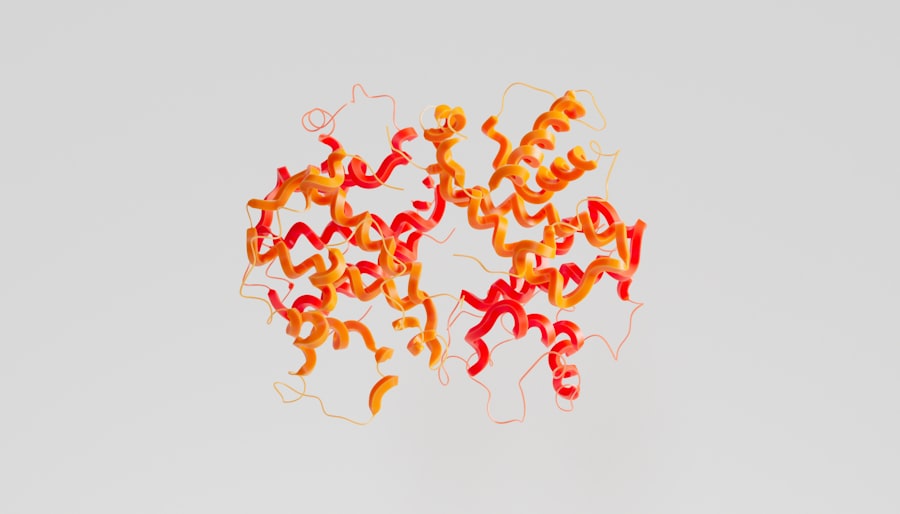
An imbalance in dopamine levels can have profound effects on your mental health. Too much dopamine may lead to symptoms associated with conditions like schizophrenia or bipolar disorder, where individuals may experience heightened emotions or delusions. Conversely, too little dopamine can result in symptoms of depression or lethargy, making it challenging for you to engage with life fully.
Recognizing these imbalances is crucial for addressing mental health concerns effectively. If you’re experiencing symptoms related to mood disorders or other mental health issues, understanding the role of dopamine can guide you toward appropriate treatments—whether they involve medication, therapy, or lifestyle changes aimed at restoring balance.
Strategies for Boosting Dopamine Naturally
Fortunately, there are several natural strategies you can employ to boost your dopamine levels and enhance your overall well-being. One effective method is through diet; incorporating foods rich in tyrosine—an amino acid that serves as a precursor to dopamine—can help increase its production. Foods such as lean proteins, dairy products, nuts, and seeds are excellent sources of tyrosine.
Exercise stimulates the release of various neurotransmitters, including dopamine, which can improve your mood and increase motivation. Finding an activity you enjoy—whether it’s dancing, hiking, or practicing yoga—can make it easier for you to incorporate exercise into your routine consistently.
The Link Between Dopamine and Exercise
Exercise is not only beneficial for physical health but also plays a vital role in enhancing your mental well-being through its impact on dopamine levels. When you engage in physical activity, your brain releases endorphins and other neurotransmitters, including dopamine. This release creates feelings of euphoria often referred to as the “runner’s high,” which can motivate you to continue exercising regularly.
Moreover, consistent exercise has been shown to improve cognitive function and reduce symptoms of anxiety and depression by promoting balanced neurotransmitter levels. By making exercise a regular part of your life, you’re not only improving your physical fitness but also nurturing your mental health through increased dopamine production.
Dopamine and its Role in Social Interaction and Bonding
Dopamine also plays a significant role in social interactions and bonding with others. When you engage in meaningful conversations or share experiences with friends and family, your brain releases dopamine as a reward for these social connections. This release reinforces positive social behaviors and encourages you to seek out relationships that bring joy and fulfillment.
The importance of social bonding cannot be overstated; strong relationships contribute significantly to overall happiness and well-being. By understanding how dopamine influences social interactions, you can prioritize building connections with others and fostering relationships that enhance your life.
The Importance of Dopamine in Decision Making and Risk Taking
Dopamine’s influence extends into decision-making processes as well. When faced with choices, the anticipation of potential rewards activates the brain’s reward system, leading to increased dopamine release. This heightened state can enhance your ability to evaluate risks versus rewards effectively; however, it can also lead to impulsive decisions if not managed carefully.
Understanding this dynamic can empower you to make more thoughtful choices in various aspects of life—from financial decisions to personal relationships. By recognizing when dopamine-driven impulses arise, you can take a step back and assess whether the potential rewards align with your long-term goals.
Harnessing the Power of Dopamine for a Healthier Brain
In conclusion, understanding the multifaceted role of dopamine in your brain can empower you to make informed choices that enhance both your mental health and overall well-being. From its influence on motivation and pleasure to its impact on learning and social interactions, dopamine is a powerful neurotransmitter that shapes many aspects of your life.
Embracing this knowledge allows you to cultivate a more fulfilling life while navigating challenges with greater resilience and clarity.
Dopamine, often referred to as the “feel-good” neurotransmitter, plays a crucial role in our brain’s reward system, influencing mood, motivation, and even productivity. For those interested in exploring how dopamine impacts productivity and ways to harness its power for better work habits, you might find this related article insightful. Check out Productive Patty for more information on how to optimize your brain chemistry for enhanced performance and well-being.
Caffeine: The Ultimate Productivity Scam You Fell For (Neuro-Economist Reveals The Truth) ☕️💸
FAQs
What is dopamine?
Dopamine is a type of neurotransmitter, which is a chemical messenger in the brain. It plays a role in how we feel pleasure, motivation, and reward.
What are the functions of dopamine?
Dopamine is involved in several important functions in the brain, including regulating movement, emotional responses, and the ability to experience pleasure and pain.
How does dopamine affect the brain?
Dopamine affects the brain by transmitting signals between nerve cells. It plays a key role in the brain’s reward system, influencing motivation, reinforcement, and pleasure.
What happens if there is a dopamine imbalance?
An imbalance in dopamine levels can lead to various neurological and psychiatric disorders, such as Parkinson’s disease, schizophrenia, and addiction.
How can dopamine levels be regulated?
Dopamine levels can be regulated through various means, including medication, therapy, and lifestyle changes. For example, certain medications can help increase or decrease dopamine levels in the brain.