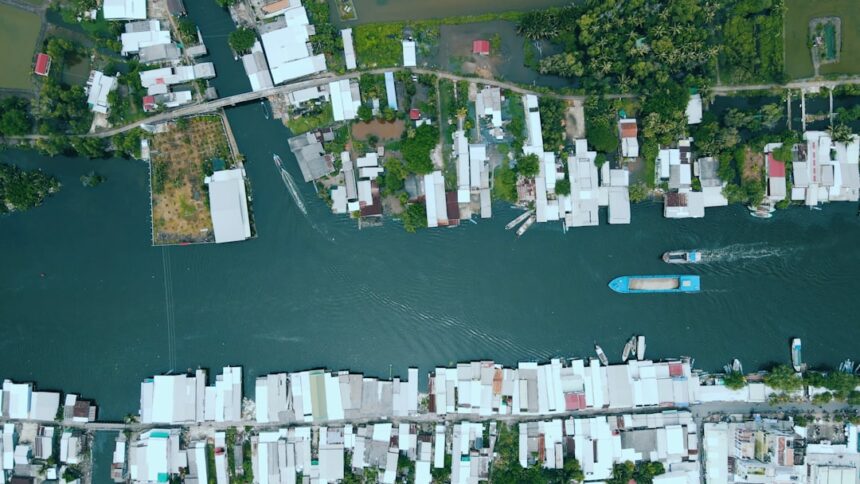
Urban flood risk mapping serves as a critical tool in the management and mitigation of flood-related disasters in metropolitan areas. As cities continue to expand and develop, the potential for flooding increases, making it essential for urban planners and policymakers to understand the specific risks associated with their environments. Flood risk mapping provides a visual representation of areas susceptible to flooding, allowing for informed decision-making regarding land use, infrastructure development, and emergency preparedness.
By identifying high-risk zones, municipalities can prioritize resources and implement strategies to protect vulnerable populations and critical infrastructure. Moreover, urban flood risk mapping is not merely a reactive measure; it is a proactive approach that fosters resilience within communities. By understanding flood risks, cities can develop comprehensive plans that incorporate sustainable practices and innovative solutions.
This foresight is particularly important in the context of climate change, which is expected to exacerbate flooding events through increased rainfall and rising sea levels. Thus, urban flood risk mapping becomes an indispensable component of urban planning, ensuring that cities are equipped to handle both current and future challenges posed by flooding.
Key Takeaways
- Urban flood risk mapping is essential for identifying vulnerable areas and preparing effective mitigation strategies.
- Advanced technologies, including Geographic Information Systems (GIS), enhance the accuracy of flood risk assessments.
- Integrating climate change data into flood risk mapping helps anticipate future flood scenarios and adapt accordingly.
- Collaborative efforts with stakeholders are crucial for developing and implementing successful flood risk action plans.
- Infrastructure improvements guided by flood risk mapping lead to significant economic and social benefits for urban communities.
Understanding the Factors Contributing to Urban Flood Risk
Several factors contribute to the complexity of urban flood risk, necessitating a thorough understanding of each element involved. One significant factor is the geographical layout of a city, including its topography, soil composition, and proximity to water bodies. Urban areas often feature impervious surfaces such as roads and buildings that prevent water absorption, leading to increased runoff during heavy rainfall.
This phenomenon can overwhelm drainage systems, resulting in localized flooding. Additionally, the historical development patterns of cities may have neglected natural waterways, further exacerbating flood risks. Another critical factor is climate variability, which has become increasingly unpredictable due to global warming.
Changes in precipitation patterns can lead to more intense storms and prolonged periods of heavy rainfall, increasing the likelihood of flooding in urban areas. Furthermore, human activities such as deforestation and land-use changes can disrupt natural water flow and drainage systems, compounding the risks associated with urban flooding. Understanding these contributing factors is essential for developing effective flood risk management strategies that address both natural and anthropogenic influences.
Utilizing Technology for Accurate Flood Risk Mapping
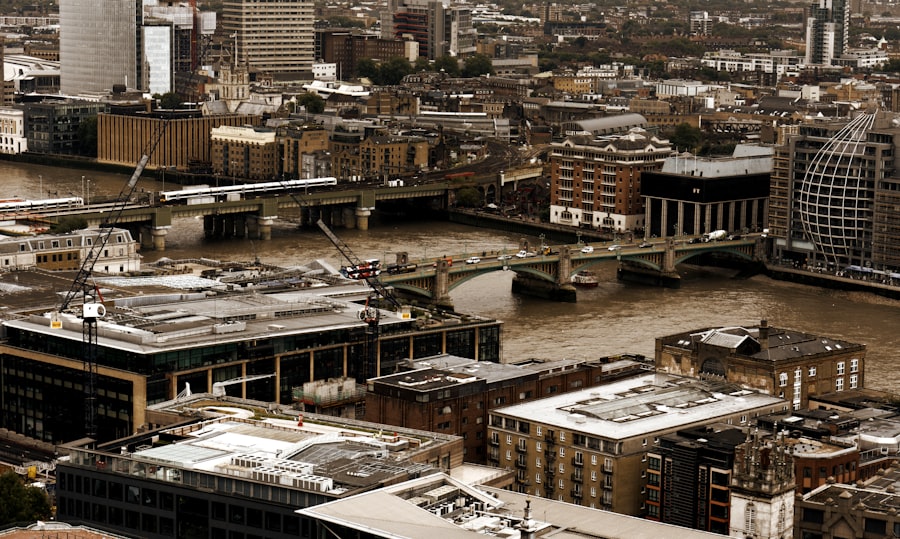
The advent of technology has revolutionized the field of flood risk mapping, enabling more accurate and comprehensive assessments of urban flood hazards. Advanced modeling techniques, such as hydrological simulations and predictive analytics, allow researchers and urban planners to simulate various flooding scenarios based on historical data and projected climate conditions. These models can incorporate a wide range of variables, including rainfall intensity, land use changes, and infrastructure capacity, providing a nuanced understanding of potential flood impacts.
Additionally, remote sensing technologies such as satellite imagery and aerial drones have enhanced data collection capabilities. These tools enable the monitoring of land use changes over time and provide real-time information on weather patterns and water levels. By integrating these technological advancements into flood risk mapping efforts, cities can create dynamic models that adapt to changing conditions and improve the accuracy of their assessments.
This technological integration not only enhances the reliability of flood risk maps but also empowers decision-makers with the information needed to implement effective mitigation strategies.
The Role of Geographic Information Systems (GIS) in Urban Flood Risk Mapping
Geographic Information Systems (GIS) play a pivotal role in urban flood risk mapping by providing a platform for analyzing spatial data related to flood hazards. GIS allows for the visualization of complex datasets, enabling urban planners to identify patterns and relationships between various factors contributing to flood risk. By layering different types of information—such as topography, land use, population density, and historical flood events—GIS facilitates a comprehensive understanding of vulnerabilities within urban environments.
Furthermore, GIS technology enables stakeholders to engage in participatory planning processes by making flood risk data accessible to the public. Community members can visualize their neighborhoods’ risks and contribute valuable local knowledge that may not be captured through traditional data collection methods. This collaborative approach fosters a sense of ownership among residents and encourages proactive engagement in flood mitigation efforts.
Ultimately, GIS serves as an essential tool for enhancing the effectiveness of urban flood risk mapping initiatives by promoting informed decision-making and community involvement.
Identifying Vulnerable Areas in Cities through Flood Risk Mapping
| Metric | Description | Unit | Example Value | Data Source |
|---|---|---|---|---|
| Flood Hazard Level | Classification of flood risk based on water depth and velocity | Category (Low, Medium, High) | High | Hydrological Models, Remote Sensing |
| Flood Frequency | Average recurrence interval of flood events | Years | 50 | Historical Flood Records |
| Inundation Depth | Maximum water depth during flood events | Meters | 2.5 | Hydraulic Simulations |
| Population at Risk | Number of people living in flood-prone areas | Individuals | 15,000 | Census Data, GIS Mapping |
| Critical Infrastructure Exposure | Number of critical facilities within flood zones | Count | 12 | Urban Planning Databases |
| Economic Loss Potential | Estimated value of assets at risk | Value Units | 120,000,000 | Property and Asset Records |
| Surface Runoff Coefficient | Ratio of rainfall that becomes surface runoff | Dimensionless | 0.75 | Hydrological Studies |
| Drainage Capacity | Maximum volume of water the drainage system can handle | Cubic meters per second (m³/s) | 150 | Municipal Infrastructure Data |
Identifying vulnerable areas within cities is a fundamental aspect of effective flood risk mapping. Through detailed analysis of geographic and demographic data, urban planners can pinpoint regions most at risk for flooding and prioritize them for intervention. Vulnerable areas often include low-lying neighborhoods, regions with inadequate drainage systems, and communities with high population densities that may lack resources for emergency response.
By focusing on these high-risk zones, cities can allocate resources more efficiently and develop targeted strategies to mitigate potential impacts. Moreover, understanding the socio-economic factors that contribute to vulnerability is crucial for creating equitable flood risk management plans. Marginalized communities often face greater risks due to limited access to resources, information, and infrastructure improvements.
By incorporating social equity considerations into flood risk mapping efforts, cities can ensure that all residents are protected from flooding threats. This holistic approach not only enhances the effectiveness of mitigation strategies but also promotes social justice by addressing disparities in vulnerability across different communities.
Integrating Climate Change Data into Urban Flood Risk Mapping
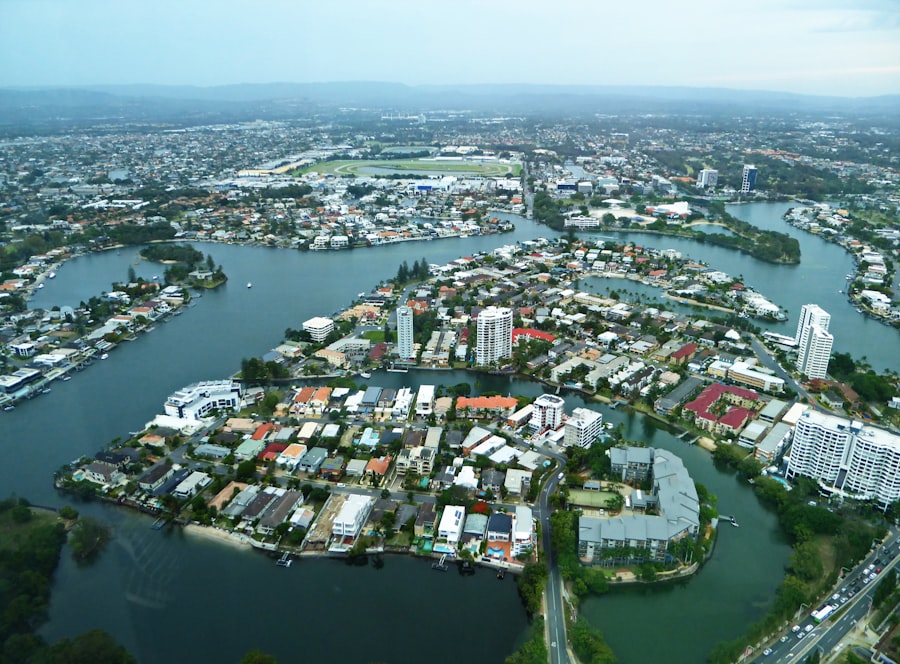
As climate change continues to reshape weather patterns globally, integrating climate data into urban flood risk mapping has become increasingly important. Projections indicate that many regions will experience more frequent and severe flooding events due to rising temperatures and changing precipitation patterns. By incorporating climate change scenarios into flood risk assessments, cities can better prepare for future challenges and develop adaptive strategies that account for evolving conditions.
This integration involves analyzing historical climate data alongside current trends to identify potential future risks. For instance, cities can model how rising sea levels may impact coastal areas or how increased rainfall intensity could overwhelm existing drainage systems. By understanding these potential changes, urban planners can design infrastructure improvements that are resilient to future climate conditions.
Additionally, this proactive approach allows cities to engage in long-term planning that prioritizes sustainability and resilience in the face of climate uncertainty.
Developing Action Plans Based on Flood Risk Mapping Results
Once urban flood risk mapping has been completed, developing actionable plans based on the findings is essential for effective mitigation efforts. These action plans should outline specific strategies for reducing flood risks in identified vulnerable areas while considering available resources and community needs. This may include infrastructure improvements such as enhancing drainage systems, creating green spaces to absorb excess water, or implementing zoning regulations that limit development in high-risk zones.
This includes establishing communication channels for disseminating information about impending floods and coordinating evacuation efforts if necessary. By creating comprehensive action plans based on flood risk mapping results, cities can ensure that they are prepared to respond effectively to flooding threats while minimizing potential damage to lives and property.
Engaging Stakeholders in Urban Flood Risk Mapping and Mitigation Efforts
Engaging stakeholders is a critical component of successful urban flood risk mapping and mitigation initiatives. Collaboration among various entities—including government agencies, community organizations, businesses, and residents—ensures that diverse perspectives are considered in decision-making processes. By involving stakeholders from the outset, cities can foster a sense of shared responsibility for addressing flood risks and promote collective action toward mitigation efforts.
Public engagement initiatives can take many forms, including community workshops, informational sessions, and participatory mapping exercises. These activities provide opportunities for residents to voice their concerns about flooding risks in their neighborhoods while also contributing local knowledge that may enhance mapping efforts. Additionally, engaging stakeholders helps build trust between communities and decision-makers, facilitating smoother implementation of mitigation strategies and increasing community buy-in for proposed actions.
Implementing Infrastructure Improvements Based on Flood Risk Mapping
Infrastructure improvements are often necessary to address the vulnerabilities identified through urban flood risk mapping effectively. Upgrading existing drainage systems to accommodate increased rainfall volumes or constructing new retention basins can significantly reduce flooding risks in high-risk areas. Additionally, implementing green infrastructure solutions—such as permeable pavements or rain gardens—can enhance a city’s ability to manage stormwater while providing additional environmental benefits.
Moreover, infrastructure improvements should be designed with resilience in mind, taking into account future climate projections and potential changes in flood patterns. This forward-thinking approach ensures that investments made today will continue to provide protection against flooding threats in the years to come. By prioritizing infrastructure improvements based on flood risk mapping results, cities can create safer environments for residents while also enhancing overall community resilience.
The Economic and Social Benefits of Urban Flood Risk Mapping
The economic and social benefits of urban flood risk mapping extend far beyond immediate disaster response efforts. By investing in comprehensive flood risk assessments and mitigation strategies, cities can save significant amounts in potential damages caused by flooding events. Effective flood management reduces repair costs for infrastructure and minimizes disruptions to local economies during disasters.
Furthermore, by protecting vulnerable communities from flooding impacts, cities promote social equity and enhance overall quality of life for residents. In addition to direct economic benefits, urban flood risk mapping fosters community resilience by encouraging proactive engagement among residents and stakeholders. When communities are informed about their risks and involved in decision-making processes, they are better equipped to respond effectively during emergencies.
This sense of empowerment not only strengthens social cohesion but also builds trust between residents and local authorities—an essential component for successful disaster management.
Case Studies of Successful Urban Flood Risk Mapping and Mitigation Initiatives
Numerous case studies illustrate the effectiveness of urban flood risk mapping and subsequent mitigation initiatives across various cities worldwide. For instance, New Orleans has implemented advanced flood risk mapping techniques following Hurricane Katrina’s devastating impacts in 2005. The city utilized GIS technology to identify vulnerable neighborhoods and developed comprehensive action plans that included infrastructure upgrades and community engagement efforts aimed at enhancing resilience.
Similarly, Rotterdam has embraced innovative approaches to urban water management through its “Room for the River” program. This initiative focuses on creating multifunctional green spaces that serve as both recreational areas and flood retention zones during heavy rainfall events. By integrating flood risk mapping into its planning processes, Rotterdam has successfully reduced its vulnerability while promoting sustainable urban development.
These case studies highlight the importance of utilizing data-driven approaches in addressing urban flood risks effectively. By learning from successful initiatives around the globe, cities can adopt best practices tailored to their unique contexts while fostering resilience against future flooding challenges.
Flood risk mapping in urban areas is a critical component of effective urban planning and disaster management. For a deeper understanding of this topic, you can refer to a related article that discusses various methodologies and technologies used in flood risk assessment. This article can be found at this link. By utilizing advanced mapping techniques, cities can better prepare for potential flooding events and mitigate their impacts on communities.
FAQs
What is flood risk mapping in urban areas?
Flood risk mapping in urban areas involves identifying and visualizing regions within cities that are susceptible to flooding. It uses data on topography, rainfall, drainage systems, and historical flood events to assess the likelihood and potential impact of floods.
Why is flood risk mapping important for urban areas?
Flood risk mapping helps city planners, emergency responders, and residents understand which areas are vulnerable to flooding. This information is crucial for disaster preparedness, infrastructure development, zoning regulations, and minimizing damage to property and loss of life.
What data sources are used for flood risk mapping?
Common data sources include satellite imagery, digital elevation models (DEMs), rainfall records, river flow data, land use maps, soil types, and historical flood records. Advanced models may also incorporate climate change projections and urban drainage system details.
How is flood risk assessed in urban flood mapping?
Flood risk is typically assessed by combining the probability of flooding (hazard) with the potential consequences (vulnerability and exposure). This involves hydrological and hydraulic modeling to simulate flood scenarios and estimate water depths, flow velocities, and affected areas.
What technologies are used in urban flood risk mapping?
Technologies include Geographic Information Systems (GIS), remote sensing, hydrodynamic modeling software, LiDAR for high-resolution elevation data, and sometimes crowd-sourced data from residents. These tools help create detailed and accurate flood risk maps.
How can flood risk maps be used by local governments?
Local governments use flood risk maps to guide urban planning, enforce building codes, design flood defenses, plan evacuation routes, and allocate resources for emergency response. They also inform public awareness campaigns and insurance assessments.
Are flood risk maps updated regularly?
Yes, flood risk maps should be updated periodically to reflect changes in land use, urban development, climate patterns, and improvements in data and modeling techniques. Regular updates ensure that risk assessments remain accurate and relevant.
Can flood risk mapping prevent floods?
Flood risk mapping itself does not prevent floods but provides critical information that helps reduce flood impacts through better planning, early warning systems, and targeted mitigation measures.
Is flood risk mapping applicable to all urban areas?
Yes, flood risk mapping can be applied to any urban area, though the complexity and methods may vary depending on the size of the city, available data, and specific flood risks such as riverine, coastal, or pluvial flooding.
How can residents access flood risk maps?
Many local governments and environmental agencies publish flood risk maps online for public access. These maps may be available through official websites, GIS portals, or community planning offices.