
Dopamine is a neurotransmitter, a chemical messenger that plays a crucial role in transmitting signals within the brain and other areas of the body. It is often referred to as the “feel-good” neurotransmitter due to its significant involvement in the brain’s reward system. When you engage in activities that bring you pleasure or satisfaction, such as eating your favorite food or achieving a personal goal, dopamine is released, creating feelings of enjoyment and reinforcing those behaviors.
This release of dopamine is essential for survival, as it encourages you to repeat actions that are beneficial to your well-being. In terms of its functionality, dopamine operates through a complex network of pathways in the brain. The most notable of these pathways include the mesolimbic pathway, which is associated with reward and pleasure, and the nigrostriatal pathway, which is involved in movement and coordination.
When dopamine is released in these areas, it binds to specific receptors on neurons, leading to various physiological responses.
Key Takeaways
- Dopamine is a neurotransmitter that plays a key role in motivation, reward, learning, memory, addiction, mood, emotions, movement, mental health, attention, and focus.
- Dopamine is involved in the brain’s reward system, motivating individuals to seek out and repeat behaviors that lead to pleasure and reward.
- Dopamine plays a crucial role in learning and memory, influencing the brain’s ability to remember and process information.
- Imbalances in dopamine levels can contribute to addiction, impacting the brain’s reward and pleasure centers.
- Strategies for naturally boosting dopamine levels include exercise, adequate sleep, healthy diet, meditation, and listening to music.
The Role of Dopamine in Motivation and Reward
Dopamine is fundamentally linked to motivation and the pursuit of rewards. When you set a goal and work towards it, your brain releases dopamine as a form of encouragement, signaling that you are on the right path. This release creates a sense of pleasure that propels you forward, making you more likely to engage in similar behaviors in the future.
For instance, when you complete a challenging task or receive recognition for your efforts, the surge of dopamine reinforces your motivation to continue striving for success. Moreover, dopamine’s role in motivation extends beyond immediate rewards. It also plays a part in anticipating future rewards.
When you envision achieving a goal, your brain releases dopamine in anticipation of the pleasure that will come from that accomplishment. This anticipatory response can be a powerful motivator, driving you to take action even when the path may be difficult or uncertain. Understanding this connection can help you harness the power of dopamine to enhance your motivation and achieve your aspirations.
Dopamine’s Impact on Learning and Memory

Dopamine is not only crucial for motivation but also plays a significant role in learning and memory formation. When you learn something new or experience something memorable, dopamine is released, which helps encode that information into your memory. This process is particularly evident in situations where there is a reward associated with learning.
For example, if you study hard for an exam and receive a good grade, the dopamine released during this experience reinforces the knowledge you’ve gained, making it easier for you to recall that information later. Additionally, dopamine influences how you prioritize information based on its relevance or importance. When you encounter stimuli that are rewarding or significant, dopamine enhances your ability to focus on those details while filtering out distractions.
This selective attention is vital for effective learning, as it allows you to absorb and retain information that will be beneficial in the future. By understanding how dopamine affects learning and memory, you can develop strategies to optimize your study habits and improve your retention of new information.
The Connection Between Dopamine and Addiction
| Topic | Details |
|---|---|
| Dopamine | A neurotransmitter that plays a role in pleasure, reward, and motivation |
| Addiction | A condition characterized by compulsive engagement in rewarding stimuli despite adverse consequences |
| Connection | Dopamine release in the brain’s reward system reinforces addictive behaviors |
| Effects | Increased dopamine levels can lead to reinforcement of addictive behaviors and cravings |
The relationship between dopamine and addiction is complex and multifaceted. Many addictive substances, such as drugs and alcohol, hijack the brain’s reward system by artificially increasing dopamine levels. When you consume these substances, they lead to an intense release of dopamine, creating feelings of euphoria and pleasure.
This overwhelming sense of reward can quickly lead to repeated use as your brain begins to associate the substance with positive feelings. However, over time, the brain adapts to these high levels of dopamine by reducing its natural production or decreasing the sensitivity of dopamine receptors. As a result, you may find yourself needing more of the substance to achieve the same pleasurable effects, leading to a cycle of dependency and addiction.
Understanding this connection can be crucial for those struggling with addiction, as it highlights the importance of addressing both the psychological and physiological aspects of their condition.
Dopamine’s Influence on Mood and Emotions
Dopamine plays a pivotal role in regulating mood and emotional responses. A balanced level of dopamine contributes to feelings of happiness and well-being, while an imbalance can lead to mood disorders such as depression or anxiety. When dopamine levels are low, you may experience feelings of apathy or lack of motivation, making it challenging to engage in activities that once brought you joy.
Conversely, elevated levels of dopamine can lead to heightened feelings of euphoria or excitement. However, excessive dopamine can also contribute to mood swings or impulsive behavior. Understanding how dopamine influences your emotions can empower you to take proactive steps toward maintaining a healthy balance.
Engaging in activities that naturally boost dopamine levels—such as exercise, socializing, or pursuing hobbies—can help enhance your overall mood and emotional well-being.
Dopamine and Its Role in Movement and Motor Control
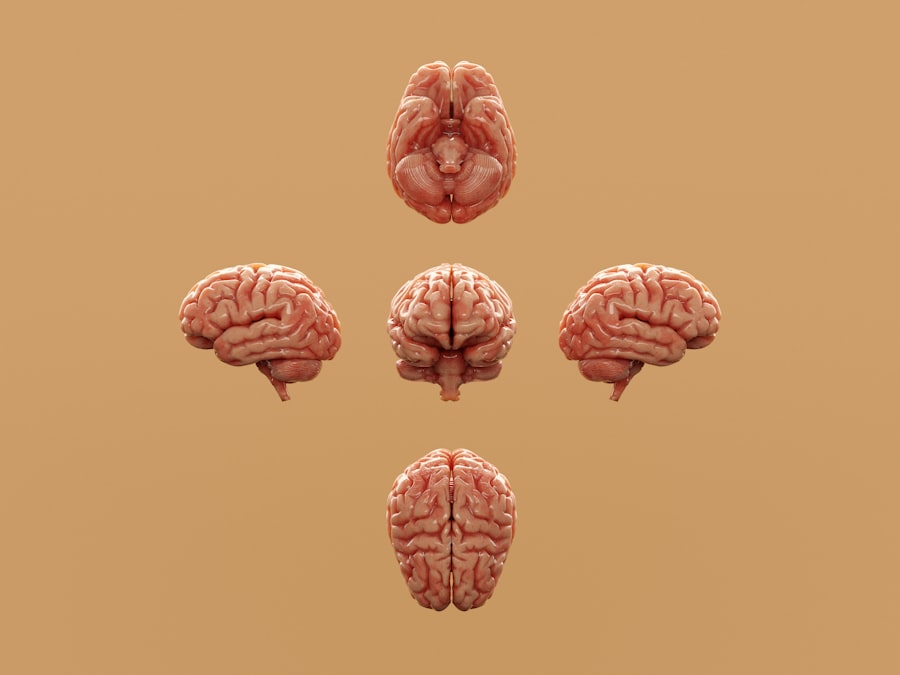
Dopamine is essential for coordinating movement and motor control within the body. The nigrostriatal pathway, which connects the substantia nigra to the striatum, is particularly important for regulating voluntary movements. When dopamine levels are optimal, you can move smoothly and efficiently; however, when there is a deficiency in dopamine production—such as in Parkinson’s disease—you may experience tremors, stiffness, or difficulty initiating movement.
This connection between dopamine and motor control highlights the neurotransmitter’s role beyond just mood regulation or reward processing. It underscores how vital dopamine is for everyday functioning. Understanding this relationship can help you appreciate the importance of maintaining healthy dopamine levels through lifestyle choices such as regular physical activity and proper nutrition.
The Effects of Dopamine Imbalance on Mental Health
An imbalance in dopamine levels can have profound effects on mental health. Low levels of dopamine are often associated with conditions such as depression, attention deficit hyperactivity disorder (ADHD), and schizophrenia. In these cases, individuals may struggle with motivation, focus, or emotional regulation due to insufficient dopamine signaling in the brain.
On the other hand, excessively high levels of dopamine can lead to symptoms associated with mania or psychosis. This duality emphasizes the importance of maintaining a delicate balance within the dopaminergic system for optimal mental health. By recognizing the signs of dopamine imbalance—whether they manifest as low energy or heightened anxiety—you can take steps toward seeking appropriate treatment or lifestyle changes that promote better mental well-being.
Strategies for Boosting Dopamine Levels Naturally
If you’re looking to enhance your dopamine levels naturally, there are several effective strategies you can incorporate into your daily routine. One of the most impactful ways is through regular physical exercise. Engaging in aerobic activities like running or cycling has been shown to increase dopamine production while also improving overall mood and cognitive function.
Another effective method is through dietary choices. Consuming foods rich in tyrosine—an amino acid that serves as a precursor for dopamine—can help boost its production. Foods such as lean meats, fish, eggs, dairy products, nuts, and legumes are excellent sources of tyrosine.
Additionally, incorporating antioxidants found in fruits and vegetables can protect dopamine-producing neurons from oxidative stress. Social interactions also play a vital role in boosting dopamine levels. Engaging with friends or participating in group activities can stimulate feelings of connection and joy, leading to increased dopamine release.
Lastly, practicing mindfulness techniques such as meditation or yoga can help reduce stress levels while promoting a sense of well-being—further supporting healthy dopamine function.
The Link Between Dopamine and Parkinson’s Disease
Parkinson’s disease is a neurodegenerative disorder characterized by a progressive loss of motor control due to the degeneration of dopamine-producing neurons in the substantia nigra region of the brain. As these neurons deteriorate, individuals may experience symptoms such as tremors, rigidity, bradykinesia (slowness of movement), and postural instability.
Treatments for Parkinson’s often focus on replenishing dopamine levels through medications like levodopa or using deep brain stimulation techniques to enhance dopaminergic activity within affected areas of the brain. Understanding this relationship not only sheds light on Parkinson’s disease but also emphasizes the importance of ongoing research into potential therapies aimed at preserving dopaminergic function.
Dopamine and its Relationship to Attention and Focus
Dopamine significantly influences attention and focus by modulating how information is processed within the brain. In conditions like ADHD, where there is often a deficiency in dopaminergic signaling, individuals may struggle with maintaining attention or regulating impulses effectively. This connection highlights how crucial balanced dopamine levels are for cognitive functioning.
When dopamine levels are optimal, they enhance your ability to concentrate on tasks while filtering out distractions effectively. This selective attention allows you to engage deeply with activities that require focus—whether it’s studying for an exam or completing work projects—ultimately leading to improved performance and productivity.
The Future of Dopamine Research and Potential Applications
As research into dopamine continues to evolve, scientists are uncovering new insights into its multifaceted roles within the brain and body. Future studies may explore innovative therapeutic approaches targeting dopaminergic pathways for various conditions ranging from mental health disorders to neurodegenerative diseases like Parkinson’s. Additionally, advancements in neuroimaging techniques may allow researchers to better understand individual variations in dopaminergic function—leading to personalized treatment strategies tailored specifically for each person’s needs.
As our understanding deepens regarding how this neurotransmitter influences behavior, cognition, and overall health outcomes—there lies great potential for developing interventions that harness its power effectively. In conclusion, understanding dopamine’s intricate roles within our bodies opens up new avenues for enhancing well-being across various domains—from motivation and learning to mental health management and movement control. By recognizing its significance in our daily lives while actively seeking ways to support healthy dopaminergic function—we can pave the way toward improved quality of life for ourselves and others around us.
Dopamine, often referred to as the “feel-good” neurotransmitter, plays a crucial role in our brain’s reward system, influencing motivation, pleasure, and mood. Understanding how dopamine functions can significantly impact productivity and overall well-being. For those interested in exploring how dopamine and productivity are interconnected, a related article can be found on Productive Patty’s website. This article delves into strategies for harnessing dopamine to enhance focus and efficiency. You can read more about it by visiting Productive Patty.
Caffeine: The Ultimate Productivity Scam You Fell For (Neuro-Economist Reveals The Truth) ☕️💸
FAQs
What is dopamine?
Dopamine is a type of neurotransmitter, which is a chemical messenger in the brain. It plays a role in how we feel pleasure, motivation, and reward.
What are the functions of dopamine?
Dopamine is involved in several important functions in the brain, including regulating movement, emotional responses, and the ability to experience pleasure and pain.
How does dopamine affect the brain?
Dopamine affects the brain by transmitting signals between nerve cells. It plays a key role in the brain’s reward system, influencing motivation, reinforcement, and pleasure.
What happens if there is a dopamine imbalance?
An imbalance in dopamine levels can lead to various neurological and psychiatric disorders, such as Parkinson’s disease, schizophrenia, and addiction.
How can dopamine levels be regulated?
Dopamine levels can be regulated through various means, including medication, therapy, and lifestyle changes. For example, certain medications can help increase or decrease dopamine levels in the brain.