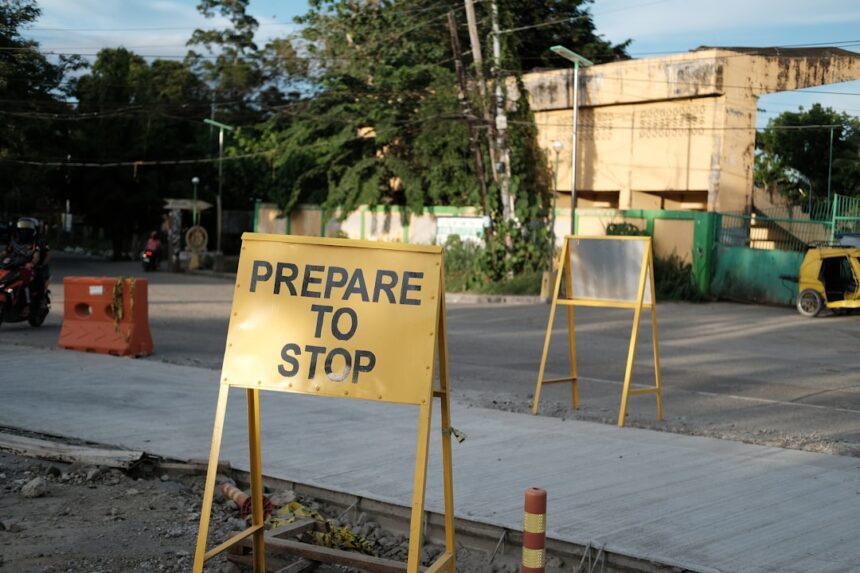
Typhoons pose a significant threat to Tokyo residents, as the city is located in a region frequently impacted by these intense tropical cyclones. These weather systems are characterized by sustained winds exceeding 118 kilometers per hour, torrential rainfall, and potential storm surge flooding, which can cause substantial infrastructure damage and endanger public safety. The typhoon season in Japan typically spans from May through October, with peak activity occurring between August and September when sea surface temperatures reach their highest levels.
The severity of typhoon impacts varies considerably based on storm intensity, size, forward speed, and track relative to Tokyo. While some typhoons may produce only minor disruptions such as flight cancellations and temporary power outages, others can result in catastrophic damage including building destruction, landslides, and prolonged flooding. The Japan Meteorological Agency issues official typhoon forecasts, warnings, and advisories using a standardized classification system that categorizes storms by maximum sustained wind speeds and expected impacts.
These official communications provide critical information for emergency preparedness and evacuation decisions. Early warning indicators of approaching typhoons include rapid barometric pressure drops, increasing wind speeds with shifting directions, heavy cloud cover, and abnormal wave activity along coastal areas. Modern meteorological technology, including satellite imagery and Doppler radar systems, enables forecasters to track typhoon development and movement with increasing accuracy, typically providing 3-5 days advance notice of potential impacts to the Tokyo metropolitan area.
Key Takeaways
- Understand the nature and risks of typhoons specific to Tokyo to better prepare.
- Assemble a comprehensive emergency kit including essentials like water, food, and medical supplies.
- Secure your home by reinforcing windows, doors, and clearing outdoor hazards before the storm.
- Plan evacuation routes in advance and stay updated with reliable weather information.
- Prioritize safety during and after the typhoon, including caring for pets, assessing damage, and assisting others.
Creating a Typhoon Emergency Kit
An emergency kit is an essential component of any typhoon preparedness plan. This kit should contain all the necessary supplies that individuals and families may need during and after a storm. Basic items to include are non-perishable food, bottled water, a flashlight with extra batteries, a first aid kit, and essential medications.
It is advisable to prepare enough supplies to last at least three days, as power outages and road blockages can hinder access to stores and services. In addition to food and water, personal documents should be included in the emergency kit. Important papers such as identification, insurance policies, and medical records should be stored in a waterproof container.
This ensures that individuals have access to critical information even if their home is damaged. Furthermore, it is wise to include items that cater to specific family needs, such as baby formula or pet supplies. By taking the time to assemble a comprehensive emergency kit, residents can significantly enhance their resilience in the face of a typhoon.
Securing Your Home Before a Typhoon
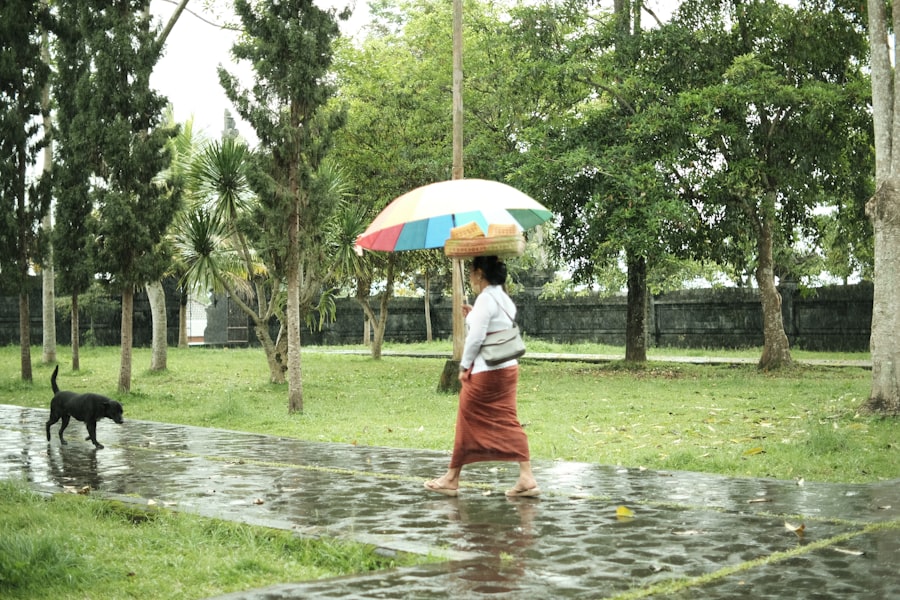
Before a typhoon strikes, it is vital for residents to take steps to secure their homes. This process begins with assessing the property for vulnerabilities. Loose items in the yard, such as garden furniture or decorations, should be brought indoors or secured to prevent them from becoming projectiles in high winds.
Windows should be reinforced with storm shutters or plywood to minimize the risk of breakage from flying debris. Additionally, checking the drainage systems around the home is crucial. Clogged gutters and downspouts can lead to water accumulation and flooding during heavy rains.
Clearing these areas of leaves and debris can help ensure that water flows away from the house effectively. Residents should also consider trimming overhanging branches that could fall on the roof or power lines during a storm. By taking these precautionary measures, homeowners can reduce the likelihood of damage and enhance their safety during a typhoon.
Evacuation Plans and Routes
Having a well-thought-out evacuation plan is essential for ensuring safety during a typhoon. Residents should familiarize themselves with local evacuation routes and identify safe locations where they can seek shelter if necessary. This may include designated emergency shelters or the homes of friends or family members who live in safer areas.
It is important for families to discuss their evacuation plan together so that everyone knows what to do when a storm approaches. In addition to knowing where to go, residents should also consider how they will get there. Having a reliable mode of transportation is crucial, especially if public transit services are disrupted due to severe weather conditions.
By planning ahead and being prepared for various scenarios, residents can navigate the challenges posed by a typhoon more effectively.
Staying Informed with Weather Updates
| Metric | Value | Details |
|---|---|---|
| Annual Typhoons Affecting Tokyo | 3-5 | Average number of typhoons impacting Tokyo region each year |
| Emergency Shelters | 1,200+ | Number of designated typhoon emergency shelters in Tokyo |
| Evacuation Rate | 85% | Percentage of residents who evacuate when advised during typhoons |
| Early Warning System Coverage | 100% | Percentage of Tokyo area covered by typhoon early warning alerts |
| Public Awareness Campaigns | 4 per year | Number of major typhoon preparedness campaigns conducted annually |
| Flood Defense Infrastructure | 95% | Percentage of flood-prone areas protected by levees and barriers |
| Backup Power Availability | 90% | Percentage of critical facilities with backup power systems |
| Average Response Time | 30 minutes | Average time for emergency services to respond after typhoon alerts |
Staying informed about weather conditions is vital during typhoon season. Residents should utilize multiple sources of information, including television broadcasts, radio updates, and smartphone apps that provide real-time weather alerts. The Japan Meteorological Agency offers timely updates on typhoon developments, including changes in intensity and projected paths.
By regularly checking these updates, individuals can make informed decisions about their safety and preparedness. In addition to official sources, social media platforms can also serve as valuable tools for receiving timely information from local authorities and community organizations. Following relevant accounts can provide insights into emergency services’ responses and any changes in evacuation orders or shelter availability.
By remaining vigilant and informed, residents can better protect themselves and their loved ones during a typhoon.
Protecting Your Pets during a Typhoon
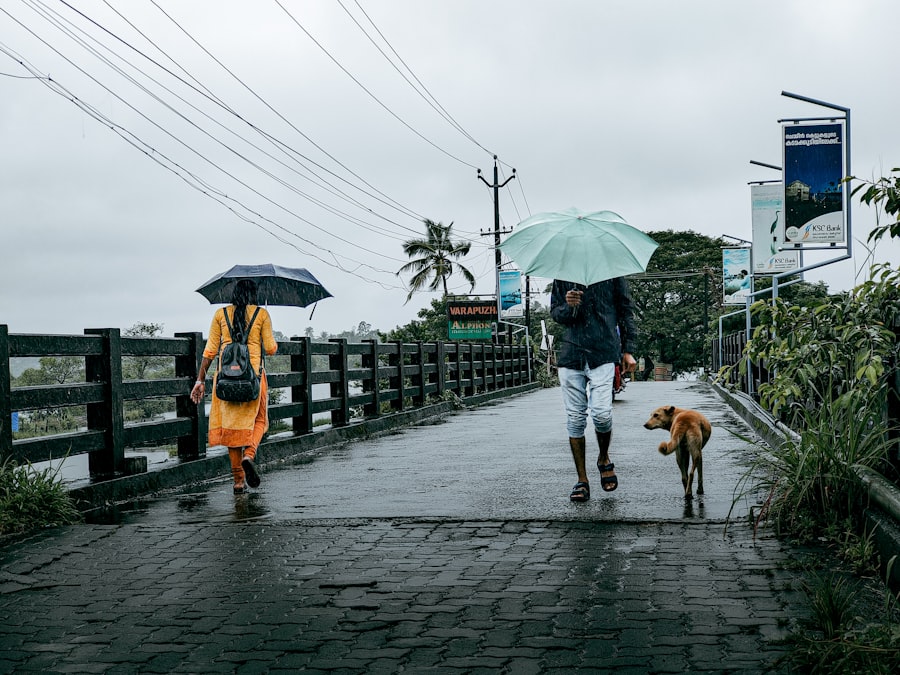
Pets are beloved members of many families, and their safety should be a priority during a typhoon. Preparing for a storm involves ensuring that pets have adequate supplies, including food, water, medications, and comfort items such as blankets or toys. It is essential to have an emergency kit specifically for pets that includes these necessities.
In addition to supplies, pet owners should also consider their pets’ living arrangements during a storm. Bringing pets indoors well before the storm hits can help keep them safe from high winds and flying debris. If evacuation becomes necessary, having a plan in place for transporting pets is crucial.
This may involve securing carriers or leashes ahead of time so that pets can be safely evacuated alongside their owners. By taking these precautions, pet owners can ensure that their furry companions remain safe and comfortable during a typhoon.
Knowing Emergency Contact Information
In times of crisis, having access to emergency contact information is vital for ensuring safety and effective communication. Residents should compile a list of important contacts, including family members, friends, neighbors, and local emergency services. This list should be easily accessible in both physical and digital formats so that individuals can reach out for help if needed.
Additionally, it is wise to establish a communication plan with family members in case of separation during a storm. Designating a meeting point or an out-of-town contact person can help ensure that everyone remains connected despite potential disruptions caused by the typhoon.
Preparing Your Car for a Typhoon
Preparing vehicles for a typhoon is an often-overlooked aspect of storm readiness. Ensuring that cars are in good working condition before a storm hits is essential for safe travel if evacuation becomes necessary. This includes checking tire pressure, fluid levels, and battery health to avoid breakdowns during critical moments.
In addition to mechanical checks, residents should also consider what items to keep in their vehicles during typhoons. A basic emergency kit containing water, snacks, a flashlight, and first aid supplies should be stored in the trunk. It is also advisable to keep important documents such as vehicle registration and insurance information readily accessible in case they are needed after the storm passes.
By taking these steps to prepare their vehicles, residents can enhance their mobility and safety during typhoon events.
Safety Tips for During a Typhoon
During a typhoon, safety should be the top priority for all residents. Staying indoors is crucial; individuals should avoid going outside unless absolutely necessary due to the dangers posed by high winds and flooding. If power outages occur, using flashlights instead of candles can help prevent fire hazards while still providing light.
Listening to weather updates is essential during the storm; this allows individuals to stay informed about changing conditions or emergency instructions from local authorities. If flooding occurs, it is important not to attempt to drive through flooded areas as this can lead to dangerous situations or vehicle damage. Instead, residents should remain patient and wait for conditions to improve before attempting any travel.
After the Typhoon: Assessing Damage and Safety
Once the storm has passed, assessing damage becomes a critical task for residents. It is important to approach this process with caution; downed power lines or unstable structures may pose significant risks. Individuals should avoid entering damaged buildings until they have been deemed safe by professionals.
After ensuring personal safety, residents should document any damage for insurance purposes. Taking photographs of affected areas can help facilitate claims processes later on. Additionally, reaching out to neighbors or community organizations can provide support in recovery efforts; sharing resources and assistance can foster resilience within the community as everyone works together to rebuild after the storm.
Helping Others in Need After a Typhoon
In the aftermath of a typhoon, helping others in need becomes an important aspect of community recovery. Residents who are able should consider volunteering their time or resources to assist those who may have been more severely affected by the storm. This could involve providing food or shelter to displaced individuals or helping with cleanup efforts in neighborhoods.
Community organizations often coordinate relief efforts following natural disasters; getting involved with these groups can amplify individual efforts and ensure that assistance reaches those who need it most effectively. By coming together as a community after a typhoon, residents not only support one another but also foster resilience that will benefit everyone in future challenges.
As Tokyo braces for the possibility of typhoons, it’s crucial for residents to be well-prepared. A related article that offers valuable insights on emergency preparedness can be found at this link. It provides essential tips and resources to help individuals and families stay safe during severe weather events.
FAQs
What is a typhoon?
A typhoon is a mature tropical cyclone that develops in the western part of the North Pacific Ocean. It is characterized by strong winds, heavy rain, and can cause significant damage to affected areas.
When is typhoon season in Tokyo?
Typhoon season in Tokyo typically occurs from June to October, with the highest frequency of typhoons usually between August and September.
How can residents of Tokyo prepare for a typhoon?
Residents should stay informed through weather updates, secure loose outdoor items, stock up on emergency supplies such as water, food, and medications, and have an evacuation plan ready in case of severe flooding or damage.
What emergency supplies are recommended for typhoon preparedness?
Recommended supplies include bottled water, non-perishable food, flashlights, batteries, a first aid kit, necessary medications, important documents, and a portable phone charger.
Where can Tokyo residents find official typhoon warnings and updates?
Official warnings and updates are provided by the Japan Meteorological Agency (JMA) and local government websites, as well as through television, radio, and mobile alerts.
What should people do during a typhoon in Tokyo?
During a typhoon, people should stay indoors, away from windows, avoid using electrical appliances, and follow instructions from local authorities regarding evacuation or sheltering.
Are there designated evacuation centers in Tokyo for typhoon emergencies?
Yes, Tokyo has designated evacuation centers such as community centers and schools where residents can seek shelter during severe typhoon events.
How does Tokyo’s infrastructure help in typhoon preparedness?
Tokyo has advanced flood control systems, reinforced buildings, and well-established emergency response protocols to minimize damage and ensure public safety during typhoons.
Can typhoons cause power outages in Tokyo?
Yes, typhoons can cause power outages due to strong winds and flooding damaging power lines and infrastructure.
What should travelers to Tokyo know about typhoon preparedness?
Travelers should monitor weather forecasts, register with their embassy if possible, have travel insurance, and be prepared to change plans or seek shelter if a typhoon approaches.