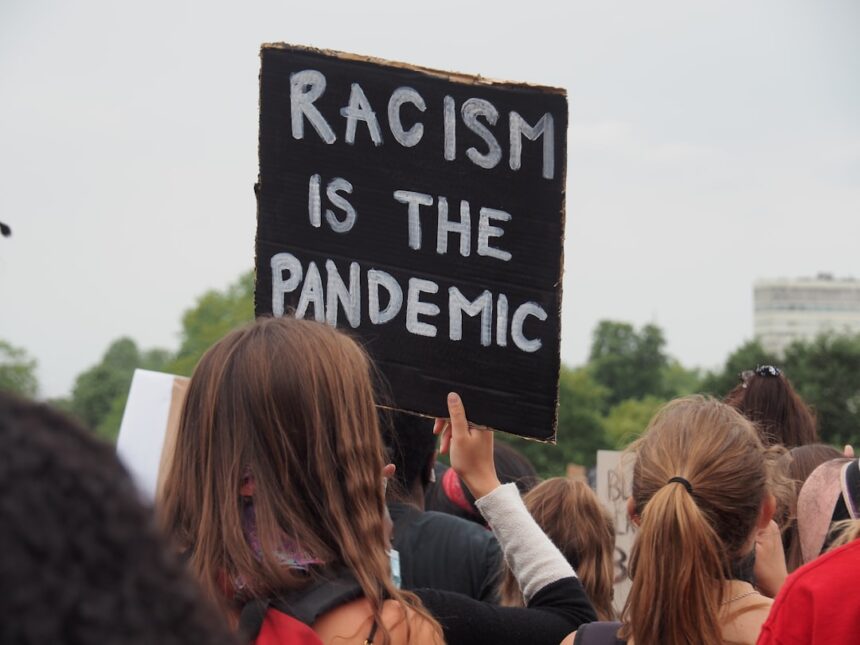
Environmental racism describes the disproportionate exposure of racial minorities and low-income communities to environmental hazards through the strategic placement of polluting facilities, waste sites, and industrial operations in their neighborhoods. Research demonstrates that communities of color are statistically more likely to be located near toxic waste facilities, landfills, chemical plants, and other sources of environmental contamination compared to predominantly white communities. This pattern emerged from decades of discriminatory housing policies, zoning decisions, and urban planning practices that concentrated minority populations in areas with fewer environmental protections.
Historical practices such as redlining, restrictive covenants, and exclusionary zoning created residential segregation that made certain communities more vulnerable to environmental hazards. The term “environmental racism” was coined in the 1980s following studies that documented these disparities in environmental risk exposure. Environmental racism operates through multiple mechanisms including discriminatory siting decisions for hazardous facilities, unequal enforcement of environmental regulations, and disparate access to environmental cleanup resources.
Communities affected by environmental racism typically experience higher rates of asthma, cancer, and other health conditions linked to environmental exposure. These communities also face greater challenges in disaster preparedness and recovery due to limited resources and infrastructure. The intersection of environmental and social inequities creates compounding disadvantages for affected populations.
Limited political representation, reduced economic resources, and historical disinvestment in these communities contribute to their continued vulnerability to environmental hazards. Climate change amplifies these existing disparities, as extreme weather events and environmental degradation disproportionately impact communities with fewer adaptive resources.
Key Takeaways
- Environmental racism leads to marginalized communities disproportionately living in flood-prone areas.
- Historical policies and systemic injustice have contributed to unequal environmental burdens.
- Health risks from flooding are exacerbated for vulnerable populations due to inadequate infrastructure.
- Grassroots movements play a crucial role in advocating for environmental justice and policy change.
- Addressing environmental racism requires coordinated efforts involving government, communities, and corporations.
The Disproportionate Impact of Flood Zones on Marginalized Communities
Flood zones are often located in areas where marginalized communities reside, exacerbating the challenges these populations face during natural disasters. The geography of flood-prone areas frequently aligns with historical patterns of segregation and disinvestment, leaving low-income neighborhoods more susceptible to flooding. When heavy rains or storms occur, these communities often lack the infrastructure necessary to mitigate flooding effects, such as adequate drainage systems or flood barriers.
Consequently, they experience more severe damage to homes and property, leading to long-term economic instability. Moreover, the aftermath of flooding can be devastating for marginalized communities. Recovery efforts are often slow and inadequate, leaving residents without essential services such as clean water, electricity, and healthcare.
The financial burden of rebuilding can be overwhelming, particularly for those who were already struggling economically. This cycle of vulnerability is compounded by systemic barriers that limit access to resources and support during recovery efforts. As a result, marginalized communities find themselves trapped in a cycle of poverty and environmental degradation that is difficult to escape.
Historical Context of Environmental Injustice
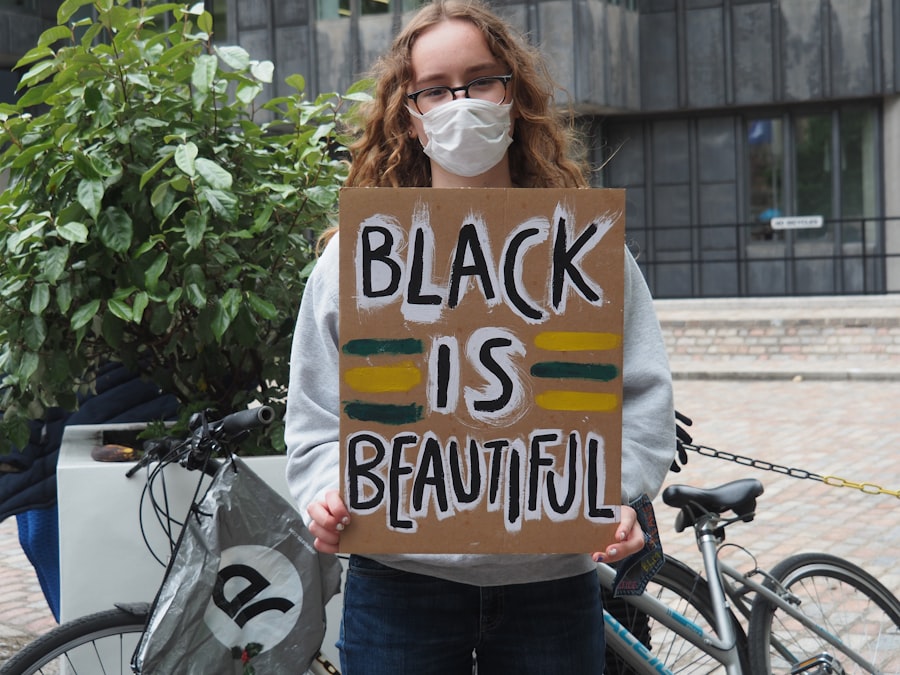
The roots of environmental injustice can be traced back to historical practices such as redlining and discriminatory zoning laws that have systematically marginalized communities of color. These practices not only restricted access to housing and economic opportunities but also determined where hazardous facilities could be located. For decades, communities of color have been disproportionately exposed to environmental hazards due to these policies, which prioritized the interests of wealthier, predominantly white neighborhoods over those of marginalized groups.
The legacy of colonialism and systemic racism has further entrenched these disparities. Industrialization often took place in close proximity to marginalized communities, leading to increased pollution and health risks. The historical neglect of these areas has created a landscape where environmental hazards are prevalent, and residents are left to bear the brunt of these injustices.
Understanding this historical context is essential for addressing contemporary issues related to environmental racism and for advocating for equitable policies that prioritize the health and well-being of all communities.
Case Studies of Flood Zones and Marginalized Communities
Several case studies illustrate the impact of flooding on marginalized communities across the United States. One notable example is New Orleans, where Hurricane Katrina exposed the vulnerabilities faced by low-income neighborhoods predominantly inhabited by Black residents. The flooding that ensued devastated these communities, revealing significant disparities in emergency response and recovery efforts.
Many residents were left stranded without assistance, while wealthier neighborhoods received prompt aid and resources. Another poignant case is found in Houston, Texas, where Hurricane Harvey caused catastrophic flooding in low-income areas that had been historically neglected. The city’s rapid development often prioritized economic growth over environmental considerations, leading to inadequate drainage systems in vulnerable neighborhoods.
As a result, many residents faced severe property damage and displacement. These case studies highlight the urgent need for policies that address the unique challenges faced by marginalized communities in flood-prone areas.
Intersectionality and Environmental Racism
| Community | Percentage in Flood Zones | Minority Population (%) | Average Income () | Access to Flood Mitigation Resources | Reported Flood-Related Health Issues (%) |
|---|---|---|---|---|---|
| Community A | 45% | 80% | 28,000 | Low | 35% |
| Community B | 30% | 60% | 35,000 | Medium | 25% |
| Community C | 20% | 25% | 50,000 | High | 10% |
| Community D | 55% | 90% | 22,000 | Low | 40% |
| Community E | 15% | 15% | 60,000 | High | 8% |
The concept of intersectionality plays a crucial role in understanding environmental racism. It recognizes that individuals do not experience oppression in isolation; rather, their identities—such as race, gender, socioeconomic status, and disability—intersect to create unique experiences of disadvantage. For instance, women of color living in flood-prone areas may face compounded challenges during disasters due to societal expectations regarding caregiving roles or limited access to resources.
Additionally, individuals with disabilities may encounter significant barriers during flooding events, such as inaccessible evacuation routes or inadequate support services.
Addressing environmental racism requires an understanding of these intersecting identities and a commitment to inclusive policies that consider the diverse needs of all community members.
Government Policies and Environmental Racism
Government policies have historically contributed to environmental racism through zoning laws, land use decisions, and inadequate disaster response strategies. Many policies have favored industrial development over community health, resulting in hazardous facilities being placed near marginalized neighborhoods.
In recent years, there has been a growing recognition of the need for equitable policies that address environmental justice concerns. Advocacy groups have pushed for reforms that prioritize community input in decision-making processes related to land use and disaster preparedness. However, significant challenges remain as entrenched interests often resist changes that would disrupt the status quo.
To combat environmental racism effectively, it is essential for policymakers to engage with affected communities and ensure their voices are heard in shaping policies that impact their lives.
Health Impacts of Living in Flood Zones
Living in flood-prone areas has profound health implications for marginalized communities. Exposure to contaminated water during flooding events can lead to a range of health issues, including gastrointestinal illnesses and respiratory problems. Additionally, the stress associated with displacement and loss can exacerbate mental health conditions within these populations.
The lack of access to healthcare services further compounds these challenges, as many residents may already face barriers to receiving adequate medical care. Moreover, the long-term effects of living in flood zones can lead to chronic health issues that persist long after the waters recede. For instance, mold growth in homes after flooding can trigger asthma and other respiratory conditions, disproportionately affecting children and elderly residents.
The cumulative impact of these health risks underscores the urgent need for comprehensive strategies that address both immediate health concerns during disasters and long-term health outcomes for affected communities.
Grassroots Movements and Advocacy for Environmental Justice
Grassroots movements have emerged as powerful forces advocating for environmental justice in marginalized communities. These movements often arise from local residents who are directly impacted by environmental hazards and seek to amplify their voices in policy discussions. Organizations such as the Black Lives Matter movement have highlighted the intersectionality of social justice issues, including environmental racism, drawing attention to the urgent need for systemic change.
Community-led initiatives have also focused on building resilience against flooding through education and advocacy efforts. By empowering residents with knowledge about their rights and available resources, these movements foster a sense of agency among marginalized populations. They advocate for equitable policies that prioritize community needs while holding government entities accountable for their actions or inactions regarding environmental hazards.
Solutions and Mitigation Strategies for Environmental Racism
Addressing environmental racism requires a multifaceted approach that includes both immediate solutions and long-term strategies for mitigation. One effective strategy is the implementation of equitable disaster preparedness plans that prioritize vulnerable communities. This involves engaging with residents to understand their specific needs and incorporating their input into emergency response strategies.
Additionally, investing in infrastructure improvements in marginalized neighborhoods can significantly reduce vulnerability to flooding. This includes enhancing drainage systems, creating green spaces that absorb excess water, and implementing sustainable land-use practices that prevent further environmental degradation. Furthermore, policies aimed at reducing pollution from industrial sources can help protect the health of residents living near hazardous facilities.
The Role of Corporate Interests in Environmental Racism
Corporate interests often play a significant role in perpetuating environmental racism through practices that prioritize profit over community well-being. Industries may seek to locate their operations in marginalized neighborhoods where regulatory oversight is weaker or where residents have less political power to resist such developments. This can lead to increased pollution levels and health risks for those living nearby.
Moreover, corporate lobbying can influence government policies that favor industrial development at the expense of community health. Advocacy efforts aimed at holding corporations accountable for their environmental impact are essential for addressing these injustices. By promoting corporate social responsibility and encouraging sustainable business practices, communities can work towards creating a more equitable relationship between industry and vulnerable populations.
Conclusion and Call to Action for Addressing Environmental Racism
Environmental racism is a pressing issue that demands immediate attention from policymakers, advocates, and community members alike. The disproportionate impact of flooding on marginalized communities highlights the urgent need for systemic change that prioritizes equity and justice in environmental decision-making processes. By understanding the historical context of environmental injustice and recognizing the intersectionality of various identities within affected populations, stakeholders can work towards creating inclusive solutions.
A call to action is necessary: individuals must advocate for policies that address environmental racism while supporting grassroots movements fighting for justice within their communities. Collaboration between government entities, corporations, and local organizations is essential for developing comprehensive strategies that mitigate the impacts of flooding on vulnerable populations. Only through collective action can society begin to dismantle the structures that perpetuate environmental racism and work towards a more just future for all communities.
Environmental racism is a pressing issue, particularly in flood zones where marginalized communities often bear the brunt of climate change impacts. A related article that delves deeper into this topic can be found at this link. It explores how systemic inequalities exacerbate the vulnerability of these communities during natural disasters, highlighting the urgent need for equitable policies and interventions.
FAQs
What is environmental racism?
Environmental racism refers to the disproportionate impact of environmental hazards on people of color and low-income communities. It involves policies, practices, or directives that result in these communities being exposed to higher levels of pollution, toxic waste, and other environmental risks.
How are flood zones related to environmental racism?
Flood zones often disproportionately affect marginalized communities due to historical housing discrimination, zoning laws, and economic disparities. These communities are more likely to live in areas prone to flooding, which can lead to greater exposure to environmental hazards and fewer resources for recovery.
Why do marginalized communities often live in flood-prone areas?
Marginalized communities may live in flood-prone areas because of historical segregation, limited housing options, lower property values in these zones, and exclusion from safer neighborhoods. Economic constraints and discriminatory policies have often confined these populations to more vulnerable locations.
What are the consequences of living in flood zones for affected communities?
Living in flood zones can lead to property damage, health risks from contaminated water, displacement, loss of livelihood, and long-term economic hardship. These impacts are often exacerbated in marginalized communities due to limited access to resources and support systems.
How can addressing environmental racism improve flood zone management?
Addressing environmental racism involves equitable urban planning, inclusive policy-making, and investment in infrastructure that protects vulnerable communities. This can lead to better flood mitigation, improved emergency response, and fair distribution of resources to reduce the disproportionate impact of flooding.
What role do government policies play in environmental racism related to flood zones?
Government policies can either perpetuate or mitigate environmental racism. Historically, discriminatory zoning, inadequate infrastructure investment, and exclusionary housing policies have increased risks for marginalized communities. Conversely, equitable policies can promote resilience and reduce disparities in flood-prone areas.
Are there any legal protections against environmental racism in flood zones?
Some laws and regulations, such as the Civil Rights Act and environmental justice initiatives, aim to prevent discrimination and promote fair treatment. However, enforcement and effectiveness vary, and many advocates call for stronger protections specifically addressing environmental racism in flood-prone areas.
How can communities advocate against environmental racism in flood zones?
Communities can engage in local planning processes, collaborate with environmental justice organizations, raise awareness, and push for policy changes that prioritize equitable infrastructure and disaster response. Empowering residents through education and participation is key to combating environmental racism.