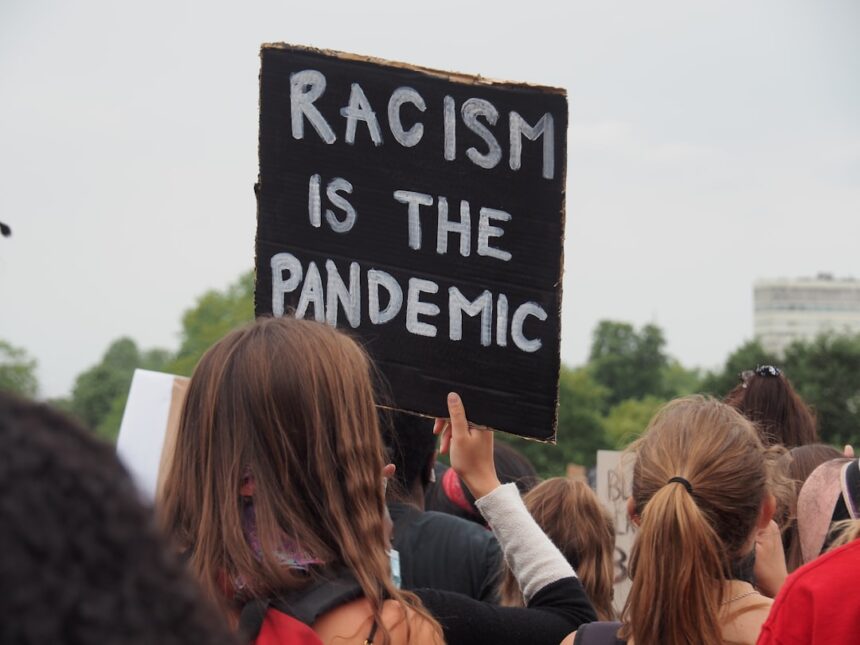
Environmental racism refers to the systemic placement of hazardous waste sites, landfills, and other environmental hazards in communities predominantly inhabited by people of color. This phenomenon is particularly evident in flood zones, where marginalized communities often bear the brunt of environmental degradation and climate change impacts. Flood zones, areas that are prone to flooding due to their geographical location or climate conditions, are frequently home to low-income and minority populations.
These communities face not only the immediate dangers of flooding but also long-term consequences that stem from inadequate infrastructure, lack of resources, and insufficient governmental support. The intersection of environmental racism and flood zones highlights a critical issue in contemporary society: the unequal distribution of environmental burdens. As climate change intensifies, the frequency and severity of flooding events are expected to increase, exacerbating the vulnerabilities of already marginalized communities.
Understanding the dynamics of environmental racism in flood-prone areas is essential for addressing the broader implications of social justice, equity, and community resilience in the face of climate change.
Key Takeaways
- Minority communities face greater risks from flooding due to environmental racism and systemic inequities.
- Historical government policies have contributed to the placement of vulnerable populations in high-risk flood zones.
- Flood-related health and social impacts disproportionately affect marginalized groups, exacerbating existing inequalities.
- Community activism and legal reforms are crucial in addressing and mitigating environmental racism in flood-prone areas.
- Achieving environmental justice requires intersectional approaches and equitable policy planning for a fairer future.
The Disproportionate Impact on Minority Communities
Minority communities often experience a disproportionate impact from flooding events due to a combination of socioeconomic factors and systemic neglect. These communities typically have fewer resources to prepare for or recover from disasters, leading to greater vulnerability during flooding incidents. For instance, lower-income households may lack access to adequate insurance coverage or financial reserves, making it difficult for them to rebuild after a flood.
Additionally, many minority neighborhoods are situated in areas with substandard infrastructure, such as poorly maintained drainage systems, which can exacerbate flooding conditions. The consequences of flooding extend beyond immediate physical damage; they also include long-term economic and social repercussions. Minority communities may face prolonged displacement, loss of employment opportunities, and disruptions to education as a result of flooding.
The psychological toll on residents can be significant as well, with increased rates of anxiety and depression following such traumatic events. This cycle of vulnerability perpetuates existing inequalities and highlights the urgent need for targeted interventions to support these communities in flood-prone areas.
Historical Context and Systemic Inequities
The roots of environmental racism can be traced back to historical practices that have systematically marginalized minority populations. Redlining, a practice that emerged in the 1930s, involved denying mortgage loans to residents in certain neighborhoods based on racial composition. This practice not only restricted access to homeownership for many people of color but also led to disinvestment in these communities.
As a result, minority neighborhoods often lack the infrastructure necessary to withstand environmental challenges, including flooding. Moreover, historical land use policies have frequently prioritized the interests of affluent, predominantly white communities over those of marginalized groups. This has resulted in the placement of hazardous facilities and flood-prone developments in areas inhabited by people of color.
The cumulative effect of these systemic inequities has created a landscape where minority communities are disproportionately affected by environmental hazards, including flooding. Understanding this historical context is crucial for addressing the ongoing challenges faced by these communities today.
The Role of Government Policies and Planning
Government policies play a significant role in shaping the environmental landscape and determining which communities are most vulnerable to flooding. Zoning laws, land use regulations, and disaster response strategies often reflect existing power dynamics that favor affluent neighborhoods while neglecting marginalized communities. For example, when planning for flood mitigation measures, government agencies may prioritize investments in wealthier areas, leaving low-income neighborhoods without adequate protection.
Additionally, the lack of inclusive decision-making processes can exacerbate environmental injustices. When community voices are not heard in planning discussions, policies may fail to address the unique needs and concerns of minority populations. This exclusion can lead to inadequate disaster preparedness and response strategies that do not account for the specific vulnerabilities faced by these communities.
To create more equitable outcomes, it is essential for government agencies to engage with affected communities and incorporate their perspectives into policy development.
Case Studies of Environmental Racism in Flood Zones
| Metric | Description | Data Example | Source |
|---|---|---|---|
| Percentage of Minority Populations in Flood Zones | Proportion of racial and ethnic minority groups living within designated flood risk areas | 45% of Black and Hispanic communities reside in 100-year flood zones | EPA Environmental Justice Screening and Mapping Tool (EJSCREEN) |
| Flood Risk Exposure by Race | Comparison of flood risk exposure rates among different racial groups | Flood risk exposure is 1.5 times higher for minority populations than for white populations | National Oceanic and Atmospheric Administration (NOAA) |
| Access to Flood Mitigation Resources | Availability of flood protection infrastructure and funding in minority vs. non-minority neighborhoods | Minority neighborhoods receive 30% less funding for flood defenses | Federal Emergency Management Agency (FEMA) Reports |
| Health Impact Post-Flooding | Incidence of flood-related health issues (e.g., respiratory problems, waterborne diseases) in affected communities | Rates of flood-related illnesses are 2 times higher in minority flood zones | Centers for Disease Control and Prevention (CDC) |
| Property Damage Costs in Flood Zones | Average property damage costs incurred by households in flood-prone minority communities | Average damage cost is 25% higher in minority neighborhoods | Insurance Industry Reports |
Several case studies illustrate the impact of environmental racism in flood zones across the United States. One notable example is New Orleans, where Hurricane Katrina exposed deep-seated inequalities in disaster preparedness and response. Predominantly African American neighborhoods were disproportionately affected by the flooding that followed the hurricane, revealing systemic failures in infrastructure and emergency management.
The recovery efforts that followed were also marked by inequities, as wealthier neighborhoods received more resources and support than those inhabited by low-income residents. Another case study can be found in Houston, Texas, where rapid urban development has led to increased flooding risks for minority communities. The city’s planning decisions have often favored commercial interests over the needs of residents in vulnerable neighborhoods.
As a result, many low-income families have faced repeated flooding events without adequate support or resources for recovery. These case studies underscore the urgent need for comprehensive strategies that address the root causes of environmental racism and prioritize equity in flood-prone areas.
Health and Social Impacts on Minority Communities
The health impacts of flooding on minority communities are profound and multifaceted. Flooding can lead to waterborne diseases, exposure to toxic substances, and mental health challenges stemming from trauma and displacement. In many cases, minority populations already face higher rates of chronic health conditions due to systemic inequities in healthcare access and socioeconomic status.
The added stressors associated with flooding can exacerbate these existing health disparities. Socially, the impacts of flooding can disrupt community cohesion and support networks. Displacement often forces families apart and strains relationships within neighborhoods.
The loss of homes and community spaces can lead to feelings of isolation and despair among residents. Furthermore, children may experience disruptions in their education due to school closures or relocations following flooding events. Addressing these health and social impacts requires a holistic approach that considers both immediate needs and long-term recovery strategies for affected communities.
Community Activism and Advocacy Efforts
In response to the challenges posed by environmental racism in flood zones, community activism has emerged as a powerful force for change. Grassroots organizations and local leaders have mobilized to advocate for equitable policies and practices that address the unique needs of marginalized populations. These efforts often focus on raising awareness about environmental injustices and pushing for greater accountability from government agencies.
Community activists have also worked to build resilience within their neighborhoods by promoting sustainable practices and fostering local leadership.
By centering community voices in advocacy efforts, these movements aim to challenge systemic inequities and create more just outcomes for vulnerable populations.
Legal and Policy Solutions to Address Environmental Racism
Addressing environmental racism requires a multifaceted approach that includes legal and policy solutions aimed at promoting equity in flood-prone areas. One potential avenue is the implementation of stronger regulations that require environmental impact assessments for developments in vulnerable neighborhoods. These assessments can help identify potential risks and ensure that marginalized communities are not disproportionately affected by new projects.
Additionally, policies that prioritize funding for infrastructure improvements in low-income areas can help mitigate the impacts of flooding. Investing in green infrastructure solutions—such as permeable pavements, rain gardens, and enhanced drainage systems—can reduce flood risks while also providing additional community benefits. Legal frameworks that support community engagement in decision-making processes are also essential for ensuring that marginalized voices are heard and considered in planning efforts.
Intersectionality and the Compounding Effects of Environmental Racism
The concept of intersectionality is crucial for understanding how various forms of discrimination intersect to compound the effects of environmental racism on minority communities. Factors such as gender, socioeconomic status, immigration status, and disability can all influence how individuals experience environmental hazards like flooding. For instance, women may face additional challenges during disasters due to caregiving responsibilities or limited access to resources.
Recognizing these intersecting identities is essential for developing effective solutions that address the unique vulnerabilities faced by different groups within minority communities. Tailoring interventions to consider these complexities can lead to more equitable outcomes and foster resilience among those most affected by environmental injustices.
The Need for Environmental Justice and Equity
The pursuit of environmental justice is critical for addressing the systemic inequities that underpin environmental racism in flood zones. Achieving equity requires not only acknowledging past injustices but also actively working towards creating inclusive policies that prioritize marginalized communities’ needs. This involves rethinking traditional approaches to disaster management and urban planning to ensure that all voices are represented.
By leveraging diverse expertise and resources, stakeholders can develop innovative solutions that address both immediate challenges and long-term structural inequalities.
Moving Towards a More Equitable Future
As climate change continues to pose significant threats to vulnerable communities across the globe, addressing environmental racism in flood zones has never been more urgent. The disproportionate impacts faced by minority populations highlight the need for systemic change that prioritizes equity and justice in environmental decision-making processes. By understanding the historical context, advocating for inclusive policies, and fostering community resilience, society can work towards a more equitable future where all individuals have access to safe environments free from environmental hazards.
Ultimately, achieving environmental justice requires collective action at all levels—local, state, and national—to dismantle the structures that perpetuate inequality. By centering marginalized voices in discussions about climate adaptation and disaster preparedness, society can create a more just framework that ensures all communities are equipped to thrive in an increasingly uncertain world.
Environmental racism is a pressing issue, particularly in flood zones where marginalized communities often bear the brunt of climate change impacts. A related article that delves into this topic is available at this link. It explores how systemic inequalities exacerbate the vulnerability of these communities during natural disasters, highlighting the urgent need for equitable policies and interventions.
FAQs
What is environmental racism?
Environmental racism refers to the disproportionate impact of environmental hazards on people of color and low-income communities. It involves policies and practices that place these communities at greater risk of exposure to pollution, toxic waste, and other environmental dangers.
How are flood zones related to environmental racism?
Flood zones often disproportionately affect marginalized communities due to historical housing discrimination, zoning laws, and economic disparities. These communities are more likely to live in high-risk flood areas with inadequate infrastructure and fewer resources for recovery.
Why do marginalized communities often live in flood-prone areas?
Marginalized communities may be pushed into flood-prone areas because of lower property values, discriminatory housing policies, and limited access to safer neighborhoods. Economic constraints and systemic inequalities contribute to their increased vulnerability.
What are the consequences of living in flood zones for affected communities?
Living in flood zones can lead to property damage, health risks from contaminated water, displacement, and financial instability. These impacts are often exacerbated in marginalized communities due to limited access to emergency services and recovery resources.
How can addressing environmental racism improve flood zone management?
Addressing environmental racism involves equitable urban planning, investment in resilient infrastructure, and inclusive policymaking. This can reduce flood risks for vulnerable communities and ensure fair access to resources and protection.
What role do government policies play in environmental racism related to flood zones?
Government policies, including zoning laws, disaster response, and housing regulations, can either perpetuate or mitigate environmental racism. Historically, some policies have neglected or disadvantaged marginalized communities, increasing their flood risk.
Are there any legal protections against environmental racism in flood zones?
Some laws and regulations, such as the Civil Rights Act and environmental justice initiatives, aim to prevent discrimination and promote equitable treatment. However, enforcement and effectiveness vary, and advocacy continues to push for stronger protections.
How can communities advocate against environmental racism in flood-prone areas?
Communities can engage in local planning processes, collaborate with environmental justice organizations, raise awareness, and demand equitable infrastructure investments and disaster response measures to reduce flood risks and address systemic inequalities.