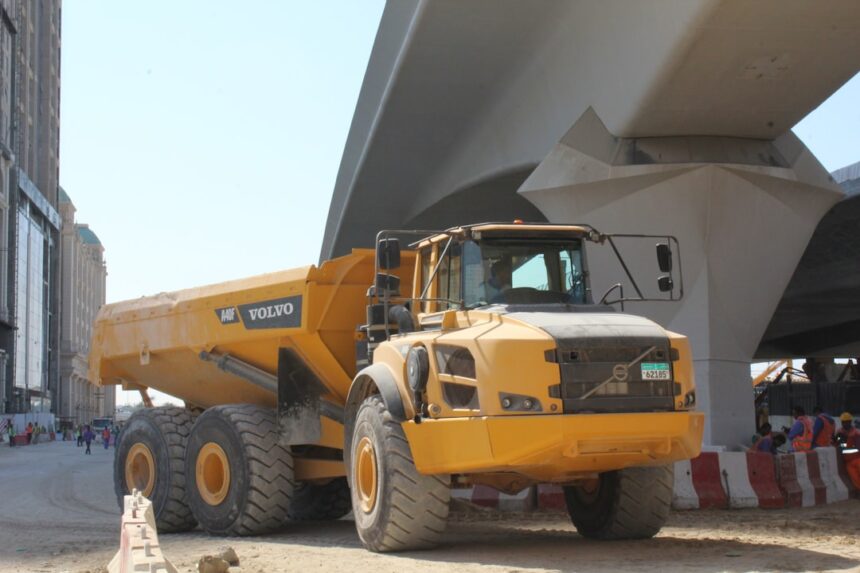
Regular maintenance constitutes a fundamental component of infrastructure management, functioning as a preventive strategy to maintain system longevity and operational capacity. This approach is critical for maintaining asset integrity across buildings, equipment, and transportation infrastructure. Through systematic maintenance practices, organizations can identify and address minor defects before they develop into major failures requiring extensive repairs or causing system breakdowns.
This preventive methodology protects capital investments while maintaining safety standards for users and operators. Consistent maintenance implementation establishes organizational standards for asset stewardship and operational quality. When maintenance receives priority allocation of resources, it demonstrates organizational commitment to asset preservation and performance optimization.
This approach contributes to workplace safety and operational reliability, while supporting organizational reputation through demonstrated competence in facility and system management. Well-maintained infrastructure indicates systematic operational practices and reliability in service delivery.
Key Takeaways
- Regular maintenance is crucial for prolonging infrastructure lifespan and ensuring safety.
- Different types of infrastructure require tailored maintenance approaches.
- Preventive maintenance helps reduce emergency repairs and overall costs.
- Creating and monitoring a maintenance schedule improves efficiency and resource allocation.
- Evaluating maintenance effectiveness ensures continuous improvement and optimal performance.
Types of Infrastructure
Infrastructure encompasses a wide array of systems and structures that are vital for societal function. These can be broadly categorized into several types, including transportation infrastructure, utilities, and public facilities. Transportation infrastructure includes roads, bridges, railways, and airports, all of which are crucial for facilitating movement and commerce.
The condition of these systems directly impacts economic activity and public safety, making their maintenance a top priority. Utilities infrastructure, which includes water supply systems, sewage treatment plants, and electrical grids, is equally critical. These systems provide essential services that support daily life and economic activities.
Regular maintenance ensures that these utilities operate efficiently and reliably, preventing service interruptions that could have far-reaching consequences. Public facilities such as schools, hospitals, and parks also fall under the umbrella of infrastructure. Their upkeep is vital for community well-being and can significantly influence the quality of life for residents.
Benefits of Regular Maintenance
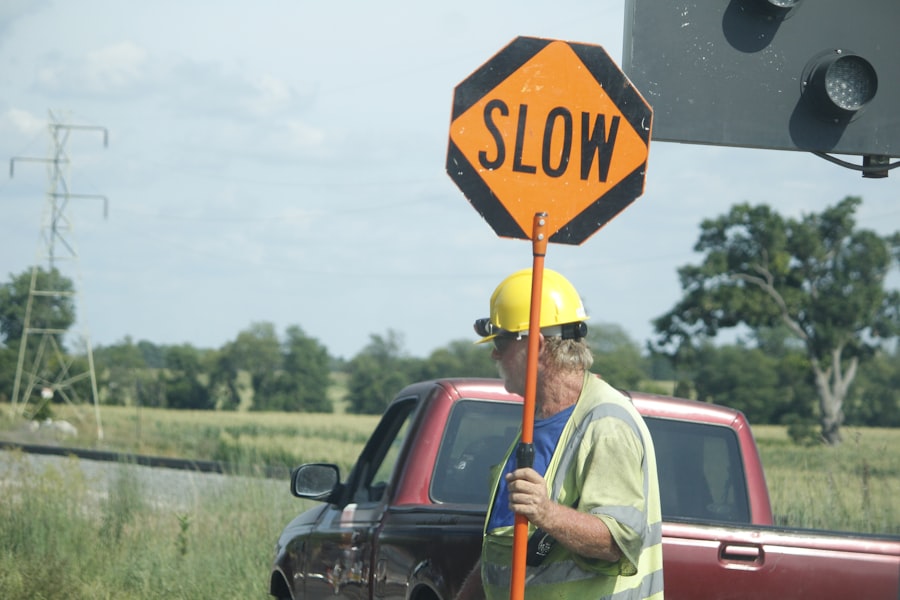
The benefits of regular maintenance extend beyond mere functionality; they encompass financial savings, enhanced safety, and improved efficiency. By addressing potential issues before they escalate, organizations can save substantial amounts on repair costs. Preventive maintenance often proves to be more cost-effective than reactive measures, as it allows for planned expenditures rather than emergency spending that can strain budgets.
In addition to financial advantages, regular maintenance contributes to safety. Well-maintained infrastructure reduces the risk of accidents and failures that could endanger lives. For instance, regular inspections and repairs of bridges can prevent structural failures that might lead to catastrophic accidents.
Furthermore, efficient systems tend to operate with fewer disruptions, leading to increased productivity and satisfaction among users. This holistic approach to maintenance ultimately fosters a safer and more efficient environment for everyone involved.
Common Maintenance Tasks
Common maintenance tasks vary depending on the type of infrastructure but generally include inspections, cleaning, repairs, and replacements. Inspections are critical for identifying wear and tear or potential issues before they become serious problems. For example, routine checks on electrical systems can reveal faulty wiring or outdated components that need attention.
Cleaning is another essential task that often gets overlooked but plays a significant role in maintenance.
Repairs may involve fixing leaks in plumbing systems or patching up cracks in pavements, while replacements might include updating outdated equipment or replacing worn-out parts.
Each of these tasks contributes to the overall health of the infrastructure and ensures its continued functionality.
Creating a Maintenance Schedule
| Infrastructure Component | Maintenance Frequency | Last Maintenance Date | Next Scheduled Maintenance | Responsible Team | Status |
|---|---|---|---|---|---|
| HVAC Systems | Quarterly | 2024-03-15 | 2024-06-15 | Facilities | On Schedule |
| Electrical Panels | Bi-Annual | 2023-12-01 | 2024-06-01 | Electrical | On Schedule |
| Plumbing Systems | Annual | 2023-07-20 | 2024-07-20 | Maintenance | On Schedule |
| Fire Safety Equipment | Monthly | 2024-05-01 | 2024-06-01 | Safety | On Schedule |
| Network Infrastructure | Monthly | 2024-05-10 | 2024-06-10 | IT | On Schedule |
| Elevators | Quarterly | 2024-02-28 | 2024-05-28 | Facilities | Overdue |
Creating a maintenance schedule is a strategic process that involves assessing the needs of various systems and determining the frequency of maintenance tasks. A well-structured schedule takes into account factors such as usage patterns, environmental conditions, and the specific requirements of different types of infrastructure. By establishing a clear timeline for inspections, cleaning, repairs, and replacements, organizations can ensure that maintenance activities are carried out consistently.
In addition to outlining specific tasks and timelines, a maintenance schedule should also prioritize tasks based on urgency and importance. For instance, critical systems that are essential for safety or operational continuity may require more frequent attention than less critical areas. By categorizing tasks in this manner, organizations can allocate resources effectively and ensure that high-priority issues are addressed promptly.
Factors to Consider in Maintenance Scheduling

Several factors must be considered when developing a maintenance schedule to ensure its effectiveness. One key consideration is the age and condition of the infrastructure. Older systems may require more frequent inspections and repairs due to wear and tear, while newer systems might have longer intervals between maintenance activities.
Additionally, understanding the usage patterns of different systems can inform scheduling decisions; for example, high-traffic areas may need more regular upkeep than those with less frequent use. Environmental factors also play a significant role in maintenance scheduling. Weather conditions can impact the wear on infrastructure; for instance, regions prone to heavy rainfall may require more frequent inspections of drainage systems to prevent flooding.
Similarly, seasonal changes can affect heating and cooling systems, necessitating preemptive checks before extreme weather conditions set in. By taking these factors into account, organizations can create a more tailored maintenance schedule that addresses specific needs effectively.
Implementing Preventive Maintenance
Implementing preventive maintenance is a proactive strategy aimed at minimizing downtime and extending the lifespan of infrastructure. This approach involves regularly scheduled inspections and maintenance tasks designed to identify potential issues before they escalate into major problems. By adopting preventive measures, organizations can significantly reduce the likelihood of unexpected failures that disrupt operations.
Preventive maintenance also encourages a systematic approach to upkeep. Organizations can develop checklists and protocols for routine inspections, ensuring that no critical areas are overlooked. This method not only enhances efficiency but also fosters accountability among staff responsible for maintenance activities.
As a result, preventive maintenance becomes an integral part of an organization’s operational strategy rather than an afterthought.
Monitoring and Tracking Maintenance Activities
Monitoring and tracking maintenance activities is essential for evaluating the effectiveness of maintenance schedules and ensuring compliance with established protocols. Organizations can utilize various tools and technologies to streamline this process, such as computerized maintenance management systems (CMMS) that allow for real-time tracking of tasks and performance metrics. By maintaining accurate records of maintenance activities, organizations can identify trends over time and make informed decisions about future scheduling and resource allocation.
For instance, if certain types of repairs are consistently required more frequently than anticipated, it may indicate a need for further investigation into underlying issues or a reevaluation of the maintenance strategy. This data-driven approach not only enhances accountability but also supports continuous improvement in maintenance practices.
Addressing Emergency Maintenance Needs
Despite best efforts in preventive maintenance planning, emergencies can still arise unexpectedly. Addressing emergency maintenance needs requires a swift response to mitigate potential damage or disruption. Organizations should have contingency plans in place that outline procedures for handling emergencies effectively.
These plans should include clear communication protocols to ensure that all relevant personnel are informed promptly about the situation. Additionally, having a dedicated emergency response team trained in crisis management can significantly enhance an organization’s ability to respond quickly and efficiently when emergencies occur. By being prepared for unforeseen circumstances, organizations can minimize downtime and maintain operational continuity even in challenging situations.
Outsourcing Maintenance Services
Outsourcing maintenance services has become an increasingly popular option for organizations seeking to optimize their operations while managing costs effectively. By partnering with specialized service providers, organizations can leverage expertise and resources that may not be available in-house. This approach allows them to focus on their core competencies while ensuring that maintenance tasks are handled by professionals with specialized knowledge.
However, it is crucial for organizations to carefully vet potential service providers to ensure they align with their standards for quality and reliability. Establishing clear communication channels and performance metrics will further enhance the effectiveness of outsourced maintenance services.
Evaluating the Effectiveness of Maintenance Schedules
Evaluating the effectiveness of maintenance schedules is vital for ensuring continuous improvement in infrastructure management practices. Organizations should regularly assess whether their schedules are meeting established goals regarding safety, efficiency, and cost-effectiveness. This evaluation process may involve analyzing data related to maintenance activities, such as completion rates for scheduled tasks and the frequency of emergency repairs.
Feedback from staff involved in maintenance activities can also provide valuable insights into potential areas for improvement. By fostering an open dialogue about challenges faced during implementation or execution of maintenance tasks, organizations can identify opportunities for refinement in their processes. Ultimately, ongoing evaluation ensures that maintenance schedules remain relevant and effective in addressing the evolving needs of infrastructure over time.
In conclusion, regular maintenance is an indispensable aspect of effective infrastructure management that encompasses various types of systems and structures essential for societal function. By understanding its importance and implementing comprehensive strategies—including creating schedules tailored to specific needs—organizations can reap numerous benefits while ensuring safety and efficiency across their operations.
Effective infrastructure maintenance schedules are crucial for ensuring the longevity and reliability of public services. For a deeper understanding of how to optimize these schedules, you can refer to a related article that discusses best practices and innovative strategies in infrastructure management. Check it out here: Infrastructure Management Best Practices.
FAQs
What is infrastructure maintenance scheduling?
Infrastructure maintenance scheduling is the process of planning and organizing regular inspections, repairs, and upkeep activities for infrastructure assets such as roads, bridges, utilities, and buildings to ensure their optimal performance and longevity.
Why is infrastructure maintenance scheduling important?
Scheduling maintenance helps prevent unexpected failures, extends the lifespan of infrastructure, reduces repair costs, ensures safety, and improves service reliability for users.
What types of infrastructure require maintenance schedules?
Common types include transportation infrastructure (roads, bridges, railways), utilities (water, electricity, sewage systems), public buildings, communication networks, and industrial facilities.
How often should infrastructure maintenance be scheduled?
The frequency depends on the type of infrastructure, its usage, environmental conditions, and manufacturer recommendations. Some assets require monthly or quarterly checks, while others may need annual or multi-year inspections.
What factors influence the development of a maintenance schedule?
Factors include asset age, condition, criticality, usage intensity, environmental exposure, budget constraints, and regulatory requirements.
What are the common methods used in infrastructure maintenance scheduling?
Methods include time-based scheduling (routine intervals), condition-based scheduling (based on asset condition monitoring), and predictive maintenance using data analytics and sensor technologies.
Who is responsible for creating and managing infrastructure maintenance schedules?
Typically, facility managers, maintenance engineers, or asset management teams within public agencies or private organizations are responsible for developing and overseeing maintenance schedules.
What tools or software are used for infrastructure maintenance scheduling?
Common tools include Computerized Maintenance Management Systems (CMMS), Enterprise Asset Management (EAM) software, Geographic Information Systems (GIS), and specialized scheduling and asset tracking applications.
How does maintenance scheduling impact infrastructure safety?
Regularly scheduled maintenance helps identify and address potential safety hazards early, reducing the risk of accidents, structural failures, and service interruptions.
Can maintenance schedules be adjusted based on real-time data?
Yes, with advancements in sensor technology and IoT, maintenance schedules can be dynamically adjusted based on real-time condition monitoring and predictive analytics to optimize resource use and prevent failures.