
Street elevation pilots represent a transformative approach to urban navigation, focusing on the integration of innovative design and technology to enhance the pedestrian experience in cities. These initiatives often involve the temporary or permanent alteration of street layouts, incorporating features such as raised crosswalks, elevated bike lanes, and pedestrian-only zones.
As cities around the world grapple with congestion, pollution, and the need for sustainable transportation solutions, street elevation pilots emerge as a promising strategy to address these challenges. The concept of street elevation pilots is rooted in the idea that urban spaces should prioritize people over vehicles. By reimagining how streets are used, cities can foster a sense of community, promote healthier lifestyles, and enhance the overall quality of life for residents.
These pilots often serve as experimental projects that allow city planners and local governments to test new ideas and gather data on their effectiveness before implementing permanent changes. As urban areas continue to evolve, the importance of such initiatives cannot be overstated, as they pave the way for more livable and vibrant cities.
Key Takeaways
- Street elevation pilots enhance urban navigation by providing clearer, multi-level street information.
- Successful case studies demonstrate improved accessibility and safety for all city users, including people with disabilities.
- Implementing these pilots requires addressing technical, regulatory, and community engagement challenges.
- Technology plays a crucial role in collecting data and delivering real-time elevation-based navigation solutions.
- Street elevation pilots offer economic benefits and support sustainable urban development through innovative policy frameworks.
Benefits of Street Elevation Pilots for Urban Navigation
One of the most significant benefits of street elevation pilots is their ability to improve urban navigation for pedestrians and cyclists. By creating dedicated spaces for non-motorized users, these projects can reduce conflicts between vehicles and vulnerable road users, leading to safer streets. Elevated crosswalks and bike lanes not only enhance visibility but also encourage more people to choose walking or cycling as their primary mode of transportation.
This shift can lead to a decrease in traffic congestion and a reduction in greenhouse gas emissions, contributing to a more sustainable urban environment. Moreover, street elevation pilots can enhance the aesthetic appeal of urban areas. By incorporating green spaces, public art, and improved lighting into these projects, cities can create inviting environments that attract residents and visitors alike.
The presence of well-designed public spaces encourages social interaction and community engagement, fostering a sense of belonging among residents. As people feel more connected to their surroundings, they are more likely to participate in local events and support neighborhood businesses, further contributing to the vibrancy of urban life.
Case Studies of Successful Street Elevation Pilot Projects
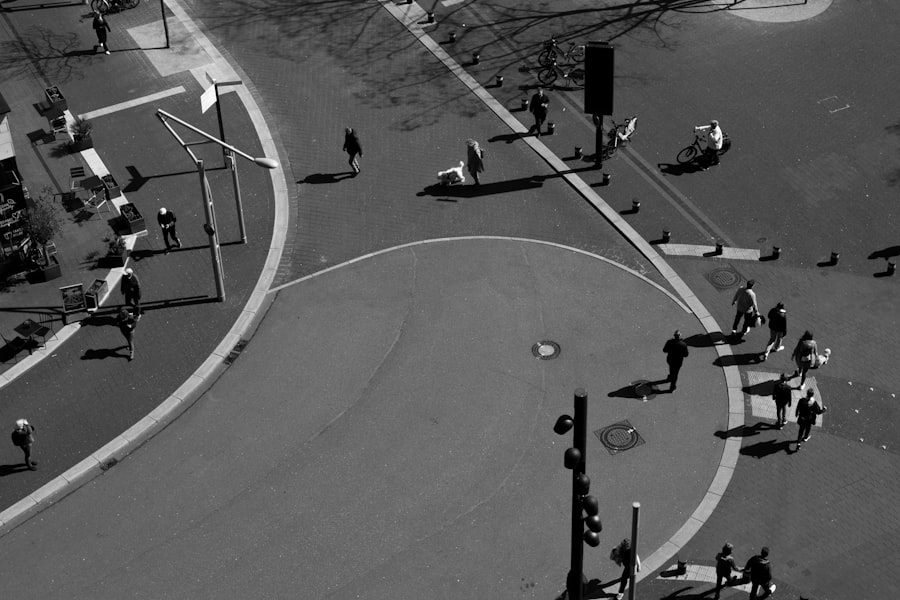
Several cities around the globe have successfully implemented street elevation pilot projects that serve as models for others to follow. One notable example is New York City’s Times Square pedestrianization initiative. Originally launched as a temporary pilot in 2009, the project transformed portions of Broadway into pedestrian-only zones, significantly reducing traffic congestion and improving safety for pedestrians.
The initiative not only enhanced the overall experience for visitors but also led to increased foot traffic for local businesses. Following its success, the city made the changes permanent, demonstrating the potential for street elevation pilots to create lasting improvements in urban navigation. Another exemplary case is the city of San Francisco’s “Better Market Street” project.
This ambitious initiative aims to redesign Market Street, one of the city’s busiest thoroughfares, by prioritizing pedestrians and cyclists while improving public transit access. The pilot phase included temporary installations such as wider sidewalks, protected bike lanes, and enhanced public spaces. Feedback from residents and stakeholders played a crucial role in shaping the final design, showcasing how community involvement can lead to successful outcomes in street elevation projects.
Challenges and Considerations for Implementing Street Elevation Pilots
Despite their numerous benefits, implementing street elevation pilots is not without challenges. One significant hurdle is securing funding for these projects, as they often require substantial investment in infrastructure and design. City governments must navigate budget constraints while also demonstrating the long-term value of such initiatives to stakeholders.
Additionally, competing interests from various community groups can complicate decision-making processes, as different stakeholders may have differing priorities regarding street use and design. Another challenge lies in effectively communicating the goals and benefits of street elevation pilots to the public. Residents may be resistant to changes that alter familiar roadways or disrupt traditional traffic patterns.
To address this concern, city planners must engage in transparent dialogue with community members, providing opportunities for feedback and input throughout the planning process. By fostering a sense of ownership among residents, cities can increase support for these initiatives and ensure their successful implementation.
How Street Elevation Pilots Can Improve Accessibility for People with Disabilities
| Pilot Name | Location | Street Elevation (meters) | Project Start Date | Duration (months) | Objective | Outcome |
|---|---|---|---|---|---|---|
| Elevation Pilot A | San Francisco, CA | 15.2 | 2023-01 | 12 | Flood risk reduction | Improved drainage and reduced flooding by 30% |
| Elevation Pilot B | New Orleans, LA | 1.8 | 2022-06 | 18 | Storm surge protection | Enhanced street elevation by 0.5 meters |
| Elevation Pilot C | Amsterdam, Netherlands | 2.5 | 2023-03 | 10 | Water management | Optimized street slope for better water runoff |
| Elevation Pilot D | Tokyo, Japan | 10.0 | 2023-07 | 8 | Earthquake resilience | Increased street elevation to reduce liquefaction risk |
Street elevation pilots hold significant potential for improving accessibility for individuals with disabilities. By designing streets with universal access in mind, cities can create environments that accommodate all users, regardless of their mobility challenges. Features such as curb cuts, tactile paving, and clear signage can enhance navigation for people with visual impairments or those who use wheelchairs or other mobility aids.
Elevating crosswalks can also reduce the need for steep ramps, making it easier for individuals with limited mobility to traverse busy streets. Furthermore, these pilots can promote inclusivity by encouraging community engagement from individuals with disabilities during the planning process. By actively seeking input from diverse groups, city planners can better understand the unique challenges faced by these individuals and design solutions that address their needs.
Ultimately, street elevation pilots can contribute to a more equitable urban landscape where everyone has the opportunity to navigate their environment safely and comfortably.
The Role of Technology in Street Elevation Pilots

Technology plays a crucial role in the success of street elevation pilots by providing innovative solutions that enhance urban navigation. Smart traffic management systems can optimize traffic flow by adjusting signal timings based on real-time data from sensors and cameras. This technology not only improves safety for pedestrians and cyclists but also reduces congestion for vehicles, creating a more balanced transportation ecosystem.
Additionally, mobile applications can facilitate navigation by providing users with information about available routes, bike-sharing options, and public transit schedules. These tools empower individuals to make informed decisions about their travel choices while promoting alternative modes of transportation. As cities continue to embrace technological advancements, integrating these tools into street elevation pilots will be essential for maximizing their effectiveness and ensuring a seamless user experience.
Environmental and Sustainability Impacts of Street Elevation Pilots
The environmental benefits of street elevation pilots are significant and multifaceted. By encouraging walking and cycling through improved infrastructure, these initiatives can lead to reduced reliance on automobiles, resulting in lower greenhouse gas emissions and improved air quality. Additionally, incorporating green spaces into street designs can help mitigate urban heat island effects while providing habitats for local wildlife.
Moreover, street elevation pilots often prioritize sustainable materials and construction practices. By utilizing eco-friendly materials and implementing stormwater management systems, cities can minimize their environmental footprint while enhancing the resilience of urban infrastructure. As communities increasingly prioritize sustainability in their development efforts, street elevation pilots serve as a vital component of creating greener cities.
Community Engagement and Feedback in Street Elevation Pilot Projects
Community engagement is a cornerstone of successful street elevation pilot projects. Involving residents in the planning process fosters a sense of ownership and ensures that the final designs reflect the needs and desires of the community. Public workshops, surveys, and interactive design sessions provide valuable opportunities for residents to voice their opinions and contribute ideas.
Feedback collected during pilot phases is equally important for refining designs before permanent implementation. By analyzing data on pedestrian behavior, traffic patterns, and user satisfaction, city planners can make informed decisions about necessary adjustments. This iterative process not only enhances project outcomes but also builds trust between local governments and residents.
Economic and Business Opportunities Associated with Street Elevation Pilots
Street elevation pilots can stimulate economic growth by attracting visitors and encouraging local spending. Improved pedestrian infrastructure often leads to increased foot traffic in commercial areas, benefiting businesses that rely on walk-in customers. As neighborhoods become more vibrant and accessible, they may also attract new businesses looking to capitalize on the enhanced environment.
Furthermore, these projects can create job opportunities during both the construction phase and ongoing maintenance efforts. Local governments may partner with community organizations to provide training programs that equip residents with skills needed for jobs related to urban planning and infrastructure development. By fostering economic opportunities alongside improved urban navigation, street elevation pilots contribute to holistic community development.
Policy and Regulatory Frameworks for Street Elevation Pilots
Establishing effective policy and regulatory frameworks is essential for the successful implementation of street elevation pilots. Local governments must develop guidelines that outline best practices for design, safety standards, and community engagement processes. These frameworks should also address funding mechanisms that support pilot projects while ensuring accountability in their execution.
Collaboration between various stakeholders—including city planners, transportation agencies, community organizations, and advocacy groups—is crucial for creating comprehensive policies that reflect diverse perspectives. By fostering partnerships across sectors, cities can develop innovative solutions that address both immediate needs and long-term goals related to urban navigation.
Future Trends and Innovations in Urban Navigation: Street Elevation Pilots
As urban areas continue to evolve in response to changing demographics and technological advancements, future trends in street elevation pilots will likely focus on increased integration with smart city initiatives. Innovations such as autonomous vehicles may influence how streets are designed and used, prompting cities to rethink traditional approaches to urban navigation. Additionally, there will be a growing emphasis on resilience in street elevation projects as communities face climate change challenges.
Designing streets that can withstand extreme weather events while promoting sustainability will be paramount in future initiatives. Ultimately, street elevation pilots will play a critical role in shaping the future of urban navigation by prioritizing safety, accessibility, and environmental stewardship in city planning efforts.
For those interested in the innovative techniques used by street elevation pilots, a related article can be found at this link. It provides insights into the latest advancements in urban planning and the role of pilots in enhancing street elevation projects, making it a valuable resource for anyone looking to understand the complexities of this field.
FAQs
What are street elevation pilots?
Street elevation pilots are experimental projects or initiatives aimed at raising the level of streets or roadways to improve drainage, reduce flooding, or enhance urban infrastructure.
Why are street elevation pilots implemented?
They are implemented to address issues such as frequent flooding, poor drainage, or to adapt to rising water levels due to climate change, thereby improving safety and accessibility.
How is a street elevation pilot conducted?
Typically, a section of a street is temporarily or permanently raised using engineering techniques, and its impact on traffic flow, drainage, and local environment is monitored and evaluated.
What materials are used in street elevation projects?
Common materials include concrete, asphalt, gravel, and sometimes specialized drainage systems or retaining structures to support the elevated street.
Are street elevation pilots costly?
Costs vary depending on the scale, materials, and location, but pilots are generally designed to be cost-effective tests before wider implementation.
Who oversees street elevation pilot projects?
Local government agencies, urban planners, and civil engineers typically oversee these projects, often in collaboration with environmental experts.
Can street elevation pilots affect local residents?
Yes, they can temporarily impact traffic patterns, access to properties, and local businesses during construction, but the goal is to provide long-term benefits.
How long do street elevation pilots last?
The duration varies; some pilots are short-term tests lasting a few months, while others may be permanent changes following successful evaluation.
What are the potential benefits of street elevation pilots?
Benefits include reduced flooding, improved road safety, enhanced drainage, and increased resilience to climate-related challenges.
Are there any risks associated with street elevation pilots?
Potential risks include construction disruptions, unintended drainage issues, or increased costs if not properly planned and executed.