The Nervous System and Downshift Breathing
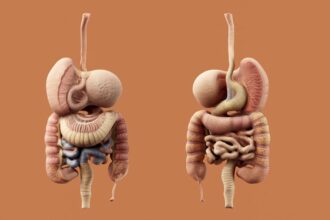
The nervous system is a complex network that regulates bodily functions, responds to stimuli, and maintains homeostasis. It comprises two main components: the central nervous system (CNS), consisting of the brain and spinal cord, and the peripheral nervous system (PNS), which connects the CNS to the rest of the body. Within this structure, the autonomic nervous system (ANS) controls involuntary functions including heart rate, digestion, and respiratory rate.
The ANS has two primary branches: the sympathetic and parasympathetic nervous systems. The sympathetic system activates the “fight or flight” response during stress or danger. Conversely, the parasympathetic system initiates the “rest and digest” response, promoting relaxation and recovery.
Understanding this balance is crucial for recognizing how downshift breathing techniques can facilitate a transition from heightened alertness to a state of calmness and tranquility.
Key Takeaways
- Downshift breathing helps regulate the nervous system, promoting relaxation and stress reduction.
- Practicing downshift breathing regularly can improve mental clarity and emotional balance.
- Tailoring breathing techniques to individual needs enhances effectiveness and comfort.
- Combining downshift breathing with other relaxation methods amplifies overall well-being.
- Overcoming common challenges requires patience and consistent practice for mastery.
The Benefits of Downshift Breathing
Downshift breathing offers a multitude of benefits that can significantly enhance your overall well-being. One of the most immediate advantages is its ability to reduce stress and anxiety. When you engage in this breathing technique, you activate your parasympathetic nervous system, which helps lower your heart rate and blood pressure.
This physiological response can create a sense of calm that permeates your entire being, allowing you to face daily challenges with a clearer mind. Moreover, downshift breathing can improve your focus and concentration. By taking a moment to breathe deeply and intentionally, you allow your mind to reset.
This practice can be particularly beneficial during high-pressure situations, such as work deadlines or public speaking engagements. As you cultivate this skill, you may find that you are better equipped to handle distractions and maintain your attention on the task at hand.
How to Practice Downshift Breathing
Practicing downshift breathing is simple yet effective. To begin, find a quiet space where you can sit or lie down comfortably. Close your eyes if it feels right for you, and take a moment to center yourself.
Start by inhaling deeply through your nose for a count of four, allowing your abdomen to expand fully. Hold your breath for a count of four, then exhale slowly through your mouth for a count of six or eight. This extended exhalation is key, as it signals your body to relax.
As you continue this practice, focus on the sensations in your body. Notice how your chest rises and falls with each breath, and pay attention to any areas of tension that may begin to release. You might find it helpful to visualize a calming image or mantra during this process, further enhancing your ability to downshift into a state of relaxation.
With regular practice, you will likely notice that this technique becomes easier and more effective over time.
Mastering the Art of Relaxation
Mastering relaxation is an essential skill in today’s fast-paced world. You may often find yourself caught up in the whirlwind of daily responsibilities, leaving little room for self-care. However, by prioritizing relaxation techniques like downshift breathing, you can cultivate a greater sense of peace in your life.
This mastery involves not only understanding how to breathe effectively but also recognizing when to implement these techniques throughout your day.
Mindfulness encourages you to be present in the moment without judgment.
As you breathe deeply, focus on the sensations in your body and the thoughts that arise. Acknowledge them without attachment and gently guide your attention back to your breath. This combination of downshift breathing and mindfulness can create a powerful tool for managing stress and enhancing your overall quality of life.
Incorporating Downshift Breathing into Your Daily Routine
| Metric | Description | Typical Range/Value | Effect on Nervous System |
|---|---|---|---|
| Breathing Rate | Number of breaths per minute during downshift breathing | 4-6 breaths per minute | Activates parasympathetic nervous system, promoting relaxation |
| Heart Rate Variability (HRV) | Variation in time interval between heartbeats | Increased HRV by 10-20% during practice | Indicates enhanced parasympathetic activity and stress resilience |
| End-Tidal CO2 | Concentration of carbon dioxide at the end of exhalation | Normal range: 35-45 mmHg; Slight increase during slow breathing | Helps regulate blood pH and supports calm state |
| Oxygen Saturation (SpO2) | Percentage of oxygen-saturated hemoglobin in the blood | Typically remains stable at 95-99% | Maintains adequate oxygenation during slow breathing |
| Subjective Stress Level | Self-reported stress or anxiety reduction | Reduction by 20-40% on standardized scales | Reflects calming effect of nervous system downshift breathing |
Incorporating downshift breathing into your daily routine can be transformative. Start by identifying specific moments throughout your day when you can pause and practice this technique. For instance, consider taking a few minutes in the morning before starting your day or during lunch breaks at work.
These small pockets of time can serve as valuable opportunities to reset and recharge. Additionally, you might find it beneficial to pair downshift breathing with other daily activities. For example, practice deep breathing while commuting or waiting in line at the grocery store.
By integrating this technique into various aspects of your life, you will gradually develop a habit that promotes relaxation and mindfulness throughout your day.
Overcoming Common Challenges in Downshift Breathing

While downshift breathing is a powerful tool for relaxation, you may encounter challenges as you begin to practice it regularly. One common hurdle is maintaining focus during your breathing exercises. Your mind may wander to thoughts about work, family, or other responsibilities.
When this happens, gently acknowledge those thoughts without judgment and redirect your attention back to your breath. Another challenge could be physical discomfort while practicing downshift breathing. If you find it difficult to sit still or feel tension in your body, consider adjusting your position or finding a more comfortable space.
It’s essential to listen to your body and make modifications as needed. Remember that this practice is about cultivating relaxation; there’s no right or wrong way to do it.
Connecting Mind and Body Through Downshift Breathing
Downshift breathing serves as a bridge between your mind and body, fostering a deeper connection that can enhance your overall well-being. When you engage in this practice, you become more attuned to the sensations within your body and the thoughts within your mind. This heightened awareness allows you to recognize patterns of tension or stress that may have gone unnoticed before.
As you continue to practice downshift breathing, you may find that this connection deepens over time. You might begin to notice how certain emotions manifest physically in your body or how specific thoughts trigger stress responses. By cultivating this awareness, you empower yourself to respond more effectively to stressors in your life, ultimately leading to greater emotional resilience.
The Science Behind Nervous System Downshift Breathing
The science behind downshift breathing is rooted in its ability to influence the autonomic nervous system positively. Research has shown that controlled breathing techniques can activate the parasympathetic nervous system, leading to physiological changes such as decreased heart rate and lower cortisol levels—the hormone associated with stress. This scientific foundation underscores the effectiveness of downshift breathing as a tool for managing stress and promoting relaxation.
Furthermore, studies have indicated that regular practice of deep breathing techniques can lead to long-term improvements in mental health outcomes. By incorporating downshift breathing into your routine, you are not only addressing immediate stress but also investing in your overall emotional well-being over time.
Tailoring Downshift Breathing to Your Individual Needs
One of the most appealing aspects of downshift breathing is its adaptability; it can be tailored to meet your individual needs and preferences. For instance, some individuals may find that they prefer longer inhalations followed by shorter exhalations, while others may benefit from equalizing their breath patterns. Experimenting with different techniques can help you discover what feels most comfortable and effective for you.
Additionally, consider incorporating elements that resonate with you personally into your practice. This could include visualizations that evoke feelings of calm or affirmations that reinforce positive thinking. By personalizing your downshift breathing practice, you create a unique experience that aligns with your goals for relaxation and stress management.
Advanced Techniques for Nervous System Downshift Breathing
Once you have mastered the basics of downshift breathing, you may wish to explore advanced techniques that can further enhance its effectiveness. One such technique is box breathing, which involves inhaling for a count of four, holding for four counts, exhaling for four counts, and holding again for four counts before repeating the cycle. This structured approach can deepen your focus and promote an even greater sense of calm.
Another advanced technique is diaphragmatic breathing, which emphasizes using your diaphragm rather than shallow chest breathing. To practice this method, place one hand on your chest and the other on your abdomen as you breathe deeply through your nose. Aim for the hand on your abdomen to rise while keeping the hand on your chest relatively still.
This technique not only promotes relaxation but also improves lung capacity over time.
Integrating Downshift Breathing with Other Relaxation Methods
To maximize the benefits of downshift breathing, consider integrating it with other relaxation methods such as yoga or meditation. These practices complement each other beautifully; yoga incorporates breath control with physical movement while meditation encourages mindfulness and presence. By combining these techniques, you create a holistic approach to relaxation that addresses both physical and mental well-being.
You might also explore pairing downshift breathing with guided imagery or progressive muscle relaxation exercises. These methods can enhance the effectiveness of deep breathing by providing additional tools for managing stress and promoting relaxation. As you experiment with different combinations, you’ll likely discover what works best for you in achieving a state of calmness and balance in your life.
In conclusion, downshift breathing is a powerful tool that can help you navigate the complexities of modern life with greater ease and tranquility. By understanding the nervous system’s role in stress management and incorporating this technique into your daily routine, you can cultivate a deeper connection between mind and body while enhancing overall well-being.
Nervous system downshift breathing is a powerful technique that can help individuals manage stress and promote relaxation. For those interested in exploring more about the benefits of mindful breathing practices, you can read a related article on this topic at Productive Patty. This resource provides valuable insights into how breathing exercises can positively impact mental well-being and enhance overall health.
FAQs
What is nervous system downshift breathing?
Nervous system downshift breathing is a breathing technique designed to activate the parasympathetic nervous system, which helps reduce stress and promote relaxation. It typically involves slow, deep, and controlled breaths to calm the body’s stress response.
How does downshift breathing affect the nervous system?
Downshift breathing stimulates the parasympathetic nervous system, often referred to as the “rest and digest” system. This activation slows the heart rate, lowers blood pressure, and reduces the production of stress hormones, leading to a state of calm and relaxation.
What are the benefits of practicing nervous system downshift breathing?
Benefits include reduced anxiety and stress, improved focus and mental clarity, better sleep quality, lowered blood pressure, and enhanced overall emotional well-being.
How do you perform nervous system downshift breathing?
A common method involves inhaling slowly through the nose for about 4-6 seconds, holding the breath briefly, then exhaling slowly through the mouth or nose for 6-8 seconds. The key is to maintain a slow, steady rhythm that feels comfortable.
Can nervous system downshift breathing help with anxiety?
Yes, by activating the parasympathetic nervous system, downshift breathing can help reduce symptoms of anxiety and promote a sense of calm.
Is nervous system downshift breathing safe for everyone?
Generally, yes. It is a natural and non-invasive technique. However, individuals with certain respiratory or cardiovascular conditions should consult a healthcare professional before starting any new breathing exercises.
How often should I practice nervous system downshift breathing?
Practicing for a few minutes daily or during moments of stress can be beneficial. Consistency helps train the nervous system to respond more effectively to stress.
Can nervous system downshift breathing improve sleep?
Yes, by promoting relaxation and reducing stress, this breathing technique can help improve sleep quality and ease the process of falling asleep.
Is nervous system downshift breathing the same as deep breathing?
While both involve controlled breathing, nervous system downshift breathing specifically focuses on slowing the breath to engage the parasympathetic nervous system and reduce stress, whereas deep breathing can be used for various purposes.