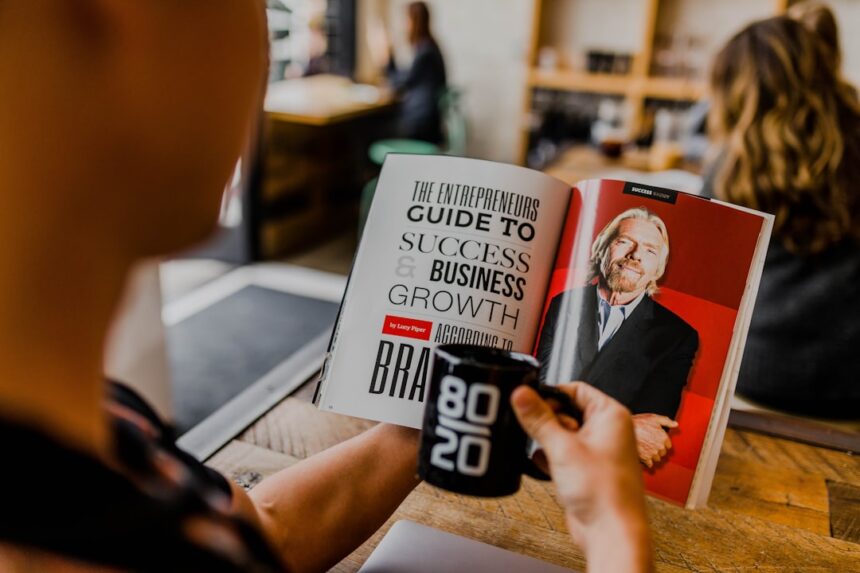
Personal growth is a lifelong journey that involves the continuous development of skills, knowledge, and self-awareness. It is about becoming the best version of yourself, both personally and professionally. This journey is unique to each individual, shaped by experiences, aspirations, and challenges faced.
Understanding personal growth means recognizing that it is not a destination but rather an ongoing process that requires commitment and reflection. As individuals evolve, their goals and values may shift, prompting reassessment of what growth means at different life stages. To embark on this journey, it is essential to cultivate a mindset that embraces learning and self-improvement.
One must be willing to step outside their comfort zone and confront fears and insecurities that may be limiting. Personal growth often involves facing uncomfortable truths about oneself and being open to change. By acknowledging strengths and weaknesses, individuals can create a roadmap for development, allowing them to set meaningful goals that align with their values and aspirations.
Key Takeaways
- Personal growth requires clear goals, adaptability, and a growth mindset.
- Building resilience and emotional intelligence helps overcome challenges effectively.
- Positive relationships and strong communication skills support ongoing development.
- Continuous learning and self-care are essential for sustained personal well-being.
- Taking consistent action and accountability drives meaningful personal progress.
Setting Clear Goals and Objectives
Setting clear goals and objectives is a fundamental step in your personal growth journey. Goals provide direction and purpose, acting as a compass that guides your actions and decisions. When you establish specific, measurable, achievable, relevant, and time-bound (SMART) goals, you create a framework that helps you stay focused and motivated.
Take the time to reflect on what you truly want to achieve in various aspects of your life—be it career advancement, personal relationships, or health improvements. By articulating these desires into concrete goals, you can transform vague aspirations into actionable plans. Moreover, it is crucial to break down larger goals into smaller, manageable objectives.
This approach not only makes the process less overwhelming but also allows you to celebrate small victories along the way. Each time you accomplish a smaller objective, you build momentum and confidence, reinforcing your commitment to the larger goal. Remember that flexibility is key; as you progress, you may need to adjust your goals based on new insights or changing circumstances.
Embrace this adaptability as part of the growth process.
Embracing Change and Adaptability
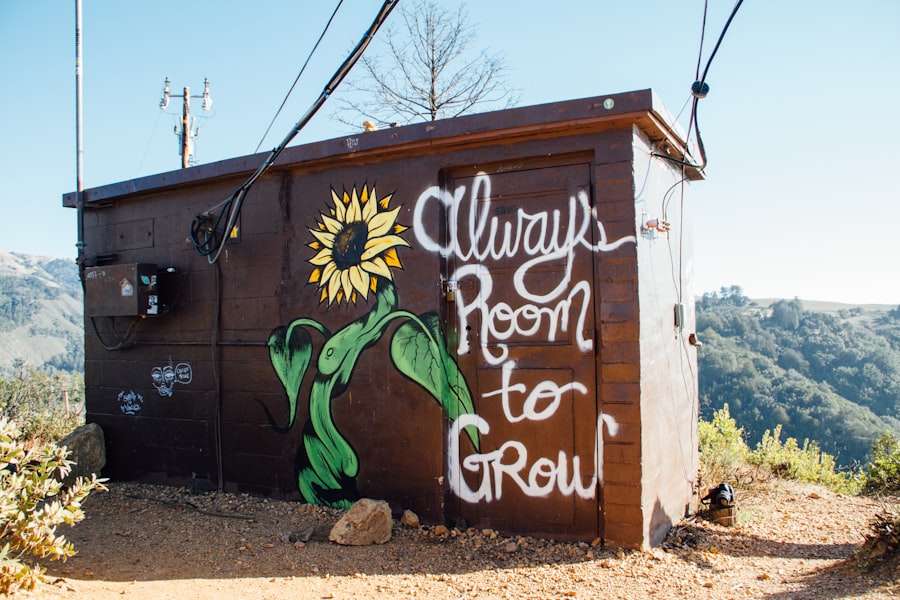
Change is an inevitable part of life, and embracing it is essential for personal growth. You may find that the world around you is constantly evolving, presenting new challenges and opportunities. By cultivating a mindset that welcomes change, you position yourself to adapt and thrive in various situations.
This adaptability allows you to navigate uncertainties with resilience and creativity, turning potential obstacles into stepping stones for growth. To embrace change effectively, it is important to let go of the fear of the unknown. Often, fear can paralyze you, preventing you from taking necessary risks or exploring new avenues.
Instead of viewing change as a threat, try to see it as an opportunity for learning and development. When faced with a new situation, ask yourself what skills or insights you can gain from it. This shift in perspective can empower you to approach change with curiosity rather than apprehension.
Cultivating a Growth Mindset
A growth mindset is the belief that your abilities and intelligence can be developed through dedication and hard work. This concept, popularized by psychologist Carol Dweck, emphasizes the importance of perseverance and resilience in achieving success. By cultivating a growth mindset, you open yourself up to new possibilities and experiences.
You begin to view challenges as opportunities for learning rather than insurmountable obstacles. To foster a growth mindset, start by reframing negative self-talk and limiting beliefs. Instead of saying “I can’t do this,” try replacing it with “I can’t do this yet.” This simple shift in language encourages a sense of possibility and motivates you to put in the effort required for improvement.
Additionally, seek feedback from others and view criticism as a valuable tool for growth rather than a personal attack. By embracing feedback and learning from your mistakes, you can continuously evolve and enhance your skills.
Building Resilience and Overcoming Challenges
| Metric | Description | Typical Range | Measurement Frequency |
|---|---|---|---|
| Goal Setting Effectiveness | Percentage of personal goals clearly defined and documented | 60% – 90% | Monthly |
| Time Management Efficiency | Ratio of planned productive hours to total available hours | 70% – 85% | Weekly |
| Skill Development Progress | Number of new skills acquired or improved per quarter | 2 – 5 skills | Quarterly |
| Self-Reflection Frequency | Number of self-reflection sessions conducted | 4 – 8 sessions | Monthly |
| Stress Management Score | Self-reported stress level on a scale of 1 (low) to 10 (high) | 3 – 6 | Weekly |
| Networking Activities | Number of new professional or personal connections made | 3 – 7 per month | Monthly |
| Reading & Learning Hours | Hours spent on reading or educational activities | 5 – 10 hours | Weekly |
| Confidence Level | Self-assessed confidence on a scale of 1 (low) to 10 (high) | 6 – 9 | Monthly |
Resilience is the ability to bounce back from setbacks and maintain a positive outlook despite adversity. In your personal growth journey, developing resilience is crucial for overcoming challenges that may arise along the way. Life will inevitably present obstacles—whether they are personal failures, professional setbacks, or unexpected changes—and how you respond to these challenges will significantly impact your growth.
To build resilience, start by cultivating a strong support network of friends, family, or mentors who can provide encouragement during tough times. Surrounding yourself with positive influences can help reinforce your belief in your ability to overcome difficulties. Additionally, practice self-compassion; acknowledge that everyone faces challenges and that it’s okay to struggle sometimes.
By treating yourself with kindness during difficult moments, you can maintain a healthier perspective and find the strength to persevere.
Developing Self-Awareness and Emotional Intelligence

Self-awareness is the foundation of personal growth; it involves understanding your thoughts, emotions, strengths, and weaknesses. By developing self-awareness, you gain insight into how your behaviors impact yourself and those around you. This understanding allows you to make more informed decisions and align your actions with your values.
Take time for introspection through journaling or mindfulness practices; these activities can help clarify your thoughts and feelings. Emotional intelligence (EI) is closely linked to self-awareness and refers to your ability to recognize and manage your emotions while also empathizing with others. High emotional intelligence enables you to navigate social situations more effectively and build stronger relationships.
To enhance your EI, practice active listening—truly engage with others when they speak—and strive to understand their perspectives. By developing both self-awareness and emotional intelligence, you create a solid foundation for meaningful connections and personal growth.
Nurturing Positive Relationships and Support Systems
The relationships you cultivate play a significant role in your personal growth journey. Surrounding yourself with positive influences can inspire you to reach new heights while providing support during challenging times. Nurturing relationships involves investing time and effort into building connections based on trust, respect, and mutual understanding.
Seek out individuals who share similar values or aspirations; these connections can motivate you to pursue your goals more passionately. Additionally, don’t hesitate to lean on your support system when needed. Whether it’s friends who offer encouragement or mentors who provide guidance, having a reliable network can make all the difference in overcoming obstacles.
Remember that relationships are reciprocal; be sure to offer support in return by being present for others in their times of need. By fostering positive relationships, you create an environment conducive to personal growth.
Enhancing Communication and Interpersonal Skills
Effective communication is a vital skill that can significantly impact your personal growth journey. The ability to express yourself clearly and listen actively fosters better relationships both personally and professionally. Start by honing your verbal communication skills; practice articulating your thoughts concisely while being mindful of your tone and body language.
Non-verbal cues often convey just as much meaning as words themselves.
This includes empathy—understanding others’ feelings—and conflict resolution—navigating disagreements constructively.
Engaging in open dialogues with others can help build trust and strengthen relationships. As you enhance these skills, you’ll find that they not only contribute to your personal growth but also enrich the lives of those around you.
Investing in Continuous Learning and Skill Development
Continuous learning is essential for personal growth; it keeps your mind sharp and opens doors to new opportunities. In today’s fast-paced world, staying relevant requires a commitment to lifelong learning. Consider enrolling in courses or workshops related to your interests or career aspirations; these experiences can provide valuable knowledge while expanding your network.
Moreover, seek out diverse learning experiences beyond formal education. Reading books, attending seminars, or engaging in online communities can expose you to different perspectives and ideas. Embrace curiosity; allow yourself to explore new subjects or skills that pique your interest.
By investing in continuous learning, you not only enhance your capabilities but also foster a sense of fulfillment as you discover new passions.
Practicing Self-Care and Well-being
Self-care is an integral aspect of personal growth that often gets overlooked amidst life’s demands. Prioritizing your well-being ensures that you have the physical, mental, and emotional energy needed to pursue your goals effectively. Start by identifying activities that rejuvenate you—whether it’s exercise, meditation, or spending time in nature—and make them a regular part of your routine.
Additionally, pay attention to your mental health by practicing mindfulness or seeking professional support when needed. Acknowledging your feelings and taking steps to address them is crucial for maintaining balance in your life. Remember that self-care is not selfish; it is an essential investment in yourself that enables you to show up fully for others while pursuing personal growth.
Taking Action and Accountability for Personal Growth
Ultimately, personal growth requires action; setting goals without taking steps toward them will yield little progress. It’s essential to hold yourself accountable for the commitments you make regarding your development journey. Create an action plan outlining specific steps needed to achieve your goals while establishing timelines for completion.
Regularly review your progress; reflect on what has worked well and what may need adjustment along the way. Celebrate milestones—no matter how small—as they signify progress toward becoming the person you aspire to be. By taking consistent action and holding yourself accountable, you empower yourself to take charge of your personal growth journey actively.
In conclusion, personal growth is an enriching journey filled with opportunities for self-discovery and development. By understanding its importance, setting clear goals, embracing change, cultivating resilience, nurturing relationships, enhancing communication skills, investing in learning, practicing self-care, and taking action with accountability, you can embark on a transformative path toward becoming the best version of yourself.
For aspiring achievers looking to enhance their personal development journey, a great resource is the article available at Productive Patty.
Whether you’re just starting out or looking to refine your existing strategies, this resource is a must-read for anyone committed to personal growth.
FAQs
What is personal development?
Personal development refers to activities, practices, and processes that improve self-awareness, develop talents and potential, enhance quality of life, and contribute to the realization of dreams and aspirations.
Why is personal development important for aspiring achievers?
Personal development helps aspiring achievers build essential skills such as goal-setting, time management, resilience, and emotional intelligence, which are crucial for achieving success in both personal and professional life.
What are common areas of focus in personal development?
Common areas include improving communication skills, building self-confidence, enhancing leadership abilities, managing stress, developing a growth mindset, and setting and achieving goals.
How can one start a personal development journey?
Starting a personal development journey typically involves self-assessment to identify strengths and weaknesses, setting clear and achievable goals, seeking resources such as books or courses, and consistently practicing new skills and habits.
Are there specific tools or techniques used in personal development?
Yes, tools such as journaling, meditation, goal-setting frameworks (like SMART goals), time management methods (like the Pomodoro Technique), and feedback from mentors or coaches are commonly used.
Can personal development improve professional success?
Absolutely. Personal development enhances skills like communication, leadership, and problem-solving, which are highly valued in the workplace and can lead to career advancement and greater job satisfaction.
Is personal development a one-time process or ongoing?
Personal development is an ongoing process. Continuous learning and self-improvement help individuals adapt to changes, overcome challenges, and achieve long-term success.
What role does mindset play in personal development?
Mindset is critical; a growth mindset encourages embracing challenges, learning from failures, and persisting despite obstacles, all of which are essential for personal growth and achievement.
Can personal development help with work-life balance?
Yes, personal development often includes strategies for managing time and stress effectively, which can improve work-life balance and overall well-being.
Where can aspiring achievers find resources for personal development?
Resources can be found in books, online courses, workshops, seminars, podcasts, coaching programs, and support groups focused on various aspects of personal growth.