
In the pursuit of personal or professional goals, visible wins play a crucial role. These tangible achievements provide concrete evidence of progress, enhancing motivation and strengthening commitment to objectives. When results become observable, maintaining focus and energy becomes more manageable.
Each minor success functions as a progressive step, driving continued effort and confirming the value of one’s work. Acknowledging these visible accomplishments creates a reinforcing cycle that encourages further advancement and higher aspirations. Visible wins significantly influence mental outlook as well.
They enhance self-confidence and generate a sense of accomplishment, essential elements when confronting difficulties or disappointments. The practice of recognizing and celebrating achievements fosters a development-focused attitude that reframes challenges as learning opportunities rather than insurmountable obstacles. This cognitive adjustment can be transformative, enabling a more energetic and resilient approach to goal pursuit.
Understanding the importance of visible wins establishes conditions favorable for continued motivation and enduring success.
Key Takeaways
- Visible wins boost motivation and reinforce positive behavior.
- Clear, achievable goals paired with action plans enhance focus and direction.
- Effective time management and technology use increase productivity.
- Supportive environments and accountability foster sustained progress.
- Regularly measuring progress and celebrating milestones drive continuous improvement.
Setting Achievable Goals
Setting achievable goals is a fundamental step in your journey toward success. It is essential to establish clear, realistic objectives that align with your aspirations and capabilities. When you set goals that are attainable, you create a roadmap that guides your actions and decisions.
This clarity helps you focus your energy on what truly matters, reducing the likelihood of feeling overwhelmed or lost in the process. By breaking down larger ambitions into smaller, manageable tasks, you can maintain momentum and build confidence as you progress. Additionally, achievable goals provide a sense of direction and purpose.
They allow you to measure your progress and celebrate milestones along the way. When you set specific, measurable, achievable, relevant, and time-bound (SMART) goals, you create a framework that enhances your chances of success. This structured approach not only clarifies what you want to achieve but also helps you stay accountable to yourself.
As you work toward these goals, you will find that each accomplishment fuels your motivation and reinforces your commitment to continuous improvement.
Creating a Clear Action Plan

Once you’ve established your goals, the next step is to create a clear action plan. This plan serves as a blueprint for your journey, outlining the specific steps you need to take to achieve your objectives. A well-structured action plan breaks down your goals into actionable tasks, making it easier for you to navigate the path ahead.
By identifying the resources, timelines, and potential obstacles associated with each task, you can proactively address challenges and stay on track. Moreover, a clear action plan enhances your focus and productivity. When you have a detailed outline of what needs to be done, it becomes easier to prioritize tasks and allocate your time effectively.
This clarity allows you to concentrate on one task at a time, reducing distractions and increasing your efficiency. As you complete each step outlined in your action plan, you’ll experience a sense of accomplishment that reinforces your motivation and commitment to achieving your goals.
Implementing Time Management Techniques
Effective time management is crucial for maximizing productivity and ensuring that you stay on course toward your goals. By implementing time management techniques, you can make the most of each day and allocate your resources wisely. One popular method is the Pomodoro Technique, which involves working in focused bursts followed by short breaks.
This approach not only enhances concentration but also helps prevent burnout by allowing you to recharge regularly. Another valuable technique is prioritization through the Eisenhower Matrix, which categorizes tasks based on their urgency and importance. By distinguishing between what is urgent and what is important, you can focus on high-priority tasks that align with your goals while minimizing time spent on less critical activities.
Additionally, setting specific time blocks for different tasks can help create structure in your day, allowing you to dedicate uninterrupted time to important projects. By mastering time management techniques, you’ll find that you can accomplish more in less time while maintaining a healthy work-life balance.
Utilizing Technology to Streamline Processes
| Metric | Description | Value | Unit | Measurement Period |
|---|---|---|---|---|
| Task Completion Rate | Percentage of tasks completed on time | 85 | % | Monthly |
| Average Task Turnaround Time | Average time taken to complete a task | 3.2 | Days | Monthly |
| Employee Engagement Score | Level of employee involvement and enthusiasm | 78 | Index (0-100) | Quarterly |
| Visible Wins Count | Number of completed projects or milestones recognized | 12 | Count | Monthly |
| Productivity Improvement Rate | Increase in productivity compared to previous period | 10 | % | Quarterly |
In today’s fast-paced world, technology plays a pivotal role in streamlining processes and enhancing productivity. By leveraging various tools and applications, you can automate repetitive tasks, manage projects more efficiently, and improve communication with team members or collaborators. For instance, project management software allows you to track progress, assign tasks, and set deadlines all in one place, making it easier to stay organized and accountable.
Additionally, utilizing productivity apps can help you manage your time effectively and keep track of your goals. Tools like digital calendars enable you to schedule tasks and set reminders, ensuring that nothing falls through the cracks. Furthermore, cloud-based storage solutions allow for easy access to important documents from anywhere, facilitating collaboration and reducing the risk of data loss.
By embracing technology as an ally in your journey toward success, you’ll find that it can significantly enhance your efficiency and effectiveness.
Building a Supportive and Motivating Environment
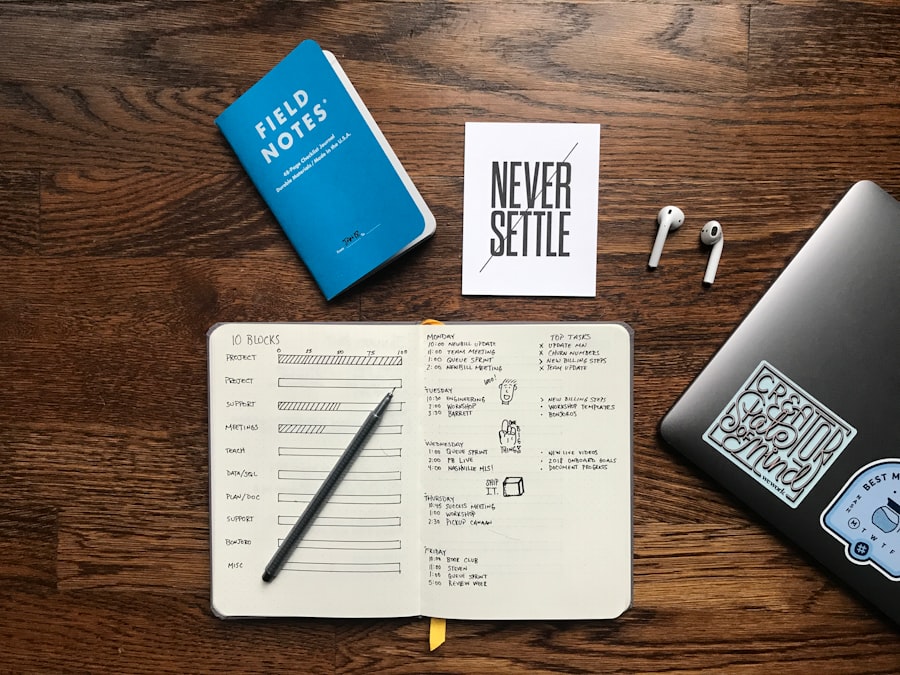
Creating a supportive and motivating environment is essential for fostering personal growth and achieving your goals. Surrounding yourself with positive influences—whether they be friends, family members, or colleagues—can significantly impact your mindset and motivation levels. When you’re in an environment that encourages growth and celebrates achievements, you’re more likely to stay committed to your objectives.
Moreover, consider seeking out mentors or joining communities that align with your interests and aspirations. Engaging with like-minded individuals can provide valuable insights, encouragement, and accountability as you navigate your journey. A supportive environment not only helps you stay motivated but also fosters collaboration and innovation.
By actively cultivating relationships with those who inspire and uplift you, you’ll create a network that propels you toward success.
Celebrating Small Milestones
As you work toward your larger goals, it’s crucial to take the time to celebrate small milestones along the way. Recognizing these achievements—no matter how minor they may seem—can have a profound impact on your motivation and overall mindset.
Incorporating celebrations into your routine can take many forms; it could be treating yourself to something special after completing a challenging task or sharing your accomplishments with friends or family. These moments of recognition serve as reminders of how far you’ve come and can reignite your passion for pursuing your goals. By making celebration a regular practice, you’ll cultivate a positive outlook that encourages perseverance even when faced with challenges.
Fostering a Culture of Accountability
Accountability is a powerful tool in achieving success; it encourages commitment and responsibility for one’s actions. Fostering a culture of accountability—whether in a personal or professional setting—can significantly enhance motivation and performance. When you’re accountable to yourself or others, you’re more likely to follow through on commitments and stay focused on your goals.
To cultivate accountability in your life, consider sharing your goals with trusted friends or colleagues who can provide support and encouragement along the way. Regular check-ins or progress updates can help keep you on track while also creating opportunities for constructive feedback. Additionally, holding yourself accountable through self-reflection can be beneficial; regularly assessing your progress allows you to identify areas for improvement and adjust your strategies accordingly.
Prioritizing Tasks and Projects
In any endeavor, prioritization is key to effective time management and goal achievement. With numerous tasks vying for your attention, it’s essential to identify which ones align most closely with your objectives. By prioritizing tasks based on their importance and urgency, you’ll ensure that you’re focusing on what truly matters rather than getting bogged down by less critical activities.
One effective method for prioritization is the ABCD prioritization technique: categorize tasks as A (high priority), B (medium priority), C (low priority), or D (delegate). This approach allows you to allocate your time and energy more effectively while ensuring that high-impact tasks receive the attention they deserve. Additionally, regularly reassessing priorities as circumstances change will help keep you agile and responsive in pursuit of your goals.
Embracing Continuous Improvement
Continuous improvement is an essential mindset for anyone striving for success. Embracing this philosophy means recognizing that there is always room for growth and development—both personally and professionally. By adopting a mindset of lifelong learning, you’re more likely to seek out new opportunities for skill enhancement and knowledge acquisition.
To foster continuous improvement in your life, consider setting aside time for self-reflection and evaluation regularly. Assessing what works well and what could be improved allows you to make informed decisions about how to move forward effectively. Additionally, seeking feedback from others can provide valuable insights into areas where you may need to grow or adapt.
By committing to continuous improvement, you’ll position yourself for long-term success while remaining adaptable in an ever-changing world.
Measuring and Monitoring Progress
Finally, measuring and monitoring progress is crucial for staying on track toward achieving your goals. Regularly assessing where you stand in relation to your objectives allows you to identify successes as well as areas needing adjustment or improvement. By establishing key performance indicators (KPIs) or benchmarks related to your goals, you’ll have concrete metrics to evaluate your progress effectively.
Incorporating regular check-ins into your routine—whether weekly or monthly—can help keep you accountable while providing opportunities for reflection on what strategies are working well versus those that may need refinement. Additionally, documenting your progress can serve as a motivational tool; looking back at how far you’ve come can inspire continued effort toward achieving even greater heights. By prioritizing measurement and monitoring throughout your journey, you’ll ensure that you’re consistently moving forward while remaining aligned with your aspirations.
In conclusion, achieving personal or professional success requires a multifaceted approach that encompasses visible wins, achievable goals, clear action plans, effective time management techniques, technology utilization, supportive environments, milestone celebrations, accountability cultures, task prioritization, continuous improvement mindsets, and progress measurement strategies. By integrating these elements into your daily routine, you’ll cultivate an environment conducive to growth while positioning yourself for long-term success in all areas of life.
Visible wins can significantly enhance productivity by providing clear milestones that motivate individuals and teams. For further insights on how to implement strategies that lead to visible wins in your daily routine, you can check out this related article on productivity at Productive Patty. This resource offers practical tips and techniques to help you achieve your goals more effectively.
FAQs
What is Visible Wins Productivity?
Visible Wins Productivity refers to a productivity approach that emphasizes tracking and showcasing tangible achievements and progress in work or projects. It focuses on making accomplishments clear and measurable to motivate individuals and teams.
How does Visible Wins Productivity improve work performance?
By highlighting visible wins, individuals and teams can see the direct results of their efforts, which boosts motivation, encourages consistent progress, and helps maintain focus on key goals. It also fosters a sense of accomplishment and accountability.
What are examples of visible wins in productivity?
Examples include completing a project milestone, meeting a sales target, finishing a report, resolving a customer issue, or achieving a personal productivity goal like clearing an email backlog.
Can Visible Wins Productivity be applied in team settings?
Yes, it is particularly effective in team environments where shared visibility of wins can enhance collaboration, celebrate collective achievements, and align team members toward common objectives.
What tools support Visible Wins Productivity?
Tools such as project management software (e.g., Trello, Asana), performance dashboards, progress tracking apps, and regular status meetings can help visualize and communicate wins effectively.
Is Visible Wins Productivity suitable for all types of work?
While it is beneficial in many contexts, Visible Wins Productivity works best in environments where progress can be clearly defined and measured. It may be less applicable in highly creative or exploratory tasks where outcomes are less tangible.
How can individuals implement Visible Wins Productivity?
Individuals can start by setting clear, achievable goals, tracking their progress, celebrating small successes, and regularly reviewing their accomplishments to maintain motivation and productivity.
Does focusing on visible wins risk overlooking long-term goals?
There is a potential risk if too much emphasis is placed on short-term wins. It is important to balance visible wins with strategic planning to ensure long-term objectives are also met.