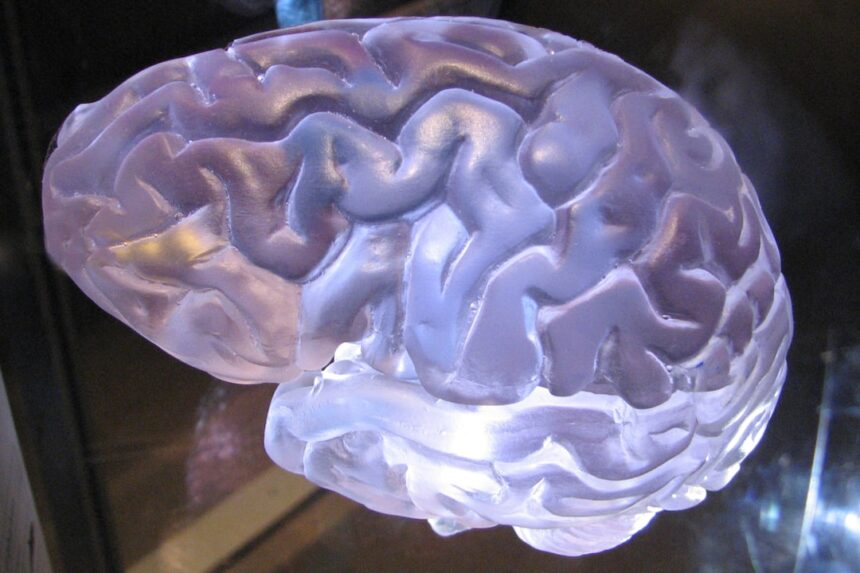
Habit formation is a neurological and psychological process that significantly influences daily behavior patterns. Research indicates that approximately 40-45% of daily actions are performed automatically through established habits rather than conscious decision-making. These behavioral patterns can be categorized as either beneficial (such as regular physical exercise or consistent sleep schedules) or detrimental (such as excessive screen time or poor dietary choices).
Scientific understanding of habit formation mechanisms provides evidence-based strategies for behavioral modification and personal development. The neurological basis of habit formation involves the basal ganglia, a brain region responsible for pattern recognition and automatic behavior execution. Through repetition, neural pathways strengthen and behaviors transition from conscious, deliberate actions to automatic responses.
This automaticity conserves cognitive resources by reducing the mental effort required for routine tasks, allowing the brain to allocate attention to novel or complex situations. Habit formation operates through a three-component loop: cue (environmental trigger), routine (behavioral response), and reward (positive outcome). This cycle, identified through neuroscientific research, demonstrates that habits develop through consistent repetition of this sequence until the behavior becomes neurologically encoded.
Understanding these mechanisms enables targeted interventions for establishing desired behaviors and modifying existing patterns.
Key Takeaways
- Habit formation is driven by specific neural pathways and brain regions, including the prefrontal cortex.
- Dopamine plays a crucial role in reinforcing habits through reward mechanisms.
- Environmental cues and emotional states significantly influence the development and persistence of habits.
- Neuroplasticity allows the brain to adapt, enabling the formation, change, or breaking of habits.
- Effective strategies for habit change involve understanding brain processes and leveraging reward and reinforcement systems.
The Role of the Brain in Habit Formation
Your brain plays a pivotal role in the development and maintenance of habits. When you engage in a behavior repeatedly, your brain begins to encode this behavior into its neural circuitry. This encoding process is essential for transforming a conscious action into an automatic one.
The basal ganglia, a group of structures deep within your brain, are particularly important in this process. They help facilitate the transition from deliberative decision-making to habitual behavior, allowing you to perform tasks with minimal cognitive effort. As you repeat a behavior, your brain strengthens the connections between neurons involved in that action.
This strengthening is part of a broader process known as synaptic plasticity, which allows your brain to adapt and reorganize itself based on experiences. The more you engage in a particular behavior, the more ingrained it becomes in your neural pathways. This is why breaking a habit can be so challenging; the brain has effectively created a shortcut for that behavior, making it easier to follow the established path than to forge a new one.
The Neural Pathways Involved in Habit Formation
The neural pathways involved in habit formation are intricate and fascinating. When you first attempt a new behavior, your prefrontal cortex—the area of your brain responsible for decision-making and self-control—takes charge. This part of your brain evaluates the potential outcomes of your actions and helps you weigh the pros and cons.
This shift signifies that the behavior has become habitual and requires less conscious thought. The transition from conscious effort to automaticity is marked by changes in the brain’s neural circuitry.
As you repeat a behavior, the connections between neurons become stronger, creating a more efficient pathway for that action. This efficiency is what allows you to perform habits with little to no conscious effort. However, it also means that once a habit is formed, it can be difficult to change or eliminate because the established pathway is so well-trodden.
The Role of Dopamine in Habit Formation
Dopamine, often referred to as the “feel-good” neurotransmitter, plays a crucial role in habit formation. When you engage in a behavior that brings you pleasure or satisfaction, your brain releases dopamine as a reward. This release reinforces the behavior, making it more likely that you will repeat it in the future.
Over time, this process creates a feedback loop where the anticipation of reward drives you to engage in the behavior again and again. The relationship between dopamine and habit formation is particularly evident in addictive behaviors. For instance, when you consume substances like drugs or alcohol, the surge of dopamine can create powerful cravings that compel you to seek out those substances repeatedly.
Understanding this connection can help you recognize how certain habits are reinforced by dopamine release and how this reinforcement can be leveraged to create positive habits as well.
The Impact of Reward and Reinforcement on Habit Formation
| Metric | Description | Typical Values/Findings | Relevance to Habit Formation |
|---|---|---|---|
| Time to Form a Habit | Average duration required to establish a new habit | 18 to 254 days (average ~66 days) | Indicates variability in habit acquisition speed depending on complexity and individual differences |
| Dopamine Release | Neurotransmitter activity in reward pathways during habit formation | Increased dopamine in the striatum during reward anticipation and habit execution | Drives reinforcement learning and motivation to repeat behaviors |
| Basal Ganglia Activation | Brain region activity associated with habit learning | Heightened activity in the dorsolateral striatum during habitual behavior | Supports automaticity and procedural memory in habits |
| Prefrontal Cortex Involvement | Role of executive function in early habit formation | High activation during initial learning, decreases as habit forms | Facilitates goal-directed actions before habits become automatic |
| Neuroplasticity Markers | Changes in synaptic strength and connectivity during habit formation | Increased long-term potentiation (LTP) in corticostriatal pathways | Enables the stabilization of new habitual behaviors |
| Habit Strength Score | Quantitative measure of habit automaticity | Scores range from 0 (no habit) to 100 (strong habit) | Used to assess the degree of behavioral automaticity |
Reward and reinforcement are fundamental components of habit formation. When you receive a reward for a specific behavior, it increases the likelihood that you will repeat that behavior in the future. This principle is rooted in operant conditioning, a learning theory developed by B.F.
Skinner that emphasizes the role of consequences in shaping behavior. Positive reinforcement—such as praise or tangible rewards—can motivate you to adopt new habits or maintain existing ones. Conversely, negative reinforcement can also play a role in habit formation.
If engaging in a particular behavior helps you avoid discomfort or stress, you may be more inclined to repeat that behavior. For example, if exercising alleviates feelings of anxiety or stress for you, this relief can reinforce your commitment to maintaining an exercise routine. By understanding how rewards and reinforcements influence your habits, you can strategically design your environment and experiences to support positive behavioral changes.
The Role of the Prefrontal Cortex in Habit Formation
The prefrontal cortex is often referred to as the brain’s executive center due to its role in higher-order functions such as decision-making, planning, and impulse control. In the context of habit formation, this area of your brain is crucial during the initial stages when you’re consciously trying to establish a new behavior. It helps you evaluate options and make choices based on long-term goals rather than immediate gratification.
However, as habits become ingrained and shift to automaticity within the basal ganglia, the reliance on the prefrontal cortex diminishes. This transition can be both beneficial and challenging; while it allows for efficiency in daily tasks, it can also make it difficult for you to break free from negative habits that have become automatic responses. Recognizing the role of the prefrontal cortex can empower you to harness its capabilities during the early stages of habit formation and use strategies like mindfulness or self-reflection to maintain control over your choices.
The Influence of Environmental Cues on Habit Formation
Environmental cues play a significant role in shaping your habits. These cues can be anything from specific locations and times of day to social interactions and sensory stimuli that trigger certain behaviors. For instance, if you typically smoke a cigarette during your coffee break at work, the smell of coffee may serve as a cue that prompts you to reach for a cigarette without even thinking about it.
Understanding how environmental cues influence your habits can help you create an environment that supports positive behaviors while minimizing triggers for negative ones. By altering your surroundings—such as removing junk food from your kitchen or placing workout gear by your bed—you can make it easier for yourself to engage in desired behaviors while reducing exposure to cues that lead to unwanted habits.
The Role of Emotions and Stress in Habit Formation
Emotions and stress significantly impact habit formation and maintenance. When you’re feeling stressed or overwhelmed, you may turn to familiar habits as coping mechanisms—whether they are healthy or unhealthy. For example, some people might indulge in comfort food during stressful times, while others may resort to exercise as a way to relieve tension.
Recognizing how emotions influence your habits can help you develop healthier coping strategies. Moreover, emotional states can also affect your motivation levels when trying to establish new habits. If you’re feeling positive and motivated, you’re more likely to stick with new behaviors; however, if you’re experiencing negative emotions like sadness or anxiety, it may be challenging to maintain commitment to those changes.
By cultivating emotional awareness and developing resilience strategies—such as mindfulness practices or seeking social support—you can better navigate the emotional landscape that influences your habits.
The Impact of Habit Formation on Decision Making
Habit formation has profound implications for decision-making processes in your life. When behaviors become habitual, they often bypass conscious thought altogether, allowing you to make decisions quickly and efficiently without deliberation. While this can be advantageous in many situations—such as driving a car or brushing your teeth—it can also lead to automatic choices that may not align with your long-term goals.
For instance, if you’ve developed a habit of reaching for unhealthy snacks when watching television, this automatic response may undermine your efforts toward healthier eating habits. Understanding how habits influence decision-making can empower you to become more mindful about your choices and encourage you to evaluate whether your automatic responses align with your values and aspirations.
The Neuroplasticity of Habit Formation
Neuroplasticity refers to the brain’s remarkable ability to reorganize itself by forming new neural connections throughout life. This adaptability is particularly relevant when it comes to habit formation; it means that even deeply ingrained habits can be changed with effort and persistence. When you consciously work on altering a habit—whether by replacing it with a healthier alternative or breaking it altogether—your brain begins to rewire itself accordingly.
This neuroplasticity offers hope for anyone looking to change their habits or overcome challenges associated with them. By consistently practicing new behaviors and reinforcing them through positive experiences or rewards, you can gradually reshape your neural pathways and create lasting change in your life.
Strategies for Changing and Breaking Habits
Changing or breaking habits requires intentional effort and strategic planning. One effective approach is to identify triggers associated with unwanted behaviors and develop alternative responses. For example, if stress leads you to snack mindlessly at night, consider replacing that behavior with a healthier activity like reading or going for a walk.
Another strategy involves setting clear goals and tracking progress over time. By establishing specific objectives—such as exercising three times a week—and monitoring your achievements through journaling or apps, you create accountability for yourself while reinforcing positive behaviors through small rewards along the way. Additionally, seeking support from friends or family members can enhance your chances of success when trying to change habits.
Sharing your goals with others not only provides encouragement but also creates an environment where accountability thrives. In conclusion, understanding habit formation is essential for personal growth and self-improvement. By exploring the roles of the brain, environmental cues, emotions, and neuroplasticity in shaping habits, you can develop effective strategies for cultivating positive behaviors while breaking free from those that no longer serve you well.
With dedication and persistence, transforming your habits into ones that align with your goals is entirely within reach.
Recent research in the field of neuroscience has shed light on the intricate processes involved in habit formation, revealing how our brains create and reinforce routines. For a deeper understanding of this topic, you can explore the article on habit formation at Productive Patty, which discusses the neurological mechanisms that underpin our daily habits and offers practical tips for cultivating positive behaviors.
FAQs
What is habit formation in neuroscience?
Habit formation in neuroscience refers to the process by which behaviors become automatic through repeated practice, involving changes in brain circuits that enable actions to be performed with little conscious thought.
Which brain areas are involved in habit formation?
Key brain areas involved in habit formation include the basal ganglia, particularly the striatum, the prefrontal cortex, and the hippocampus. The basal ganglia play a central role in developing and maintaining habits.
How does the brain transition from goal-directed actions to habits?
The brain transitions from goal-directed actions to habits through repeated behavior, shifting control from the prefrontal cortex and associative striatum to the sensorimotor striatum, making actions more automatic and less dependent on outcomes.
What role does dopamine play in habit formation?
Dopamine is a neurotransmitter that signals reward prediction and reinforcement, facilitating synaptic plasticity in habit-related brain circuits, thereby strengthening the neural pathways that underlie habit formation.
Can habits be unlearned or changed according to neuroscience?
Yes, habits can be unlearned or modified through processes like extinction and relearning, which involve neuroplasticity—the brain’s ability to reorganize and form new connections, although changing deeply ingrained habits can be challenging.
How long does it take to form a habit from a neuroscience perspective?
The time to form a habit varies widely depending on the behavior and individual, but neuroscience suggests that repeated practice over weeks to months is typically required to induce lasting neural changes that support habit formation.
Are habits always unconscious according to neuroscience?
Not always; while habits are often automatic and require less conscious effort, initial habit formation involves conscious decision-making and attention before becoming more automatic over time.
How does stress affect habit formation?
Stress can influence habit formation by shifting behavior control from goal-directed systems to habitual systems, potentially making individuals rely more on habits, especially under pressure or cognitive load.
What is the difference between habits and routines in neuroscience?
In neuroscience, habits are automatic behaviors triggered by cues and reinforced by reward circuits, whereas routines may involve more conscious planning and can include both habitual and goal-directed actions.
Can understanding habit formation neuroscience help in treating disorders?
Yes, insights into habit formation mechanisms are used to develop treatments for disorders like addiction, OCD, and Parkinson’s disease, where maladaptive habits or impaired habit control are involved.