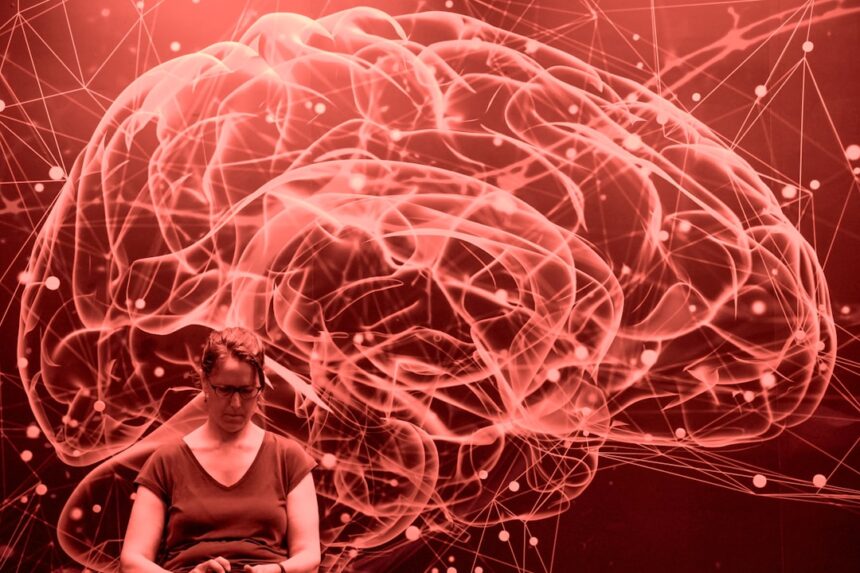
To grasp the complexities of procrastination, it is essential to first understand the brain’s reward system. This intricate network of structures and pathways is responsible for how you experience pleasure and motivation. At its core, the reward system is designed to reinforce behaviors that are beneficial for survival, such as eating, socializing, and achieving goals.
When you engage in activities that trigger this system, your brain releases neurotransmitters, primarily dopamine, which creates feelings of pleasure and satisfaction. This positive reinforcement encourages you to repeat those behaviors, forming a cycle that can either propel you forward or lead to avoidance. However, when it comes to procrastination, this reward system can work against you.
You may find yourself gravitating toward immediate rewards—like scrolling through social media or binge-watching a show—rather than tackling tasks that require sustained effort and delayed gratification. The allure of instant pleasure can overshadow the long-term benefits of completing your responsibilities. Understanding this dynamic is crucial because it highlights the internal battle between short-term satisfaction and long-term achievement that many people face daily.
Key Takeaways
- Dopamine drives procrastination by rewarding immediate pleasure over long-term goals.
- The prefrontal cortex is crucial for decision-making and self-control, influencing procrastination behavior.
- Stress and negative emotions can impair brain function, increasing the likelihood of procrastination.
- Executive functions help regulate impulses and improve focus, aiding in overcoming procrastination.
- Neuroscience-based strategies, like managing technology use and enhancing self-control, can reduce procrastination.
The Role of Dopamine in Procrastination
Dopamine plays a pivotal role in your motivation and decision-making processes. When you think about starting a task, your brain anticipates the rewards associated with completing it. If those rewards seem distant or uncertain, your dopamine levels may not spike as they would for more immediate pleasures.
This can lead to a lack of motivation, making it easier for you to put off tasks in favor of activities that provide instant gratification. Essentially, the anticipation of reward is what drives you to act, and when that anticipation is weak, procrastination can easily take hold. Moreover, the relationship between dopamine and procrastination is not merely about the presence or absence of this neurotransmitter; it also involves how your brain processes rewards.
If you often find yourself overwhelmed by tasks or unsure of how to approach them, your brain may struggle to generate the necessary dopamine response. This can create a vicious cycle where procrastination leads to increased anxiety about the task at hand, further diminishing your motivation and making it even harder to get started.
The Prefrontal Cortex and Decision-Making
The prefrontal cortex is a critical area of your brain involved in decision-making, planning, and impulse control. When faced with choices, this region helps you weigh the pros and cons, allowing you to make informed decisions about how to allocate your time and energy. However, when you are overwhelmed or stressed, the functioning of your prefrontal cortex can become compromised.
This can lead to poor decision-making and an increased likelihood of procrastination. When you find yourself in a state of indecision or confusion about how to proceed with a task, your prefrontal cortex may struggle to prioritize effectively. You might feel paralyzed by the options available to you or become easily distracted by less important activities.
This inability to focus on what truly matters can exacerbate procrastination, as you may end up spending more time deliberating than actually working on your tasks. Recognizing the role of the prefrontal cortex in your decision-making process can help you develop strategies to enhance its function and reduce procrastination.
The Impact of Stress on Procrastination
Stress is an inevitable part of life, but its impact on procrastination can be profound. When you experience stress, your body enters a fight-or-flight mode, which can lead to heightened anxiety and a sense of overwhelm. In such states, your ability to concentrate diminishes, making it increasingly difficult to tackle tasks that require focus and mental clarity.
Instead of addressing your responsibilities head-on, you may find yourself retreating into avoidance behaviors as a coping mechanism. Moreover, chronic stress can lead to a cycle where procrastination exacerbates feelings of anxiety and guilt. As deadlines loom closer and tasks pile up, the pressure intensifies, creating a feedback loop that makes it even harder for you to take action.
Understanding how stress influences your propensity to procrastinate is crucial for developing effective coping strategies. By learning to manage stress through mindfulness techniques or time management skills, you can break this cycle and regain control over your productivity.
The Connection Between Procrastination and Impulsivity
| Metric | Description | Neuroscientific Insight | Typical Findings |
|---|---|---|---|
| Prefrontal Cortex Activity | Brain region involved in executive functions and self-control | Lower activity linked to increased procrastination | Reduced activation during decision-making tasks in procrastinators |
| Anterior Cingulate Cortex (ACC) | Monitors conflict and error detection | Impaired ACC function may reduce ability to manage task-related conflicts | Decreased ACC responsiveness observed in chronic procrastinators |
| Delay Discounting Rate | Preference for smaller immediate rewards over larger delayed rewards | Higher rates correlate with greater procrastination tendencies | Procrastinators show steeper discounting curves in behavioral tasks |
| Dopamine Levels | Neurotransmitter linked to reward and motivation | Altered dopamine signaling affects motivation to initiate tasks | Lower dopamine receptor availability associated with procrastination |
| Functional Connectivity | Communication between brain regions during task engagement | Reduced connectivity between prefrontal cortex and limbic system in procrastinators | Weaker fronto-limbic connectivity correlates with poor impulse control |
| Stress Response (Cortisol Levels) | Physiological response to stress | Procrastination linked to maladaptive stress regulation | Elevated cortisol levels prior to task deadlines in procrastinators |
Procrastination is often intertwined with impulsivity—a tendency to act on whims rather than carefully considering the consequences of your actions. When faced with a task that requires sustained effort, you might feel an urge to engage in more pleasurable activities instead. This impulsive behavior can lead you away from your responsibilities and into a cycle of procrastination that feels difficult to escape.
The link between impulsivity and procrastination can be traced back to the brain’s reward system as well. When immediate rewards are more appealing than long-term goals, your impulsive tendencies can take over. You may find yourself prioritizing short-term pleasures over tasks that require discipline and focus.
Recognizing this connection allows you to develop strategies that counteract impulsivity—such as setting specific goals or breaking tasks into smaller steps—making it easier for you to stay on track.
The Influence of Emotions on Procrastination

Your emotional state plays a significant role in your tendency to procrastinate.
When faced with challenging responsibilities, these emotions may trigger avoidance behaviors as a way to escape discomfort.
Instead of confronting the task at hand, you might choose to engage in activities that provide temporary relief from those feelings. Conversely, positive emotions can enhance motivation and productivity. When you feel confident and optimistic about your abilities, you’re more likely to approach tasks with enthusiasm rather than dread.
Understanding how emotions influence your behavior can empower you to cultivate a more positive mindset when facing responsibilities. By practicing self-compassion and reframing negative thoughts, you can create an emotional environment that supports productivity rather than procrastination.
The Role of Executive Function in Overcoming Procrastination
Executive function refers to a set of cognitive processes that enable you to plan, focus attention, remember instructions, and juggle multiple tasks successfully. These skills are essential for managing time effectively and staying organized—two key components in overcoming procrastination. When your executive function is strong, you’re better equipped to prioritize tasks and resist distractions that might lead you astray.
However, when executive function is compromised—whether due to stress, fatigue, or other factors—you may struggle with planning and organization. This can result in a tendency to procrastinate as tasks become overwhelming or unclear. To enhance your executive function skills, consider implementing strategies such as creating structured schedules or using tools like planners and reminders.
The Impact of Technology on Procrastination
In today’s digital age, technology plays a dual role in both facilitating productivity and contributing to procrastination. On one hand, tools like project management apps and online calendars can help you stay organized and focused on your tasks. On the other hand, the constant availability of entertainment—such as social media platforms and streaming services—can easily distract you from your responsibilities.
The key lies in how you choose to engage with technology. If you’re aware of the potential pitfalls—like mindlessly scrolling through feeds instead of working—you can take proactive steps to minimize distractions. Setting boundaries around technology use during work hours or utilizing apps designed to limit screen time can help create an environment conducive to productivity.
By harnessing technology’s benefits while mitigating its distractions, you’ll be better positioned to overcome procrastination.
The Neurological Basis of Procrastination Habits
Procrastination is not merely a behavioral issue; it has deep neurological roots that influence how you approach tasks and manage time. Research has shown that certain brain structures are involved in regulating impulse control and decision-making—two critical factors in procrastination behavior. For instance, imbalances in neurotransmitter systems can affect how motivated you feel toward completing tasks.
Understanding the neurological basis of procrastination habits can provide valuable insights into why certain strategies work for some individuals but not for others. By recognizing that these habits are often linked to underlying brain functions rather than mere laziness or lack of willpower, you can approach procrastination with greater compassion for yourself. This awareness allows for more targeted interventions that address the specific cognitive processes at play.
The Relationship Between Procrastination and Self-Control
Self-control is a vital component in combating procrastination; it involves the ability to regulate emotions, thoughts, and behaviors in pursuit of long-term goals. When faced with tempting distractions or overwhelming tasks, exercising self-control becomes crucial for maintaining focus and productivity. However, self-control is not an infinite resource; it can be depleted over time through stress or fatigue.
To strengthen your self-control in the face of procrastination, consider implementing strategies that promote discipline and accountability. Setting clear goals with specific deadlines can help create a sense of urgency that motivates action. Additionally, practicing mindfulness techniques can enhance your awareness of impulses and help you resist distractions more effectively.
By cultivating self-control skills, you’ll be better equipped to navigate challenges without succumbing to procrastination.
Strategies for Overcoming Procrastination Based on Neuroscience
Armed with insights from neuroscience about procrastination’s underlying mechanisms, you can adopt effective strategies tailored to address these challenges directly. One approach involves breaking tasks into smaller, manageable steps—this not only makes them feel less daunting but also provides opportunities for small rewards along the way that activate your brain’s reward system positively. Another strategy is implementing time management techniques such as the Pomodoro Technique—working in focused bursts followed by short breaks—to enhance concentration while preventing burnout.
Additionally, creating an environment conducive to productivity by minimizing distractions (like turning off notifications) can significantly improve your ability to stay on task. Finally, fostering a growth mindset—believing that abilities can be developed through dedication—can help shift your perspective on challenges associated with procrastination. By viewing setbacks as opportunities for learning rather than failures, you’ll cultivate resilience that empowers you to take action despite obstacles.
In conclusion, understanding the neuroscience behind procrastination equips you with valuable tools for overcoming this common challenge. By recognizing how various brain functions influence your behavior and implementing targeted strategies based on these insights, you’ll be better positioned to conquer procrastination and achieve your goals effectively.
Procrastination is a fascinating topic that intersects with neuroscience, revealing how our brain’s wiring can influence our tendency to delay tasks. For a deeper understanding of this phenomenon, you can explore the article on productive habits and strategies at Productive Patty. This resource offers insights into how to combat procrastination and enhance productivity by leveraging our understanding of the brain’s mechanisms.
FAQs
What is procrastination from a neuroscience perspective?
Procrastination is the voluntary delay of an intended action despite expecting to be worse off for the delay. Neuroscience studies show that it involves complex interactions between brain regions responsible for emotion regulation, decision-making, and impulse control, such as the prefrontal cortex and limbic system.
Which brain areas are involved in procrastination?
Key brain areas involved in procrastination include the prefrontal cortex, which manages executive functions like planning and self-control, and the limbic system, particularly the amygdala, which processes emotions. Imbalances or reduced activity in the prefrontal cortex can lead to difficulties in delaying gratification and increased procrastination.
How does dopamine influence procrastination?
Dopamine, a neurotransmitter linked to reward and motivation, plays a significant role in procrastination. Low dopamine levels can reduce motivation to start tasks, while the anticipation of immediate rewards can lead to preference for short-term gratification over long-term goals, contributing to procrastination.
Can stress and anxiety affect procrastination behavior?
Yes, stress and anxiety can increase procrastination. Neuroscientifically, heightened activity in the amygdala during stress can impair the prefrontal cortex’s ability to regulate emotions and make decisions, leading individuals to avoid tasks that cause discomfort or fear of failure.
Is procrastination considered a neurological disorder?
Procrastination itself is not classified as a neurological disorder. However, it can be a symptom or associated behavior in conditions like ADHD, depression, or anxiety disorders, which involve neurological differences affecting executive function and impulse control.
Are there effective neuroscience-based strategies to reduce procrastination?
Yes, strategies such as cognitive-behavioral therapy (CBT), mindfulness meditation, and techniques to improve executive function (like goal setting and time management) can help. These approaches aim to strengthen prefrontal cortex activity and improve emotional regulation to reduce procrastination.
How does the brain’s reward system relate to procrastination?
The brain’s reward system, involving dopamine pathways, influences procrastination by prioritizing immediate rewards over delayed ones. When the brain perceives a task as unpleasant or unrewarding, it may favor activities that provide instant gratification, leading to procrastination.
Can procrastination be changed by altering brain activity?
Research suggests that brain activity related to procrastination can be modified through behavioral interventions, neurofeedback, and lifestyle changes like exercise and adequate sleep. These methods can enhance prefrontal cortex function and improve self-regulation, reducing procrastination tendencies.