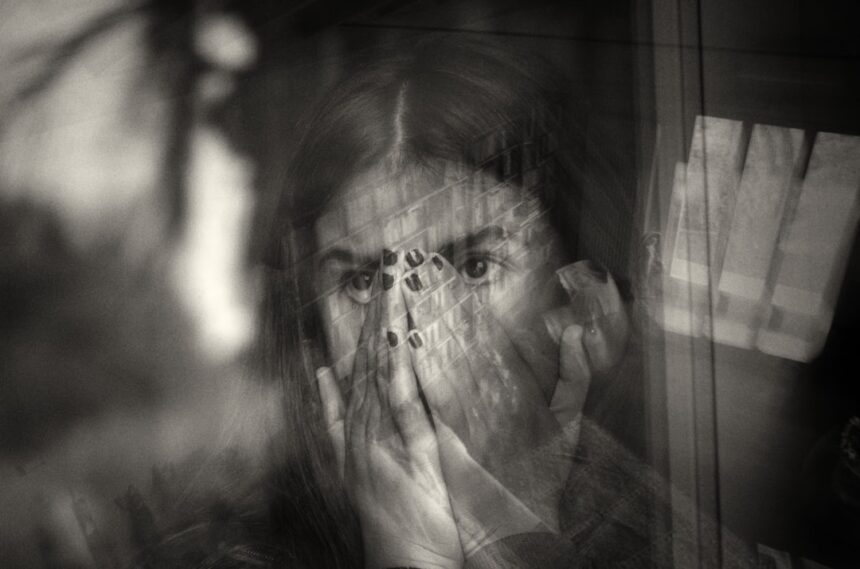
The fear of being seen is a complex emotional experience that many individuals grapple with, often manifesting as a profound anxiety about exposure to others. This fear can stem from various sources, including past experiences, societal pressures, and personal insecurities. Many people experience discomfort in social situations, worry about others’ perceptions, or fear judgment and criticism.
This anxiety can be paralyzing, leading to avoidance behaviors that limit opportunities for connection and growth. At its core, the fear of being seen is tied to the desire for acceptance and belonging. Individuals might feel that revealing their true selves risks rejection or ridicule.
This fear can create a cycle of isolation, where increased withdrawal from social interactions intensifies anxiety. Understanding this fear is the first step toward addressing it. Recognizing it as a common struggle allows individuals to begin exploring the underlying causes and working toward overcoming it.
Key Takeaways
- Fear of being seen is deeply linked to social anxiety, self-esteem, and past childhood experiences.
- Exposure therapy and embracing vulnerability are effective methods to overcome this fear.
- Media, societal pressures, and imposter syndrome can intensify the fear of being seen.
- Coping strategies and professional help play crucial roles in managing and addressing this fear.
- The fear of being seen often intersects with body image issues, impacting overall mental health.
The Role of Social Anxiety in the Fear of Being Seen
Social anxiety plays a significant role in the fear of being seen. If you experience social anxiety, you may find yourself constantly worrying about how others perceive you in social settings. This anxiety can manifest in various ways, such as blushing, sweating, or even stuttering when speaking in front of others.
The thought of being scrutinized can be overwhelming, leading you to avoid situations where you might be the center of attention. You might notice that social anxiety often exacerbates your fear of being seen. The more you focus on your perceived flaws or shortcomings, the more pronounced your anxiety becomes.
This can create a vicious cycle where your fear of judgment leads to avoidance, which in turn reinforces your anxiety. Understanding this relationship can help you develop strategies to manage your social anxiety and gradually confront your fear of being seen.
The Impact of Childhood Experiences on the Fear of Being Seen
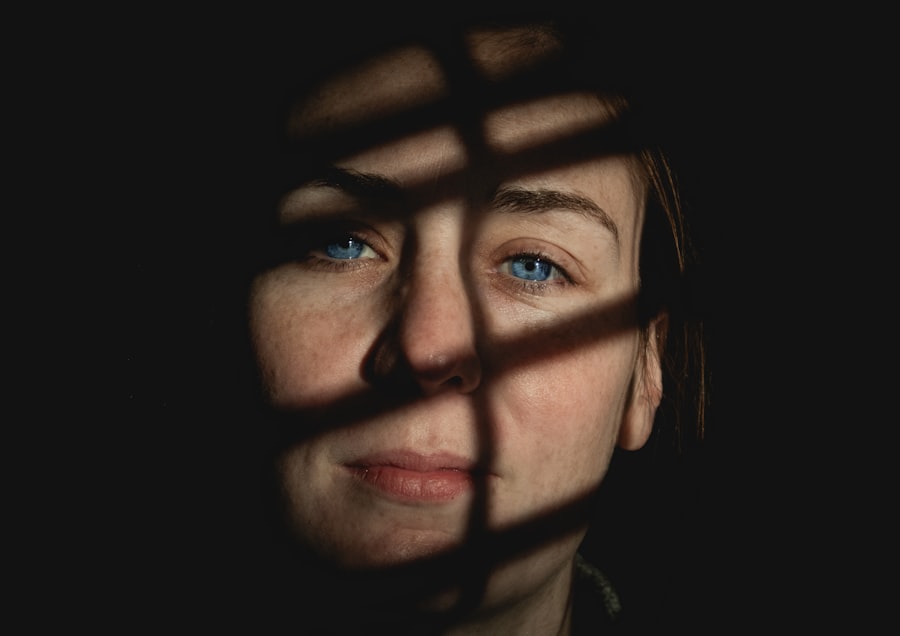
Your childhood experiences can significantly shape your fear of being seen. If you grew up in an environment where criticism was prevalent or where you felt constantly compared to others, you may have internalized these messages, leading to a heightened fear of exposure. You might recall moments when you were ridiculed or dismissed, which can create lasting impressions that affect your self-perception and confidence.
Additionally, parental expectations and societal norms during your formative years can contribute to this fear. If you were encouraged to conform to specific standards or were taught to prioritize others’ opinions over your own, it’s understandable that you would develop a fear of being seen as inadequate or unworthy. Recognizing how these early experiences have shaped your current feelings can be a crucial step in addressing and overcoming your fear.
The Connection Between Fear of Being Seen and Self-Esteem
Your self-esteem is intricately linked to your fear of being seen.
You might believe that if others truly saw you—your flaws, insecurities, and vulnerabilities—they would reject you.
This belief can create a barrier that prevents you from fully engaging with others and expressing your authentic self. Conversely, when you cultivate a healthy sense of self-esteem, you may find it easier to embrace visibility and connection with others. Building self-esteem involves recognizing your worth and understanding that everyone has imperfections.
By reframing your perspective on being seen as an opportunity for connection rather than a risk of judgment, you can begin to dismantle the barriers that have held you back.
Overcoming the Fear of Being Seen through Exposure Therapy
| Metric | Description | Typical Range/Value | Relevance to Fear of Being Seen |
|---|---|---|---|
| Social Anxiety Scale Score | Measures the level of social anxiety symptoms | Low: 0-20, Moderate: 21-40, High: 41-60 | Higher scores often correlate with increased fear of being seen |
| Self-Consciousness Scale (SCS) | Assesses private and public self-awareness | Range: 0-100; Higher scores indicate greater self-consciousness | Elevated public self-consciousness relates to fear of being observed/judged |
| Fear of Negative Evaluation (FNE) Score | Measures apprehension about others’ evaluations | Range: 0-30; Higher scores indicate greater fear | Directly linked to fear of being seen and judged negatively |
| Physiological Arousal (Heart Rate Increase) | Change in heart rate during social exposure | Typical increase: 10-30 bpm | Elevated arousal indicates anxiety related to being seen |
| Behavioral Avoidance Frequency | Number of social situations avoided per week | Range: 0-7+ times per week | Higher avoidance frequency reflects stronger fear of being seen |
Exposure therapy is a powerful tool for overcoming the fear of being seen. This therapeutic approach involves gradually exposing yourself to situations that trigger your anxiety in a controlled manner. You might start by practicing small acts of visibility, such as speaking up in a group setting or sharing your thoughts on social media.
As you become more comfortable with these experiences, you can gradually increase the level of exposure. The key to successful exposure therapy is to approach it with patience and self-compassion. You may encounter setbacks along the way, but each step forward is an opportunity for growth.
By consistently challenging yourself to face your fears, you can rewire your brain’s response to being seen and develop a greater sense of confidence in social situations.
The Influence of Media and Society on the Fear of Being Seen
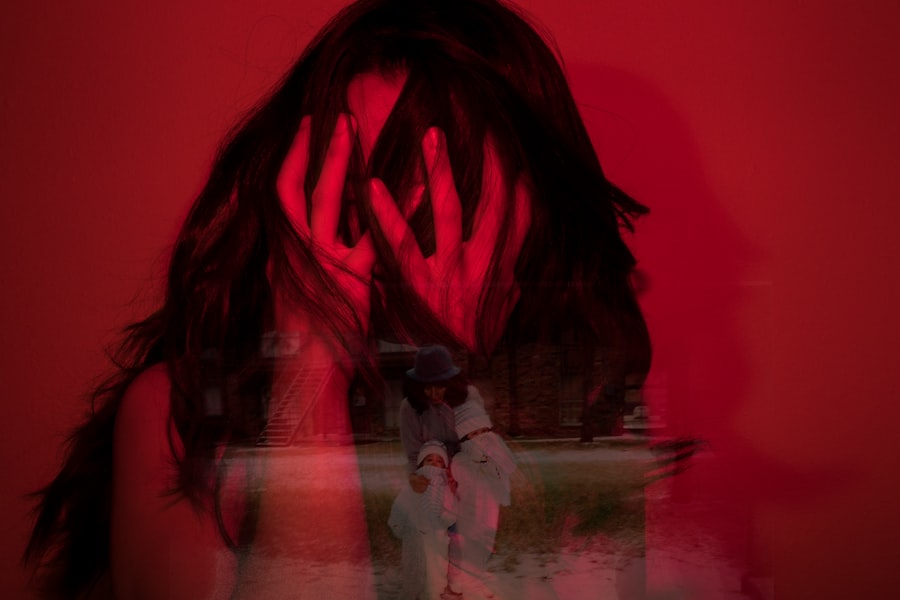
The media and societal expectations play a significant role in shaping your fear of being seen. In a world dominated by social media and curated images, it’s easy to feel inadequate when comparing yourself to others. You might find yourself scrolling through perfectly polished photos and feeling as though you don’t measure up.
This constant exposure to idealized versions of life can exacerbate feelings of insecurity and amplify your fear of being seen. Moreover, societal norms often dictate what is considered acceptable or desirable behavior. If you feel pressure to conform to these standards, it can create an internal conflict that heightens your anxiety about being visible.
Recognizing the influence of media and societal expectations on your self-perception is essential for reclaiming your sense of self-worth and embracing authenticity.
The Relationship Between Fear of Being Seen and Imposter Syndrome
Imposter syndrome is closely related to the fear of being seen. If you experience imposter syndrome, you may feel like a fraud or believe that your accomplishments are undeserved. This internal narrative can lead to a fear of being exposed as an imposter if others see you for who you truly are.
You might worry that if people knew the “real” you—your insecurities and doubts—they would no longer respect or admire you. This fear can prevent you from fully engaging in opportunities for growth and success. You may shy away from taking on new challenges or sharing your ideas for fear of being judged or criticized.
Understanding the connection between imposter syndrome and the fear of being seen can help you challenge these limiting beliefs and embrace your achievements with confidence.
Coping Strategies for Managing the Fear of Being Seen
Managing the fear of being seen requires a multifaceted approach that includes various coping strategies. One effective technique is mindfulness meditation, which encourages you to stay present in the moment rather than getting lost in anxious thoughts about how others perceive you. By practicing mindfulness, you can cultivate a sense of calm and acceptance that allows you to engage more fully with the world around you.
Another helpful strategy is journaling about your feelings related to visibility and exposure. Writing down your thoughts can provide clarity and help you process your emotions more effectively. You might also consider seeking support from friends or joining groups where individuals share similar experiences.
Connecting with others who understand your struggles can foster a sense of belonging and reduce feelings of isolation.
The Intersection of Fear of Being Seen and Body Image Issues
The fear of being seen often intersects with body image issues, creating a complex web of insecurities that can be challenging to navigate. If you struggle with body image concerns, the thought of being visible may evoke intense anxiety about how others perceive your appearance. You might find yourself obsessing over perceived flaws or feeling unworthy due to societal beauty standards.
Addressing body image issues is crucial for overcoming the fear of being seen. This process involves challenging negative self-talk and reframing your perspective on beauty and worthiness. By focusing on self-acceptance and celebrating your unique qualities, you can begin to dismantle the barriers that prevent you from embracing visibility.
Seeking Professional Help for the Fear of Being Seen
If your fear of being seen significantly impacts your daily life, seeking professional help may be beneficial. A therapist or counselor can provide valuable support as you navigate these complex emotions. They can help you explore the underlying causes of your fear and develop personalized strategies for managing it effectively.
Therapeutic approaches such as cognitive-behavioral therapy (CBT) can be particularly effective in addressing anxiety related to visibility. Through CBT, you can learn to challenge negative thought patterns and replace them with healthier perspectives. Working with a professional can empower you to confront your fears head-on and cultivate a greater sense of confidence in social situations.
Embracing Vulnerability as a Way to Overcome the Fear of Being Seen
Embracing vulnerability is a powerful way to overcome the fear of being seen. When you allow yourself to be vulnerable, you open up opportunities for authentic connection with others. You might find that sharing your fears and insecurities fosters deeper relationships and creates a sense of community among those who relate to your experiences.
By reframing vulnerability as a strength rather than a weakness, you can shift your perspective on being seen. Instead of fearing judgment, consider that revealing your true self may inspire others to do the same. Embracing vulnerability allows for genuine connections that enrich your life and diminish the power that fear holds over you.
In conclusion, understanding and addressing the fear of being seen is an essential journey toward personal growth and connection with others. By exploring its roots in social anxiety, childhood experiences, self-esteem issues, and societal influences, you can begin to dismantle the barriers that hold you back from embracing visibility. Through exposure therapy, coping strategies, professional support, and embracing vulnerability, you have the power to transform this fear into an opportunity for authentic connection and self-acceptance.
The fear of being seen, often referred to as social anxiety or the fear of judgment, can significantly impact an individual’s life and relationships. For a deeper understanding of this psychological phenomenon, you can explore the article on the topic at this link. This resource provides insights into the underlying causes of this fear and offers strategies for overcoming it, making it a valuable read for anyone looking to navigate their social interactions more confidently.
FAQs
What is the fear of being seen in psychology?
The fear of being seen, often related to social anxiety or social phobia, is a psychological condition where an individual experiences intense fear or discomfort about being observed, judged, or scrutinized by others. This fear can affect social interactions and daily functioning.
What causes the fear of being seen?
The fear of being seen can stem from various factors, including genetic predisposition, past traumatic social experiences, low self-esteem, or learned behaviors. It is often linked to anxiety disorders and can be influenced by environmental and psychological factors.
How does the fear of being seen manifest?
Symptoms may include excessive self-consciousness, avoidance of social situations, physical symptoms like sweating or trembling, and negative thoughts about oneself. Individuals may also experience panic attacks or intense distress when they feel observed.
Is the fear of being seen the same as social anxiety disorder?
While the fear of being seen is a component of social anxiety disorder, it is not necessarily the same. Social anxiety disorder encompasses a broader range of fears related to social interactions, including fear of embarrassment, humiliation, or rejection.
Can the fear of being seen be treated?
Yes, the fear of being seen can be effectively treated through various methods such as cognitive-behavioral therapy (CBT), exposure therapy, medication, and mindfulness techniques. Treatment aims to reduce anxiety and improve social confidence.
When should someone seek help for the fear of being seen?
If the fear significantly interferes with daily life, relationships, or work, or causes distress, it is advisable to seek professional help. Early intervention can improve outcomes and prevent the development of more severe anxiety disorders.
Are there self-help strategies for managing the fear of being seen?
Yes, self-help strategies include practicing relaxation techniques, gradually facing feared social situations, challenging negative thoughts, building social skills, and seeking support from friends or support groups. However, professional guidance is often beneficial.